If you want a safari without losing a whole day to driving, Nairobi National Park is your answer. You get Big Four odds in a park so close to downtown that the skyline shows up in your photos.
Two things I especially like: the pop-up roof safari vehicle that makes it easier to spot animals from every angle, and the way guides like Douglas turn a drive into real wildlife storytelling, not just a sightseeing loop. One consideration: the main park entrance and the Giraffe Centre entry are not included, so you’ll want to plan for those extra fees.
In This Review
- Key highlights you’ll feel right away
- Nairobi National Park: a true safari inside Kenya’s capital
- The safari vehicle setup: pop-up roof spotting is the whole game
- Stop 1: Nairobi National Park game drive (4 hours, including sunrise vibes)
- Stop 2: Giraffe Centre and the Rothschild giraffe feeding experience
- Stop 3: KOBE TOUGH beads & leather and the Maasai craft stop
- Timing, what to pack, and how to get the best day
- Price and value: what $60 covers versus what you pay separately
- Who should book this tour (and who should consider another option)
- Should you book the Nairobi National Park and Giraffe Centre tour?
- FAQ
- How long is the Nairobi National Park and Giraffe Centre guided safari tour?
- Is pickup offered?
- What is included in the tour price?
- Are the Nairobi National Park and Giraffe Centre entrance fees included?
- How do you pay for the Nairobi National Park entrance fee?
- Is KOBE TOUGH beads & leather entrance free?
- How big is the group?
- What is the cancellation policy?
Key highlights you’ll feel right away
- Big Four in Nairobi, with lion, leopard, rhino, and buffalo possible without leaving the city
- Early-morning game drive for sunrise views and more active animals
- 360-degree viewing from a pop-up roof vehicle that helps with spotting far-off wildlife
- Rothschild giraffe conservation at the Giraffe Centre, including guided feeding up close
- Maasai-made beadwork and leather at KOBE TOUGH, with a hands-on feel for craftsmanship
Nairobi National Park: a true safari inside Kenya’s capital
Nairobi National Park is one of those places that sounds impossible until you’re there. The park sits about a 15-minute drive from the Central Business District, so you start the day already close to the action. And the view gives you a funny, unforgettable contrast: wildlife in the savanna with tall city buildings in the background.
What makes this tour practical is that it saves you the long intercity travel you usually need for a safari. You’re not spending hours getting “to the good part.” Instead, you spend your time doing the thing you actually came for: scanning for animals and learning how to read the landscape.
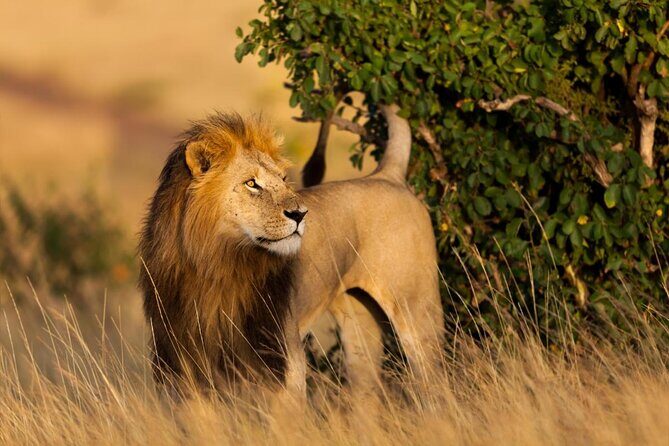
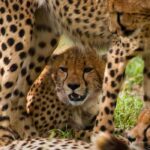
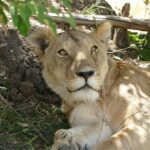
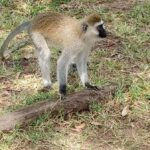
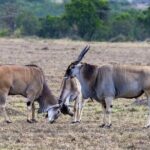
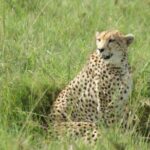
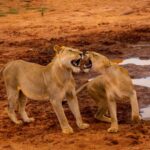
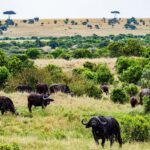
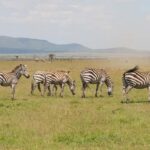
You’ll also get a good mix of wildlife beyond the headline species. Along with the Big Four (lion, leopard, rhino, buffalo), the park has zebras, giraffes, antelopes and gazelles, plus hippos and lots of bird life. That variety matters because wildlife watching is never a guaranteed checklist. A park with many species gives you more ways to have a win, even if one animal takes its time.
The other big plus: this tour is designed for adults and families. If you’re traveling with kids, the pacing tends to work because each stop has a clear purpose—drive, animals, then a focused conservation and culture segment.
You can also read our reviews of more guided tours in Kenya
The safari vehicle setup: pop-up roof spotting is the whole game
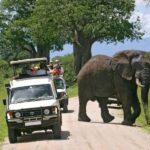
This tour uses a “perfect safari vehicle” with a pop-up roof. Translation: you can sit higher than normal, scan farther, and keep your eyes on the action without craning your neck all day. When you’re looking for animals—especially those that stay in the distance—being able to see over people’s heads is a real advantage.
It’s also a more comfortable way to watch. You’re in a group (maximum 15 travelers), so you’re not lost in a huge crowd, but you’re also not stuck in a private bubble with zero energy. The group size tends to keep things flexible if the guide needs to reposition for a sighting.
You get bottled water, which is simple but useful. Nairobi can feel warm, and game drives mean you’re often focused on what’s ahead, not on hydration. Coffee or tea isn’t included, though, so if caffeine matters to you, plan ahead or grab a drink before pickup.
One more practical point: ask about safe viewing habits when you join the drive. The pop-up roof makes spotting better, but it’s still a moving vehicle with wildlife around you. Your guide’s job is to help you see without doing anything risky.
Stop 1: Nairobi National Park game drive (4 hours, including sunrise vibes)
The main event is a Nairobi National Park game drive. You’ll typically focus on the busiest wildlife hours early, with the chance to catch sunrise and watch animals become more active as light improves. That timing is a big deal in urban parks, because animals often move more noticeably at dawn and early morning.
In the park, you’re working with multiple “search zones.” The savanna grassland and open areas can produce great sightings, while thicker spots might hide the animals until they decide to move. A strong guide helps you know where to point your eyes and when to wait.
Here’s what you can realistically expect to be looking for:
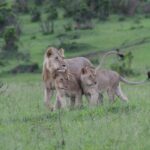
- Big Four opportunities: lion, leopard, rhino, buffalo
- Common sightings that keep the drive interesting: zebras, giraffes, antelopes, gazelles
- Water and birdlife: hippos and a lot of bird species
- The visual bonus: city skyline views from inside the park
The skyline part is not just a fun detail—it changes how you photograph. You’ll get framing that feels unusual compared to classic “wild” safari backdrops. If you like city-meets-nature contrasts, this is one of the rare chances to capture that look without spending extra days traveling out of Nairobi.
A quick drawback to keep in mind: wildlife viewing is wildlife viewing. Even with excellent guiding, you can’t force a leopard to cross the road on schedule. The tour’s value comes from stacking opportunities—enough time in the park, and enough animal variety to keep things moving.
Stop 2: Giraffe Centre and the Rothschild giraffe feeding experience
After the drive, you head to the Giraffe Centre for a conservation-focused stop that feels very different from the park. This is an environmental and conservation organization established to breed the endangered Rothschild giraffe.
What I like about this stop is that it’s not only about seeing animals—it’s about learning why they’re there. The centre’s focus on breeding and care gives you context for what you’re watching and why up-close experiences can still be part of conservation, not just entertainment.
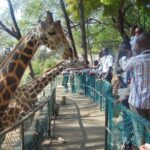
You also get the best part: feeding the giraffes close up, with help from a keeper or guide. That means you’re not guessing how the interaction works. You’re guided through safe, respectful feeding, and you get a real chance to experience the height and calm of these animals from very near.
A couple of things to watch for:
- Plan your time. This is a 2-hour block, so you’ll want to be ready to move between viewing areas and feeding moments without rushing.
- Bring the right attitude. These giraffes are wild animals under human care, so follow staff instructions closely.
If you’re traveling with kids, this is usually the stop that creates the biggest wow. It’s also a great choice for adults because you get to pair a wildlife drive with a conservation mission you can actually explain later.
Stop 3: KOBE TOUGH beads & leather and the Maasai craft stop
The final destination is KOBE TOUGH beads & leather, with about 1 hour on site. This part is included with no entrance fee, which helps keep your overall day from turning into a pile of small “pay extra” moments.
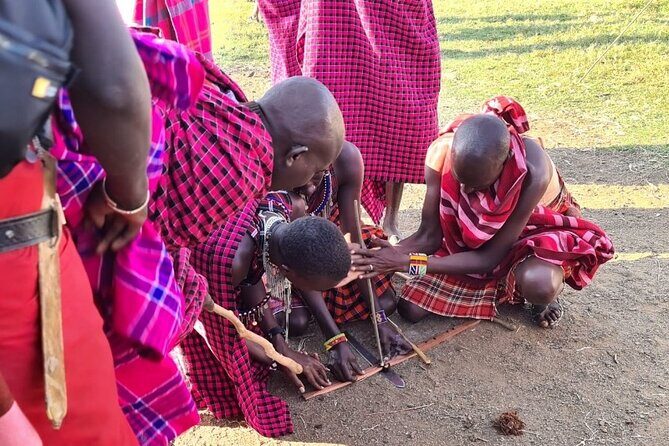
This is where you shift from wildlife to culture and craftsmanship. You’ll learn how beads are made by Maasai women, and you’ll see hand-crafted bead and pottery work in a range of colors and patterns. The point isn’t a long lecture—it’s a chance to slow down and watch how things get made.
Why this works in the middle of a safari day: you’ve spent hours outside scanning and waiting for animals. A craft stop gives your eyes and brain a break, while still staying tied to Kenya in a meaningful way. It’s also a good place to buy a souvenir thoughtfully rather than impulse-buying at the end of a trip.
If you’re the type who likes artisan-made items, bring a little patience. You’ll likely want to look closely, ask questions, and compare pieces—especially because these items often take time and skill to produce.
A few more Kenya tours and experiences worth a look
Timing, what to pack, and how to get the best day
The tour runs about 7 to 8 hours total, structured as roughly 4 hours in Nairobi National Park, 2 hours at the Giraffe Centre, and 1 hour at KOBE TOUGH. The order makes sense: you do the most time-sensitive wildlife viewing first, then shift to indoor-or-controlled interactions.
You should expect an early start for the park drive. Some guides have you leaving before sunrise, and the park opens at 6am. That early timing can feel a little intense at first, especially if you’re not used to dawn outings. But it’s also when you maximize your chances for active animal behavior and calmer viewing.
What to pack:
- A light layer for early morning (even if Nairobi later warms up)
- Sun protection (hat, sunglasses, sunscreen)
- A small bottle of snacks, since coffee and tea aren’t included
- Your camera setup, plus a lens or phone plan that can handle both close and far subjects
Optional add-on note: some guests mention an elephant orphanage stop when arranged on request. That’s not listed as a standard part of the basic flow, so if you care about it, ask your operator before you lock in plans.
One more “day-of” tip: keep your expectations realistic. You’re doing a city safari plus conservation feeding plus craft shopping in a single day. That’s a packed schedule, but it’s also why the tour is such a good value for people short on time.
Price and value: what $60 covers versus what you pay separately
The price is $60 per person, booked on average about 15 days in advance. At first glance, it can feel low for a full day. The reason is clear: the listed price focuses on the vehicle, guide, and the tour experience flow—not the park and centre entrance fees.
Here’s what’s included:
- A safari vehicle with a pop-up roof
- Bottled water
- Professional guide
Here’s what’s not included:
- Nairobi National Park entrance fee (paid online via eCitizen using Visa card)
- Giraffe Centre entrance fee
- Coffee/tea
- Tips/gratuities
- Souvenir photos
- Any personal purchases at KOBE TOUGH (the visit itself is free, but shopping is separate)
That admission-fee structure is important for budgeting. You should plan for those entrance costs before you arrive so you’re not doing last-minute payment stress.
Value-wise, you’re paying for time in a one-of-a-kind park location. Nairobi National Park is the only national park inside Nairobi city limits, and you’re getting Big Four territory in a day. If you had to carve out multiple days to reach wildlife outside Nairobi, the cost and time can climb fast. This tour solves that “I only have a day or two in Nairobi” problem.
Who should book this tour (and who should consider another option)
This tour makes the most sense if you:
- Want a safari experience but don’t have time for long drives
- Like the idea of wildlife in a city setting with skyline views
- Travel with family and want a mix of animals plus conservation plus culture
- Prefer a structured day with a guide who knows where to position for sightings
It’s also a great pick if you enjoy hands-on moments. The giraffe feeding is one of those activities that feels personal and memorable because you’re close enough to feel how gentle and calm the giraffes can be.
Who might want to look elsewhere:
- If you’re chasing a long, countryside safari with fewer time blocks, this schedule may feel short on game drive time.
- If you hate early mornings, the sunrise-style park timing may be hard to adjust to.
- If you’re strict about having coffee or tea included, you’ll need to budget for it since it’s not part of the package.
Should you book the Nairobi National Park and Giraffe Centre tour?
I think you should book this tour if you’re visiting Nairobi and want a safari day that’s both efficient and genuinely enjoyable. The combination works: wildlife in Nairobi National Park, close-up conservation at the Giraffe Centre, then a culture stop at KOBE TOUGH where you can see Maasai bead and pottery craftsmanship up close.
The biggest reason to choose it is simple: you get a high-value wildlife experience without the “lost time” of traveling far out of town. Add in a pop-up roof vehicle and guides like Douglas (easy-going, patient, and good at finding animals), and you’ve got a day that feels well run rather than rushed.
If you’re on the fence, do this quick checklist: can you handle an early start, and can you budget for park and centre entrance fees? If yes, this is a strong way to see Kenya’s animals and conservation story in one day.
FAQ
How long is the Nairobi National Park and Giraffe Centre guided safari tour?
The tour runs about 7 to 8 hours.
Is pickup offered?
Yes, pickup is offered.
What is included in the tour price?
The tour includes a safari vehicle with a pop-up roof, bottled water, and a professional guide.
Are the Nairobi National Park and Giraffe Centre entrance fees included?
No. Entrance fees for Nairobi National Park and the Giraffe Centre are not included.
How do you pay for the Nairobi National Park entrance fee?
It’s paid online via eCitizen using a Visa card.
Is KOBE TOUGH beads & leather entrance free?
Yes, the KOBE TOUGH beads & leather entrance fee is listed as free.
How big is the group?
The maximum group size is 15 travelers.
What is the cancellation policy?
You can cancel for a full refund up to 24 hours in advance. If you cancel less than 24 hours before the experience starts, the amount paid is not refunded.