REVIEW · KENYA
From Nairobi: Masai Mara 3-day Camping Safari by Jeep
Book on GetYourGuide →Operated by GRACEPATT SAFARIS · Bookable on GetYourGuide
Big cats are closer than you think. This 3-day trip into Masai Mara pairs open-top game drives with camping at Lenchada Tourist Camp, starting with pickup in Nairobi. You’ll ride out into the plains early enough to catch wildlife in motion, then spend the nights in camp with meals handled for you.
What I like most is the open-top 4×4 Land Cruiser with a pop-up roof, which gives you real sightlines (and better photo angles) when animals step close. I also like that 3 meals per day are included, so you’re not constantly figuring out food after long drives. The big drawback to plan for: the price doesn’t include Masai Mara park entrance fees, which jump a lot depending on the season.
In This Review
- Key Points at a Glance
- From Nairobi to Maasai Mara: Great Valley Viewpoint and First Game Drive
- The Vehicle That Makes or Breaks Safari Sightings
- Day 2 in the Mara: Full-Day Game Drive and Mara River Hippos
- Lenchada Tourist Camp: Camping Nights, Real Meals, and Early Starts
- Day 3 Back to Nairobi: Breakfast, Checkout, and a Change of Pace
- Price and Logistics: What the $285 Really Covers
- Who This Safari Suits Best (and Who Might Want Something Else)
- Should You Book This Masai Mara 3-Day Camping Safari?
- FAQ
- What’s included in the tour price?
- Are Masai Mara park entrance fees included?
- What animals can I expect to see?
- What time on the schedule is best for wildlife?
- Is the hot air balloon included?
- Is the Maasai village visit included?
- What’s the duration and how does it end?
Key Points at a Glance
- Open-top 4×4 Land Cruiser with pop-up roof for wide viewing on game drives
- Lenchada Tourist Camp (or similar) for a classic camping-safari feel
- Full-day Mara game drive plus extra chances for hippos around the Mara River
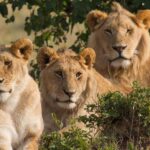
- Big 5 focus with the rolling Mara plains as the main stage
- 3 meals per day plus water so you can travel light
From Nairobi to Maasai Mara: Great Valley Viewpoint and First Game Drive
Your safari starts in Nairobi with pickup within the city. From there you drive toward Masai Mara, making a stop at the Great Valley Viewpoint if conditions allow. It’s a simple break, but it matters. Long drives can blur together when you’re stuck in a vehicle; a viewpoint stop gives you a reset and a first feel for the scale of Kenya’s central valleys.
Once you reach the Mara area, you check in at Lenchada Tourist Camp (or similar). You’ll arrive in time for lunch, then the schedule turns into “get out there” mode with a game drive later in the day. This first drive is your warm-up. Don’t expect every sighting to happen on Day 1, but you’ll start recognizing the rhythm of the park: animals using edges, water sources pulling wildlife in, and predators moving where prey travels.
This is also where the camping format starts to pay off. You’re not commuting back and forth from a city hotel. You’re there on the ground, which is exactly how safaris work best. The earlier you settle into the routine—vehicle, tracks, sightings, camp meals—the more you feel like you’re part of the Mara day.
One practical note: you’ll be in a shared group, so the pace is guided by the group schedule. That’s normal for this style of safari. If you’re hoping for a super-custom private itinerary, this isn’t advertised that way—this is built for group touring.
A few more Kenya tours and experiences worth a look
The Vehicle That Makes or Breaks Safari Sightings
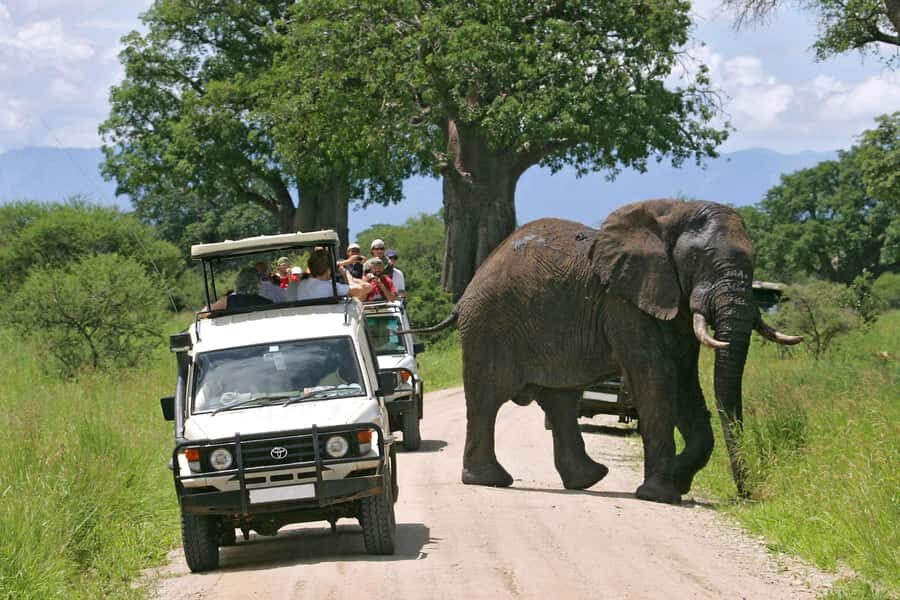
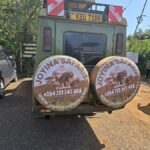
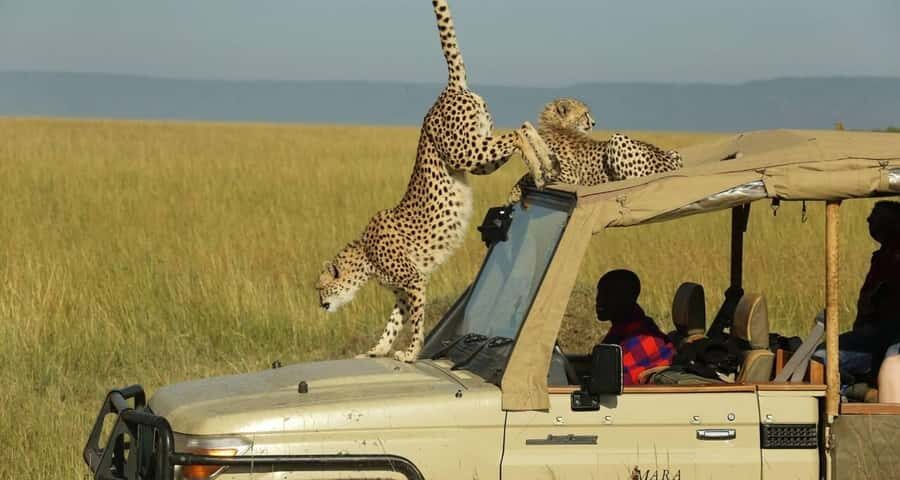
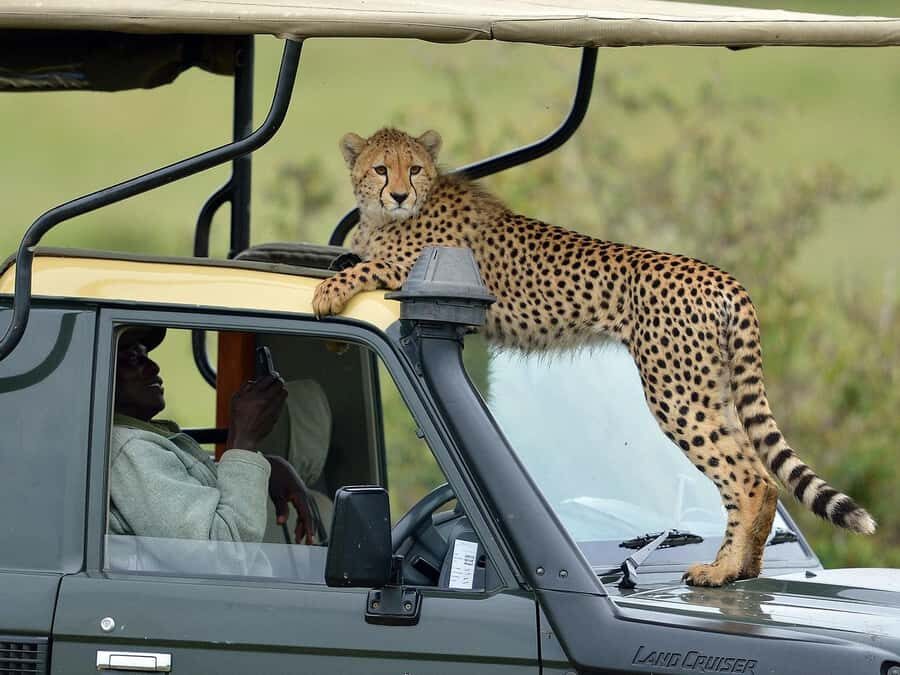
The transport is a 4×4 Land Cruiser with a pop-up roof. That detail is more important than it sounds. On many safaris, you’re stuck behind a fixed window line. With a pop-up roof, you can get your head higher, your sightline clearer, and your photos more consistent when animals pop into view close to the track.
The open-top design also affects how you experience the park. You’ll hear the game drive world better—birds, distant calls, and that constant “something might happen” energy that builds when you’re moving slowly across open plains. It’s not a theme park, and it’s not a guaranteed parade of lions. But it does make the viewing feel immediate.
Your professional guide is responsible for spotting opportunities and steering you toward likely areas. That doesn’t mean you can control what you see, because wildlife follows its own plan. Still, a good guide helps you spend time where sightings are more likely—water edges for hippos, open grass for big herds, and calmer stretches where predators might hunt or rest.
Also, plan for the physical side. Even with a strong viewing vehicle, game drives can mean long stretches seated in the same general position. Bring what keeps you comfortable: a light layer for early mornings, something to block dust, and anything you need to stay hydrated. Good news: you’re provided a bottle of drinking water during the safari, which helps.
Day 2 in the Mara: Full-Day Game Drive and Mara River Hippos
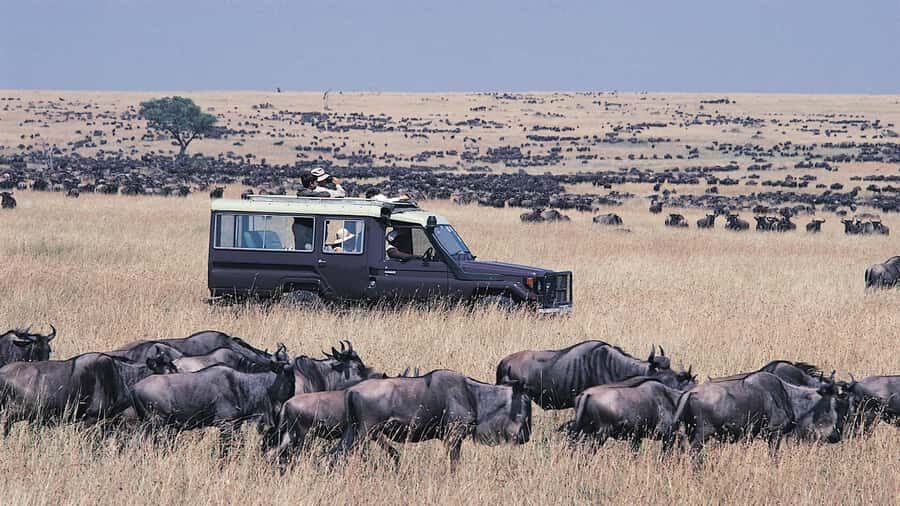
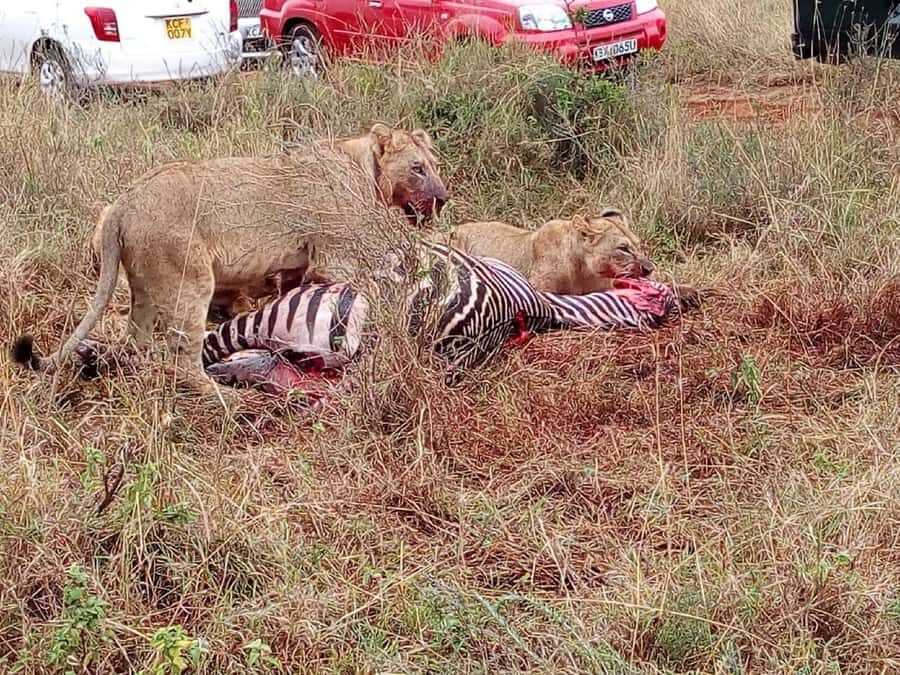
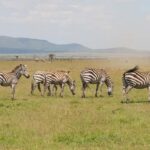
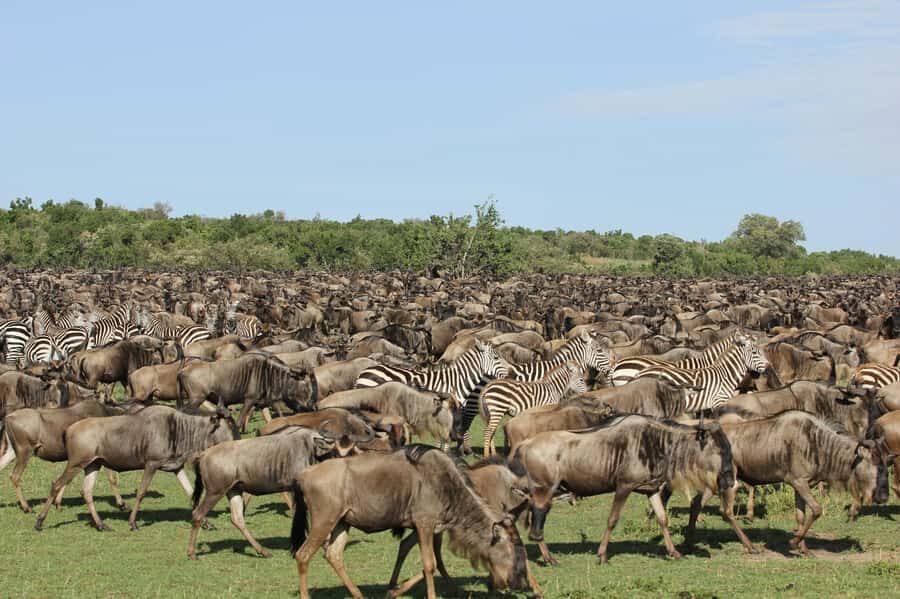
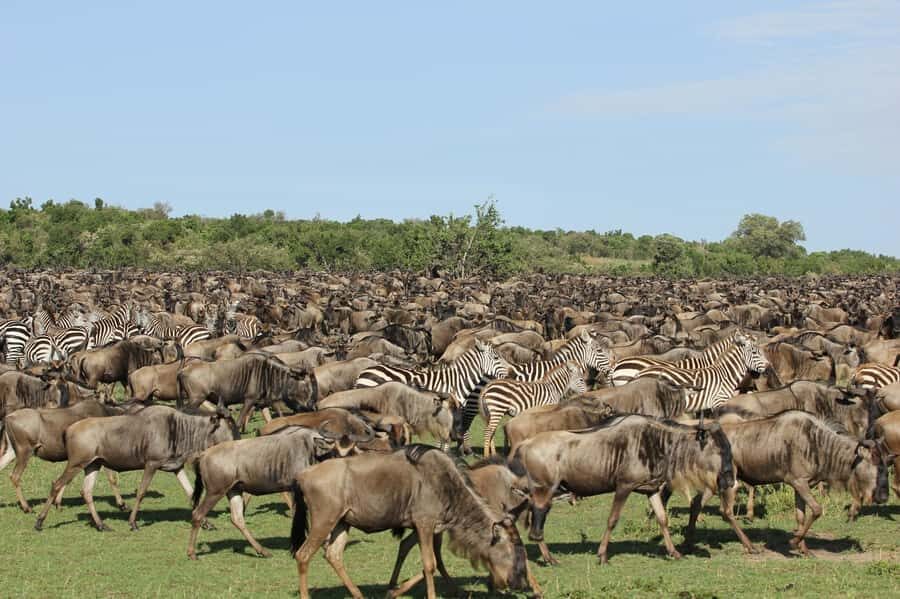
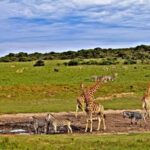
Day 2 is your heavy viewing day: a full-day game drive through the rolling grass of the Mara. This is where Masai Mara earns its reputation. The plains draw massive wildlife movement, and the schedule is designed so you’re not just doing a quick loop. You’re out long enough to catch changes in animal behavior across the day—morning activity, midday resting, and late-day repositioning.
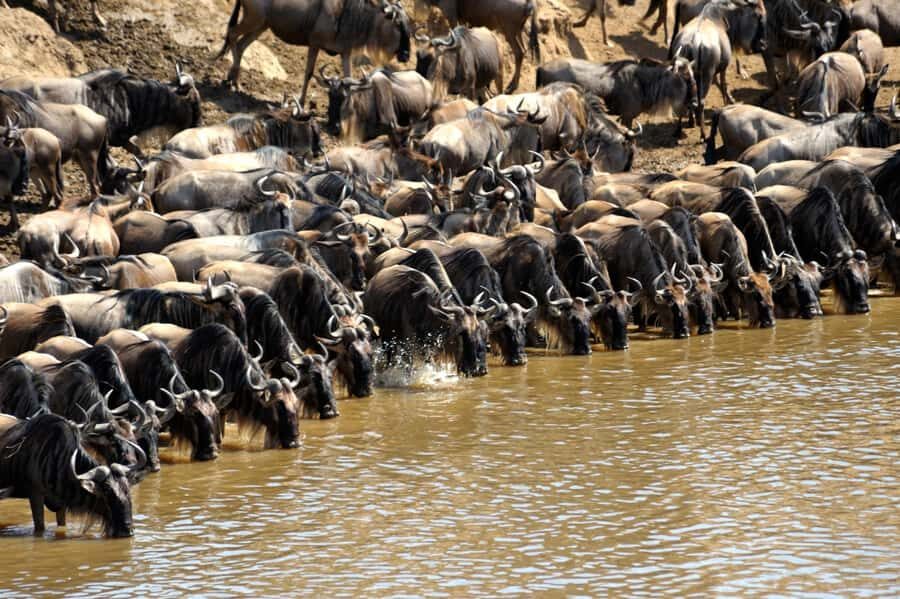
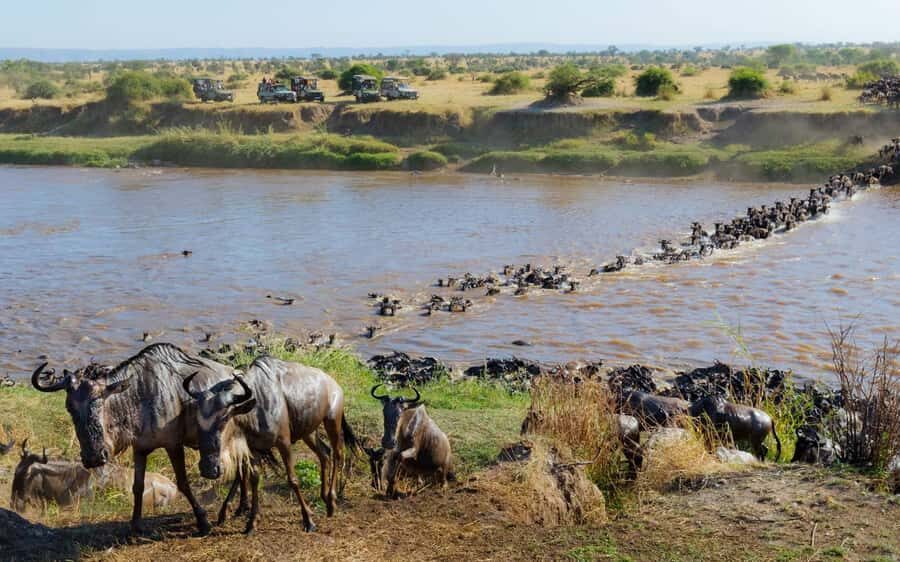
The itinerary highlights wildebeest (often called gnus) and the larger migration story connecting the region to Serengeti in Tanzania. Whether you catch a dramatic migration moment or more scattered grazing groups, the point is the same: prey is abundant, and predators respond.
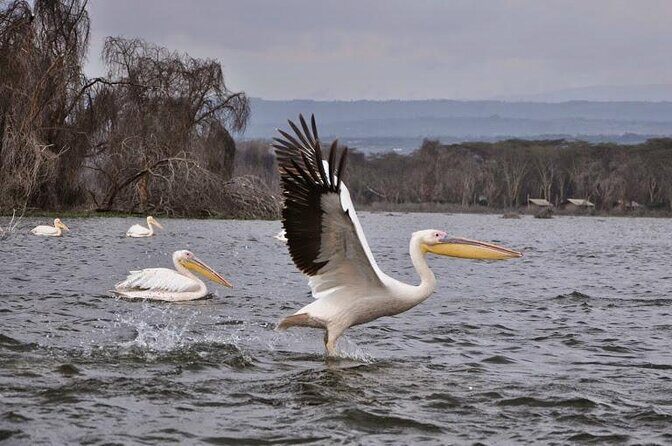
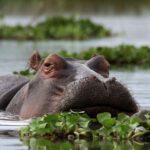
From there, you’ll head to the banks of the Mara River to try to spot hippos. This is a smart plan. Hippos are tied to water, so a river stop gives you a higher chance of seeing them where they spend their time. Even when you’re not getting perfect sightings, river areas tend to concentrate wildlife and provide more predictable chances than purely open-prairie scans.
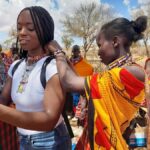
You also have an option to visit a Maasai village to learn about traditional culture. The cost for the visit is listed separately, so it’s a true add-on decision rather than something you’re forced into. If you’re interested in culture and not only animals, it’s worth considering—just go in with the mindset that you’re visiting living communities, not collecting souvenirs.
Back at camp at the end of Day 2, dinner and overnight continue at Lenchada Tourist Camp (or similar). You’ll be tired in a satisfying way: boots dusty, camera charged, and your brain full of tracks and sightings. Camp is where the day lands.
Lenchada Tourist Camp: Camping Nights, Real Meals, and Early Starts
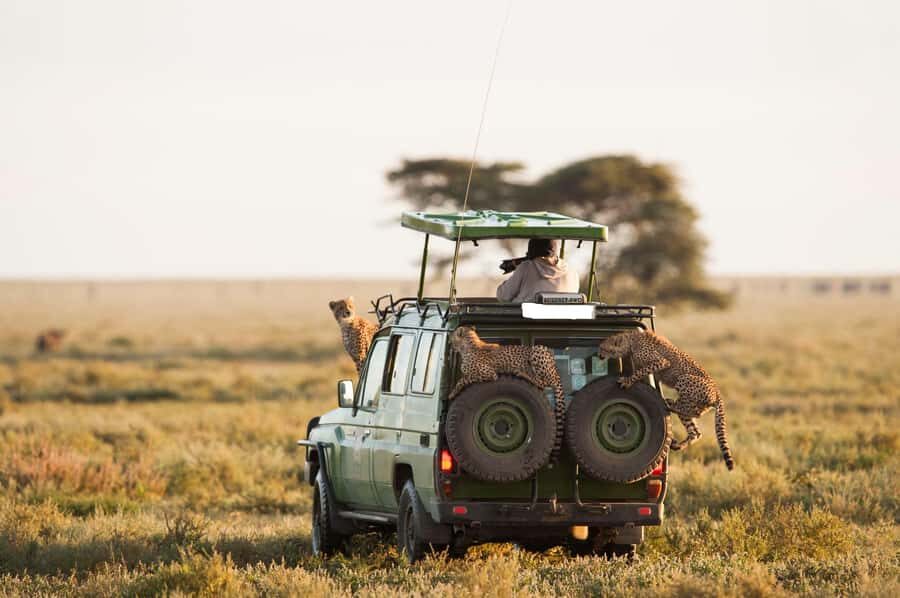
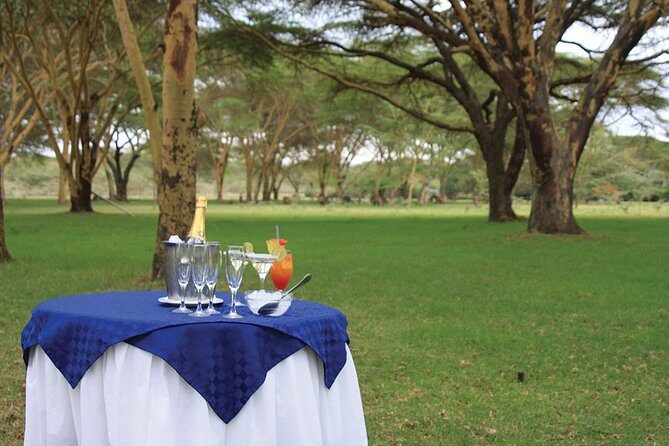
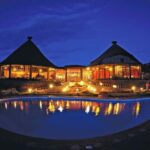
You sleep at Lenchada Tourist Camp (or similar), not in a city hotel. That means you’re trading polished comfort for safari atmosphere. The goal here isn’t luxury; it’s being close to the park routine so you can spend your limited time on roads that actually matter—those inside the Masai Mara viewing areas.
What’s included helps you feel settled. You get 3 meals per day during the safari, which is a big deal when you’re spending a lot of the day on the road. When meals aren’t included, you end up searching for food right when you’d rather be out looking for animals. Here, you’re fed as part of the flow of the day.
Another small but important inclusion is a bottle of drinking water. It’s easy to underestimate how much hydration and basic drinking water matter out in the Mara heat and dust, especially across multiple game drives.
At night, camping also changes your relationship with time. You’ll likely want to get some rest because Day 3 begins with an early African breakfast. Safaris often feel like a schedule, but camp is what keeps the schedule human. You’re not sleeping in tents far away from the action—you’re sleeping as part of the itinerary, so your morning doesn’t start with chaos.
One thing to watch: the trip notes drinks and alcohol are not included. If you like a cold drink at camp, budget for it separately. If you don’t, you can keep things simple and just enjoy the included water and meals.
Day 3 Back to Nairobi: Breakfast, Checkout, and a Change of Pace
Day 3 is shorter and more travel-focused. You start with a morning African breakfast, then you check out from camp. After breakfast, you head back toward Nairobi and you’re back in the afternoon. The tour includes drop-off at your hotel or at the airport, depending on your needs.
This final day is a bit of a mood shift. Overnight in the park makes you forget that Nairobi is a normal city with normal traffic and normal noise. As you drive out, you’ll start noticing how the trip compresses your senses. You go from tracking animals to tracking roads and timing.
Still, Day 3 is useful. You’re not stuck with a pointless extra game drive on your last morning. Instead, you get a clean ending: breakfast, checkout, and a straightforward return.
If you’re catching a flight, plan it with margin. The itinerary says arrival in the afternoon, but road time can vary. The safest move is to avoid super-tight connections.
A few more Kenya tours and experiences worth a look
Price and Logistics: What the $285 Really Covers
The headline price is $285 per person for a 3-day camping safari. That includes a lot of the parts that usually add friction: pickup and drop-off within Nairobi, transport in a 4×4 Land Cruiser with pop-up roof, accommodation at Lenchada Tourist Camp (or similar), and 3 meals per day. You also get a professional guide and a bottle of drinking water.
Where the value equation changes is the part that’s not included: Masai Mara park entrance fees. The cost depends on the months:
- January to June: USD 200 per person, with 2 entrances
- July to December: USD 400 per person, with 2 entrances
That means your all-in safari cost can rise quickly. If you’re traveling in the high-season months (July–December), the park fees alone can be almost double the tour price. The important thing is not to avoid it, but to budget correctly so there are no surprises at checkout.
Options can also add cost. The hot air balloon ride is listed at USD 540 per person. The Maasai village visit is USD 20 per person. Drinks and alcohol are not included, so if you’re used to paying for beverages at fixed hotel menus, keep the safari reality in mind: you may pay extra.
One more logistics consideration: you’re joining a group. Group travel works well when operations run smoothly—everyone gets the same guide, the same vehicle schedule, and the same day structure. A recent negative booking experience mentioned that a component was skipped and the refund didn’t happen as expected. That’s not something I can ignore. My advice: confirm pickup details clearly before you travel, and double-check that your Day 1–Day 3 schedule matches what you booked.
Who This Safari Suits Best (and Who Might Want Something Else)
This Masai Mara 3-day camping safari is a strong fit if you want a classic, efficient safari format:
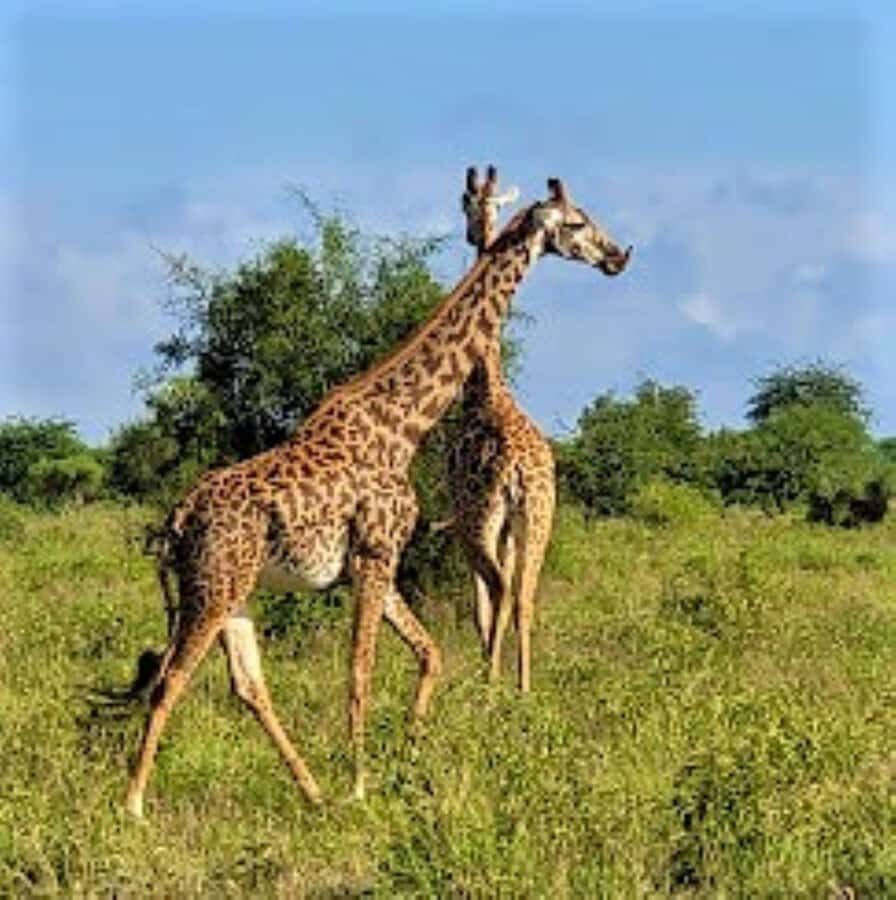
- You want to see major wildlife targets like the Big Five and also the everyday Mara abundance (like wildebeest).
- You prefer guided viewing rather than self-driving.
- You’re okay with camping-style lodging and long game-drive days.
- You want food handled so you can focus on sightings.
It’s also a good option if you’re short on time. Three days gives you a realistic “entry, viewing, viewing, exit” rhythm without stretching your whole trip.
It may not be the best match if you’re picky about room comfort, because “camp” is part of the deal here. It also may not work if you strongly dislike group schedules or you need a perfectly flexible, private itinerary.
Finally, if you’re planning a balloon ride, remember that it’s an optional extra. It can be a bucket-list add-on, but you’ll want to decide early so you’re not doing surprise budgeting later.
Should You Book This Masai Mara 3-Day Camping Safari?
I’d book it if you’re looking for a straightforward Masai Mara experience with the right foundations: 4×4 transport with pop-up roof, a full day of game drive time, and 3 meals per day while staying at Lenchada Tourist Camp. The overall value is strongest when you travel in a season where park fees are manageable for your budget, and when you’re comfortable with group logistics.
I’d hesitate only if park fees (based on your travel months) would push your total cost beyond what you’re comfortable paying. And because one recent account raised a concern about a skipped tour component, I’d also take 10 minutes to confirm pickup and inclusions before you go. Simple checks can save stress.
If you want a practical safari that does the essentials well—sightings, guiding, and time on the plains—this is a solid way to experience Masai Mara in just three days.
FAQ
What’s included in the tour price?
Pickup and drop-off within Nairobi, transport in a 4×4 Land Cruiser with a pop-up roof, accommodation at Lenchada Tourist Camp or similar, 3 meals per day during the safari, a professional guide, and a bottle of drinking water.
Are Masai Mara park entrance fees included?
No. Park entrance fees are not included. They’re listed as USD 200 per person for January–June and USD 400 per person for July–December, and they apply for 2 entrances.
What animals can I expect to see?
The tour is designed around Big Five viewing at Masai Mara. You’ll also focus on other plains game such as wildebeest, and you’ll try to spot hippos at the Mara River.
What time on the schedule is best for wildlife?
Day 2 is the best viewing block because it’s a full day of game driving across the Mara plains, with a stop at the Mara River.
Is the hot air balloon included?
No. A hot air balloon safari ride is listed as an option for USD 540 per person.
Is the Maasai village visit included?
No. Visiting a Maasai village is an optional add-on listed at USD 20 per person.
What’s the duration and how does it end?
It’s a 3-day safari. On Day 3, you have breakfast, check out, travel back to Nairobi, and you’ll be dropped off at your hotel or the airport in the afternoon.