REVIEW · KENYA
Coffee Farm Tour (Fairview)
Book on GetYourGuide →Operated by MICHOORE TOURS & TRAVEL · Bookable on GetYourGuide
Coffee grows fast here. Fairview Coffee Estate is a working farm in Kiambu, Central Kenya, at about 1,750 meters, and the tour gives you a clear view of how it all comes together. I especially like that you learn the full coffee cycle while walking through real fields, not just watching slides.
I also like the hands-on tasting format, where you sample multiple coffee grades and compare flavors side by side. On the farm, guides like Elvis, James, and Raimund have a reputation for guiding you through planting, picking, grading, and processing, and even setting up a blind-style taste test using the four coffee varieties.
One catch to plan for: the listed tour price is $39, but the $30 coffee farm entrance fee is not included. Budget closer to $69 per person before any coffee purchases, and it’s worth checking whether the farm shop is actively roasting that day.
In This Review
- Quick hits from the Fairview Coffee Farm Tour
- Where Fairview Coffee Estate fits on your Nairobi itinerary
- Pickup and timing: what 3 hours really means
- On the farm: coffee cultivation from flowers to cherries
- Coffee processing in real life: grading, cleaning, and roasting
- The tasting: four coffee grades, a blind-style comparison, then your perfect cup
- What to buy at the farm shop (and what those options mean)
- Value check: is $39 worth it once the $30 entrance fee hits?
- Who this Fairview coffee tour is best for
- Should you book the Coffee Farm Tour (Fairview)?
Quick hits from the Fairview Coffee Farm Tour
- A near-Nairobi coffee escape: Central Highlands air, cooler temps at ~1,750 m, and easy access from Nairobi.
- Walk the farm, then connect the steps: coffee flowers, cherries, picking, grading, cleaning, and roasting.
- Tasting with real comparison: you sample four different coffee grades/variations and learn how the process changes flavor.
- Drink a proper cup on-site: you get to taste coffee made for the group, not just nibble samples.
- Pro guide + private group feel: hotel pickup, a professional guide on the farm, and a smaller, more personal experience.
- Buy coffee, or take it home: the farm shop offers roasted coffee packages in multiple roast styles.
Where Fairview Coffee Estate fits on your Nairobi itinerary
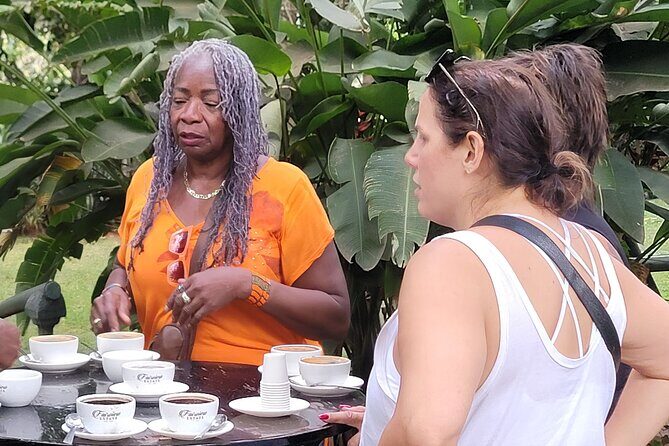
Fairview Coffee Estate sits in Kiambu in Kenya’s Central Highlands, the zone many people link with top-quality coffee. The altitude (about 1,750 meters) matters because cooler growing conditions can shape slow, even development in coffee plants, which often affects the cup’s balance.
The big practical win for you is that this is a half-day style plan: you’re based in Nairobi, then you travel out to the estate for a focused farm experience. You get enough time to understand what’s happening without turning the day into a long haul.
A few more Kenya tours and experiences worth a look
Pickup and timing: what 3 hours really means
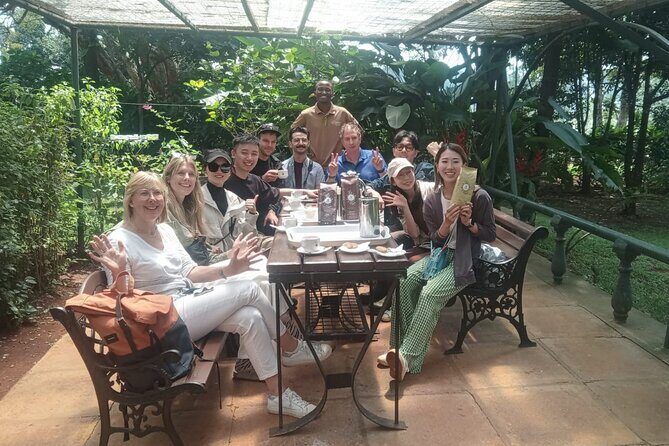
This tour runs in two daily time blocks: 10:00 a.m.–12:00 p.m. and 2:00 p.m.–4:00 p.m. The total experience is listed as 3 hours, which usually means you’ll spend about 2 hours on the farm plus the rest for pickup and drop-off.
I like that it’s structured. You don’t have to guess when to arrive at the estate, and you’re not stuck waiting around in Nairobi traffic alone. Your pickup is from your Nairobi hotel, and you’re asked to wait in the lobby about 10 minutes before the scheduled pickup time, looking out for a silver Honda Airwave.
Because it’s a private group, the driver and guide can match the pace to your questions. Several guide stories point to the same pattern: you’ll get conversation during the ride, then a more tailored coffee explanation on the farm.
On the farm: coffee cultivation from flowers to cherries
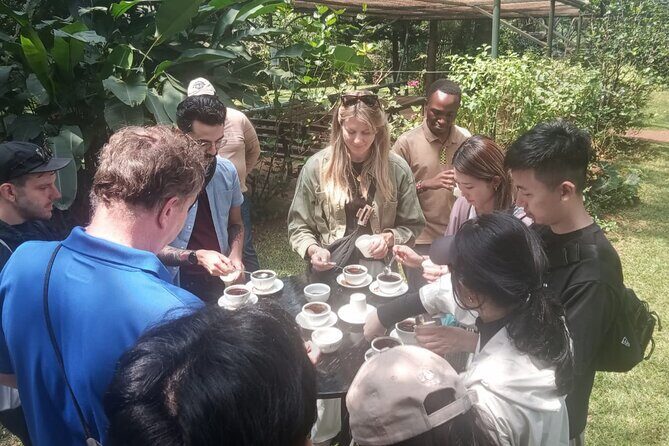
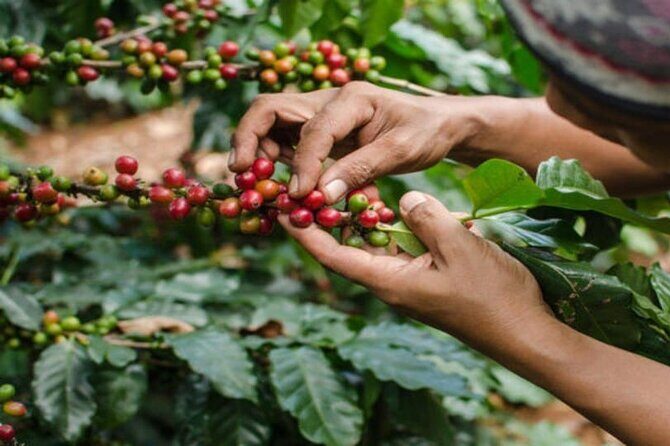
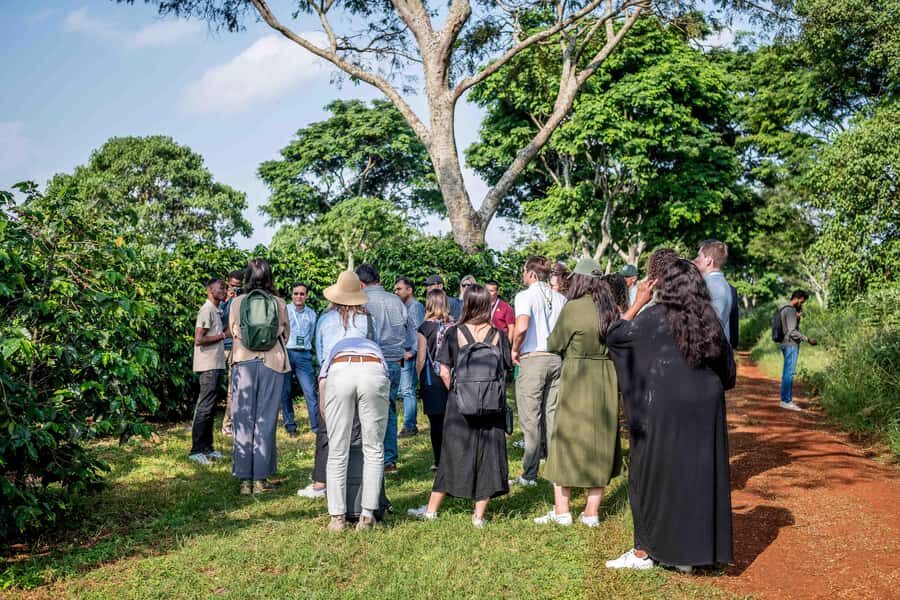
On Fairview, the walking part is not just scenery. You’re guided through coffee cultivation as a real cycle, from budding flowers to the development of ripe cherries. That makes a huge difference in how you understand what you taste later.
Here’s what I think you’ll get from this part of the tour:
- You’ll see how cherries form and how ripeness matters, since picking timing affects flavor.
- You’ll learn what the farm looks for when moving from flowering to harvesting.
- If conditions allow, you may even get a chance to pick ripe berries/cherries, which turns the learning into something you can remember.
Guides such as Elvis and James were highlighted for patience and clear explanations, including the practical side of what happens to coffee plants over time. If you’re traveling with kids, one account described how a younger visitor stayed engaged while learning about plants and coffee growth, which is a nice signal that the tour can be explained in plain language.
Practical note: wear closed shoes. Farms are dusty, and you may deal with mud or uneven ground.
Coffee processing in real life: grading, cleaning, and roasting
The processing segment is where the tour earns its keep. You don’t just hear the word processing. You see the steps that turn harvested cherries into something you can brew.
From what’s described, you’ll cover the typical workflow:
- processing steps that transform raw beans into market-ready coffee,
- grading and selection (because not all beans end up tasting the same),
- and roasting as the final step that brings aroma and flavor to life.
One of the best signals from the guide feedback is that people left feeling they could connect the dots. A blind-style tasting where most participants didn’t pick the same result is also a good clue: the processing differences are real, and the tour gives you a reason to pay attention instead of just taking coffee as a “flavor” with no story.
Some days include farm-shop roasting activity in view, which adds to the sense that this is a working operation. Still, you should plan for the possibility that shop operations can be affected by equipment issues. If you’re counting on buying that exact roasted batch, it’s smart to check on-site whether the shop is open.
The tasting: four coffee grades, a blind-style comparison, then your perfect cup
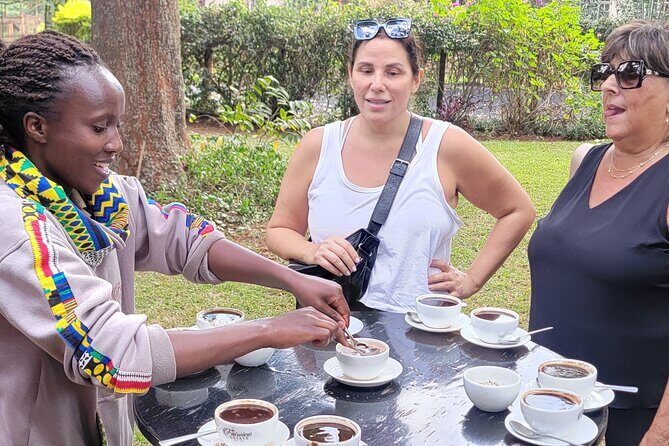
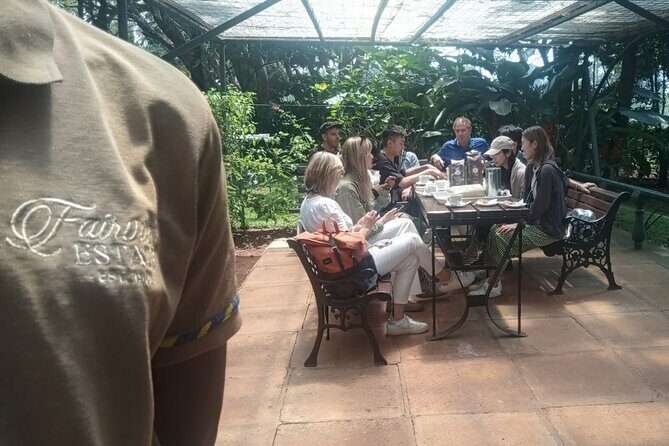
The tasting portion is the moment most people remember, and for good reason. The tour doesn’t just offer one coffee and call it a day. You sample four different coffee types/grades, which lets you compare how roast and processing choices shift the cup.
If you like nerdy food experiences, this part works. One account mentioned a blind test where even strong tasters disagreed, which shows you how subtle the differences can be. Another theme in the feedback: you get encouraged to explore your own preferences rather than being told there’s one “correct” cup.
At the end, you also get to taste and drink the coffee you’ve been learning about. That’s more useful than you’d think. When you know what you just learned about picking and processing, the flavor becomes easier to describe back in your own kitchen.






What to buy at the farm shop (and what those options mean)
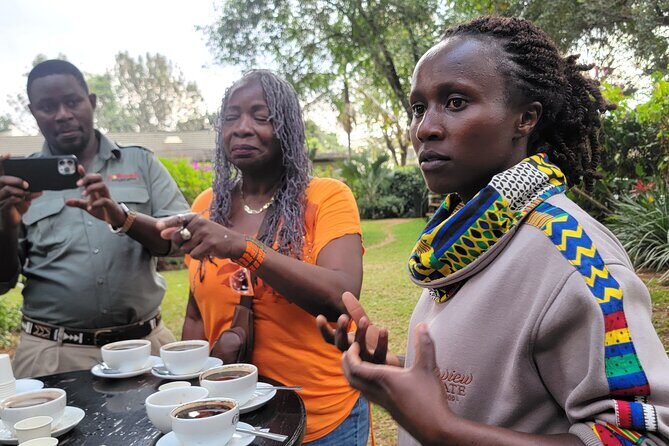
You’ll have time to buy coffee from the farm shop. The experience is designed so you can leave with something you now understand, not just a souvenir bag.
Coffee packages listed for sale include:
- Medium roast, 500 grams (Ksh 1200)
- Dark roast, 500 grams (Ksh 1200)
- Kaldi roast, 500 grams (Ksh 1800)
If you’re trying to decide what to buy, I’d match your purchase to what you actually enjoyed during the tasting. If you liked a brighter profile, medium roast often makes sense. If you prefer heavier, smoky notes, dark roast tends to fit. If the guide gave you a specific preference on Kaldi roast, that’s your cue to try it.
Also, many tours like this add a small extra at the end. Here, there are gifts from the coffee farm, which is a nice bonus that makes the trip feel more than just a transaction.
Value check: is $39 worth it once the $30 entrance fee hits?
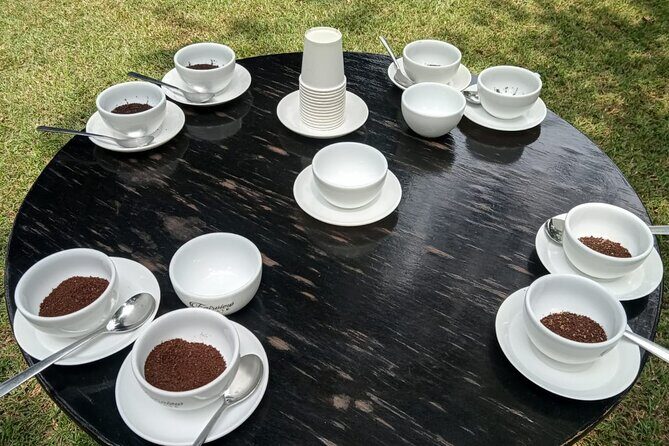
Let’s do the honest math. The tour price is $39 per person, and the coffee farm entrance fee is $30 USD per person not included. So your real baseline cost is $69 per person, before any coffee purchases.
What you get for that money:
- a professional tour guide on the farm,
- hotel pickup and drop-off in Nairobi,
- private transportation,
- and bottled mineral water.
For value, the big question is whether the guided farm education plus tasting is what you want more than a self-guided visit. If you’re the type who enjoys food craft—coffee farming, processing, and tasting—then paying for the guide makes sense. If you only want pretty scenery and a quick sip, the added entrance cost may feel heavy.
There’s another angle: you’re not paying just for coffee. You’re paying for interpretation. People consistently highlighted guides who took time for questions and who made processing make sense, including during the tasting comparison.
Who this Fairview coffee tour is best for
This is a strong fit if:
- you love coffee and want to understand what changes the cup,
- you enjoy guided tastings and comparisons,
- you’d rather get a curated explanation than reading about coffee later,
- you want a half-day plan that breaks up Nairobi time.
It’s also a good option for people who want a smoother day. Private transportation and pickup reduce hassle, especially if you don’t want to coordinate a taxi and then handle entrance logistics yourself.
It’s listed as wheelchair accessible, which is helpful if you need that kind of flexibility. Still, you should plan for the general reality of a working farm surface, since accessibility depends on the path and ground conditions.
Should you book the Coffee Farm Tour (Fairview)?
Book it if you want a guided, structured coffee education near Nairobi, with multiple coffee tastings and a real farm walk. The $39 price alone is only part of the story; once you add the $30 entrance fee, you’re paying for an experience built around understanding and comparing coffees, not just sampling.
I’d hesitate if:
- you’re mostly looking for a quick photo stop,
- your budget is tight and you’d rather spend money on coffee you already love at home,
- or you’re traveling specifically for the farm shop roasting moment and worry it might not be operating that day.
If coffee is a real interest for you, this is one of the more satisfying ways to spend a half day around Nairobi: you leave knowing what those flavors mean, and you can buy beans that match what you tasted.