REVIEW · KENYA
From Mombasa/Mtwapa/Diani/Tiwi: Tsavo East Full-Day Safari
Book on GetYourGuide →Operated by Explore PhotoTrip · Bookable on GetYourGuide
Tsavo East hits different when you only have a day. This full-day safari is a long coast-to-park push, then a focused day of game drives in one of Kenya’s biggest wildlife areas, including the famous Red Elephants dust baths. It’s the kind of outing where timing, comfort, and expectations matter almost as much as the animals.
I like two things a lot. First, you get two separate wildlife-viewing sessions in Tsavo East, which boosts your odds of seeing more than one highlight. Second, the guides put effort into making stops count—names you’ll hear in this circuit include Musa, Juma, and Beka, and the common thread is helping you spot animals and get photos.
The main drawback is the day isn’t short, and comfort can be a factor. Expect a long drive and heat, and some vehicles may not have air conditioning—so bring the right clothes and be ready for a sweaty ride back after the park time.
In This Review
- Key things that make this safari worth your time
- Getting From the Coast to Tsavo East: Time, Heat, and Why It Matters
- Pickup in Mombasa/Shanzu/Mtwapa/Diani/Tiwi: Don’t Be Late
- The Breakfast Stop Before Park Entry: A Quick Reset
- First Game Drive Session: Your Best Shot at Big Wildlife
- Guided Notes That Make You See More: Musa, Juma, Beka Style
- Lunch Break: Refuel in the Middle of the Day
- Second Game Drive Session: Shorter, but Often Productive
- Park Entry Fees and the Real Cost of the Day
- Comfort and Practical Packing: Make the Heat Work for You
- Who Should Book This Safari, and Who Should Skip It
- Should You Book the Tsavo East Full-Day Safari?
- FAQ
- What’s the duration of the Tsavo East full-day safari?
- Where do pickups and drop-offs happen?
- What’s included in the price?
- Are park entry fees included?
- Is lunch included?
- What should I bring?
- Is the safari suitable for pregnant women?
Key things that make this safari worth your time
- Two game-drive blocks for more than one chance at wildlife sightings
- Red Elephants and their rust-coloured dust-bath behavior in Tsavo East
- Early-day timing that helps you see more before the hottest hours
- Photo-minded guiding, with frequent stopping when animals appear
- Coast pickup options (Mombasa, Shanzu, Mtwapa, Diani Beach, Tiwi)
- A real in-the-bush meal break, with lunch during the middle of the day
Getting From the Coast to Tsavo East: Time, Heat, and Why It Matters
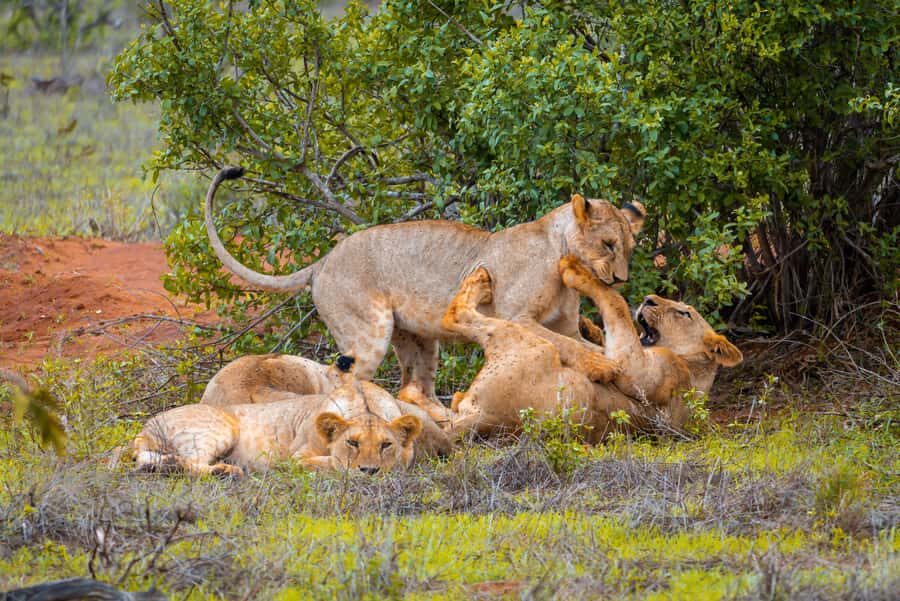
This is a 10-hour day, built around getting you from the coast to Tsavo East and back. From Mombasa, Mtwapa, Diani, or nearby areas like Kilifi and Malindi (depending on where you’re staying), the drive to the park is usually around 3 to 3.5 hours. That sounds straightforward on paper, but it changes how you should pack and plan your expectations.
Start thinking of this as two different environments: the first is the trip out, usually in early light; the second is the park itself, where the heat and dust are real. You’ll also ride in a shared van. That’s good for value, but it also means you should expect practical comfort rather than luxury.
I’d plan your “mental gear” around this: the animals are the payoff, but your experience depends on your attitude toward a long day. If you’re the type who gets cranky on hot, bumpy rides, prepare for it. If you can treat the journey as part of the safari story—seeing how the coast life transitions into bush country—you’ll have a better time.
One small but important detail: water is included in the van (drinking water), which helps you stay comfortable during the drive. Still, it’s smart to bring your own extras too, especially if you’re picky about temperature and hydration.
A few more Kenya tours and experiences worth a look
Pickup in Mombasa/Shanzu/Mtwapa/Diani/Tiwi: Don’t Be Late
This safari uses pickup and drop-off points along the coast. Pickup options include Mombasa, Shanzu, Mtwapa, Diani Beach, and Tiwi. You’ll wait in the hotel lobby about 10 minutes before your scheduled pickup time, which is classic safari punctuality—more “field time” than “city time.”
Why I care about this? Because your day has a tight rhythm: breakfast break, park entry, then game drives. If you miss the pickup window, you don’t just lose time—you can throw off the whole flow of the day.
After the safari, drop-off happens back at the same general coastline options, including Mtwapa, Diani Beach, Mombasa, Shanzu, and Tiwi. So the logistics are simple: you’re not transferring all day between different vehicles.
The Breakfast Stop Before Park Entry: A Quick Reset
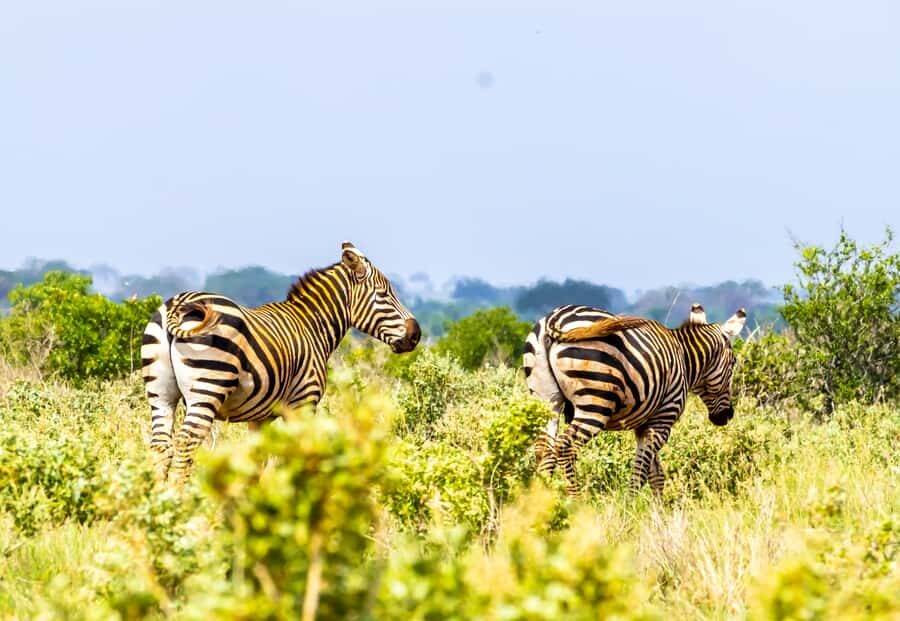
Right before you go into Tsavo East, you’ll have a short stop for breakfast and washrooms. The timing is practical: there’s a quick break (about 15 minutes mentioned for the stopover), and the overall breakfast window is about 30 minutes.
This is one of those details that can make or break your day. In a full-day safari, you’ll sit a lot, you’ll be in the sun, and you’ll be outside on uneven ground. A bathroom stop and a real bit of food before the park helps you stay patient during wildlife waiting time—which is inevitable.
Pack for the “in-between” moment too. The day starts early and you’ll likely go from cool-ish travel temps to hot sun quickly. A sun hat, sunglasses, and sunscreen aren’t optional here, they’re how you keep enjoying the drive rather than counting the minutes.
First Game Drive Session: Your Best Shot at Big Wildlife
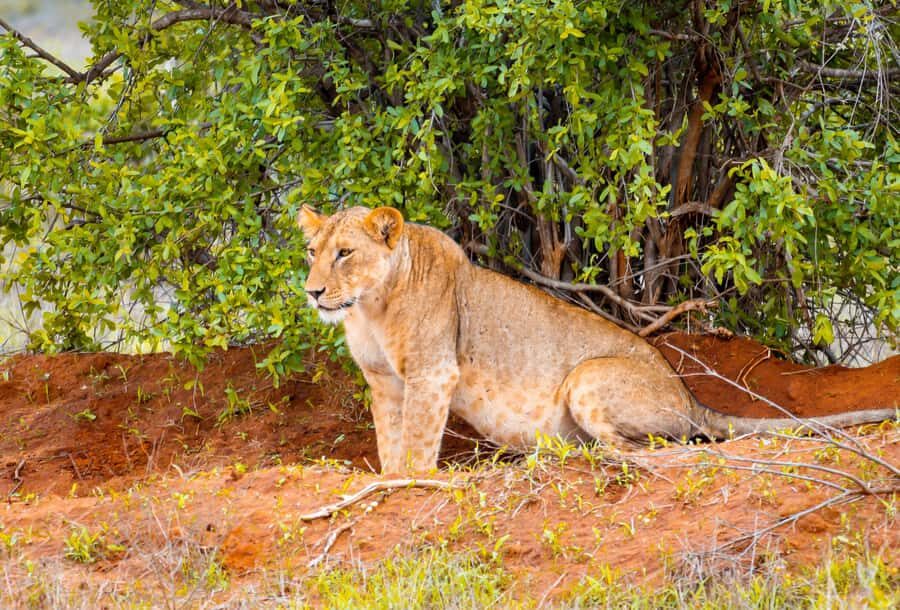
Once you’re inside Tsavo East, you’re looking at a guided wildlife time block of about 3 hours. This is where the day starts paying you back.
Tsavo East is one of Kenya’s iconic parks and covers over 13,000 square kilometres. In practical terms, that size matters because you don’t just drive through a small area hoping for luck—you’re moving between parts of the park with different wildlife habits and scenery.
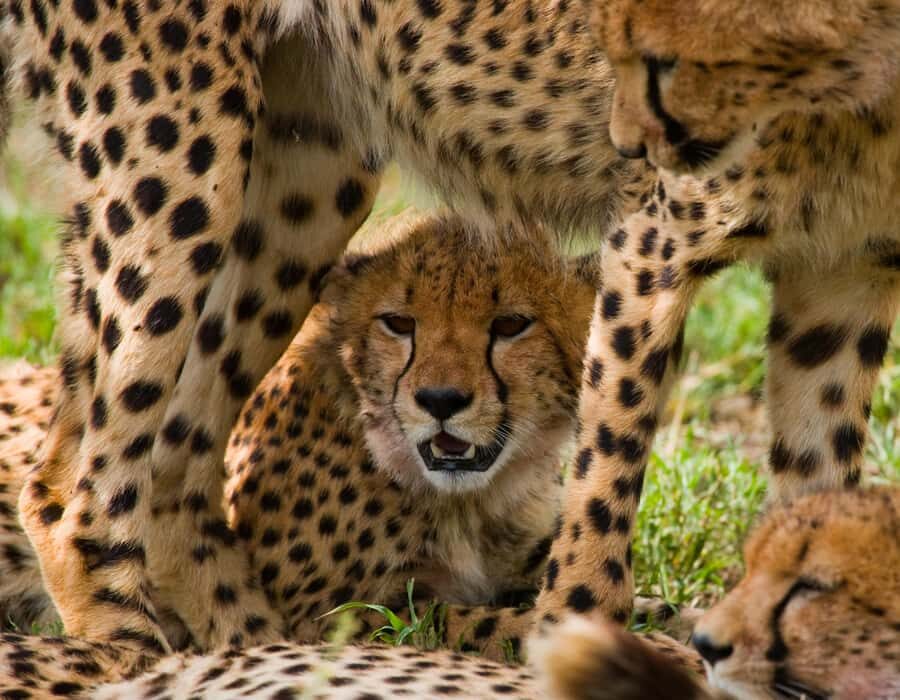
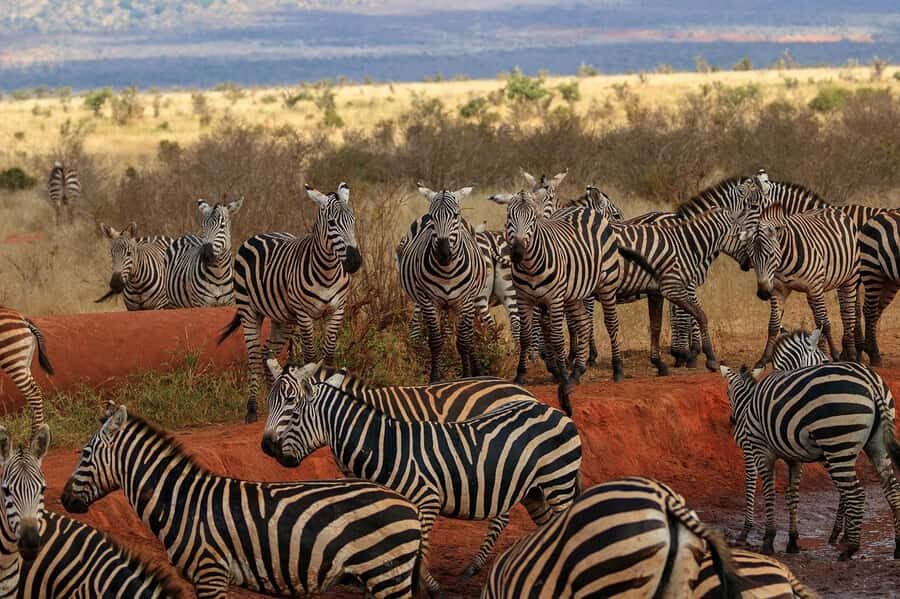
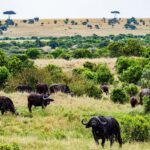
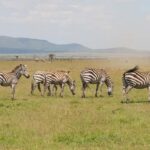
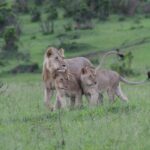
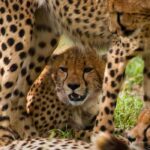
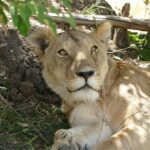
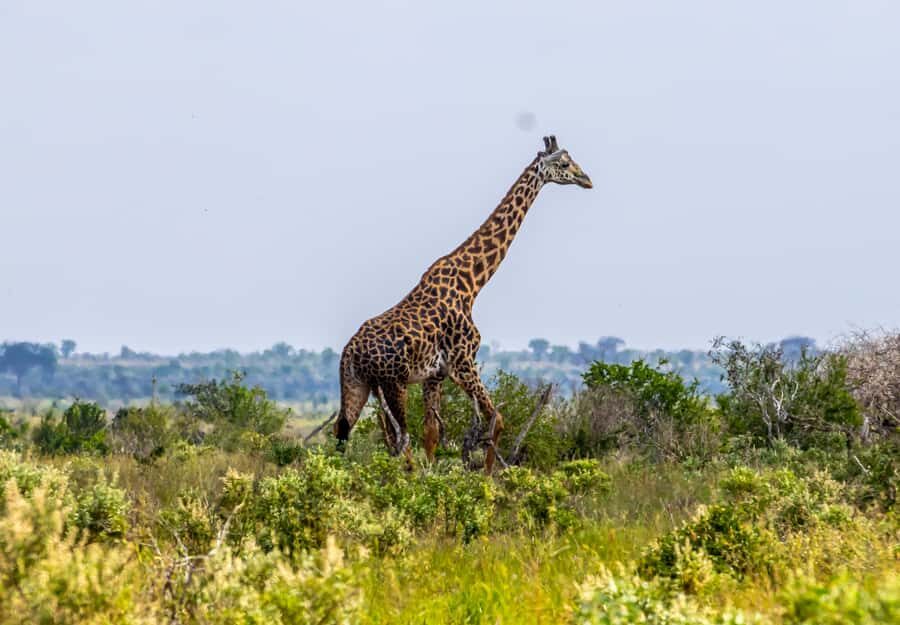
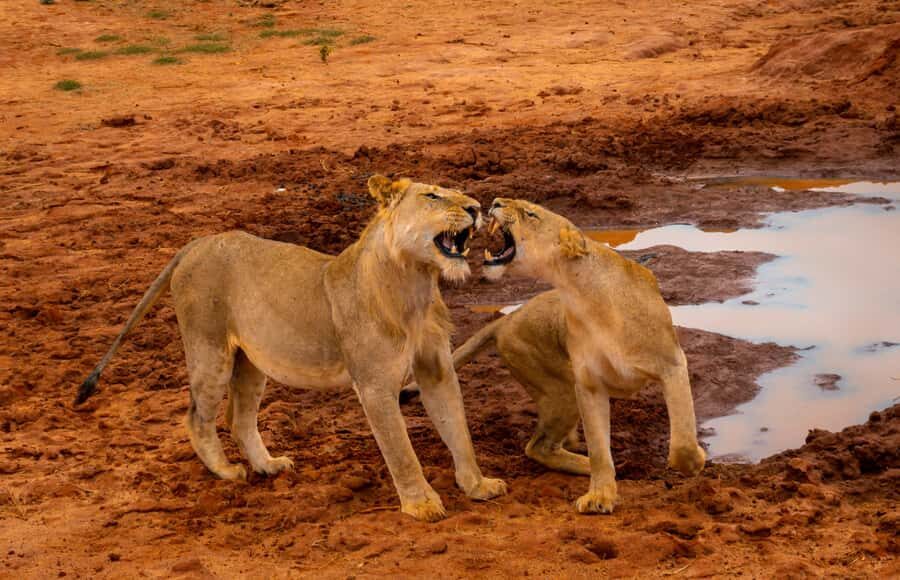
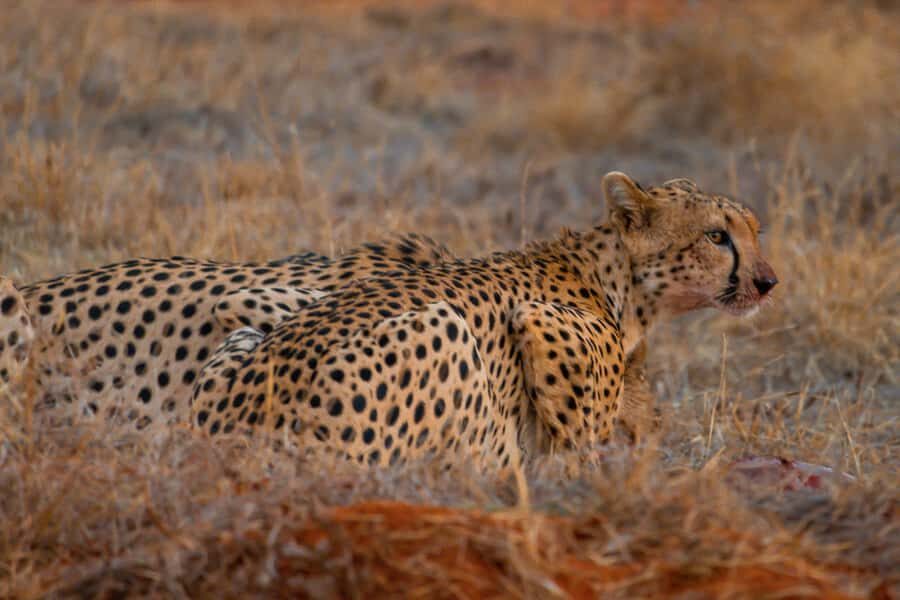
Wildlife sightings can’t be guaranteed on any safari. But Tsavo East is known for a strong mix of animals you’ll see on most game drives, including elephants, lions, cheetahs, leopards, giraffes, zebras, and buffalo herds, plus lots of birds. Even when cats are quiet, you often get rewarded with something else nearby—like giraffes browsing or herds moving through.
And then there are the “Red Elephants.” These are the elephants associated with distinctive rust-coloured dust baths. It’s a behavior that tends to stand out because it shows the relationship between animals and the local landscape features like dust, water sources, and feeding areas. If your timing lines up with where the herds want to cool off, you’ll have that extra memorable moment.
One more practical tip: keep your camera ready during the drive, but don’t lock yourself into the lens the whole time. The best wildlife moments often come when you’re watching first, then shooting once you’re sure what you’re seeing.
Guided Notes That Make You See More: Musa, Juma, Beka Style
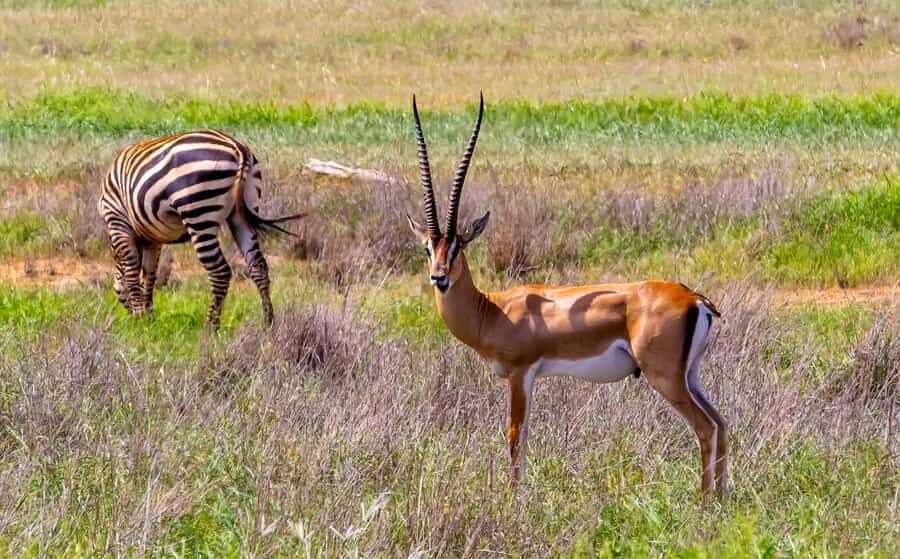
This safari includes a live English guide, with guide fees covered. In this kind of day trip, I value two guide skills: finding animals, and explaining what you’re looking at.
From the guide names that show up in this route—Musa, Juma, and Beka—the repeated theme is clear: they’re good at spotting activity and then stopping in a way that gives you time to watch and photograph. People also describe guides staying patient during the long ride and staying calm when the day turns hot.
You’ll hear insights about Tsavo East’s ecosystem and animal behavior—how animals move, what they’re doing during different times of day, and why certain areas attract them. Even if you already know basic safari facts, these small explanations help you connect the dots fast. Instead of just seeing animals, you understand the “why now” behind the sighting.
A few more Kenya tours and experiences worth a look
Lunch Break: Refuel in the Middle of the Day
After the morning drive, you get lunch time—about 1 hour—at a local restaurant. Here’s the catch: lunch is part of the day, but food and drinks are not included in the main price. Plan on paying roughly US$25–35 for food and drinks.
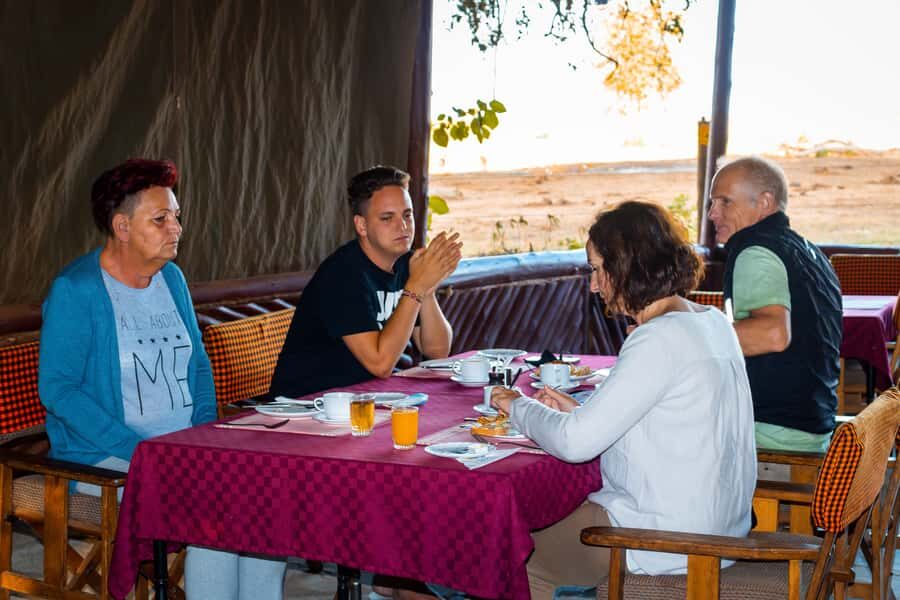
The good news is you’re not eating in a parking-lot way. Lunch happens at a lodge/restaurant stop designed for safari days, and in this part of Kenya you can sometimes be treated to scenic views and a more relaxed pace while you eat.
You’ll also want to have your payment method ready. The day includes specific instruction to carry a credit/debit Mastercard or Visa for park entry fees and lunch at the lodge’s restaurant. You should also bring cash, since safari days sometimes involve small extras and last-minute needs.
After lunch, you’ll continue deeper into the park for the second wildlife viewing session. Think of lunch as your “reset button”: hydrate, stand up, and stretch. Then your second game drive feels less like another shift and more like a fresh hunt.
Second Game Drive Session: Shorter, but Often Productive
The second game drive block is about 2 hours. It’s shorter than the first one, but it can be surprisingly effective because animals change location throughout the day. By this point, you’ve already learned what’s happening in the area, so you notice patterns faster.
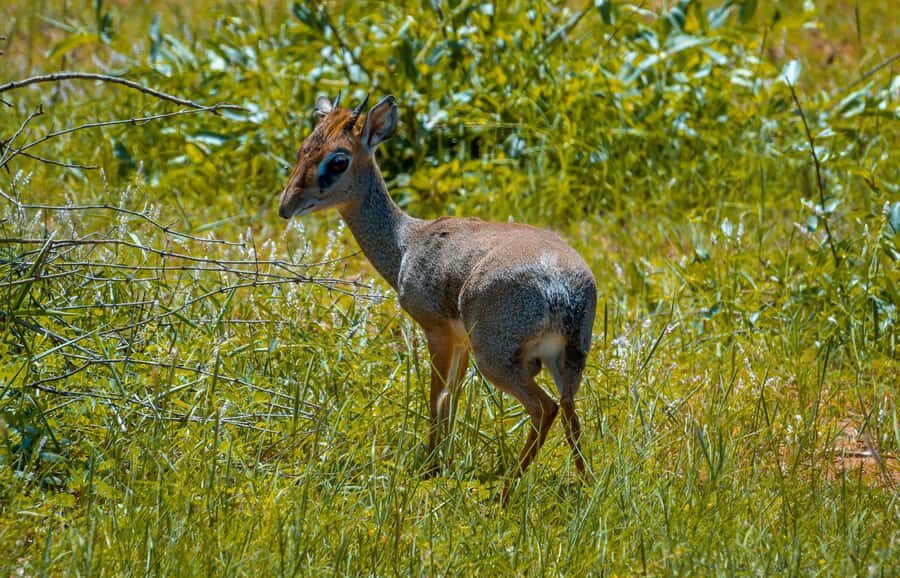
This session is also described as moving into different sections of Tsavo East, with the park’s scenery changing as you drive. That matters because wildlife doesn’t use the entire park evenly. Some animals prefer open areas, while others stick closer to cover. Birds can be more active around feeding or water zones. Lions and big cats may be less predictable, but elephants and zebras are often easier to track if you’re patient.
If the morning felt like a “warm-up,” this second drive is where your attention starts to sharpen. People often remember it as the moment they finally got the clean photo, the moment they saw an animal doing something natural, or the moment a herd appeared just when they stopped actively looking and started watching.
And if you’re chasing a specific highlight—like getting a clear view of lions—don’t assume you’ll only see it once. The day has two separate drive windows, which is why this itinerary works better than a single-drive safari day.
Park Entry Fees and the Real Cost of the Day
The headline price is $200 per person, but the day’s real cost includes park entry fees and meals.
Here’s the straightforward breakdown:
- Park entry fee for an adult: US$80 (not included)
- Park entry fee for a child (3–17 years): US$40 (not included)
- Food and drinks: about US$25–35 (not included)
- What’s included in the base price: pickup/drop-off, shared transportation, game drives, guide fees, and drinking water
So for an adult, your quick estimate is: $200 + $80 + roughly $25–35 for food and drinks. That lands you in the region of $305–$315 total, before any souvenirs or extra drinks. For a day that includes two guided wildlife drives and hotel-area pickup, that can feel fair—especially when you consider how far Tsavo East is from the coast.
The value question for you is simple: are you okay paying extra for the park itself and lunch, and are you happy with a 10-hour long day? If yes, the pricing matches the format. If you want a more leisurely pace, or you’re hoping for a deeper wildlife experience, then you might prefer multi-day options instead of compressing everything into one big push.
Comfort and Practical Packing: Make the Heat Work for You
This safari is outdoors for long stretches. So treat packing like part of the safari.
Bring:
- Comfortable shoes (you’ll likely stand and walk a bit around viewing areas)
- Sunglasses and sun hat
- Sunscreen
- Comfortable clothes that can handle dust and heat
- Credit card (and/or Visa/Mastercard) and cash
- Cash for anything not paid in advance
Two practical considerations to keep in mind:
- Some vehicles may have no air conditioning (this comes up in feedback from people on similar day trips). That doesn’t stop the safari, but it does affect how you feel on the return drive when traffic can slow things down.
- The ride back can feel long in the hottest hours, especially if the coast traffic is heavy. Plan to bring a cover-up and stay flexible.
If you’re prone to motion sickness, consider your usual travel remedy. You’re in a van for a big chunk of the day, and the day is long enough that discomfort can stick around.
Who Should Book This Safari, and Who Should Skip It
This trip fits best if you:
- have limited time on the coast
- want a wildlife taster with two guided drive sessions
- enjoy learning in the car as animals appear and the guide explains what you’re seeing
- can handle a long drive and basic vehicle comfort
It’s not suitable for pregnant women based on the activity’s information. That’s a clear skip for safety and comfort reasons.
Should You Book the Tsavo East Full-Day Safari?
Yes, if you want a well-structured day trip to Tsavo East that gives you two shots at wildlife with real guide time and hotel pickup. The Red Elephants angle is a strong reason to go—Tsavo East is one of the few places where that dust-bath behavior is part of the story you came for.
If you’re deciding between this and a longer safari, choose this when time is your constraint. Choose something longer if you want more relaxed drives and better odds of specific sightings without the pressure of a single day.
My final advice is simple: go in ready for a long day, pack for heat, and treat wildlife as a bonus rather than a guarantee. Do that, and this safari is a smart way to experience Tsavo East without waiting for more days to line up.
FAQ
What’s the duration of the Tsavo East full-day safari?
The safari runs for 10 hours from pickup through drop-off.
Where do pickups and drop-offs happen?
Pickups include Mombasa, Shanzu, Mtwapa, Diani Beach, and Tiwi. Drop-offs are offered to Mtwapa, Diani Beach, Mombasa, Shanzu, and Tiwi.
What’s included in the price?
Included items are hotel pickup and drop-off, shared transportation, game drives, guide fees, and drinking water in the safari van.
Are park entry fees included?
No. Park entry fees are not included: US$80 for adults and US$40 for children aged 3–17.
Is lunch included?
Lunch happens during the day, but food and drinks are not included. You should budget US$25–35, and the guidance says to carry Visa or Mastercard for the lodge/restaurant lunch payment.
What should I bring?
Bring comfortable shoes, sunglasses, a sun hat, sunscreen, comfortable clothes, cash, and your credit/debit card.
Is the safari suitable for pregnant women?
No. The activity is listed as not suitable for pregnant women.