REVIEW · KENYA
12 Days wildebeest migration Masai Mara Nakuru Uganda gorilla trekking safari
Book on Viator →Operated by Direct Kenya Safaris Ltd · Bookable on Viator
Two gorilla hours can change everything. This 12-day route links Kenya’s wide-open savannah action with Uganda’s forest quiet, and I love the Masai Mara game drives and the focused Mgahinga gorilla trek.
I do want to flag one consideration up front: the long overland days can feel like a grind if you hate hours in a vehicle, especially on the road toward the gorilla area. Still, the payoff is real once you’re in the parks and the trekking day arrives.
In This Review
- Key highlights to know before you go
- Kenya to Uganda Safari: two countries, one big wildlife mission
- Masai Mara game drives: where wildebeest country turns into Big Five time
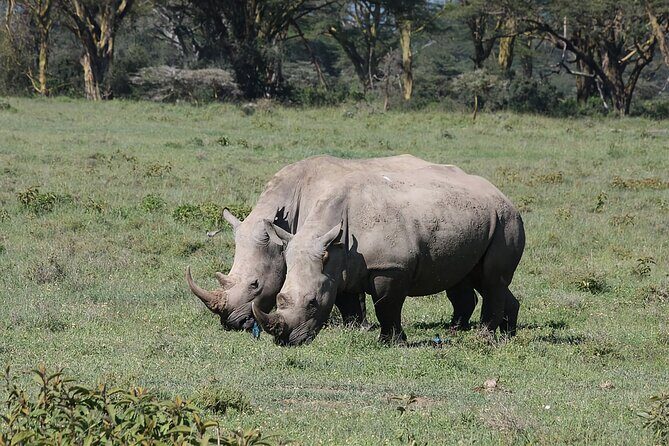
- Lake Nakuru and Lake Bogoria: flamingos, rhinos, and the heat under your feet
- Jinja and Lake Bunyonyi: Nile source energy followed by a calmer reset
- Batwa Cultural Heritage: a meaningful cultural stop with real choices
- Mgahinga Gorilla trekking in Uganda: what to expect on the day you earn your gorilla hour
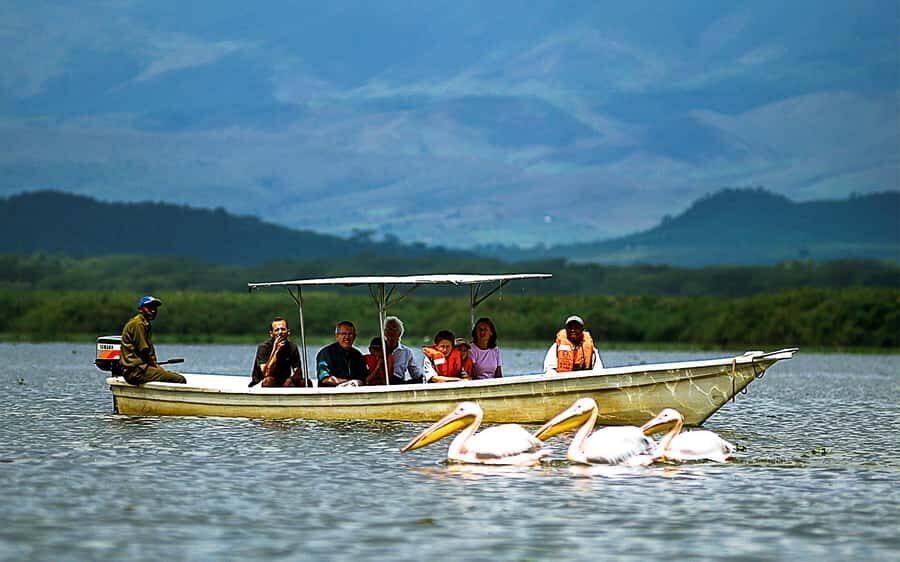
- Lake Naivasha and the return to Nairobi: finishing Kenya with birds and boat time
- Price and logistics: is $4,150 worth it?
- Who should book this safari, and who should reconsider?
- Should you book this 12-day Kenya and Uganda safari?
- FAQ
- Is this safari a private tour or shared group?
- What wildlife and parks are part of the route?
- Are gorilla trekking fees included?
- What does the tour price include versus not include?
- Are optional activities available, and how much do they cost?
- Does the safari provide water and basic safety gear on drives?
- What is the cancellation refund timeline?
Key highlights to know before you go
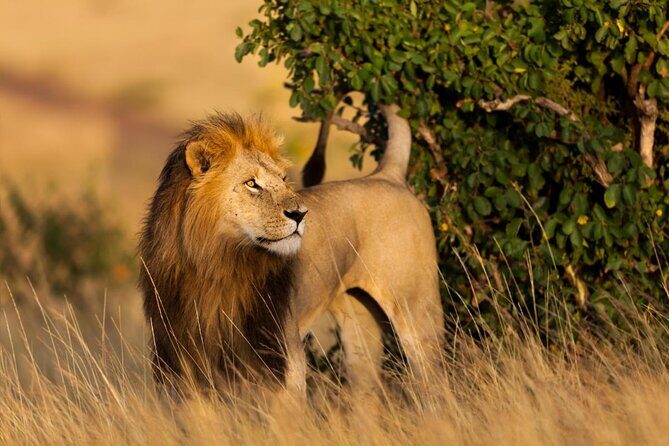
- Masai Mara morning and afternoon game drives for a better shot at lions, elephants, and more
- Lake Nakuru’s flamingos and rhinos in the same day of lake-view wildlife time
- Lake Bogoria geysers with a practical hot-spot picnic moment (yes, eggs get involved)
- Jinja and the Nile source plus optional rafting and kayaking where you can choose your level of adrenaline
- Batwa Cultural Heritage visit options including a guided community walk or time on the lake by canoe
- Mgahinga gorilla trekking led by local guides with about one hour of gorilla viewing once you’re with them
Kenya to Uganda Safari: two countries, one big wildlife mission
This is the kind of safari that keeps changing the scenery without changing the goal: see animals that feel like they belong in a documentary, then earn your gorilla moment in Uganda. You’ll start in Kenya with game drives built around spotting the big cats and the herds, then shift into Rift Valley bird country and geothermal oddities, and finally head into forest trekking for mountain gorillas.
What makes the route feel worthwhile is the mix of pace. Some days are all about early starts and long tracking by vehicle. Other days slow down into lakes, culture, and a “you’re here, now breathe” rhythm—perfect for resetting before the trekking day.
You’re also getting a practical comfort layer built into the transport. Each 4×4 Toyota Hiace minivan comes with a first-aid kit, ice-chest, and fire extinguisher, and you get unlimited bottled mineral water during game drives. That matters more than it sounds when you’re out in heat and dust.
You can also read our reviews of more hiking tours in Kenya
Masai Mara game drives: where wildebeest country turns into Big Five time
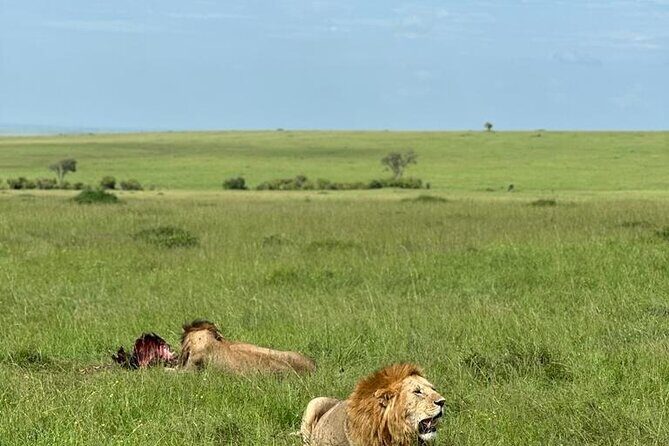
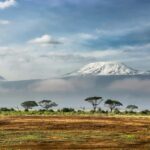
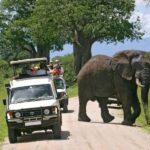
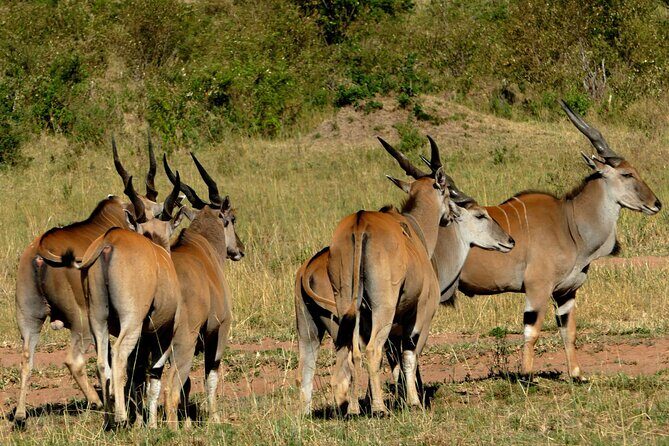
In Masai Mara, the experience is straightforward in a good way: you’re out early, and you’re out again later. Day 2 gets you into the reserve after a Rift Valley drive, with afternoon game viewing kicking things off right away. Day 3 is your full-on day with morning and afternoon drives, which is the best way to improve your chances.
The big reason this works for most people is timing. Many animals move more actively at the start and end of the day, and you don’t have to chase sunsets by yourself. You’re also not locked into one narrow patch of the reserve. You can cover more ground across two drives, which is exactly what you want when your wishlist includes the Big Five.
This safari explicitly sets expectations around a chance to see:
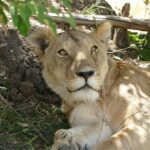
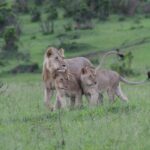
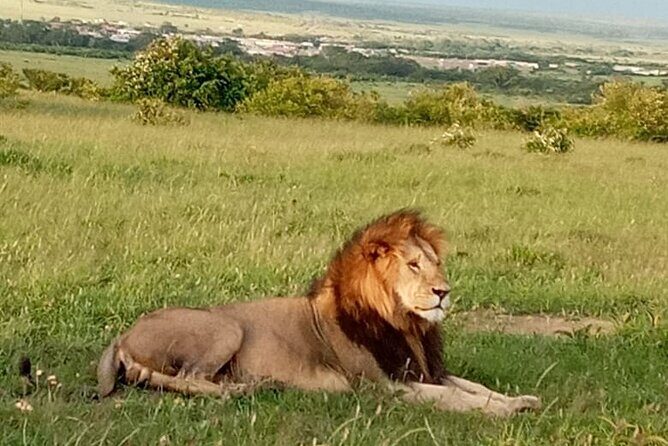
- lions and leopards (often seen when you’re patient and focused)
- elephants and buffalo
- plus rhino sightings as a possibility depending on where you’re driving
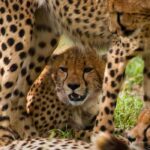
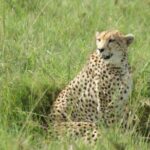
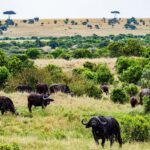
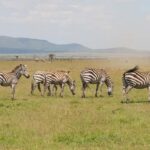
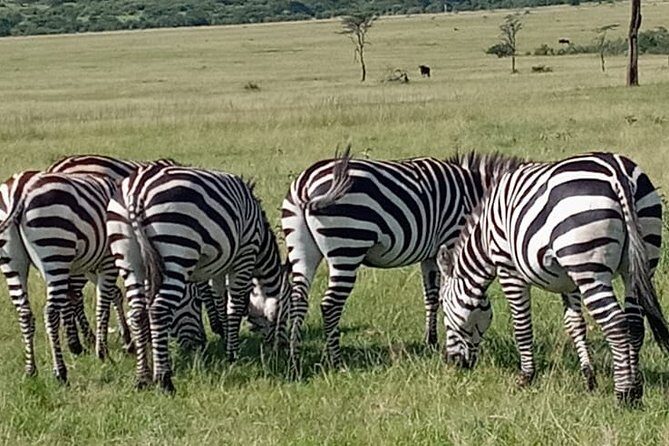
Even beyond the Big Five, Masai Mara is about the bigger picture: the herds, zebras, cheetahs, gazelles, and a steady stream of birds. You get the feeling that wildlife isn’t a side quest here. It’s the main assignment.
One practical note: Masai Mara means hours in a vehicle. You’ll be doing game drives on Day 2 and Day 3, so pack for sun protection and don’t wear anything that hates dust. You’ll also appreciate that this tour guarantees a window seat, so you aren’t constantly fighting for the best views.
Lake Nakuru and Lake Bogoria: flamingos, rhinos, and the heat under your feet
After Masai Mara, the safari shifts to Rift Valley nature with two very different flavors.
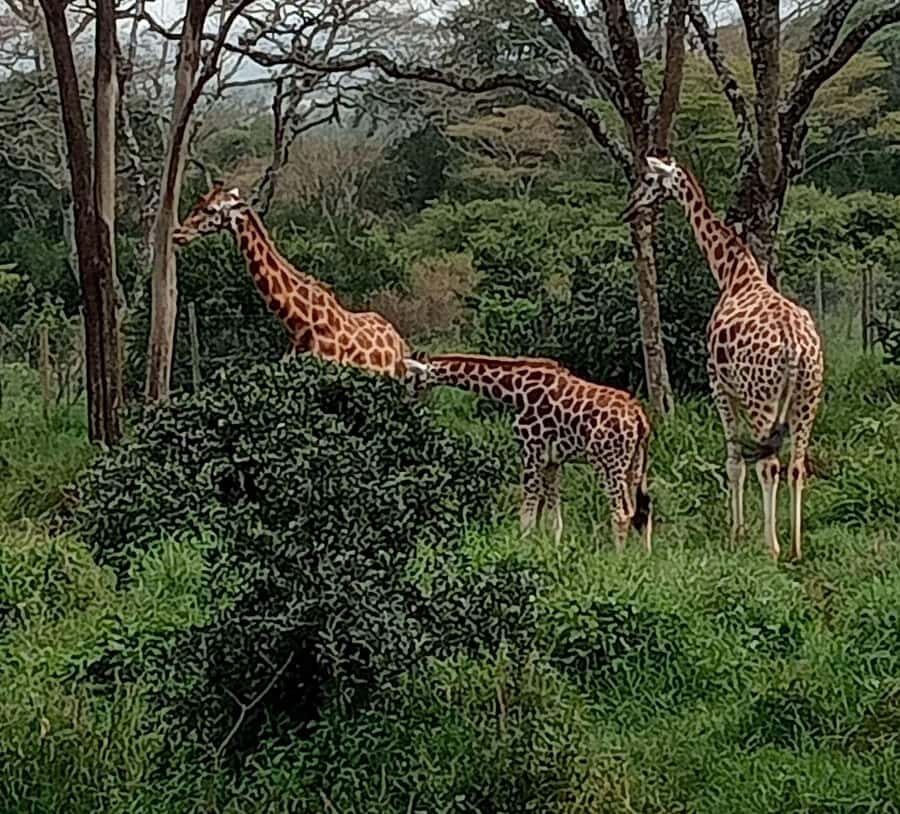
Day 4 is Lake Nakuru National Park. You arrive in time for lunch and check in, then head out for an afternoon lake-view game drive. The headline is flamingos and pelicans, but the real value is variety: you might also spot white/black rhinos, giraffes (including the Rothschild giraffe), waterbucks, and lots of birds around the forest edge.
If you want a “wildlife plus scenery” day without the long all-day drive rhythm, this is that. You’re not rushing every hour. You’re working the light and the lake edge.
Day 5 is Lake Bogoria, and it’s honestly one of the most memorable stops on the route because it adds something you don’t see on most safaris: geothermal entertainment. You drive in for an early start, have a picnic lunch, and then spend time around springs and geysers fed by volcanic activity. The tour even includes the practical element of bringing eggs to test how hot the hot spots really are. It’s a funny little lesson in physics that you’ll remember long after the images blur together.
Practical drawback to know: Lake Bogoria is about geothermal areas and open ground, so conditions can be hot and windy. Bring a hat that actually stays on and don’t plan on doing this in brand-new shoes.
Jinja and Lake Bunyonyi: Nile source energy followed by a calmer reset
You spend two key chunks of time in Uganda early on, and they complement each other.
Day 6 is Jinja, starting with a transfer that includes driving to the Malaba border. Once across, you head to the source of the River Nile and spend time there, including looking around craft markets and meeting locals. This day has optional adrenaline too: white-water rafting and kayaking are listed as options if you want action.
Day 10 revisits Jinja later, which may sound repetitive until you realize it can serve as a timing tool. Day 6 is more about landing softly and seeing the source area. Day 10 emphasizes Jinja as an adventure hub, including mention of bungee jumping and kayaking as available activities. If you want to check out the area more fully (or add an optional activity you skipped earlier), the structure gives you that chance.
Between the two Jinja moments, Day 7 brings you to Lake Bunyonyi, and this is where the safari turns restful. You drive into Uganda’s southwest with lush views and altitude—Bunyonyi sits at about 2000m, and the lake itself is described as Africa’s deepest crater lake (around 900m). Bunyonyi means place of the little birds, and you can expect unique bird life.
The experience value here is simple: you need a breather before gorilla trekking. Trekking is demanding, and a calm lake day helps you arrive more mentally ready.
Day 7 also includes camping at Lake Bunyonyi. Without being given a full accommodation description beyond the camping note, you should still expect a more nature-focused setup than a city hotel.
Batwa Cultural Heritage: a meaningful cultural stop with real choices
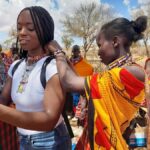
Day 8 centers on the Batwa Cultural Heritage, and you’re given options that matter. After breakfast, you can take an optional guided walk to learn from the community. You also have the choice to visit with local Batwa people or go canoeing on the lake.
Later, you can spend time visiting a children’s orphanage in the local village, or just take the evening more quietly.
This is one of those days where your best move is to pick the style that fits your energy. If trekking day anxiety is building, choose the gentler activity like canoeing and keep your day light. If you enjoy learning and conversation, choose the guided walk. Either way, you’re not just ticking a box. You’re getting context for the people who live in and around forested areas, which is part of what makes gorilla trekking feel more grounded.
Know the cost side before you get there: the tour data lists a village visit option at USD 20 per person and a boat ride option at USD 30 per person. If you want both, factor that in early so you’re not doing math on the fly.
A few more Kenya tours and experiences worth a look
Mgahinga Gorilla trekking in Uganda: what to expect on the day you earn your gorilla hour
This is the core moment of the whole safari.
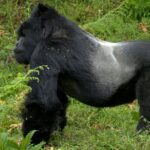
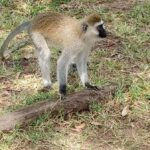
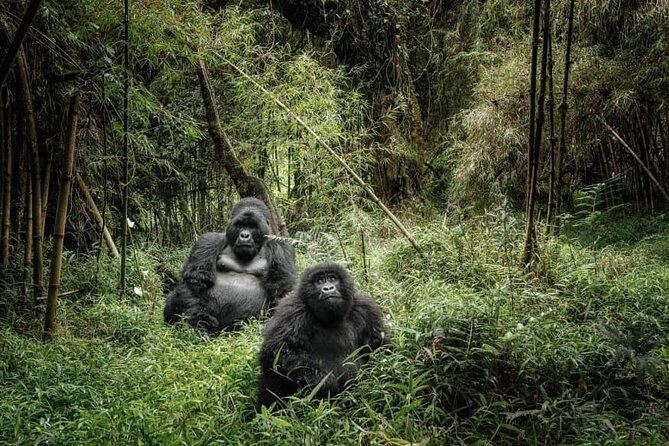
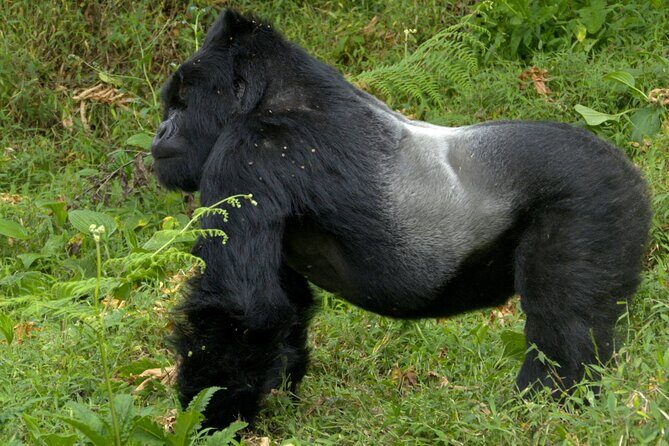
Day 9 starts with a drive over mountains to Mgahinga Gorilla National Park. The tour description is clear about why this park matters: Mgahinga is home to more than half of the world’s endangered mountain gorilla population, and it’s also known for golden monkeys.
Then comes the trekking. The tour notes that the trek can be demanding and lasts the day. It also recommends a water bottle and good walking shoes or boots, and it stresses the value of experienced local guides to lead you through thick mountain jungle.
Once you locate the gorillas, you stay and observe them for about an hour. That hour is where the whole investment lands. Everything gets quieter in your head. You can’t rush it, and you can’t fully manufacture it with good planning. You can only show up physically ready and mentally patient.
A useful heads-up from a past guest’s experience: the trekking can be more difficult than people expect. That doesn’t mean it’s impossible. It just means you shouldn’t treat it like a scenic walk.
My advice: train a bit before you go. If you can, do a few hikes with stairs or hills and practice walking in the shoes you plan to wear. On the day, pace yourself and expect surprises in footing. Thick vegetation doesn’t care about your selfie plans.
Lake Naivasha and the return to Nairobi: finishing Kenya with birds and boat time
After Uganda’s gorilla focus, you come back to Kenya for a softer landing.
Day 11 takes you to Lake Naivasha, with a stop for lunch en route. Once you arrive, you can relax in your room or opt for an afternoon boat ride. The tour data doesn’t require it, but it gives you the choice, which is smart when you’ve already done a physically heavy day in Uganda. Later, you dine and sleep at Fisherman’s Camp – Kasuku Cottage.
Day 12 wraps up simply: breakfast at 8:00am, pickup around 8:30am for Nairobi, and lunch en route.
This ending matters because it lets you close the trip without immediately rushing into another major activity. If you’re the type who needs one last dose of nature (birds, lakes, wildlife around the water), Naivasha fits that bill.
Price and logistics: is $4,150 worth it?
At USD 4,150 per person, this is not a budget safari. But it’s also not priced like a marketing brochure fantasy. The value comes from what it includes.
Included in the price:
- park entrance fees and game drives as noted
- gorilla entrance park fees
- all government taxes, levies, and fees
- pickup and drop-off transfers
- meals: 12 breakfasts, 11 lunches, and 10 dinners
- transport in 4×4 Toyota Hiace minivans
- unlimited bottled mineral water during game drives
Not included:
- international flights and departure taxes
- tips for your driver/guide
- alcoholic and non-alcoholic beverages (water is provided during drives)
- optional activities like a balloon ride (USD 470 per person), plus optional village visit and boat ride costs
- laundry services
- personal communications charges
Here’s how I’d judge value for you: gorilla trekking alone has a separate cost component, and park fees across multiple Kenyan and Ugandan parks add up quickly. This pricing bundles those basics with meals and transport. If you’d otherwise be piecing together permits, park entry, and overland logistics, the package can feel like good sense.
The main trade-off is time on the road. One guest flagged that the drive toward Kabale (for the gorillas) felt endless. That doesn’t make the trip worse; it just means you should plan your mindset. Bring a book or download offline music, and don’t schedule anything intense the day before the long transfer.
Also, remember: this is a private tour where only your group participates, which often means more flexibility and less waiting around for strangers.
Who should book this safari, and who should reconsider?
This safari is a strong fit if:
- you want Kenya’s wildlife variety plus a serious Uganda gorilla experience
- you’re okay with long drive days and early starts
- you like structured guidance rather than navigating parks on your own
- you value cultural stops like the Batwa heritage visit
It may be less ideal if:
- you get miserable in vehicles for long stretches
- you’re not comfortable with a demanding trekking day that can take most of the day
- you prefer a lighter, less intense pace with fewer moving parts
If you’re the type who dreams about gorillas, this route is built for that. One detailed gorilla hour can erase a lot of travel fatigue.
Should you book this 12-day Kenya and Uganda safari?
If your priorities are Masai Mara wildlife drives and Mgahinga gorilla trekking, I think this is a solid booking choice. The included park fees and gorilla permit component are where the price makes sense, and the itinerary’s mix of animals, geysers, lakes, and culture keeps the days from feeling repetitive.
If you do book, do two things early: pack smart for trekking (boots and a water bottle mindset) and mentally accept that the road days can be long. Then you’ll enjoy the moments that actually matter: lions and herds on the savannah, flamingos on the Rift, and that unforgettable gorilla encounter.
FAQ
Is this safari a private tour or shared group?
This is a private tour/activity, and only your group will participate.
What wildlife and parks are part of the route?
The safari includes Masai Mara National Reserve, Lake Nakuru National Park, Lake Bogoria, Jinja (including the Nile source area), Lake Bunyonyi, Batwa Cultural Heritage, Mgahinga Gorilla National Park, and Lake Naivasha.
Are gorilla trekking fees included?
Yes. Gorilla entrance park fees are included.
What does the tour price include versus not include?
The price includes park entrance fees and game drives as noted, gorilla entrance fees, government taxes and levies, pickup and drop-off transfers, and meals (12 breakfasts, 11 lunches, and 10 dinners). It does not include international airfares, tips, alcohol and other beverages (water is provided during game drives), and optional activities.
Are optional activities available, and how much do they cost?
Yes. The tour lists optional activities such as a balloon ride for USD 470 per person, a village visit for USD 20 per person, and a boat ride for USD 30 per person.
Does the safari provide water and basic safety gear on drives?
Yes. Each 4×4 Toyota Hiace minivan has a first-aid kit, ice-chest, and a fire extinguisher, and bottled mineral water is provided during game drives.
What is the cancellation refund timeline?
You can cancel up to 6 days in advance for a full refund. Between 2–6 days before the experience start time, you receive a 50% refund, and within 2 days there is no refund.
Experience provider: Direct Kenya Safaris Ltd.