REVIEW · KENYA
Nairobi: Day Trip to Amboseli National Park
Book on GetYourGuide →Operated by TERMITE MOUND ADVENTURES · Bookable on GetYourGuide
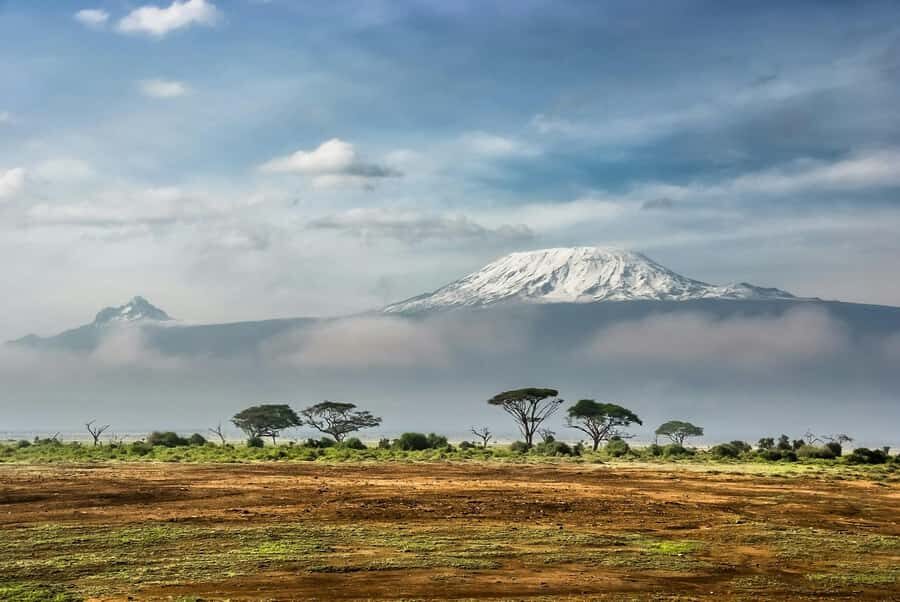
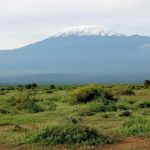
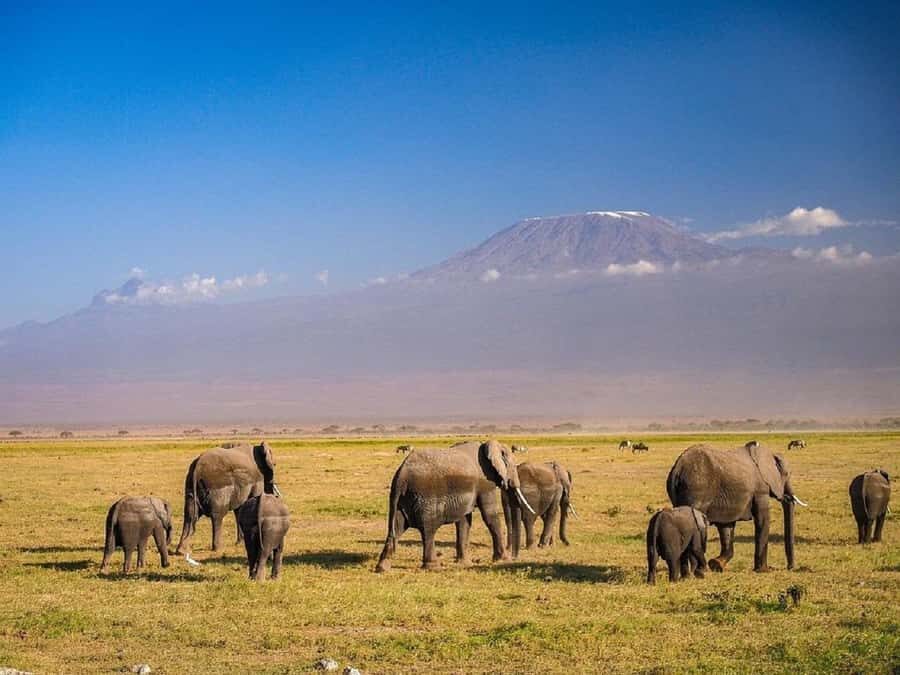
Kilimanjaro shows up on schedule. A one-day run from Nairobi into Amboseli National Park means you’ll start with big wildlife time, pause for lunch, then finish with wide views from Observation Hill. If you want elephants in the same day as serious predator odds, this is the kind of plan that delivers.
I really like two things here: the chance to spot elephants and other predators during the game drives, and the way Mount Kilimanjaro frames the park so your photos don’t look like generic “safari” shots. You also get a second look at wildlife later in the day, when animals often move differently.
One thing to factor in is cost creep. The tour price doesn’t include park entrance fees (and the Maasai village visit has its own fee), so you’ll want to budget for extras before you go.
In This Review
- Key takeaways before you go
- Dawn Departure From Nairobi: The 6:00 AM head start you feel all day
- The Private Drive and Arrival Timing: Plan for a full day, not a quick hop
- Entrance Fees and Park Rules: The small stuff that keeps the day smooth
- Morning Game Drive in Amboseli: Where elephants and predators share the same air
- The Afternoon Game Drive: Same park, different behavior
- Lunch Options: Picnic time in the park vs. lodge lunch for extra
- Observation Hill: The Kilimanjaro view you’ll actually remember
- Maasai Village Visit: Culture in a short window (with a fee)
- Price and value: $190 looks good, until you budget the extras
- Getting the most out of your guide (and what to watch for)
- What to bring for Amboseli: simple kit, better sightings
- Who should book this day trip from Nairobi, and who should skip it
- Should you book this Nairobi to Amboseli day trip?
- FAQ
- What is the total price for the tour?
- Does the tour include Amboseli National Park entrance fees?
- Is lunch included?
- What does the tour include besides the game drives?
- What is the Maasai village fee?
- What time do you depart from Nairobi?
- How long does it take to get to Amboseli?
- What is Observation Hill for?
- What should I bring, based on the tour guidance?
- Are flash photos allowed and are there other rules inside the park?
- What languages is the tour offered in?
Key takeaways before you go
- Dawn departure (around 6:00 AM) helps you reach the park for the best morning wildlife window.
- Two game-drive sessions give you different animal activity chances instead of one long search.
- Observation Hill is built for one goal: Mount Kilimanjaro views over Amboseli.
- Picnic lunch option inside the park keeps your day from getting hijacked by long restaurant stops.
- Optional Maasai village visit adds a culture stop alongside the wildlife focus.
Dawn Departure From Nairobi: The 6:00 AM head start you feel all day
A day trip like this lives or dies by timing. You leave Nairobi at dawn—about 6:00 AM—because Amboseli is far enough that a later start can steal your best light and most active animal hours.
The drive typically takes around four hours, and you’ll watch the surroundings shift from city rhythm to open countryside. That transition matters more than you’d think: it helps your brain switch into “park mode,” so when you arrive, you’re ready to spot motion instead of just admiring scenery.
Early departure also gives you a practical advantage. You’re more likely to have calmer roads and less of that midday heat that can push animals to shelter.
A few more Kenya tours and experiences worth a look
The Private Drive and Arrival Timing: Plan for a full day, not a quick hop
This tour is built around private transportation, with pickup and drop-off included. That’s a big deal on a day trip because you’re not stuck syncing with other groups or waiting for transfers.
You’ll typically arrive at the park entrance around 10:00 AM. At that point, you’ll pay the entrance fee and collect the park map—simple, but important for knowing where you’re allowed to go and what to expect inside.
Because the itinerary is structured like a rhythm (morning drive, lunch, afternoon drive, then the ride back), you should assume you’ll be “on the move” most of the day. Comfortable clothes and shoes aren’t a suggestion here—they’re how you’ll enjoy the game-drive hours without feeling beat up.
Entrance Fees and Park Rules: The small stuff that keeps the day smooth
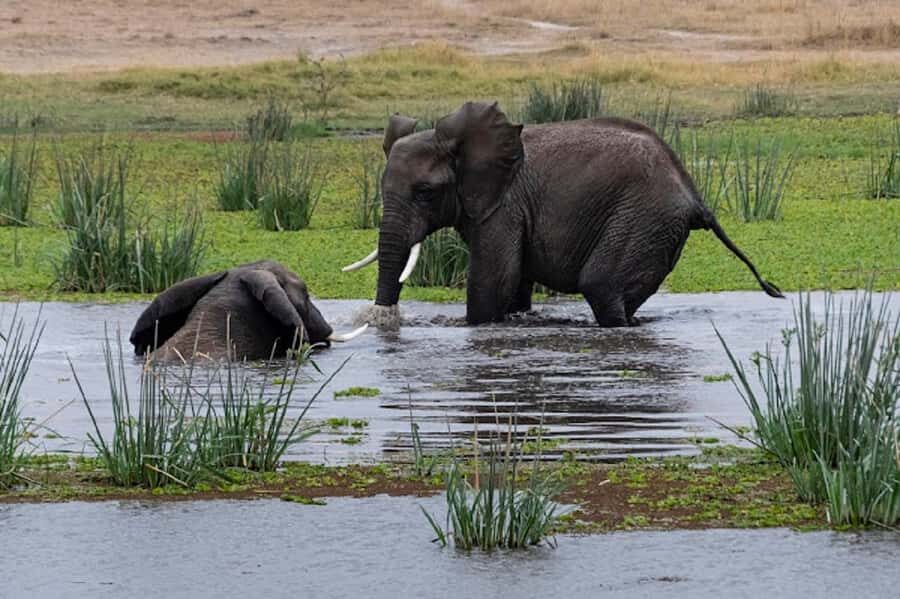
When you reach the entrance, you’ll handle Amboseli National Park entrance fees directly. The entrance fee is listed as $60, and it’s separate from the tour price.
You’ll also get a park map at the gate. That’s useful because Amboseli is spread out, and a map helps you understand what you’re looking at when the guide slows down for sightings.
Inside the park, the rules are clear: no smoking, no flash photography, don’t litter, and don’t touch animals. You’ll also want to keep a respectful distance. A good day here is calm and controlled—you’ll see more when you don’t crowd or create stress.
Morning Game Drive in Amboseli: Where elephants and predators share the same air
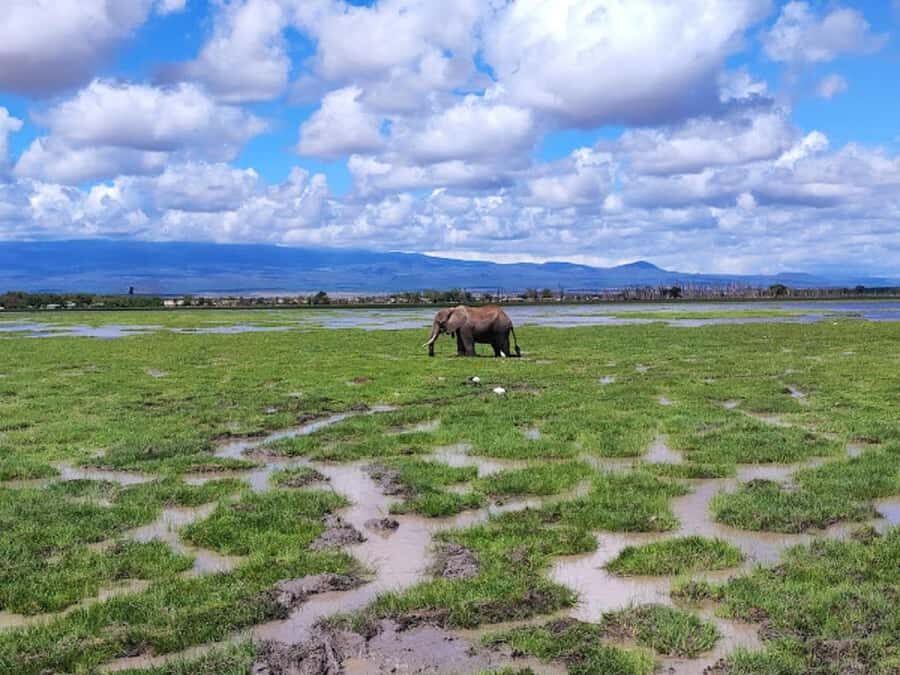
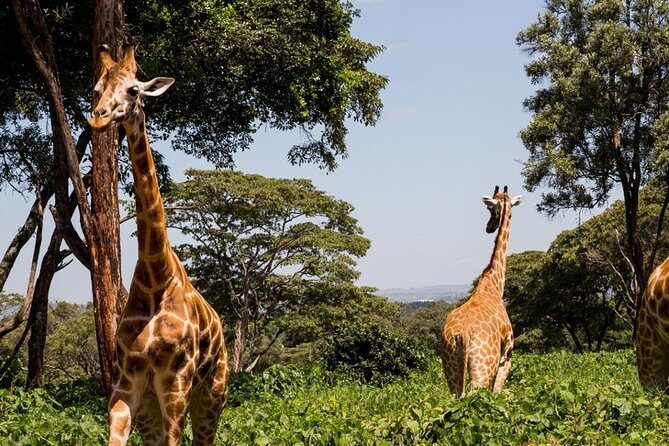
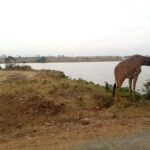
Once you’re in, the morning game drive is your first big wildlife push. This is where Amboseli earns its reputation. You’ll be scanning for large herds and then watching for the smaller, faster moments—cheetahs and other quick-moving animals can appear suddenly.
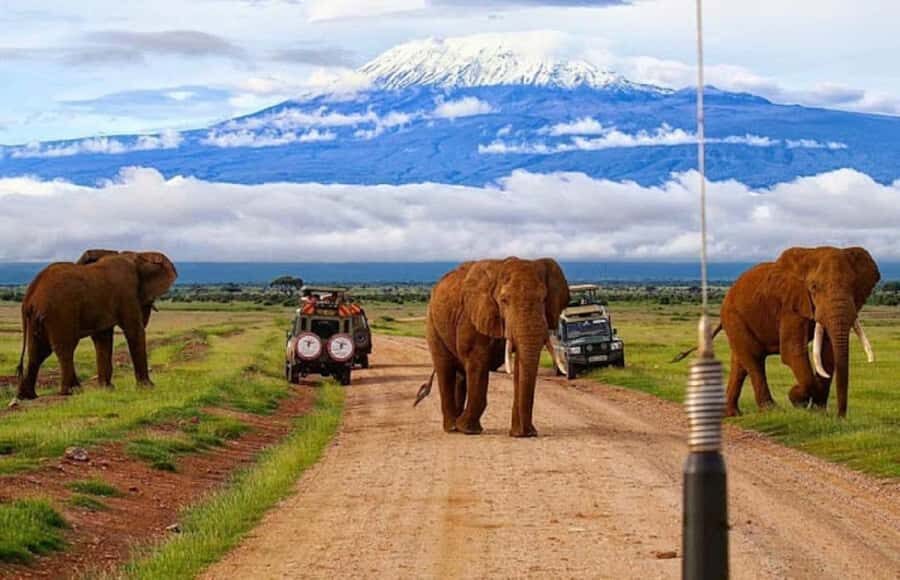
The park’s star attraction is often elephants, and it’s realistic to expect impressive numbers if you’re patient and looking in the right places. The morning timing helps because animals can be more active before the heat settles in.
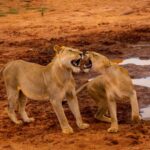
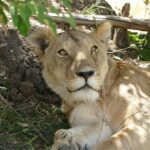
Predator sightings can be harder to predict anywhere. Still, Amboseli offers a solid shot at big-cat luck, including lions and the possibility of cheetahs. The guide’s job is to position you within park rules so you’re viewing, not chasing.
Camera tip from the reality of animal watching: keep your shots simple. A slightly wider frame that includes the animal plus the background can be more satisfying than constant zooming—especially with Mount Kilimanjaro sometimes looming behind the scene.
The Afternoon Game Drive: Same park, different behavior
After lunch, you’ll head out again for an afternoon drive. The logic is sound: animal activity often shifts later in the day, and your second chance at sightings can be better than your first.
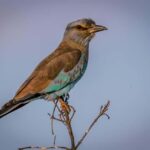
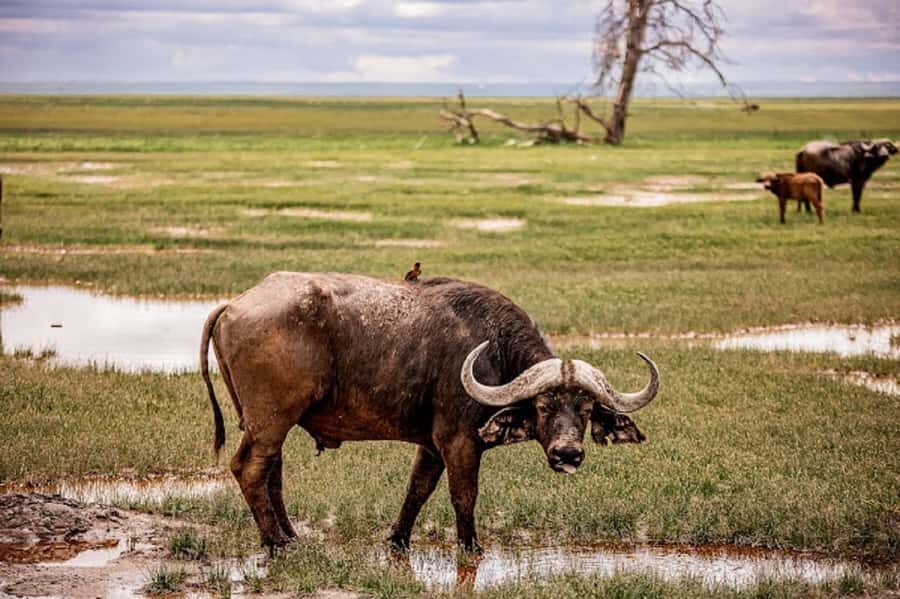
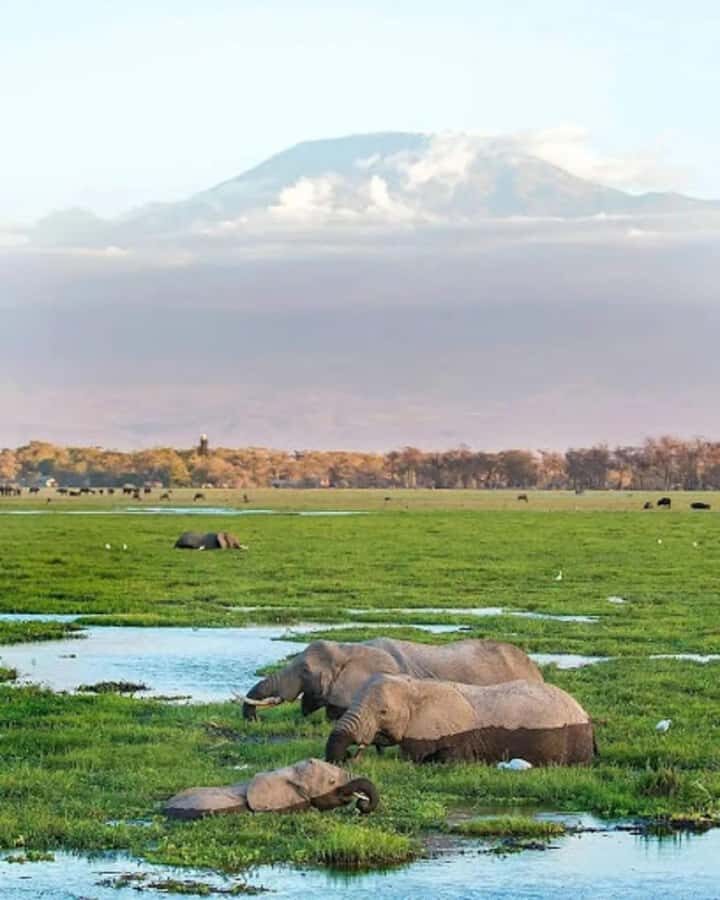
This is also when marshland areas can start paying off. You might see elephants and buffalo around those wetter patches, and you’ll likely spot plenty of birds too. Even if you don’t get a dramatic big-cat moment, the variety of smaller wildlife can still make the afternoon worth it.
You’ll appreciate this second drive more if you’ve been trying to photograph. Morning light can be harsh at times, while afternoon light sometimes gives you different angles. Having two drives means you aren’t stuck with just one “acceptable” lighting window.
Lunch Options: Picnic time in the park vs. lodge lunch for extra
Lunch is where the day breathes. You have a choice: a picnic lunch in the park is part of the plan, and you can also stop for lunch at the lodge if you prefer.
The important budgeting point: lodge lunch is listed as an own-expense option, so it can change your total cost. If you want to keep things predictable, go with the picnic plan. It’s also usually less disruptive than hunting for lunch off-route.
Either way, bring energy snacks if you like. You’ll be in open-air vehicle time and sitting in the sun at points, so having a little extra bite can save your mood if wildlife takes longer than expected.
Observation Hill: The Kilimanjaro view you’ll actually remember
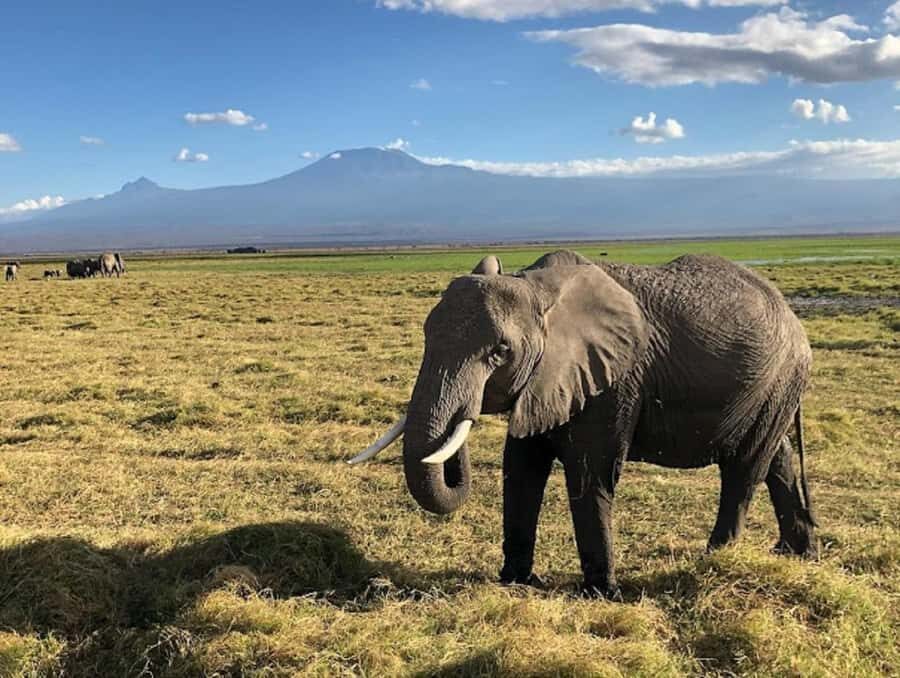
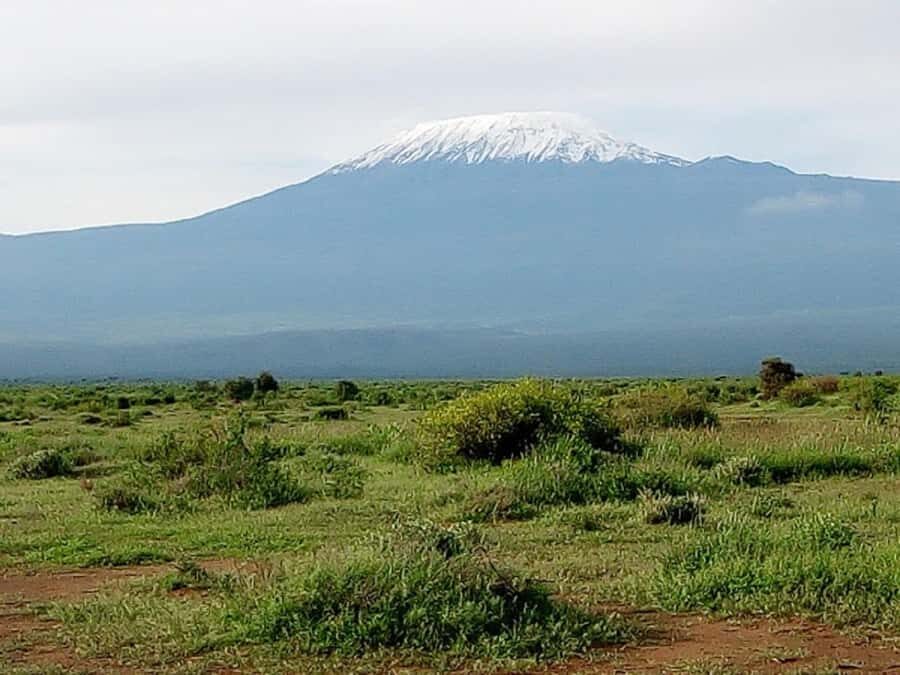
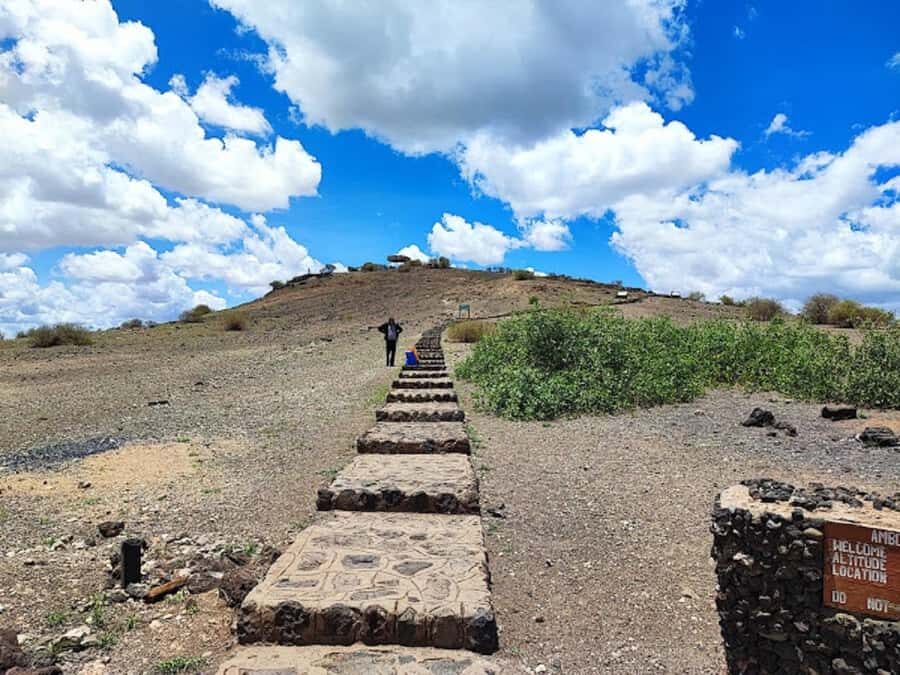
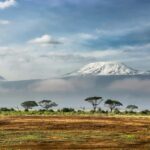
After lunch, you’ll visit Observation Hill. This stop is not random. It’s built for one big payoff: expanded views across Amboseli with Mount Kilimanjaro visible as a dramatic backdrop when conditions allow.
Walking up to a viewpoint (and then slowing down to scan) is a nice break from scanning through vehicle windows. On Observation Hill, you can step back and see how the park is laid out, which makes your earlier sightings feel more connected.
For photography, this is your planned “reset” moment. If you want a Kilimanjaro shot that includes the park’s character, don’t treat it like a quick stop—take a few minutes to find the angle where the mountain is most readable in the frame.
Maasai Village Visit: Culture in a short window (with a fee)
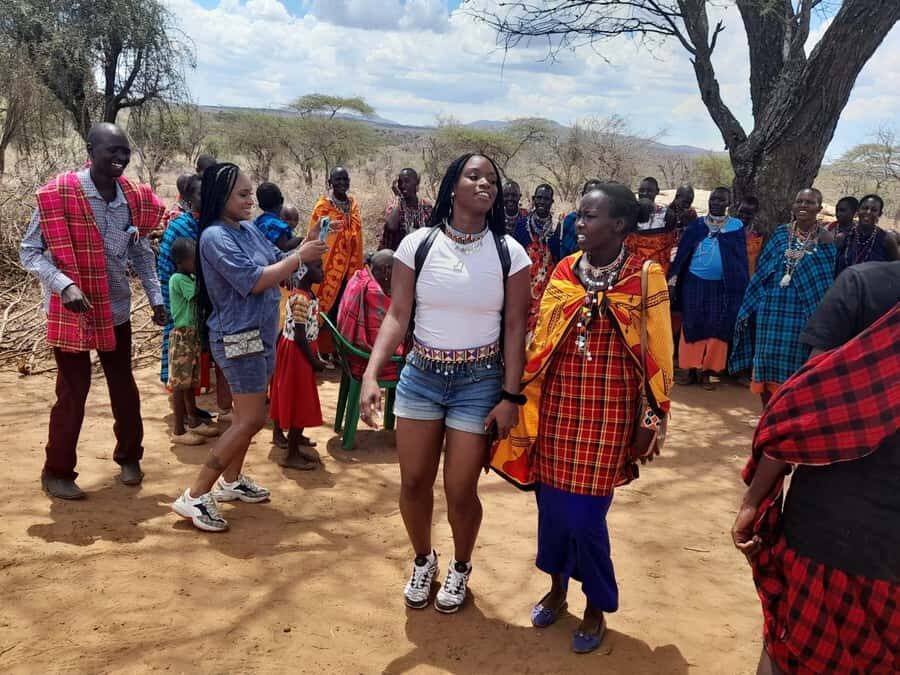
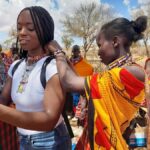
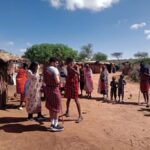
The Maasai village visit is an included option, with the caveat that there’s an added Maasai village visit fee of $30.
This kind of cultural stop can be a meaningful add-on because it shifts you from purely wildlife viewing to human stories and daily traditions. Still, it’s a short visit, so it won’t replace longer study or time in the region. Think of it as a snapshot.
If you choose it, be ready for a respectful, visitor-friendly experience with a focus on learning. You’ll get more out of it if you come with basic curiosity and ask straightforward questions rather than trying to turn it into a checklist.
Also keep in mind: the entire day is packed. If you’re the type who needs long breaks, factor that into your pacing.
Price and value: $190 looks good, until you budget the extras
The base price is $190 per person, which covers a lot: private transportation, game drives, bottled water, pickup/drop-off, the Observation Hill visit, and the driver/guide. It also includes a Maasai village visit as part of the plan.
What’s not included is where your final cost changes:
- Park entrance fee: $60
- Lunch: not included by default (picnic is listed as an option; lodge lunch is own expense)
- Maasai village visit fee: $30
- Personal expenses
If you do the village and pay entrance, you’re already adding $90 on top of the $190. That means the real “all-in” number depends on lunch choice and what you spend personally.
Still, the value can hold up because this is a full day with two game drives plus Kilimanjaro viewpoint time, all handled by a driver/guide with private transport. For many people, that convenience beats cobbling together separate buses and tickets.
Getting the most out of your guide (and what to watch for)
A big part of a safari day is how the guide drives and how they read animal behavior. One driver named Eric has been singled out for careful driving on Kenyan roads, and that matters on a day trip where fatigue can sneak in.
You’ll also want a guide who helps you get clear views without pushing too close. The park rules are strict about touching animals and keeping distance, and you’ll enjoy the day more if your viewing stays calm and respectful.
One caution: there have been cases where pickup didn’t happen and communication was poor. To protect your day, confirm your pickup details in advance and keep the operator’s contact info saved on your phone. If something feels off the morning of, address it fast—don’t wait.
What to bring for Amboseli: simple kit, better sightings
This is one of those days where packing smart makes you happier. Bring a hat, sunscreen, a camera, binoculars, and comfortable shoes. Water is covered as bottled water is included, but adding a small personal snack stash can still help.
A few practical ideas:
- Wear light, breathable layers. Morning starts cool, but game-drive time gets sunny fast.
- Bring a small day bag so you can access your camera quickly without fumbling.
- Keep your phone charged for photos and navigation.
Also, remember the rules: no flash photography and don’t litter. Those two alone can save you from awkward moments at the worst time—right when you spot something good.
Who should book this day trip from Nairobi, and who should skip it
This tour makes sense if you want a high-effort, big-picture safari day with two chances at wildlife and a planned Kilimanjaro viewpoint. It’s also a good fit if you like the comfort of private transport and an organized schedule that doesn’t require planning multiple transfers.
If you’re the type who hates long road days or needs wheelchair-friendly access, this probably won’t feel right. It’s listed as not suitable for wheelchair users, and the day is built around long driving hours and vehicle time.
If you’re traveling with limited time in Kenya—just a stopover or a short stay—this day trip is one of the best ways to get Amboseli’s wildlife and Kilimanjaro views without waiting days.
Should you book this Nairobi to Amboseli day trip?
Yes, if you want a structured one-day safari that balances wildlife time with the Mount Kilimanjaro payoff. The combination of dawn departure, two game-drive windows, Observation Hill, and an optional culture stop is a strong recipe for a memorable day without extra logistics on your end.
Book if you’re comfortable with the real cost picture (entrance fee, village fee if you go, and lunch choices). Also, do your part: confirm pickup details ahead of time and keep basic essentials ready so you can enjoy the day instead of managing discomfort.
Skip it if you hate road-heavy schedules, need accessibility accommodations, or you’re looking for a slow, flexible itinerary. This is meant to be efficient—and that efficiency is exactly why it works.
FAQ
What is the total price for the tour?
The tour price is listed as $190 per person. Entrance fees and some other items are not included.
Does the tour include Amboseli National Park entrance fees?
No. The Amboseli National Park entrance fee is listed separately as $60.
Is lunch included?
Lunch is not listed as included. A picnic lunch option is mentioned as part of the day plan, and lunch at the lodge is listed as own expense.
What does the tour include besides the game drives?
The included items list private transportation, game drives, bottled water, pick up and drop off, a driver/guide, a visit to Observation Hill, and a Maasai village visit.
What is the Maasai village fee?
The Maasai village visit fee is listed as $30.
What time do you depart from Nairobi?
Departure from Nairobi is recommended at dawn, around 6:00 AM.
How long does it take to get to Amboseli?
The journey is stated as typically taking about four hours.
What is Observation Hill for?
Observation Hill is for expansive views over Amboseli, including a chance to see Mount Kilimanjaro.
What should I bring, based on the tour guidance?
Bring comfortable shoes, a hat, a camera, snacks, sunscreen, water, and binoculars.
Are flash photos allowed and are there other rules inside the park?
Flash photography is not allowed. You should also avoid smoking, littering, and touching animals, and keep a respectful distance from wildlife.
What languages is the tour offered in?
The tour languages are listed as English, French, and Spanish.