REVIEW · KENYA
From Nairobi: Day Tour to Mount Longonot (Private)
Book on GetYourGuide →Operated by Sharcy Tours and Safaris · Bookable on GetYourGuide
Crater views and birds in one day. This Nairobi private trip pairs a Mount Longonot hike with Rift Valley scenery, plus an hour on Lake Naivasha seeing fish eagles and hippos. I like how the route mixes big-picture views from the escarpment with a hands-on climb to the crater rim. The main catch is the hike: you should be ready for at least a 3-hour physical trek and you’ll pay entrance fees on top of the tour price.
I also like that you get hotel pickup, an air-conditioned ride, and an English-speaking hiking guide so you’re not trying to figure out the day while moving fast. In one sense, a guide on Longonot might feel optional because the area is signposted—but on a structured day, having that extra support helps you keep your energy for the rim.
Key things to know upfront: entrance fees are not included, and lunch is not included (though you’ll stop for it). Still, the full day is built around two of Kenya’s most memorable Rift Valley experiences, timed well for a day trip.
In This Review
- Key Highlights You’ll Care About
- Entering The Rift Valley: Nairobi to the Great Escarpment Viewpoint
- Mount Longonot National Park: A Crater Hike With Real Effort
- What the Descent Feels Like (and Why Timing Matters)
- Lake Naivasha Lunch at Crescent Camp: Eat Near the Water
- The One-Hour Lake Naivasha Boat Cruise: Hippo Pool Energy
- Price and Value: What You Pay, What You Don’t
- Logistics That Make or Break a Day Trip
- Who This Tour Fits Best
- Should You Book This Mount Longonot and Naivasha Day Trip?
- FAQ
- How long is the Mount Longonot day tour from Nairobi?
- What time do you leave Nairobi?
- Is the hike to the crater difficult?
- Are entrance fees included in the tour price?
- Is a guide included for Mount Longonot?
- What about lunch— is it included?
- Is the Lake Naivasha boat ride included?
- What languages are the guides available in?
- What should I bring for the day?
Key Highlights You’ll Care About
- Escarpment viewpoint stop with a birds-eye look over the Rift Valley floor, including visible volcanic peaks on clear days
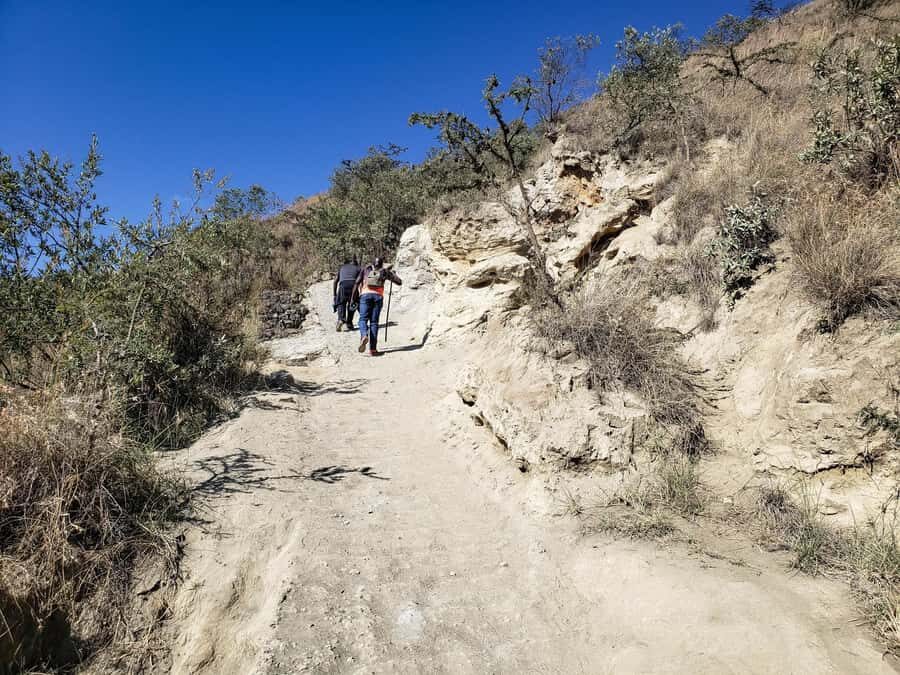
- Crater-rim hike at Mount Longonot with gullies on the ascent and a chance to keep circling the rim if you feel strong
- Guided trek support that keeps the hike organized and takes the guesswork out of timing your effort
- Lunch at Lake Naivasha Crescent Camp so you can eat near the lake instead of hunting for food
- One-hour Lake Naivasha boat cruise aimed at wildlife moments like fish eagles and the hippo pool
- Private comfort with pickup/drop-off and transport in an air-conditioned vehicle
Entering The Rift Valley: Nairobi to the Great Escarpment Viewpoint
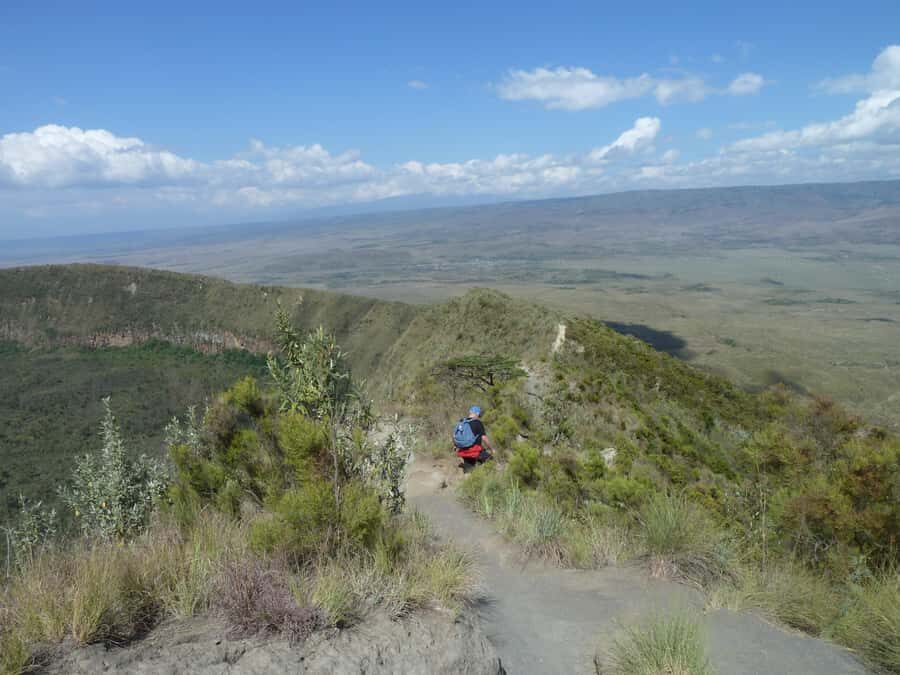
The day starts early from Nairobi, with departure at 6:00am. The point of that early start is simple: you want daylight for the views and enough time to do the hike without feeling rushed.
As you drive, you pass through Kikuyu lush green highlands before reaching the eastern escarpment of the Rift Valley system. This is where the scenery changes fast—roads, air, and altitude all shift as you move toward the Rift’s dramatic drop.
The first big stop is the Great Rift Valley View Point around 6:30am. From here, you get a birds-eye perspective on the Rift Valley floor—rolling green areas broken by volcanic features and the line of the valley itself. It’s the kind of view that makes you understand what you’re hiking toward later, even before you leave the vehicle.
If the weather cooperates, you may also be able to spot volcanic formations like Mt Suswa and Mt Longonot, which makes the landscape feel connected instead of random. Bring your camera and keep it ready—this is a true photo stop, not just a quick pull-over.
One practical note: viewpoint photos are easiest if you have your settings dialed in before you stop, because you won’t want to fumble with your gear once you’re there.
You can also read our reviews of more private tours in Kenya
Mount Longonot National Park: A Crater Hike With Real Effort
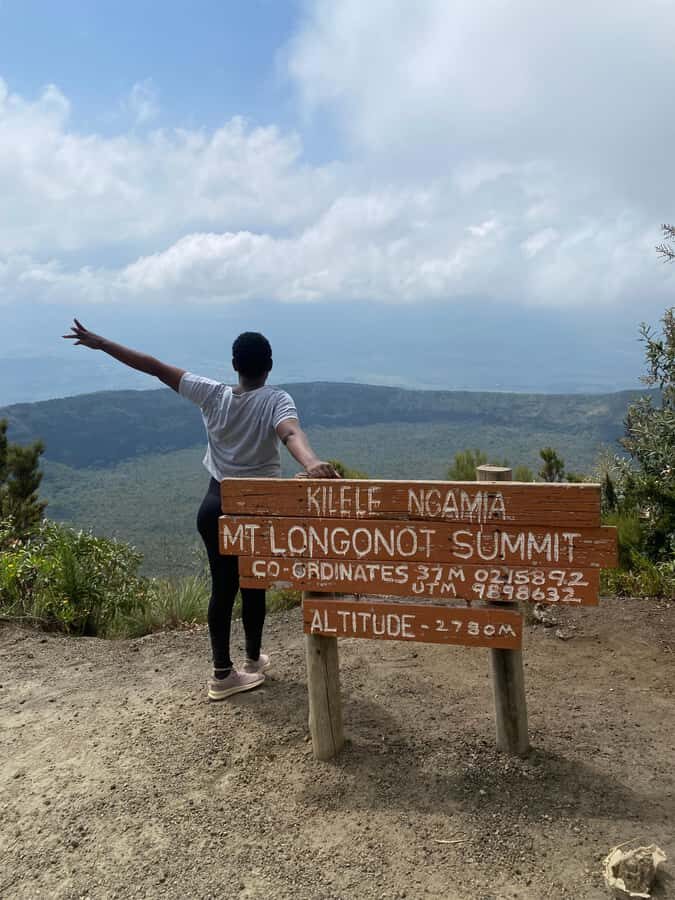
You reach Mount Longonot National Park around 7:00am, and the hike begins. The trek is usually described as “medium physical fitness,” which is tour-speak for this: you don’t need to be an athlete, but you should not plan for an easy stroll.
Expect roughly 4 hours of hiking time in the park, and the day overall involves at least a 3-hour hike. The route climbs through gulleys along the sides of the mountain. Those channels can slow you down if you’re not used to uneven ground, so take it steady and use rest stops when they’re offered.
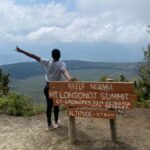
When you get to the rim of the crater, the view opens in a way that’s hard to explain until you’re standing there. Looking down into the crater gives you that rare combo of height and depth—enough to feel like you’re in a different world, even though you’re still in a national park environment.
If you still have energy, you can go round the rim. That’s not required, but it’s a nice option if you like stretching your walk and you can manage the extra time on foot. I’d treat this as a “listen to your legs” decision, especially if it’s warm or you don’t hike often.
A guide is included for the trek. In my view, that’s useful even if the trail feels signposted, because it keeps the pace reasonable and helps you focus on the climb instead of logistics. It also means you’re less likely to second-guess where you’re supposed to go next.
What to bring matters here. Comfortable shoes are non-negotiable. A reusable water bottle is a good idea too, since the hike portion is long enough that you’ll appreciate having water on hand.
What the Descent Feels Like (and Why Timing Matters)
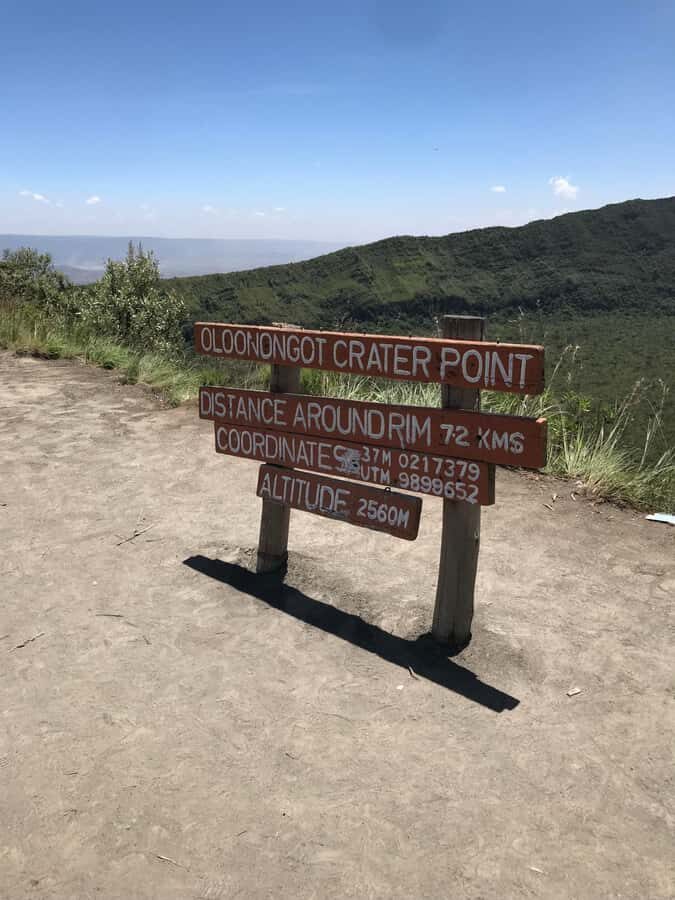
Around 12:00pm, you descend back toward the base at the park headquarters. The descent can feel easier than the climb in terms of effort, but it often feels harder on your knees and footing, especially on uneven ground.
This is where good pacing pays off. If you go too fast on the way up, you’ll feel it on the way down. If you pace yourself, you’ll be able to enjoy the rim view without arriving at the finish too drained.
By the time you’re leaving the park, you’ll likely feel that classic day-trip mix: proud you did it, a little tired in the best way, and ready for food.
The itinerary then shifts quickly from hiking mode to relaxation mode, with the drive toward Lake Naivasha.
Lake Naivasha Lunch at Crescent Camp: Eat Near the Water
You arrive at Lake Naivasha Crescent Camp for lunch around 1:00pm. Lunch is not included in the tour price, but the stop is part of the day’s flow—so you don’t lose time searching for a meal.
The upside of eating here is location. You’re dining in a setting close to the lake, which helps your brain switch from crater effort to wildlife-watching calm. You also get a set meal window, which matters on a 10-hour schedule.
One tradeoff: the stop can be a bit on the touristy side. Still, if you’ve just hiked for hours, convenience is a feature. I’d plan to keep lunch quick and focused so you’re not pushing your energy into the cruise.
If you’re someone who hates waiting, this lunch stop is generally straightforward. The main thing is to hydrate before the boat time so you’re comfortable once you’re out on the water.
The One-Hour Lake Naivasha Boat Cruise: Hippo Pool Energy
Your boat ride begins around 2:30pm, and it’s scheduled for about one hour. This is the part many people remember as the payoff after the morning climb.
The cruise is set up for wildlife watching, with a big emphasis on birds. You’re in the right place for moments like the African fish eagle, known for diving into the water to catch fish. Watching it work can happen fast, so it helps to stay ready—camera or binoculars in an easy position.
You’ll also head toward the hippo pool. That’s where you may spot hippos as they swim and make noises. There’s often a wow factor when you see them open their mouths wide—again, not every second is a dramatic moment, but it’s a memorable stop when it clicks.
This is also where I’d manage expectations in a healthy way. A boat cruise doesn’t guarantee a perfect action scene every minute. But the goal is to increase your odds by being on the water in the right area at the right time.
The boat ride itself is listed as optional at $25 per person. The day’s schedule includes time for the cruise, but you’ll want to confirm whether you’re adding the boat option at booking or paying it on arrival.
If you’re debating whether it’s worth the extra cost, I think the answer is usually yes. The cruise is the segment that turns your day trip into a wildlife day, not just a hike day.






Price and Value: What You Pay, What You Don’t
The tour price is $69 per person, and it runs about 10 hours from Nairobi with pickup and drop-off included. It’s private, and you have transport in an air-conditioned vehicle, plus an English-speaking driver and a hiking guide.
What’s not included is the part that can surprise people at checkout: entrance fees are listed separately at $26 per person, plus a $1 convenience fee charged by the government site. Lunch is also not included, and the boat ride is optional for $25 per person.
So how does this add up in real terms?
- If you hike only (and skip boat), your total comes from tour price + entrance fees + whatever lunch costs.
- If you add the boat cruise, budget the cruise fee too, because it’s the most obvious add-on wildlife experience.
Where the value sits is in the effort it saves you. You’re not arranging transport to Longonot, not organizing timing for a crater hike, and not planning the switch over to Naivasha. You’re paying for a full-day structure with guides and the vehicle handled.
It’s also worth noting that guided time on Longonot isn’t mandatory in a general sense—the area is signposted—but your included guide smooths your day. If you want the least-stress version of a hike day trip, this setup fits that goal.
The fact that the day includes both a crater hike and a lake wildlife cruise is the biggest value driver. You’d spend time and energy piecing that together on your own.
Logistics That Make or Break a Day Trip
A 10-hour day tour lives and dies by pace. Here’s what matters for you so you can plan smart.
First: the hike is the hard work. Plan your footwear, water, and energy for Longonot. If you go in with tired legs or heavy expectations of a slow walk, you’ll feel it.
Second: the order is practical. You do the viewpoint and the hike while the day is fresh, then you transition to lunch and the cruise. That timing means you’re less likely to feel exhausted by the time the wildlife portion starts.
Third: bring flexibility for photos. The escarpment viewpoint is built in as a scheduled stop, and you’ll want time to shoot. Don’t plan to do long photo sessions everywhere—focus on the viewpoint and the crater rim.
Finally: confirm your choices for the boat cruise. Since it’s optional, make sure it’s included in your plan before you arrive at that stage of the day.
Small tip that helps: keep your reusable water bottle accessible. When you finally reach the crater rim, you’ll be glad you’re not digging through bags.
Who This Tour Fits Best
This day trip is a strong match if you want two headline experiences without adding hotel nights. It’s especially good for:
- People who like mixing a real hike with a wildlife boat cruise
- Anyone visiting Nairobi who wants to see more of the Rift Valley than just a viewpoint
- Travelers who prefer having a driver and guide handle the sequencing
If you’re looking for a purely relaxing day with minimal walking, this probably won’t feel like the right fit because the hike is substantial and timed.
If you’re comfortable on uneven ground and you enjoy panoramic views, this becomes a satisfying day: views in the morning, crater drama midday, and birds and hippos in the afternoon.
Should You Book This Mount Longonot and Naivasha Day Trip?
I’d book it if you want a well-paced Rift Valley day that includes both the crater rim experience and the Lake Naivasha wildlife cruise. The best reason is value-for-effort: your transport and guides are handled, and you get two different kinds of wow in one long day.
I wouldn’t book it if you’re expecting an easy walk or if you’d rather spend that time on just one place. The hike requires real effort, and entrance fees plus optional boat cost can change your final budget.
If you’re on the fence, ask yourself one question: do you want the crater hike and the lake cruise together? If yes, this itinerary is built for you. If no, you might prefer a shorter or more focused option elsewhere.
FAQ
How long is the Mount Longonot day tour from Nairobi?
The tour lasts about 10 hours, with hotel pickup in Nairobi in the early morning and return drop-off at your hotel.
What time do you leave Nairobi?
You depart Nairobi at 6:00am.
Is the hike to the crater difficult?
The hike requires medium physical fitness, and you should plan for at least a 3-hour hike. You’ll climb through gullies on the mountain.
Are entrance fees included in the tour price?
No. Entrance fees are listed separately at $26 per person plus a $1 convenience fee charged by the government site.
Is a guide included for Mount Longonot?
Yes. A hiking guide is included as part of the tour.
What about lunch— is it included?
Lunch is not included. The tour notes that they can drive you to a restaurant.
Is the Lake Naivasha boat ride included?
The boat ride is listed as optional. The price shown is $25 per person.
What languages are the guides available in?
The live tour guide is available in English and Spanish.
What should I bring for the day?
Bring comfortable shoes and a reusable water bottle.