REVIEW · NAIROBI
3 Days Masai Mara Group Budget safari in 4×4 Jeep Daily Tour
Book on Viator →Operated by JungleRoam Safaris (Kenya) · Bookable on Viator
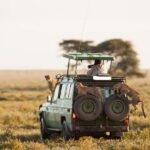
Mara in three days, no fuss. This budget 4×4 safari is a straightforward way to chase Maasai Mara wildlife, starting with an early Nairobi pickup and ending back in town. You’ll spend real time in the park, not just on the road, with a guide who’s focused on finding animals and getting you good sightlines from the jeep.
I especially like two parts. First, the schedule gives you a late Day 1 game drive (about 4:00–6:00 pm) plus a full Day 2 game drive. Second, the guide factor matters: names like John, Solomon, James, Julius, Joshua, and Evans show up in recent feedback, and the common theme is confident spotting and respectful driving around wildlife.
The main consideration is that this is a budget safari. You’re sleeping at Lenchada Camp, and drinks aren’t included, so the comfort level is practical rather than fancy. Also, no safari can guarantee the Big Five every time, so go in expecting great odds and memorable encounters, not a checklist.
In This Review
- Key things to know before you go
- Nairobi-to-Masai Mara: the rhythm that keeps this safari feeling efficient
- The first drive and the Rift Valley stop: when your safari day really starts
- Lenchada Camp on Day 1: what the overnight really means for your wildlife chances
- Day 2 full-day game drive: where your odds improve
- Day 3 return to Nairobi: optional Maasai village time, then the drive home
- Price and value: is $540 worth it for 3 days in the Mara?
- Group size and the real-life meaning of “maximum 100 travelers”
- Comfort, safety, and what to expect from a guide-led 4×4 day
- Food and drinks: included meals are helpful, but bring your own choices
- What you can realistically hope to see in the Mara
- Who this safari suits best (and who might want a different setup)
- Quick practical tips before you book
- Should you book this 3-Day Maasai Mara budget safari?
- FAQ
- What time is pickup in Nairobi?
- Where does the safari end?
- How long is the safari?
- How much does it cost?
- What is included in the tour price?
- Are drinks included?
- Is a Masai village visit included?
- Is a balloon safari included?
- How big is the group?
- What is the cancellation policy?
Key things to know before you go
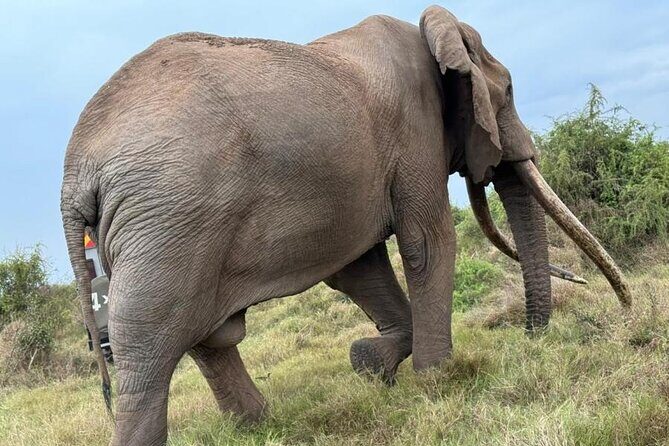
- 4×4 jeep style game drives: more time hunting wildlife, less time stuck watching the clock.
- Day 2 is the heavyweight: a full day game drive is where most sightings tend to happen.
- Rift Valley viewpoint stop: volcanic landscape views on the way from Nairobi add context to the journey.
- Lenchada Camp base: an on-the-ground camp stay that keeps the safari feeling “in the Mara.”
- Guide-led searching: strong navigation and wildlife awareness are repeatedly praised by named guides.
Nairobi-to-Masai Mara: the rhythm that keeps this safari feeling efficient
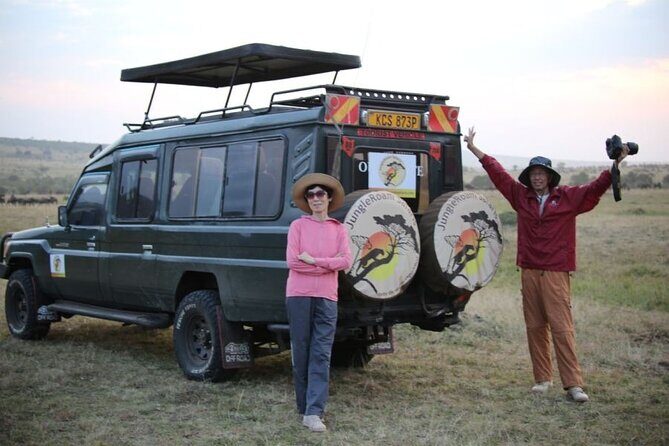
This tour is built around one simple idea: if you’re paying for a safari, you want hours in the Mara, not hours waiting. You’re picked up from Lakhamshi House in Nairobi at 8:00 am, then you’re pointed toward the reserve in a 4×4 jeep. It’s a long day on Day 1, but the timing is set up so you don’t arrive, check in, and immediately disappear into sleep.
Even better, the route includes a Great Rift Valley viewpoint stop. You get a break from the highway, plus a chance to look at the volcanic effects that shaped this part of Kenya. That small pause helps the whole trip feel grounded. You’re not just “going to see animals.” You’re also moving through a landscape with a real geological story.
Because it’s a group budget plan, I’d call it ideal for people who want a classic safari experience without paying for top-tier extras. If you’re brand-new to safari or you just want the core highlights done well, this format makes a lot of sense.
A few more Nairobi tours and experiences worth a look
The first drive and the Rift Valley stop: when your safari day really starts
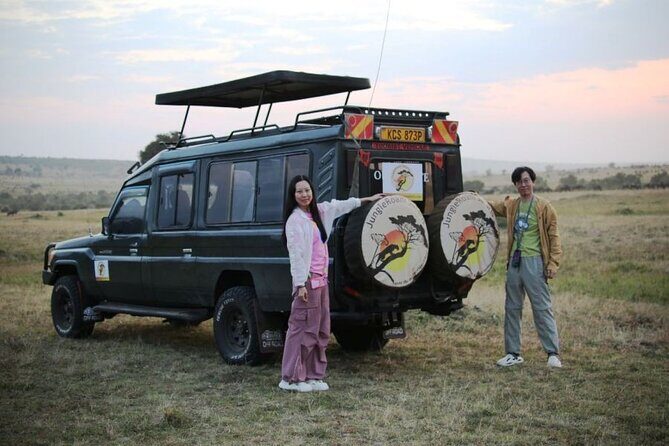
Your Day 1 begins early and stays active. After pickup at 8:00 am, the jeep makes a Rift Valley viewpoint stop along the way. This is the kind of roadside interruption that often gets skipped on faster, cheaper tours. Here, it’s part of the flow—just long enough to stretch your legs and take in the dramatic scenery.
Then you continue to the Maasai Mara area in time for lunch and check-in at Lenchada Camp. That matters more than it sounds. Arriving with enough daylight and time for lunch keeps you from feeling rushed or cranky when the first wildlife portion begins.
You rest briefly, then head out again for an evening game drive around 4:00 pm, returning around 6:00 pm. That timing is useful. Late afternoon and early evening often bring strong activity—animals moving between feeding and rest areas, plus a softer light that helps with spotting and photography.
Lenchada Camp on Day 1: what the overnight really means for your wildlife chances
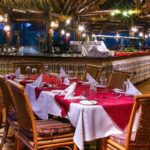
Let’s talk about the camp, because it affects how you feel on safari. Your overnight is at Lenchada Camp, with dinner and sleep included. This is a budget safari, so don’t expect luxury comforts. What you can expect is the practical win: you’re close to the action, and you don’t lose the next morning to a long commute.
After the afternoon drive, dinner is included, so you’re not hunting for food options in a new place while trying to recover from a day of travel. Breakfast is on Day 2 at 6:00 am, which means your evening routine should be simple: shower if available, eat, and get ready for an early start.
If you’re the kind of person who wants a calm first night, this plan gives it to you. If you’re the kind who wants to maximize daylight, you’ll still get that with the morning and full-day drive on Day 2. Day 1 is a “set-up and start strong” day, not a throwaway.
Day 2 full-day game drive: where your odds improve

Day 2 is the big one. After breakfast at 6:00 am, you depart for a full day game drive lasting about 8 hours. This is the point where most safari energy lives. You’re out in the Mara for enough time to track movement patterns and spend long enough at sighting areas to see how activity unfolds.
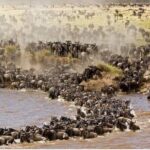
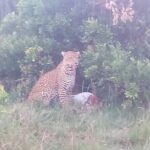
This is also where the Big Five idea becomes more than a marketing line. The park is known for excellent odds of seeing big cats and the rest of the famous species set, including elephants, and buffalo, depending on conditions. Even if the Big Five don’t all show up, you’re still set up for a lot of variety.
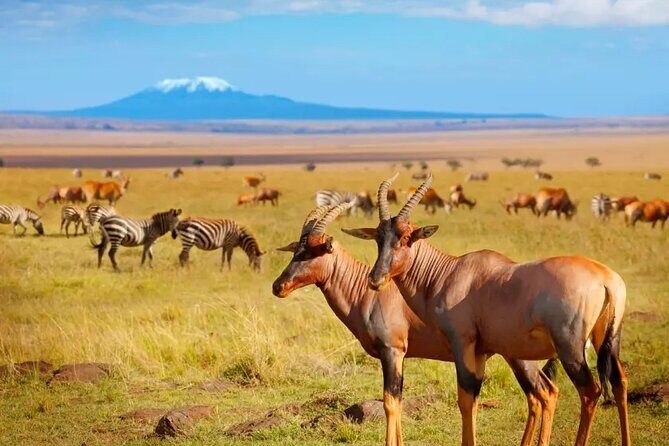
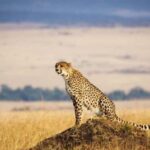
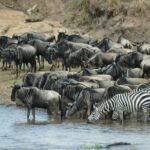
The tour’s animal list is broad, and that’s a good sign for you. It points to a trip designed to scan for multiple wildlife groups—like cheetah, serval, hyena, bat-eared foxes, jackals, hippo, crocodile, and baboons—plus antelope species such as topi, eland, Thompson’s gazelle, Grant’s gazelle, impalas, water bucks, oribi, reed-buck, and zebra.
Now, here’s what I’d focus on as a practical safari mindset: a full day lets your guide adjust. If lions are quiet in one zone, the jeep can move. If the group hits a good spot, you can stay long enough to watch behavior—resting, feeding, or movement. That decision-making is exactly where an experienced guide earns their keep.
In the feedback tied to this kind of safari, guides such as Solomon, John, Joshua, and Evans are repeatedly highlighted for safe, steady driving and strong navigation. That’s important. In a reserve, being in the right place at the right moment often beats speed.
Day 3 return to Nairobi: optional Maasai village time, then the drive home
Day 3 starts with early breakfast, followed by an optional Masai village visit. This optional add-on is one of those choices that depends on what you want out of your safari day. If you want culture alongside animals, it’s there. If you’d rather stay focused on wildlife, you can keep the morning simple and move on with the return.
After breakfast and check-out, the drive back to Nairobi happens via Narok town for lunch. Arrival is around 3:30 pm, and you’re dropped off back toward your lodging area.
The Day 3 structure is designed for a gentle landing: you’re not planning another long game drive, so you can manage energy after a full Day 2. It’s also useful if you’ve got another plan the same evening in Nairobi. You won’t be totally wrecked at midnight.
One detail worth noting: park admission is covered as part of the tour information for the earlier days (Day 1 and Day 2), while Day 3 is listed as admission free. Translation: you’re not getting hit with extra entry costs during the safari portion.
A few more Nairobi tours and experiences worth a look
Price and value: is $540 worth it for 3 days in the Mara?
At $540 per person, this is clearly positioned as a budget safari. The question isn’t just whether it’s cheaper than others—it’s what you’re actually getting for your money.
Here’s what’s included in a way that matters for your experience:
- Guide (this is huge for spotting and for navigating the reserve effectively)
- Meals: lunch is included on 3 days, dinner is included on 2 days, and breakfast is included on 2 days
- Game drive time in the Mara across Day 1 and Day 2
- Park admission included for Day 1 and Day 2 (and Day 3 is listed as free)
Also, because this is a group tour, you’re spreading the cost of the safari operation across multiple people. That often means you can afford a real on-the-ground safari stay instead of doing a rushed day trip.
Is it “value” in the sense of five-star everything? No. But value is about trade-offs. Here the trade-off is budget comfort rather than budget wildlife time. If you want the Mara, not a resort package, this price makes sense.
One more detail: this safari is commonly booked about 19 days in advance on average. That tells me there’s steady demand for this exact style of itinerary. If you have firm dates, it’s safer to book sooner rather than later.
Group size and the real-life meaning of “maximum 100 travelers”
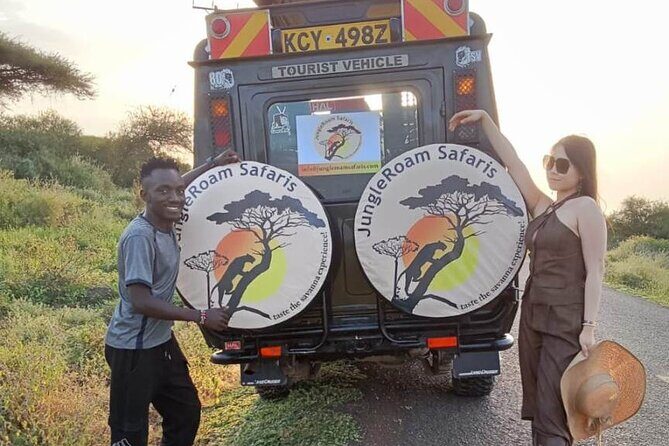
The tour lists a maximum of 100 travelers. That number is about overall capacity for the operator’s schedule, not necessarily how many people are in your actual jeep at once. But it does suggest this isn’t a private, small-group safari.
For you, the practical impact is mostly about atmosphere and logistics. Expect organization and a clear plan. Expect that you might share lodge and vehicle space with others. The good news is the core safari experience is centered on the guide, the jeep, and the park time.
In feedback tied to this safari style, a lot of people praise the guide’s ability to get them to good places quickly and to keep the drive safe and comfortable. That’s what you should watch for when booking any group safari—whether the operator emphasizes professional driving and respectful wildlife viewing.
Comfort, safety, and what to expect from a guide-led 4×4 day
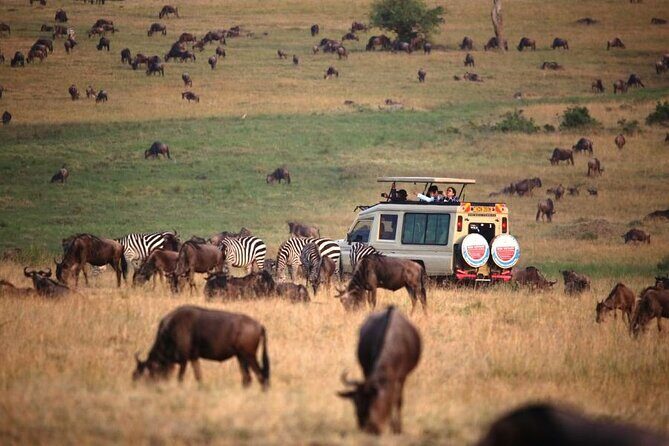
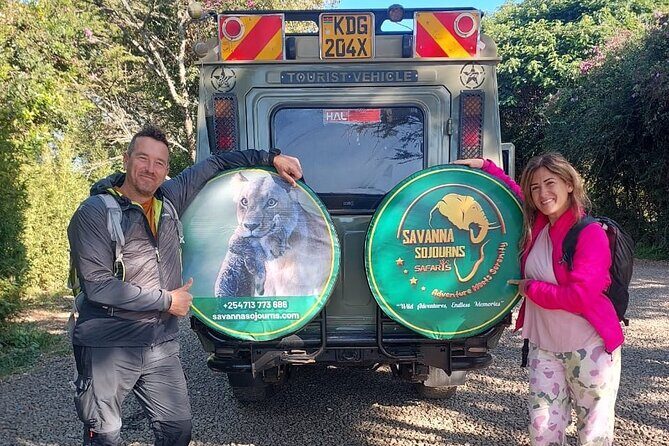
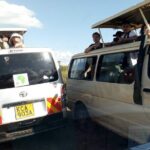
Safari comfort is mostly about two things: driving quality and the pace of stops. A 4×4 jeep helps, but only if it’s driven well. In the feedback names like Solomon and John come up with praise for safe driving and strong navigation. Another name that appears with emphasis is Joshua, with praise for staying respectful of animal boundaries.
That “boundaries” detail matters more than people think. A good guide doesn’t just get you close. They get you close in a way that respects the animals’ space and keeps the jeep positioned safely. It usually means fewer pointless chase moments and more time watching real behavior.
Also, communication seems to be a strength. Solo participants in the provided feedback describe the setup as smooth and comfortable, with good communication from the office and the guide. So if you’re the person who likes clarity—pickup time, timing, and what happens next—this style tends to fit.
Food and drinks: included meals are helpful, but bring your own choices
Meals are a big part of why this safari is easy to budget. Lunch is included 3 times, dinner is included 2 times, and breakfast is included 2 times. That takes the guesswork out of finding food or paying extra daily costs.
What’s not included is straightforward: drinks like alcohol. So if you want beer, wine, soda, or juice, plan to pay extra. And since this is a budget tour, don’t assume you’ll have a lot of drink options available at camp without additional purchase.
Also note what’s optional or not included:
- Masai village is optional
- Balloon safari is not included
This is one of those “choose your own adventure” moments. If you want ballooning, you’ll need to arrange it separately. If your priorities are animals and time in the park, you can skip it.
What you can realistically hope to see in the Mara
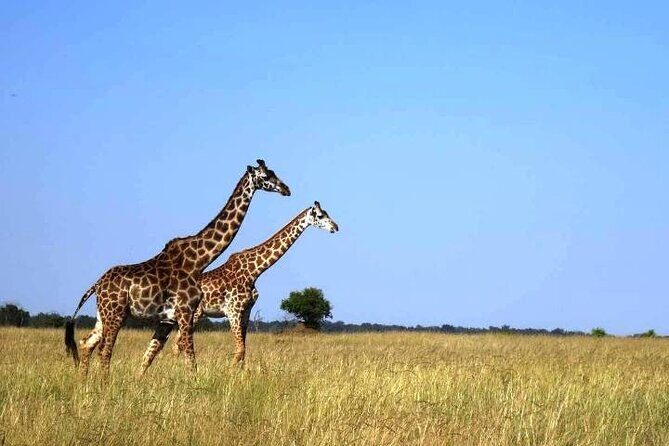
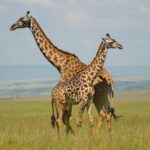
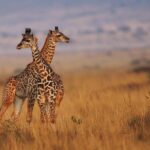
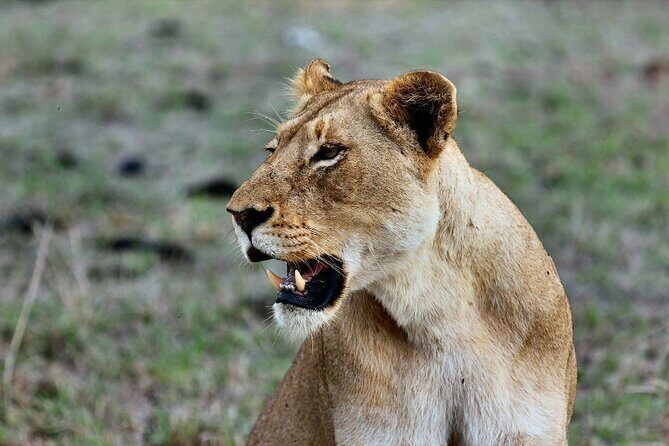
The park is famous for a reason. You’re chasing open savannah with classic acacia-tree scenery and the kind of wildlife density that makes the hours feel fast. The tour is built around searching for the “Big Five,” and the listed species range supports that.
Based on the tour’s animal list and the safari focus, you can expect a mix like:
- big cats such as cheetah
- predators like hyena and jackals
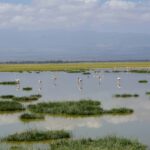
- water-edge wildlife such as hippo and crocodile (when conditions line up)
- many antelopes (impalas, gazelles, topi, eland, water bucks, and more)
- frequent day-to-day sightings like zebra and baboons
Here’s my honest advice: treat it as odds and opportunities. Your best strategy is to stay flexible. A full day on Day 2 improves your chances because the guide can move with what the animals are doing.
Who this safari suits best (and who might want a different setup)
This safari fits you best if:
- you want a classic Maasai Mara experience without paying for premium upgrades
- you’re okay with budget camp comfort as the trade-off
- you value guide quality and want someone who drives safely and hunts for sightings
- you’re traveling with friends or as a solo person and want a simple structure with clear meal and timing coverage
You might want a different style if:
- you demand a more private, small-group pace
- you want lots of extra add-ons like ballooning included
- you’re chasing a luxury camp experience rather than wildlife time
The itinerary is built to get you into the reserve and keep you moving. It’s not built to slow down into a “spend-all-day at one lodge” vibe.
Quick practical tips before you book
- Pack for early mornings. Day 2 starts at 6:00 am, and you’ll be in the jeep for long stretches.
- Bring layers. Safari days can shift from warm to cooler air as the day turns.
- Bring sun protection and something for dust. A jeep safari can get dry and dusty.
- If you care about culture, plan for the optional Masai village early on Day 3 so you’re not scrambling.
Also, if you’re sensitive to comfort, read the budget angle correctly: included meals and solid game drive time are the win here. Luxury is not the product.
Should you book this 3-Day Maasai Mara budget safari?
I’d book this safari if your main goal is to get into Masai Mara quickly from Nairobi, spend meaningful time in the park (especially Day 2), and keep costs under control without losing the guide-led safari experience. With pickup from Lakhamshi House, meals included, admission covered for the safari days, and a camp base at Lenchada Camp, the package hangs together well.
If you want ballooning, expect drinks to cost extra, and know that comfort is practical. The schedule is efficient, not leisurely. If you can handle that trade-off, it’s a strong value way to experience the Mara.
If you’re ready to lock in dates, remember it’s often booked around three weeks ahead, so give yourself room. And if plans change, you can cancel for a full refund as long as you do it at least 24 hours before the experience starts.
FAQ
What time is pickup in Nairobi?
Pickup is scheduled for 8:00 am from Lakhamshi House, Nairobi, Kenya.
Where does the safari end?
The activity ends back at the meeting point. The itinerary also notes a drop-off at your hotel after returning to Nairobi around 3:30 pm.
How long is the safari?
It runs for about 3 days.
How much does it cost?
The price is $540 per person.
What is included in the tour price?
The tour includes a guide, lunch (3 times), dinner (2 times), breakfast (2 times), and admission tickets are included on Day 1 and Day 2.
Are drinks included?
No. Drinks, such as alcohol, are not included.
Is a Masai village visit included?
The Masai village visit is optional.
Is a balloon safari included?
No. Balloon safari is not included.
How big is the group?
The maximum group size is listed as 100 travelers.
What is the cancellation policy?
Free cancellation is available up to 24 hours in advance for a full refund. If you cancel less than 24 hours before the start time, the amount paid is not refunded.