REVIEW · NAIROBI
From Nairobi: 3 – Days Maasai Mara Group Safari by 4WD
Book on GetYourGuide →Operated by EXCELLENT GAMESPOTTING ADVENTURES · Bookable on GetYourGuide
A 4WD safari in Maasai Mara hits fast. This budget-minded 3-day Maasai Mara group safari from Nairobi is built around two chances to spot wildlife: a sunset game drive and a full day in the reserve, with meals and camping included. I especially like the practical setup for wildlife viewing, including a 4×4 with a pop-up roof that makes spotting and photos easier, and the way the schedule lines up for big cat action.
I also like that you’re not just looking for the Big Five in theory. You’re driven across the reserve with a guide who hunts sightings in real time, and the plan explicitly targets animals beyond the big names too, like hippos and Nile crocodiles. One possible drawback to keep in mind is that Maasai Mara park fees are not included, and they can noticeably change your final budget.
In This Review
- Key Highlights to Know Before You Go
- Nairobi to Maasai Mara in a Group 4WD Setup That Actually Works
- Day 1: The Great Rift Valley View and the Long Road to the Reserve
- Sunset Game Drive: Why Lions and Leopards Are Often the Main Story
- Night at Rhino Tourist Camp: Basic Camping, Clean Expectations, and Comfort Variations
- Day 2 Full-Day Game Viewing: Hippos, Crocs, and That Picnic Lunch Break
- Great Migration Timing: When June to November Changes the Whole Safari
- Optional Maasai Village Stop: A Cultural Add-On Worth Thinking Through
- Price and Park Fees: The Math You Should Do Before You Book
- Guides and Game-Spotting: Why the Right Driver Can Make or Break Your Day
- Who Should Book This 3-Day Maasai Mara Safari?
- Should You Book This Maasai Mara Group Safari?
- FAQ
- How long is the Maasai Mara safari from Nairobi?
- What’s included in the price?
- Are Maasai Mara park fees included?
- How much are the park fees?
- How many game drives do I get?
- Can I see the Great Migration on this tour?
- Is the Maasai Village visit included?
- How much is the balloon safari?
- Is this safari suitable for everyone?
Key Highlights to Know Before You Go
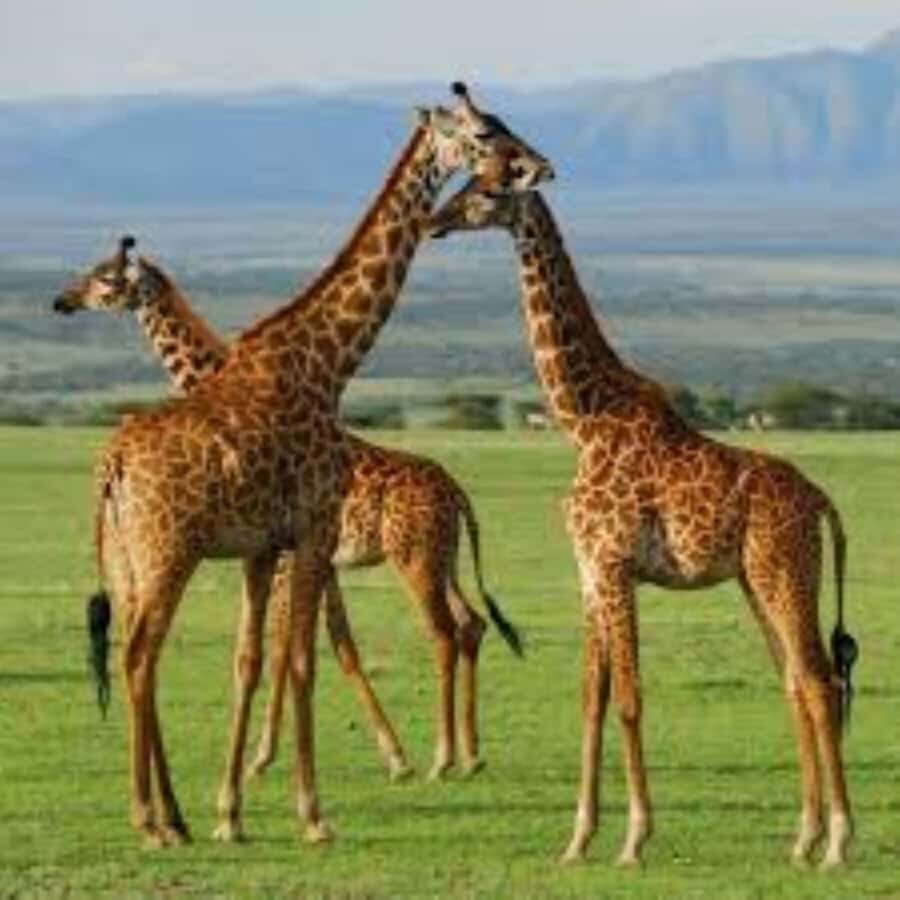
- Pop-up roof 4×4 viewing: set up for quicker animal spotting and better photo angles.
- Sunset game drive focus: designed for stronger odds with lions and leopards.
- Full-day game viewing: the best slot for the widest mix of species.
- Rhino Tourist Camp-style camping: basic but often clean, with some people reporting more comfort than expected.
- Great Migration timing matters: best chance around June to November for wildebeest and zebra movement.
- Optional Maasai Village stop: cultural learning for an extra fee, with mixed opinions on the experience style.
Nairobi to Maasai Mara in a Group 4WD Setup That Actually Works
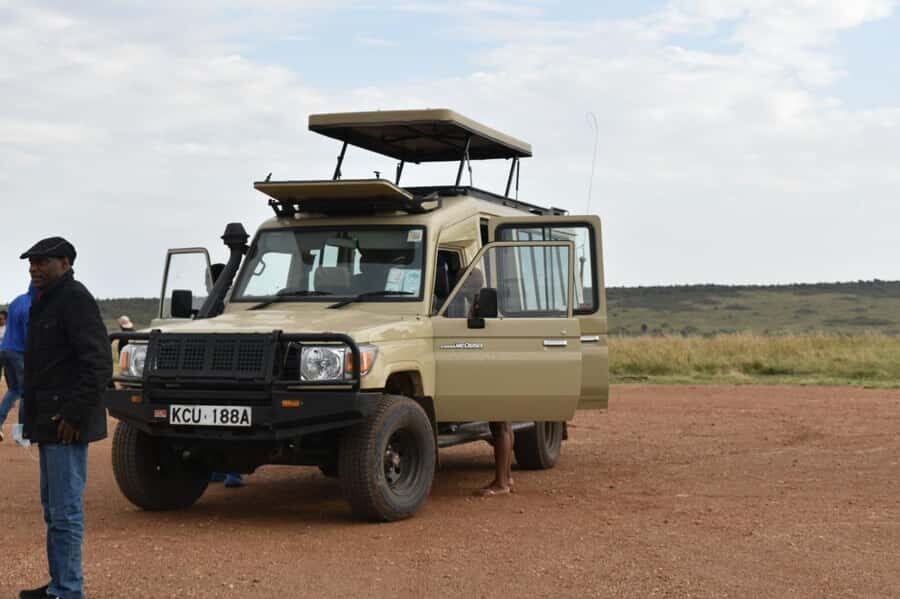
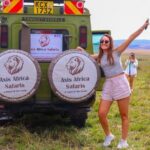
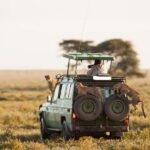
If you’re doing Maasai Mara on a budget, the trick is choosing a plan that makes time count. This tour is built for people who want the real reserve experience without paying luxury lodge prices. You’ll leave Nairobi, ride in a 4×4 Land Cruiser with a pop-up roof for game viewing, and sleep in a budget-tented camp for two nights.
The group format can be a plus. You’ll have fellow travelers to share the long drive moments with, and you’ll likely find the day feels smoother because meals and drives are handled for you. In several guest accounts, the guides also come up as a key reason the safari feels good, not just convenient.
For you, the value idea is simple: you’re paying for transport, food, camping, and two official game drives. The big unknown is whether your sightings match your expectations, because that depends on the animals and the day. That said, the schedule is deliberately aimed at the hours when predators are often easier to spot.
A few more Nairobi tours and experiences worth a look
Day 1: The Great Rift Valley View and the Long Road to the Reserve
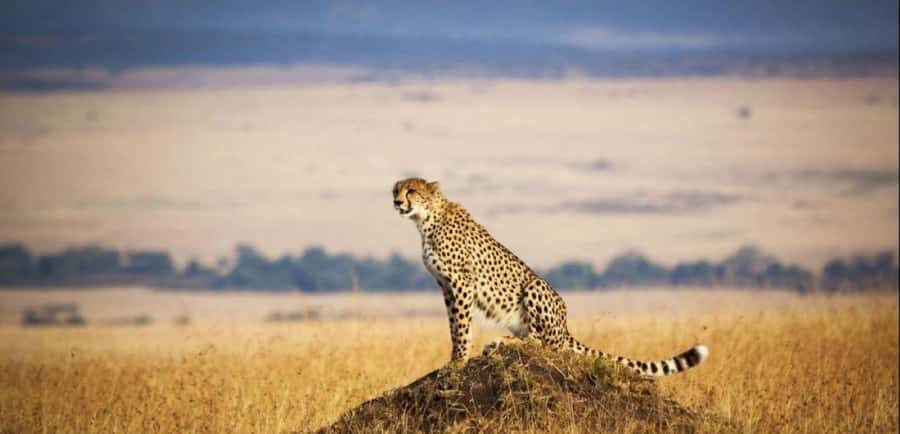
You’ll be picked up from your Nairobi hotel area (city center/Westlands) within the morning window and head out via the Great Rift Valley. The drive includes a viewpoint stop where you can see the Rift Valley floor from above. Even if you’ve seen photos before, this kind of viewpoint helps you understand why the Mara ecosystem works the way it does.
Arrival timing matters. You’ll reach the camp in time for lunch, then you’re back out for the sunset game drive. That means Day 1 isn’t just a transfer day. It’s a transfer plus an actual wildlife outing before you call it a night.
Practical note: the road days into the Mara can feel long. One guest specifically warned the drive can stretch close to seven hours depending on conditions. So pack your patience, not just your camera gear. Also, keep your hotel lobby timing tight, since pickup is usually scheduled and you’re expected to wait roughly 10 minutes before pickup.
Sunset Game Drive: Why Lions and Leopards Are Often the Main Story
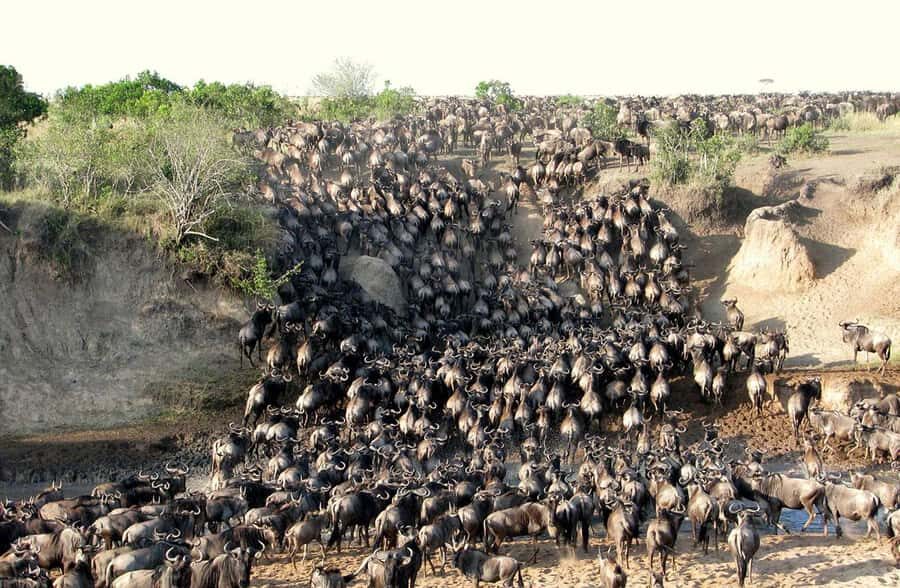
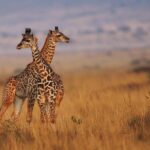
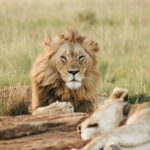
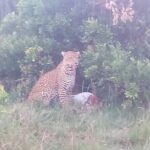
The standout wildlife slot on this trip is the sunset game drive in Maasai Mara National Reserve. The tour is explicitly scheduled for evening viewing because it can improve your odds of seeing big cats when the light changes and animals move.
This is where guide skill really shows. Multiple guests praised guides for spotting animals efficiently, including using radio communication and working knowledge of where animals tend to be. Names that came up often include Kush, Paul, James, Alex, Charles, Chege, Richard, Peter, and Benjamin, with people describing them as careful drivers and sharp spotters.
Here’s what I think you should take from that, even if you’re on a tight budget: sunset drives are worth leaning into mentally. Don’t assume you’ll see everything instantly. Instead, treat it like hunting time. Your guide will usually position the vehicle for sightings while staying mindful of wildlife proximity, which is important for both safety and animal behavior.
Night at Rhino Tourist Camp: Basic Camping, Clean Expectations, and Comfort Variations
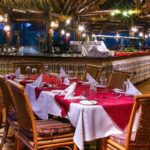
After the sunset drive, you return for dinner and sleep at a budget camp, with Rhino Tourist Camp or similar. “Budget-tented camp” can sound rough if you picture jungle camping. In practice, you should expect simple but functional safari accommodation.
What you can reasonably expect from the data here:
- Tents/camping style for two nights
- Dinner and breakfast included
- Bottled water provided in the safari vehicle
What you might find surprising (based on reported experiences):
- Some guests described Rhino Tourist Camp as having more comfort than expected, including sleeping arrangements with running water and mini-apartment style setups for each person.
- Others were more direct that it’s basic, clean, and fine for the goal (wildlife and value), not for luxury.
So plan for “camp comfort,” not hotel comfort. Bring what helps you sleep: a light layer for evenings and whatever toiletries you like using. One guest noted that toiletries may be minimal beyond a tiny bar of soap, so you’ll be happier if you come prepared.
Day 2 Full-Day Game Viewing: Hippos, Crocs, and That Picnic Lunch Break
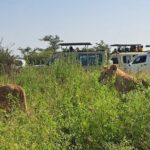
Day 2 is the heart of the safari. After breakfast, you head back out for a full-day game viewing session across Maasai Mara National Reserve. This isn’t just about checking off a list. The plan is designed to broaden sightings beyond the classic Big Five idea.
The tour description specifically points toward:
- Big Five searching (buffalo, elephants, zebras, rhinos, lions)
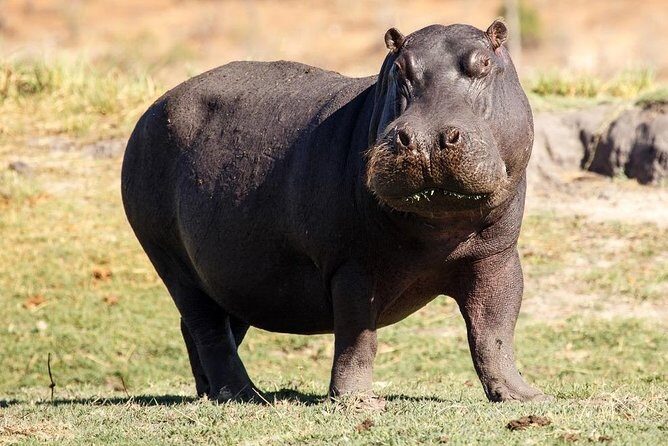
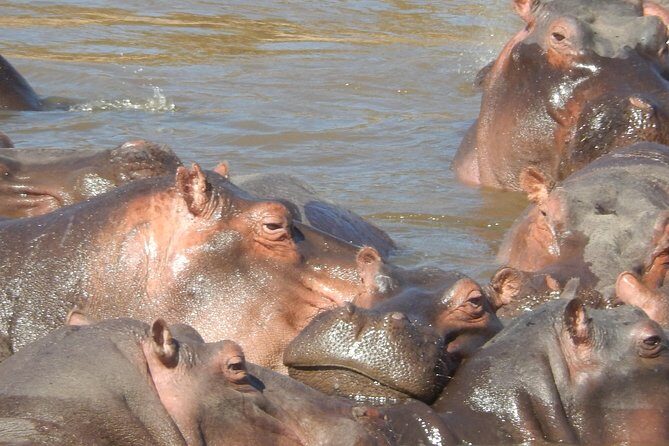
- Hippos
- Nile crocodiles
That matters because it changes how the reserve feels. Crocodiles and hippos often anchor the “water world” side of Maasai Mara. Even when you don’t see every big name, those sightings can be memorable in a different way.
Lunch is also built in. You’ll have a picnic lunch in the park under shade from a Croton tree. This is one of those small details that makes a safari feel less like a bus tour and more like time spent in the ecosystem. You’re still in the reserve, still watching for animals, and you’re not stuck waiting inside a lodge while the day passes.
One caution: the full day can be physically tiring. Even with plenty of time in the vehicle, it’s long. That’s normal. Pack sun protection, and keep your hydration routine steady since days can get hot.


Great Migration Timing: When June to November Changes the Whole Safari
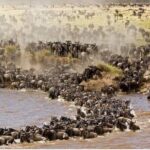
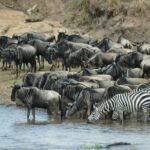
This tour calls out the Great Migration season: typically around June to November. That’s the window when you’re looking for millions of wildebeest and zebra moving across the landscape, following patterns shaped by grass and water.
If the herds are moving where your route is that day, the Mara becomes dramatic in a way few other parks can match. Even the story of predators changes during migration time. The plan notes that predators of the savanna follow the herds: lions, cheetahs, jackals, hyenas, and vultures.
What I’d tell you for expectations:
- If you travel during migration months, you can build your excitement around that possibility.
- If you travel outside the peak months, you’ll still find plenty of wildlife, but the migration spectacle you’re chasing might not happen on cue.
Either way, your guide’s ability to keep scanning and repositioning is what transforms a normal day into a standout one.
Optional Maasai Village Stop: A Cultural Add-On Worth Thinking Through
On your return to Nairobi, the tour offers an optional stop at a Maasai Village to learn about culture and lifestyle. The entry cost is listed as approximately USD 20, paid onsite. If you choose to go, treat it like a short encounter and ask questions. Focus on real interactions, not just photos.
You’ll get mixed signals from guest perspectives, and that’s honest. Some people described the village tour as special and the community as warm and welcoming. Others felt it had a more tourist-trap energy and didn’t deliver what they expected, especially if they were hoping for more guided storytelling rather than a checklist-style experience.
So decide based on your style. If you like meeting people and learning how daily life works, it can be a meaningful add-on. If you want education that feels deeply contextual, you might want to be selective—or skip it and use the time for rest on the long drive back.
Price and Park Fees: The Math You Should Do Before You Book
The headline price is USD 240 per person for 3 days, and that includes:
- 2 game drives (Day 1 evening + Day 2 full day)
- 2 nights at a budget-tented camp
- Meals: 2 breakfasts, 2 lunches, 2 dinners
- Transport in a 4×4 Land Cruiser with pop-up roof
- Bottled water during drives
- Pickup and drop-off within Nairobi city center/Westlands area
Here’s the part that changes your budget: Maasai Mara park fees are not included. The information provided here shows season-based pricing:
- January to June: USD 100 per person per day
- July to October: USD 200 per person per day
Another section describes totals for 2 days (January–June: USD 200 for 2 days; July–December: USD 400 for 2 days). So either way, you should plan for a significant extra cost on top of the $240.
Then add optional extras:
- Optional balloon safari: USD 600
- Maasai village entry: about USD 20
- Single tent supplement: USD 30 for the 2 nights
- Upgrades to mid-comfort accommodation: available on request (subject to availability)
My practical take on value:
- This tour is a good deal if you want real reserve time and you’re okay with basic lodging.
- If you expected park fees to be minimal, you’ll need to adjust. In this region, park access is a major line item, and the total trip cost can surprise first-timers.
Also, there’s a small debate about the worth of the evening drive for some people. One guest felt the evening game drive didn’t justify the park fee, while others loved the experience and wildlife sightings. The best approach is to accept that you’re paying for two drive days and treat the sunset slot as bonus odds for big cats rather than guaranteed magic.
Guides and Game-Spotting: Why the Right Driver Can Make or Break Your Day
On safari, the guide isn’t just driving. They’re reading the land, watching behavior, and keeping track of where animals are moving. In the standout accounts tied to this tour, guests repeatedly praised guides for professionalism and for actively finding animals.
Specific strengths that came up:
- Guides who know the park well and can position you effectively for sightings
- Safe, skilled driving in off-road conditions
- Communication while driving, including radio use mentioned by at least one guest
- Friendly personalities that help a group relax and feel confident
Names that were praised directly include:
- Kush (radio communication and gentle, attentive style)
- Paul (professional, polite, and very strong spotting skills)
- James (friendly, helpful, and highly supportive)
- Alex (excellent guide, fantastic safari day)
- Charles (amazing driver and spotter)
- Chege (experience finding the Big Five)
- Richard (born and raised Maasai, passionate and highly knowledgeable)
- Peter (checked in about preferences and made sure everyone felt comfortable)
- Benjamin (flexible and impressive instinct for spotting animals)
One small but useful detail from a guest: for solo travelers, getting a front seat can be a big deal. One person specifically liked sitting in front with a roof hatch and the option to stand to look out. Even if you’re not solo, it’s worth asking your guide what’s best for viewing and photos, because the vehicle setup can make a difference.
Who Should Book This 3-Day Maasai Mara Safari?
This is a great fit if:
- You want Maasai Mara without luxury pricing
- You value two full safari drive days worth of time more than extra lodge comfort
- You’re okay with basic camping as the trade-off for being out in the reserve
- You’re traveling during or near June to November if you want Great Migration odds
This is less ideal if:
- You’re chasing a fully packed safari with multiple game drives across multiple days. This plan gives two game drives total.
- You want a lodging experience that feels like a resort. Expect tents/camping style, not spa-level comfort.
- You’re pregnant. The tour data lists it as not suitable for pregnant women.
- You’re bringing pets. Pets are not allowed.
If your travel style is flexible and you’re excited by the idea of seeing lions, leopards, and the water-edge wildlife like hippos and crocodiles, you’ll likely enjoy this.
Should You Book This Maasai Mara Group Safari?
I’d book it if you want a practical, value-heavy way to experience Maasai Mara with real time in the reserve, not just a quick taste. The pop-up roof 4×4 setup, the sunset drive, and the full-day viewing are exactly the right ingredients for a first safari or a budget reset trip.
Before you commit, do two things:
1) Calculate the real total with park fees based on your travel month. That’s where the budget picture changes fastest.
2) Be mentally ready for basic camp comfort while focusing your energy on sightings and the guide.
If that sounds like your kind of trip, then yes: this is a solid way to chase the Big Five and build safari memories without lighting money on fire.
FAQ
How long is the Maasai Mara safari from Nairobi?
It lasts 3 days.
What’s included in the price?
Transport in a 4×4 Land Cruiser with a pop-up roof, a live English guide, 2 game drives, 2 nights in a budget-tented camp (or similar), 2 breakfasts, 2 lunches, and 2 dinners, bottled water in the vehicle, and Nairobi hotel pickup/drop-off within the city center or Westlands area.
Are Maasai Mara park fees included?
No. Park fees are not included and are charged separately by season.
How much are the park fees?
The data lists entrance fees at USD 100 per person per day for January to June and USD 200 per person per day for July to October (with park-fee totals also described as USD 200 for 2 days and USD 400 for 2 days depending on season).
How many game drives do I get?
You get 2 game drives in Maasai Mara: one sunset drive on Day 1 and one full-day drive on Day 2.
Can I see the Great Migration on this tour?
The plan targets Great Migration from the Serengeti around June to November, when wildebeest and zebra herds move and predators follow.
Is the Maasai Village visit included?
It’s optional. Entry is paid onsite (approximately USD 20).
How much is the balloon safari?
An optional balloon safari can be arranged for USD 600.
Is this safari suitable for everyone?
Pets are not allowed, and it is listed as not suitable for pregnant women.