REVIEW · NAIROBI
6 Days Safari to Samburu N/R, Aberdare N/P, Nakuru N/P and Maasai Mara N/R.
Book on Viator →Operated by PONGEZI AFRICA SAFARIS · Bookable on Viator
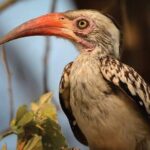
Wild Africa in six days, with smart timing. You’ll sweep through four major parks and chase peak activity windows, from morning drives to golden-hour sightings. This route also leans into the less-common moments, like Samburu’s dry-country animals and the special chance to spot the Somali ostrich, often described as the most elegant ostrich type.
I especially like the way the days are structured around movement and light. You get a late-afternoon safari in Samburu, early game drives in Aberdare and Maasai Mara, plus sunset views at multiple stops. That mix matters, because animal behavior and photo odds change fast in Kenya.
One drawback to consider: it’s a lot of driving and early starts across different ecosystems. If you hate long days on the road, this itinerary may feel like more transit than you prefer.
In This Review
- Key highlights at a glance
- Entering Four Parks in One Safari Route: What You’re Really Buying
- Day 1: Samburu National Reserve and the Quest for a Somali Ostrich
- Samburu’s Real Star: Dry Country, Reticulated Giraffes, and Elephant Crossings
- Day 2: Aberdare National Park and the Treetop Lodge Waterpoint Show
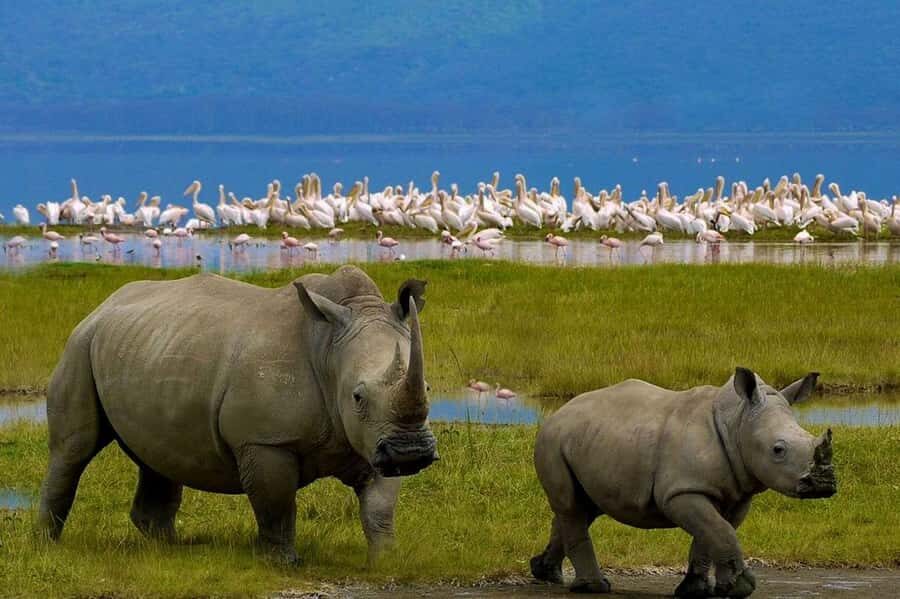
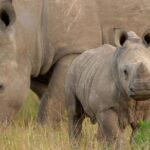
- Day 3: Lake Nakuru and the Rhino + Flamingo Payoff
- Days 4–6: Maasai Mara National Reserve for Predators, Sunrise, and Long Drives
- Day 4: Morning cats, flamingo-colored sunrise, then check-in and a first drive
- Day 5: Full-day game drive with picnic lunch
- Day 6: Early drive again, then back to Nairobi
- Guides Make the Difference: Simon and George as Real Examples
- Comfort, Timing, and Photo Reality: How to Prep So You Don’t Miss the Best Moments
- Value Check: Is This $4,000 Price Fair for What You Get?
- Who This Safari Fits Best
- Should You Book This 6-Day Kenya Safari?
- FAQ
- What parks are included in this 6-day safari?
- Is this tour private or shared?
- What wildlife and bird moments does the itinerary highlight?
- What kind of game-drive schedule should I expect?
- Do they offer pickup and do I get a ticket electronically?
- Is there free cancellation?
Key highlights at a glance
- Somali ostrich focus in Samburu, plus the chance for signature dry-country species
- Early morning drives in Aberdare and Maasai Mara, when predators are most active
- Thompson’s Falls and Lake Nakuru as a scenic break with rhino-and-flamingo potential
- Treetop Lodge waterpoint drama in Aberdare, where animals come close to drink
- Maasai Mara full-day hunting for big cats and more, with picnic-lunch timing
Entering Four Parks in One Safari Route: What You’re Really Buying
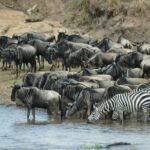
This is a classic “big circuit” safari, but it’s not just about ticking parks off a list. You’re buying variety: different habitats, different animals, and different kinds of sightings. Samburu’s arid look is different from Aberdare’s forest edge. Lake Nakuru brings you a lake setting and rhino-focused hopes. Maasai Mara gives you the predator-and-migration energy.
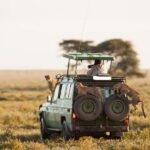
The trip is private, so it’s only your group in the vehicle. That’s a practical win. You spend less time waiting on other parties and more time following the best sighting rhythm your guide spots on the ground.
Price is listed at $4,000 per person for about 6 days. For Kenya, that sits in the mid-to-high range, but the value comes from the scope: multiple reserves, a full sequence of game drives, and the tour’s inclusion notes that admission tickets are free in the itinerary. Also, pickup is offered, and you get a mobile ticket. Those details reduce hassle when you arrive tired.
You should also be ready for the “safari math”: you often trade comfort for visibility. Roads can be uneven, and early hours mean less sleep than city travel. If you come for animals and photos more than pure downtime, you’ll likely love it.
A few more Nairobi tours and experiences worth a look
Day 1: Samburu National Reserve and the Quest for a Somali Ostrich
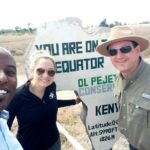
Your first day sets the tone: travel, altitude change, and a late-day safari. After breakfast, you drive north and pass farming regions known for mangoes, pineapples, avocados, coffee, roses, wheat, and tea. Then you cross the Equator and start climbing Mount Kenya up to around 3,000 meters, before descending toward Samburu at about 800 meters.
That elevation shift is more than geography trivia. It often changes air temperature and how quickly the light turns. For your wildlife viewing, it also signals a move away from green highlands toward drier country—the kind of habitat where Samburu’s “specialists” show up.
Lunch is at Samburu Ashnil Camp, then around 15:30 you head out for safari. The focus is elephants and waterbucks, and the day ends with sunset at Brown Hill, returning to the lodge around 18:30.
Why this works: a late-afternoon drive is a good match for animal movement and calmer light for photography. You also avoid starting every morning with a grueling drive straight into the dark.
What to expect at Samburu:
- You’re more likely to see dry-country species than the lush, forest-heavy animals from other parks.
- You’ll still chase big animals like elephants, but the “signature” moments can be birds and long-legged grazers.
In the same breath, this is where the itinerary’s rare-photo promise fits. The tour highlights a chance to capture the Somali ostrich, described as the most elegant of ostrich species. Even if you’re not laser-focused on that bird, it’s a reminder that Samburu can reward you for paying attention to less obvious wildlife.
Samburu’s Real Star: Dry Country, Reticulated Giraffes, and Elephant Crossings
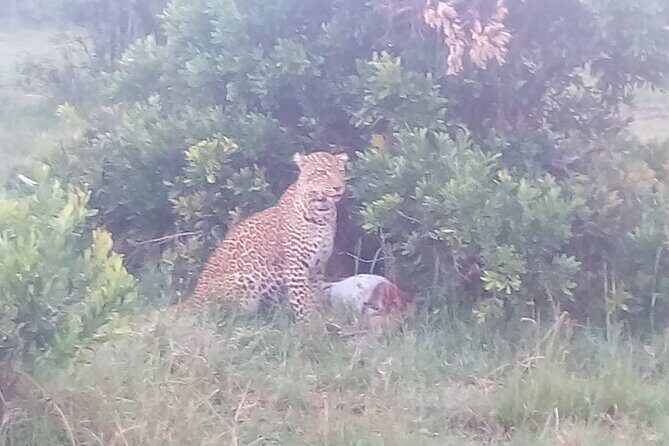
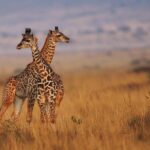
The strongest praise tied to this route comes from Samburu itself. People highlight its unique dry vegetation, and also the odds of seeing standout species like the reticulated giraffe and giraffe antelope. Those aren’t guaranteed everywhere in Kenya, so getting them here matters.
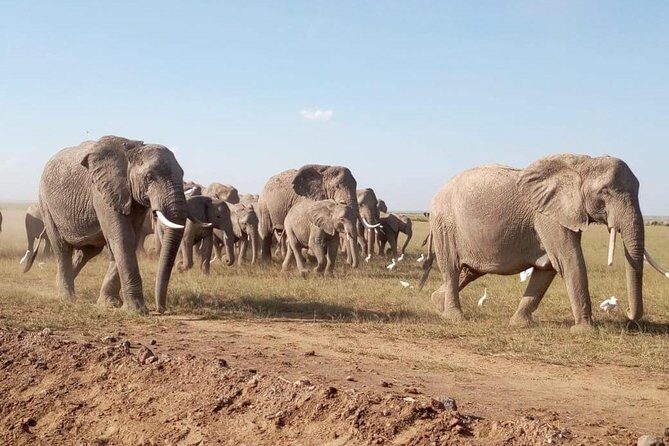
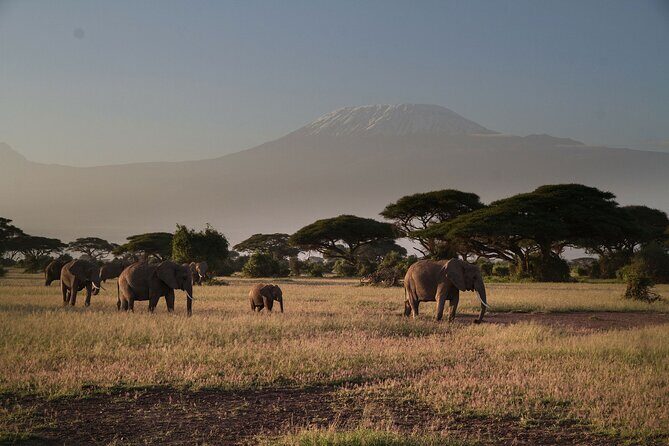
One review also points to a memorable elephant moment—an elephants crossing tied to the Ewaso Nyiro river area. Those sightings feel random because they often are. But the practical takeaway for you is simple: in Samburu, your guide’s ability to read water sources and animal movement can turn a normal drive into a story-worthy hour.
If you care about photography, Samburu is a good place to bring patience. Animals may be further out at times, and you’ll get your best shots when you’re steady and let the scene come to you.
Day 2: Aberdare National Park and the Treetop Lodge Waterpoint Show
Day 2 shifts from arid country to forest edge and dramatic viewing setups. You start with an early game drive, aimed at animals active in the morning such as lion, cheetah, and leopard. Then breakfast follows, and you head to Aberdare with lunch at Outspan Hotel.
Later, you drive to Treetop Lodge. Here’s the key difference from plain open-safari viewing: Aberdare gives you a forest environment with trees like ebony, mahogany, bamboo, ficus, and olive. The lodge’s value is in its waterpoint area outside the property, where animals come to drink.
The itinerary even flags the kind of chaos that can happen at water sources. Elephants can fight with buffaloes as spotted hyenas try to attack calves. Whether you see that exact scene or not, the point stands: in Aberdare, waterpoints concentrate action.
Animals you might spot include:
- Forest species like black-and-white colobus monkeys
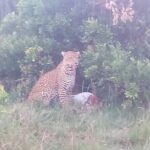
- Leopards and black rhinos
- Defassa waterbucks
- Rare bongo
- Plus mentions of hyenas in the context of hunting behavior around the waterpoint
A balanced expectation: Aberdare can be more about stalking and timing than pure speed. Forest cover changes visibility, so you’ll rely on your guide for spotting and for judging when to stop, watch, and shoot.
If you’re traveling with kids or family, this can be a good day because the lodge setup often lets you sit comfortably while the wildlife works the waterhole rhythm.
Day 3: Lake Nakuru and the Rhino + Flamingo Payoff
After breakfast, you head to Lake Nakuru National Park. Along the way, there’s a stop at Thompson’s Waterfall, plus a look at roadside farms with maize, potatoes, and vegetables. The drive also includes meeting Kenyan world marathon champions training along the road—a neat reminder that real life is happening alongside the safari roads.
Lunch is at Lake Nakuru Lodge, then you get an afternoon safari. This is where your target list turns rhino-heavy and bird-heavy:
- White and black rhinoceros
- Endangered giraffes
- Gazelles
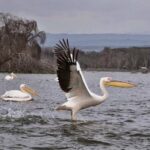
- Flamingos, plus sunset along the lake
Lake Nakuru is one of those places where the setting matters. Flamingos and shore activity give you a different kind of wildlife experience than pure predator hunting. And rhinos here tend to draw a lot of attention, so you’ll likely feel the park’s energy during your afternoon drive.
Practical note: afternoon drives can be excellent, but light changes quickly near sunset. If you’re photographing, plan to keep your camera ready for short windows.
A few more Nairobi tours and experiences worth a look

Days 4–6: Maasai Mara National Reserve for Predators, Sunrise, and Long Drives
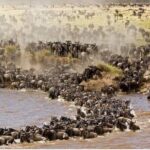
Maasai Mara is the big act. The itinerary gives you multiple days here, so you’re not just doing one quick drive. That matters because predator sightings are luck-and-timing heavy. Two or three chances beat one chance.
Day 4: Morning cats, flamingo-colored sunrise, then check-in and a first drive
You start with an early game drive aimed at lions and leopards when they’re active. There’s also sunrise with pinkish flamingos in an alkaline lake, and breakfast returns around 8:00.
Then you move toward Maasai Mara with picnic lunch, and you check in at Sekenani Camp. After you settle, you begin your first game drive in search of elephants, zebras, lions, and topi.
Even if you’re not a twitchy planner, you’ll appreciate how this day layers multiple ecosystems. It starts with early wildlife, then transitions into Mara’s wider grazing and predator country.
Day 5: Full-day game drive with picnic lunch
Day 5 is a full day in Maasai Mara. You get a picnic lunch during the drive and chase a broad mix:
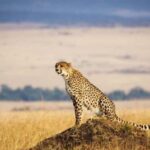
- Lions, cheetahs, zebras, leopards
- Crocodiles and giraffes
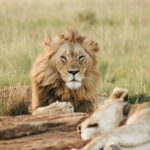
This is the day you’re likely to feel the best “safari rhythm.” When you spend that many hours in Mara, you stop thinking in single sightings. You start understanding movement: where prey feeds, where predators wait, and when the whole area decides to wake up.
The itinerary plans a return to camp around 18:00. That gives you just enough time to cool down, compare photos, and get ready for your final day.
Day 6: Early drive again, then back to Nairobi
Your last day repeats the morning strategy: early game drive for lions and cheetahs, then a sunrise with animals on the horizon. After breakfast, you leave around 10:00 for Nairobi, with lunch on route, arriving at your residence or Jomo Kenyatta International Airport.
This ending is practical. You’re not flying out at the end of a full day of safari. You get a final chance at morning action, then you return while it’s still daylight and you can handle the journey without stress.
Guides Make the Difference: Simon and George as Real Examples
A safari lives or dies by your guide’s instincts and communication. This itinerary highlights that kind of person-to-animal readiness.
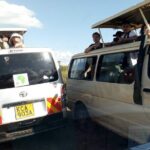
One review credits a guide named Simon for a memorable elephant crossing moment near the river area in Samburu. Another praises George for advice when animals came close to the vehicle. The result was confidence and good photos because the guide explained what to do instead of panicking or rushing.
The useful lesson for you: on safari, don’t treat your guide’s instructions like background noise. If you follow their approach—watching, staying calm, positioning carefully—you’ll often get better results than you would by trying to improvise.
Comfort, Timing, and Photo Reality: How to Prep So You Don’t Miss the Best Moments
This tour is built on short windows: early morning, late afternoon, and sunset. That means your comfort choices can affect how much you enjoy the best hours.
For photo success:
- Have your camera or phone accessible during game drives, not buried in a bag.
- Expect action to change quickly when animals move toward or away from open areas.
- Plan for early light. Sunrise looks different than midday, and it’s often when you get that “horizon animals” feeling in Mara.
For personal comfort:
- Bring layers. Even when it’s warm during the day, mornings and late hours can feel cooler in Kenya, especially on routes that include altitude changes like Mount Kenya crossings.
- Stay hydrated during drives. It’s easy to forget water when you’re focused on spotting.
And for your expectations:
- Some days will be about close, satisfying sightings.
- Other days might be more about reading the park and watching behavior at a distance.
That’s normal. What matters is that you’re in the right places on the right schedules.
Value Check: Is This $4,000 Price Fair for What You Get?
At $4,000 per person, the price is steep enough that you should ask, what am I actually paying for?
You’re paying for:
- Private transport across multiple parks
- A full sequence of game drives (early, afternoon, and multi-day Mara)
- The fact that the itinerary notes admission tickets are free
- Pickup offered and mobile ticket convenience
- A long, structured safari where you’re not just doing one park and rushing back
If you’re the kind of traveler who wants variety—dry-country specialists in Samburu, forest waterpoint drama in Aberdare, rhino and flamingos at Lake Nakuru, then predator time in Maasai Mara—this route can be strong value. If you’d rather stay in one ecosystem and slow down, you might find the constant shifting tiring.
The best way to decide is to be honest about your safari style: do you want breadth, or do you want deep focus in one place?
Who This Safari Fits Best
This itinerary fits you if:
- You want a multi-park Kenya sampler in one trip
- You like early mornings and sunset drives
- You care about seeing different wildlife types, not just big cats
- You’ll benefit from a strong, communicative guide who can help you respond when animals come close
It may not be ideal if:
- You prefer fewer long driving days
- You strongly dislike waking early more than once
- You want lots of downtime without packed schedules
Should You Book This 6-Day Kenya Safari?
Yes, if your priority is a well-paced circuit that puts you in major wildlife zones and gives you repeated chances in Maasai Mara. The strongest reasons to book are the structured drive timing, the variety from Samburu to Aberdare to Nakuru, and the way guides can turn luck into real sightings—like elephant action in Samburu and confidence-building advice when wildlife approaches.
Hold off if you want a calmer trip with less transit. This one is efficient, but it’s also busy.
If you’re ready for early hours and game-drive focus, this is the kind of safari that can stay with you for years.
FAQ
What parks are included in this 6-day safari?
The itinerary includes Samburu National Reserve, Aberdare National Park, Lake Nakuru National Park, and Maasai Mara National Reserve.
Is this tour private or shared?
This is a private tour/activity, meaning only your group participates.
What wildlife and bird moments does the itinerary highlight?
In Samburu, the route highlights the chance to capture the Somali ostrich and mentions elephants and waterbucks. In Aberdare, it points to predators and waterpoint action. In Lake Nakuru, it focuses on white and black rhinoceros and flamingos. In Maasai Mara, it targets lions, leopards, cheetahs, zebras, and more.
What kind of game-drive schedule should I expect?
You’ll have early game drives on multiple days and at least one late-afternoon safari in Samburu. Maasai Mara includes a full day game drive plus another early drive on the final morning.
Do they offer pickup and do I get a ticket electronically?
The tour notes pickup offered and a mobile ticket.
Is there free cancellation?
Yes. You can cancel up to 24 hours in advance for a full refund, based on local time cut-offs.