REVIEW · NAIROBI
3 Days Maasai Mara Guided Safari from Nairobi
Book on Viator →Operated by PERFECT WILDERNESS TOURS AND SAFARIS · Bookable on Viator
Sunrise to sundown wildlife, all for a budget-friendly price. This 3-day Maasai Mara safari stands out for small-group game drives (max 7) and ensuite tent comfort with hot water and electricity. One thing to keep in mind: park entrance fees aren’t included in the base price, and rhino sightings aren’t guaranteed even when you’re doing everything right.
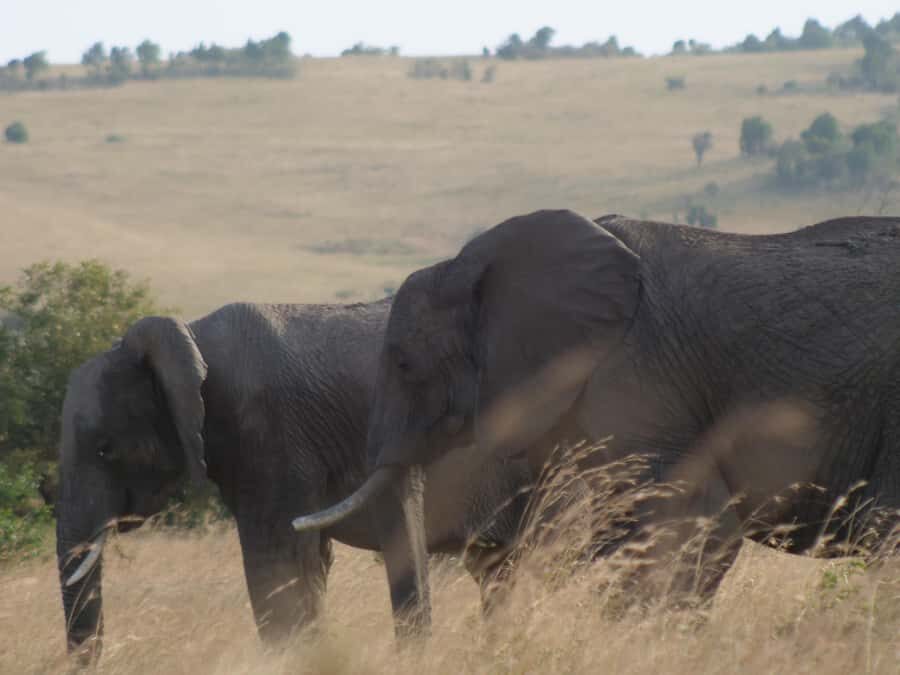
You’ll start with a Nairobi pickup, take in the Great Rift Valley viewpoint, and then get your first sunset game drive when animals are most active. I also like that meals are built in (breakfasts, lunches, dinners), so you can focus on spotting lions, cheetahs, elephants, hippos, and the rest of the Mara’s cast. The tradeoff is that some parts of the trip run on reserve timing and road conditions, so a day can feel tighter than you expect.
In This Review
- Quick hits on this Maasai Mara safari (what really matters)
- Nairobi to the Mara: the drive that sets your pace
- Two nights in ensuite tents: real comfort for a reserve stay
- Day 1 sunset game drive: your first big win
- Mara River on Day 2: hippos, crocodiles, and the Big Cats hunt
- Day 2 second drive: why full-day time beats a rushed checklist
- Wildebeest migration: what to expect and how to time it
- Masai village visit and the Ololaimutiek option on Day 3
- Price reality check: what $196 covers (and what you’ll add)
- Getting the most from your driver and vehicle time
- Who this safari fits best (and who should look elsewhere)
- Should you book this 3 Days Maasai Mara safari?
- FAQ
- What’s the total duration of the safari?
- Is pickup from Nairobi included?
- How many people are in the safari group?
- What’s included in the price?
- Are Masai Mara park entrance fees included?
- How much are the park entrance fees?
- What’s the accommodation like?
- Do you get game drives on all three days?
- Is a Maasai village visit included?
- Can solo travelers join this safari?
Quick hits on this Maasai Mara safari (what really matters)
- Small-group safari vehicle (max 7): easier spotting, more room for photos, and less waiting around than big buses.
- Ensuite tent camping with electricity and hot water: real comfort for a reserve stay, not just a basic bedroll.
- Mara River time for hippos and Nile crocodiles: you’re not just driving past scenery; you’re targeting one of the Mara’s wildlife hotspots.
- Wildebeest migration timing can shape the whole trip: July to November is the big window for migration action.
- Masai village visit included, with an optional cultural add-on (USD 20): a chance to see local life beyond the safari vehicle.
Nairobi to the Mara: the drive that sets your pace
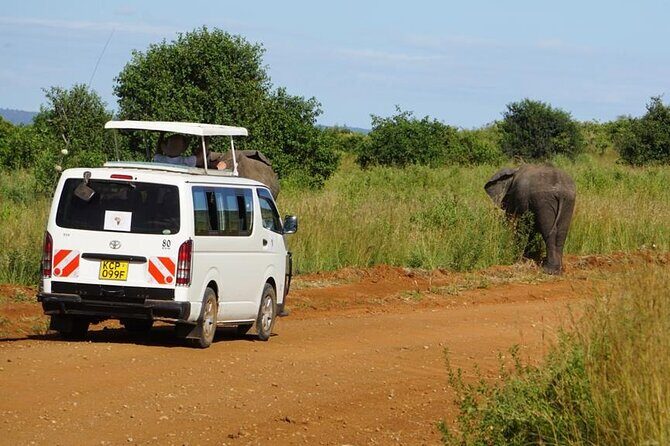
Most people underestimate how much your first day depends on the road from Nairobi. You’re picked up from your hotel or residence within Nairobi CBD (and the tour lists free airport pickup too), then you head out toward the reserve. The early start matters for two reasons: you get daylight for spotting, and you arrive with enough energy left for the evening game drive.
Before you reach the Mara, there’s an included stop at the Great Rift Valley viewpoint. This is a short pause—about 15 minutes—but it’s a good one. You’ll look across the Rift Valley floor and you can even spot Mt Longonot from a distance when visibility is right. It’s not wildlife, but it does “zoom out” your brain. Kenya isn’t flat and boring; you’re heading into country that changes color and temperature fast.
Here’s the practical benefit: by the time you reach camp, you’ve already had a taste of what this region feels like. You’ll have lunch on arrival, then check in, and at around 4:00 pm you go out for a sunset drive. That timing is smart, because animals often get moving again as the day cools.
You can also read our reviews of more guided tours in Nairobi
Two nights in ensuite tents: real comfort for a reserve stay
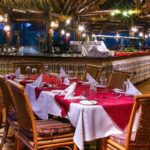
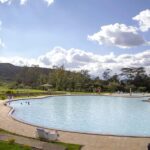
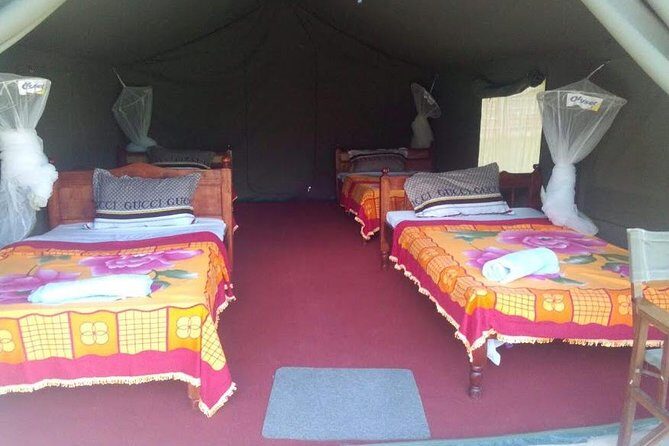
Accommodation is where budget safari packages can swing wildly. What I like here is that your stay isn’t just a canvas sleeping bag situation. The camp described is a large tent with a large bed, linen, and an ensuite bathroom inside the tent. You also have hot water listed as available, plus electricity so you can charge phones and photo gear.
That said, the word “budget” is still doing work. One review flagged that the budget version was very basic, including an instance of no hot water in the bathroom. So if comfort is your top priority, ask what camp you’re using and whether hot water is reliable in that specific tent.
A small detail that matters more than it sounds: the tour also mentions a common lounge/dining area where meals are served and where you can recharge electronics. And having bathrooms inside the tents means you don’t have to wander outside after dark if you’d rather not.
For value, this is a decent trade. You’re paying less than many lodge-based safaris, but you’re not giving up basic creature comforts like electricity and an indoor toilet.
Day 1 sunset game drive: your first big win
Your first wildlife time is built around the classic sunset window. You’ll do an evening game viewing drive after checking in and having dinner at camp. The itinerary lists the evening game drive for the first day after arrival, with the day designed to catch animals when they’re most active.
Why that matters: sunset drives can be “high payoff,” especially for predators that hunt when light changes. Even if you don’t see everything in one evening, you’ll start learning the terrain—where grass is short, where water is near, and where animals like to cluster.
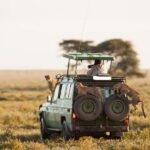
Small-group format also helps on day one. This tour runs in a customized safari vehicle with a listed maximum of 7 people, which tends to make it easier to get good viewing angles for photos and to react quickly when your driver spots motion.
Mara River on Day 2: hippos, crocodiles, and the Big Cats hunt
Day two is your heavy day. You’ll spend a long stretch exploring the reserve searching for the Big Five, with special focus on the Mara River area. The tour description calls out that resident hippos and Nile crocodiles are present along the river all year round. That’s a strong anchor point, because it means your day isn’t only dependent on luck.
You also get picnic lunches in the reserve, which is a big deal for safari time. Sitting down to lunch inside the park reduces back-and-forth and keeps you in game-viewing mode. In plain terms: you watch more animals when you don’t keep leaving the reserve.
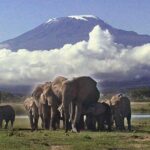
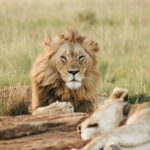
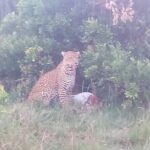
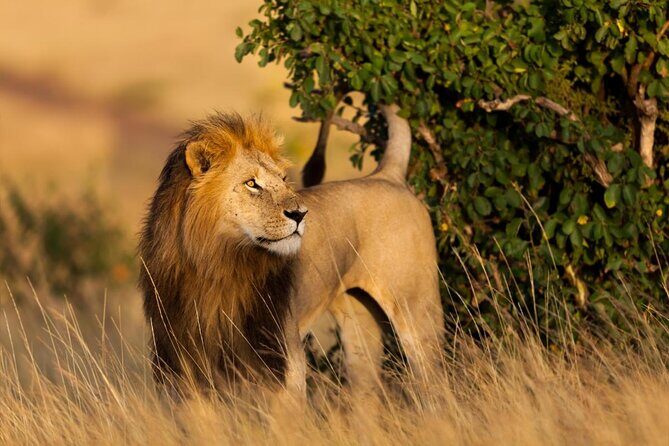
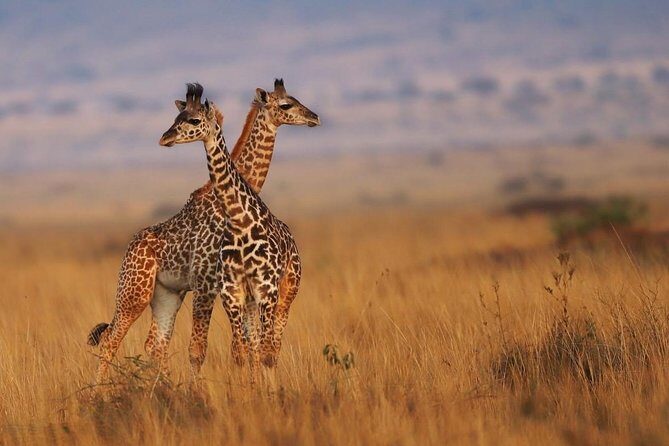
From a practical spotting standpoint, the Mara is famous for its big cats. The tour info mentions the Mara as one of the best reserves on Earth for leopard, lion, and cheetah, and it even notes that a show (Big Cat Diaries) has filmed there. Even without buying into TV hype, the point stands: your odds improve because the habitat supports predators and prey in the same system.
One honest consideration: rhinos are harder to see. The info says rhino are the most difficult Big Five animal to spot, and the reviews back that up—many trips successfully hit lions, elephants, buffalo, and more, but rhinos can still go missing.
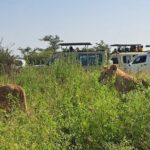
Also, one review complained that wildlife sightings can get crowded with many vehicles jostling at popular spots. That’s not something your guide controls. When multiple safari vehicles converge, your best defense is patience and good positioning—arrive calm, keep your lens steady, and be ready to move when your driver finds the next angle.
Day 2 second drive: why full-day time beats a rushed checklist
There’s a full-day game drive on day two after the Mara River focus. The itinerary describes this as a major chunk of reserve time, and it’s the part that gives you flexibility. When you’re out in the Mara for hours, you can “chase the story” instead of just ticking boxes.
Full-day time helps for three reasons:
- Animal movement isn’t scheduled. If a pride shifts, you’re still in the right place to follow.
- Predators often show up late. You can’t always bank on action right at departure.
- You learn the viewing rhythm. The driver begins to understand where others park, where animals feed, and where your vehicle can get clean sightlines.
In the reviews, guide skill comes up again and again, with names like Joshua, Robert, Samuel, Ambros/Ambrose, Peter, and Joseph/Jenga. The common thread is practical: good driving and quick reads on animal behavior. If you get a guide who can interpret what you’re seeing, your time in the vehicle feels like it’s going somewhere.
A few more Nairobi tours and experiences worth a look
Wildebeest migration: what to expect and how to time it
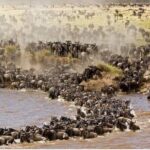
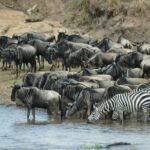
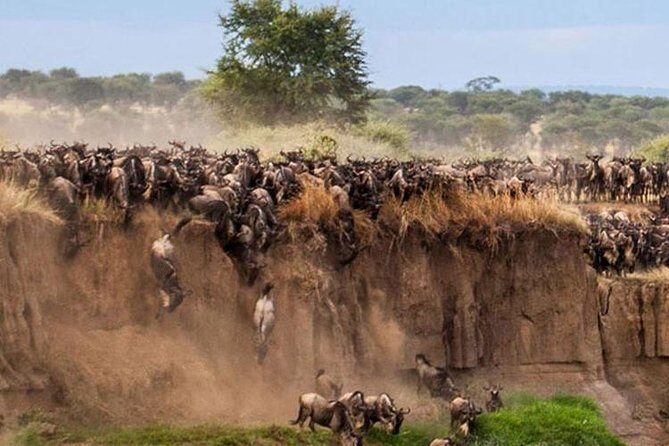
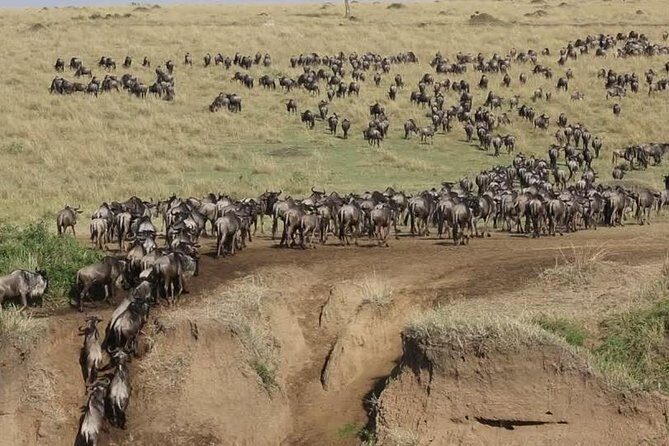
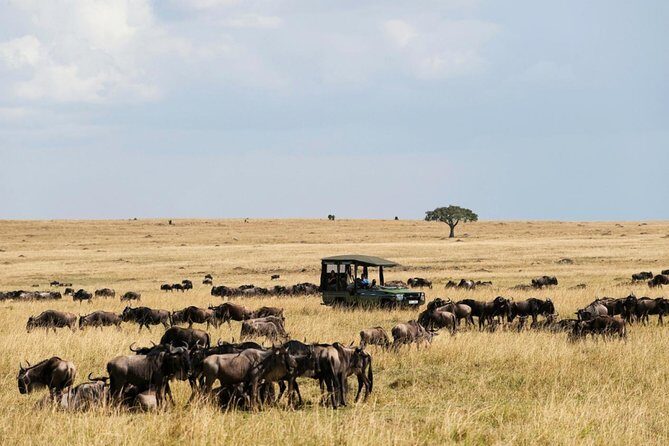
The wildebeest migration is the star of Maasai Mara safari marketing—and for good reason. The tour calls it the highlight event, and the info provides the big timing clue: the migration involves over 1.5 million wildebeest, arriving in July and departing by November.
So here’s the decision guide for you: if you’re traveling in July through November, you should expect migration energy to be part of the experience. If you’re traveling outside that window, you may still see huge wildlife action, but the migration crossings might not be the headline you were hoping for.
Either way, the migration isn’t only “one moment.” The Mara’s prey-predator rhythm changes as animals move and hunt. Even on a non-migration year, the reserve can deliver dramatic scenes—just with a different flavor.
Masai village visit and the Ololaimutiek option on Day 3
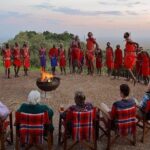
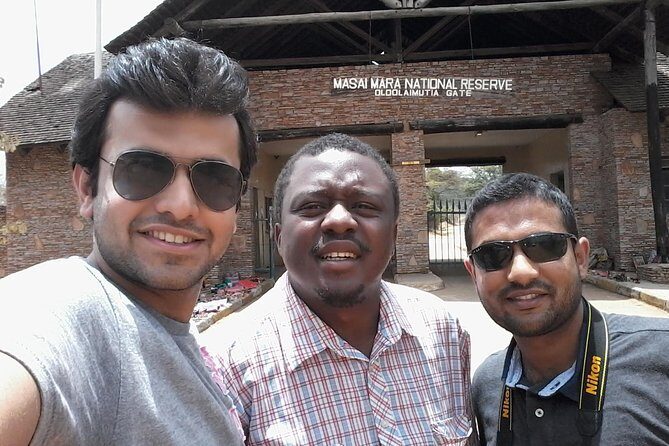
On the last day, you’ll head back toward Nairobi, but not before a cultural stop. The itinerary includes a visit to a Maasai village after early breakfast and checkout. This gives you a break from pure wildlife focus and helps you understand the human landscape around the reserve.
There’s also an optional cultural visit described for Ololaimutiek, listed as extra cost of USD 20 per person. This is where you’d learn more about culture and lifestyle, visit traditional huts, and see how people keep animals and use a light fire setup for visitors. If your trip includes at least one cultural add-on, this is the kind of experience that helps you connect the dots between wildlife viewing and the communities living nearby.
Two practical tips:
- Bring small cash if you’re doing optional add-ons. The tour data states USD 20 for the optional village experience.
- Go in with realistic expectations. It’s a village visit, not a staged theme park show. Respectful behavior will make the experience better for everyone.
Price reality check: what $196 covers (and what you’ll add)
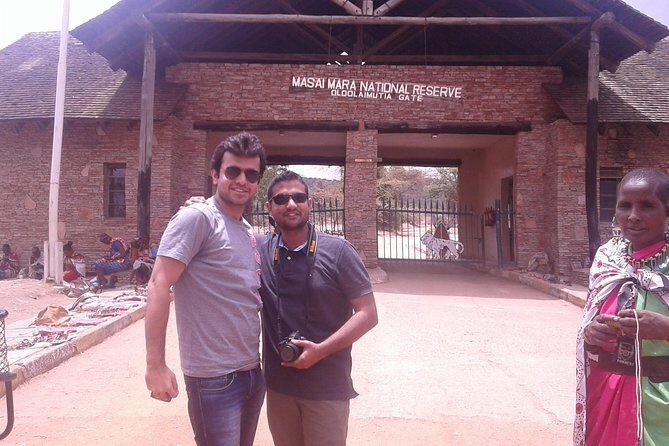
The base price is $196 per person for this 3-day experience. That’s the budget hook. But with safaris, the best value often comes from understanding what’s included and what isn’t.
What you do get in the package:
- 2 nights accommodation
- all meals (2 breakfasts, 3 lunches, 2 dinners)
- bottled water
- professional guide and driver
- pickup/drop-off within Nairobi CBD plus free airport pickup
- game drives on day 1 evening and day 2 full day (and no game drive on day 3)
What you’ll likely pay separately:
- Masai Mara park entrance fees are excluded from the base price unless you chose an option that includes them.
- The tour info gives seasonal entrance fee ranges: January to June: $200 per person, and July to December: $400 per person.
So your “all-in” total can land around:
- Roughly $396 per person in Jan–Jun
- Roughly $596 per person in Jul–Dec
Not counting the optional USD 20 cultural add-on.
Is it still a good deal? In many cases, yes—because your park fees buy you two full wildlife days and a reserve stay with ensuite tent comfort. But it’s not the kind of price where you should arrive surprised at the gate. If you plan to travel in peak migration season (July–November), budget for the higher entrance fee bracket.
Also, pay attention to your pickup location. One review story included confusion when someone expected hotel pickup to be included but was told their hotel wasn’t within the pickup radius (CBD/Westlands issue), resulting in an extra USD 20. To avoid that headache, confirm pickup eligibility for your exact address before you go.
Getting the most from your driver and vehicle time
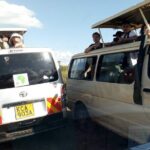
This safari runs with a max 7-person group in a customized safari vehicle. That’s one of the biggest quality levers, because crowding can ruin visibility and patience. With fewer people, you typically get:
- faster reactions when animals appear
- better odds of finding an angle for photos
- less time arguing over who sees first
Guide names showing up across the reviews include Joshua, Robert, Ambros/Ambrose, Samuel, Peter, Kevin, Evan, George, and Joseph/Jenga. People repeatedly praised drivers for being attentive and helpful, and some specifically called out driving skill and guidance during drives.
Still, do keep a realistic safety and professionalism check. A couple of reviews raised concerns about behavior and communication during parts of the trip (including one incident involving a payment misunderstanding and another about getting separated partway during the return). Those aren’t the norm for a good safari, but they’re enough to justify one simple prep step: be clear on what fees are due, how you’re paying, and what your pickup point is. If something feels unclear, ask immediately while you’re still at the start of the day.
Who this safari fits best (and who should look elsewhere)
This 3-day Maasai Mara safari is a strong match if you want:
- a short, high-impact trip from Nairobi
- small-group safari time
- ensuite tent comfort without paying premium lodge prices
- a chance at wildebeest migration action if your dates fit July–November
It may be less ideal if you want:
- a guaranteed Big Five itinerary (rhino sightings are not assured)
- luxury accommodation standards every night (budget camps can be basic)
- a perfectly smooth schedule without any traffic/rerouting (road conditions can affect timing)
Should you book this 3 Days Maasai Mara safari?
I’d book it if you want value and you’re excited by two things: spending a real day in the Mara hunting with a good driver, and sleeping somewhere that’s more comfortable than “camping.” The combination of small-group vehicles, ensuite tent setups, and full-day Mara River time makes it feel like you’re paying for wildlife time, not just transport.
I would hesitate only if you hate surprises around fees or accommodations. If you’re clear on the seasonal park entrance fee bracket ($200 in Jan–Jun, $400 in Jul–Dec), confirm your Nairobi pickup address falls within their pickup radius, and go in knowing rhinos are tricky, you’ll set yourself up for a great safari.
FAQ
What’s the total duration of the safari?
The trip runs for about 3 days.
Is pickup from Nairobi included?
Yes. Pickup and drop-off within Nairobi CBD are included, and there’s also free airport pickup.
How many people are in the safari group?
The tour runs in a small group, with a maximum of 7 people.
What’s included in the price?
The package includes 2 nights accommodation, bottled water, a professional guide/driver, pickup/drop-off in Nairobi CBD, breakfast and lunch and dinner meals (2 breakfasts, 3 lunches, 2 dinners).
Are Masai Mara park entrance fees included?
Not by default. Park entrance fees are excluded unless you select the option that includes park entrance fees.
How much are the park entrance fees?
The information provided lists January–June fees at $200 per person and July–December fees at $400 per person.
What’s the accommodation like?
You stay in a large tent with a bed and linen, and it has a toilet and bathroom inside the tent. Hot water is listed as available and electricity is available for charging.
Do you get game drives on all three days?
You’ll have a sunset game drive on day 1 and a full-day game drive on day 2. Day 3 does not include a game drive.
Is a Maasai village visit included?
Yes. The itinerary includes a visit to a Maasai village on the last day. There’s also an optional cultural visit in Ololaimutiek for an extra USD 20 per person.
Can solo travelers join this safari?
The tour description says daily departures are guaranteed and that even solo travelers are supported without cancellation risk.