REVIEW · NAIROBI
10 -Days Best of Kenya and Tanzania Classic Safari
Book on Viator →Operated by Africa Flash McTours and Travel · Bookable on Viator
Big cats and pink lakes pull you in. This classic Kenya-and-Tanzania safari links headline reserves like Maasai Mara and Serengeti with expert naturalists, so you can chase the Big Five while still having time to slow down at some of East Africa’s most distinctive wildlife stops.
I like that the trip is built around proper time in parks, with transportation that makes those long drives feel workable. You’ll also get the peace of mind of Flying Doctors medical coverage, which matters in remote areas. The trade-off is real: you’ll spend multiple hours on the road each transfer day, plus there’s a vehicle/guide change at the Namanga border.
If you want wildlife, but with strong guiding and smooth logistics, this route is a very practical fit. You might even meet drivers and guides named in past trips like Bonaya (Kenya), Justin (Tanzania), Simon (sightings-first driving), and Jason (airport welcome), which is a nice sign the team takes the job seriously.
In This Review
- Key highlights worth planning around
- Maasai Mara first: Rift Valley photos and an early wildlife start
- Full-day Maasai Mara game drive: Mara River picnic and Big Five odds
- Lake Nakuru and Flamingo Hill Camp: pink lake edges and 400+ birds
- Amboseli for Kilimanjaro views: elephants, open skies, and a Maasai village add-on
- Tarangire via Namanga border: elephant density and baobab sunset time
- Serengeti at Acacia Central Camp: first game drive after check-in
- Serengeti’s second day: carnivores, migration drama, and big-sky birds
- Ngorongoro Crater: the 2000 ft descent, spring picnic, and a full crater day
- Finishing in Arusha: getting you back for flight plans
- Price and what $5,785 really buys you on this safari
- Who this Kenya and Tanzania safari suits best
- Should you book this 10-day Best of Kenya and Tanzania safari?
- FAQ
- How long is the safari?
- Where does the tour start?
- Which national parks are included?
- Are game drives included in the price?
- Is the balloon safari included?
- What’s included for meals and medical coverage?
Key highlights worth planning around
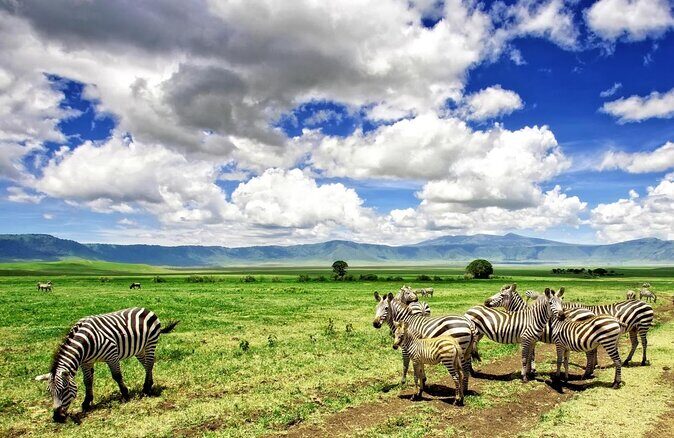
- Big Five focus from Maasai Mara into Tanzania with multiple full game-drive days
- Lake Nakuru’s flamingo country paired with classic savannah wildlife
- Amboseli for Mount Kilimanjaro views and elephants with open-sky photography
- Tarangire’s elephant density plus baobab sunset time
- Serengeti game drives from Acacia Central Camp with an extra day for more chances
- Ngorongoro Crater descent (about 2000 ft) for a full crater day tour
Maasai Mara first: Rift Valley photos and an early wildlife start
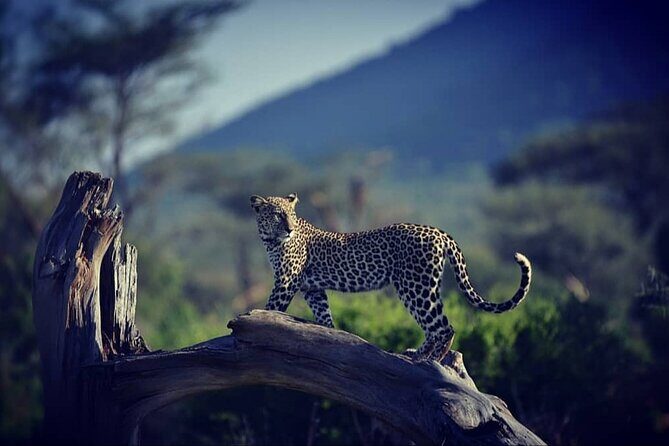
Your day begins in Nairobi with pick-up, then a drive that starts the “safari feeling” fast. You’ll get a briefing before heading out, and the morning departure keeps your chances good for that first round of animal sightings.
The Great Rift Valley stop is more than a quick stretch. You’ll be able to take photos of the dramatic drop and scan the Suswa Ranges and Mount Longonot area from the roadside viewpoint. It’s a helpful reminder that you’re not just moving between parks—you’re crossing one of Africa’s defining geological features.
Lunch hits in Narok Town with a simple buffet of traditional Kenyan foods. After that, you arrive at Maasai Mara and settle in, then go straight into an afternoon game drive in the reserve. That timing is smart: the light is usually kinder later in the day, and animals often become more active as temperatures shift.
This is also where you’ll feel the safari rhythm: get in the vehicle, find wildlife, stop to watch, move when it makes sense, and let the guide’s spotting skills set the pace. If you’re the type who enjoys the chase as much as the final photo, Maasai Mara gives you that in the first 24 hours.
A few more Nairobi tours and experiences worth a look
Full-day Maasai Mara game drive: Mara River picnic and Big Five odds
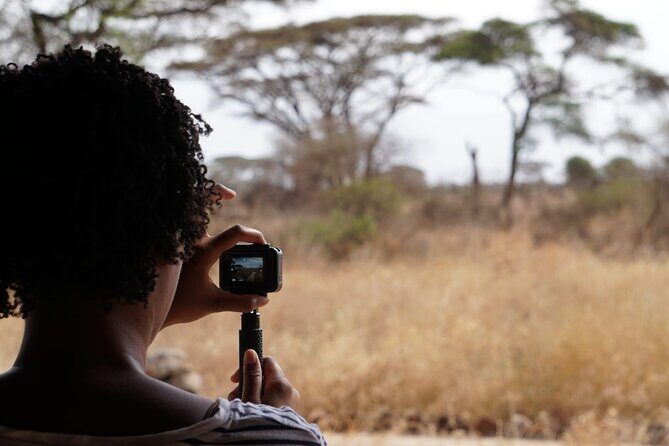
Day two is a full game drive day in Maasai Mara National Reserve, built for maximum wildlife time rather than scenic sightseeing. This is one of the reasons people love this route: you’re not “checking off” parks; you’re actually spending a big chunk of your day looking for the famous species.
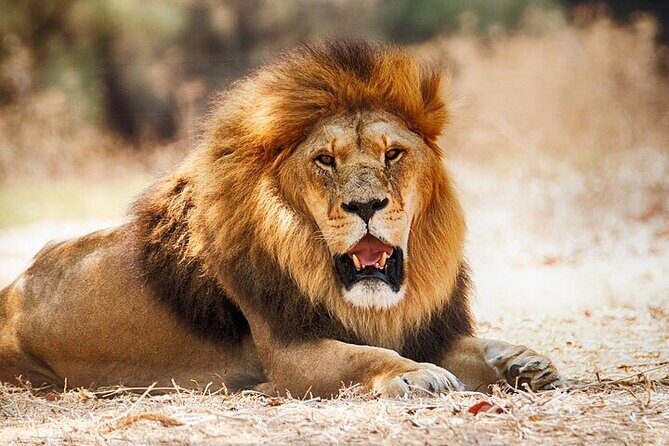
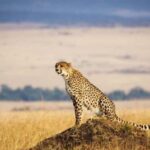
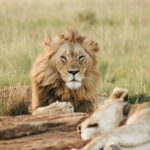
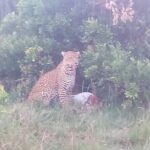
You’ll search for the Big Five—lion, leopard, buffalo, elephant, and rhino—plus plenty of other savannah animals like hyena, cheetah, giraffe, zebra, and common antelope species. Birds also show up in volume, so even if you’re focused on mammals, you’ll still get that constant wildlife movement that makes the hours fly.
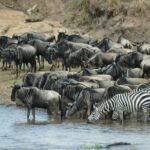
Lunch is served as a picnic at Mara River, and that’s a small detail with big value. River corridors concentrate activity—animals drink, and predators often track prey along these lines. Even if you don’t get every iconic sighting, you’ll feel like you’re watching a living system, not a static “zoo.”
Practical note: game drive days are long. Bring patience for the slow parts—sighting can be quick, but waiting can be part of the deal. The upside is that when your driver finds something, you’ll have time to actually enjoy it.
Lake Nakuru and Flamingo Hill Camp: pink lake edges and 400+ birds
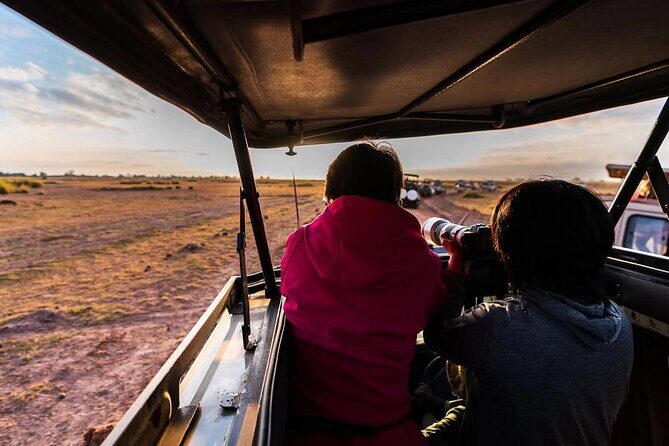
After breakfast, the trip shifts from Kenya’s open plains mood to a birdwatcher-friendly environment at Lake Nakuru. You’ll drive with game viewing en route and get a picnic lunch along the way.
Once you arrive, you’ll spend time around Lake Nakuru and base yourself at Flamingo Hill Camp for dinner and overnight. This camp is a good choice for the vibe of the area: you’re close enough to enjoy early starts in the park without making your day feel chopped up.
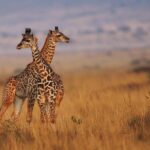
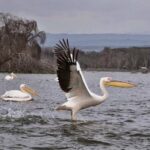
Lake Nakuru earns its fame for flamingos. You’ll see thousands of them forming that deep-pink band around parts of the shoreline. But the bigger reason to care is diversity: the park supports over 400 species of birds, and the wider area also has wildlife you can spot on land, including Rothschild’s giraffe, black-and-white rhino, waterbuck, reedbuck, lions, buffalo, and leopard.
The drawback here is that wildlife viewing can be weather- and timing-dependent. If you’re traveling with strict “must-see” expectations, keep them flexible. If you’re excited to slow down and scan, Lake Nakuru is a rewarding day, especially for anyone who loves birds or wants a change of pace from big-cat-heavy focus.
Amboseli for Kilimanjaro views: elephants, open skies, and a Maasai village add-on
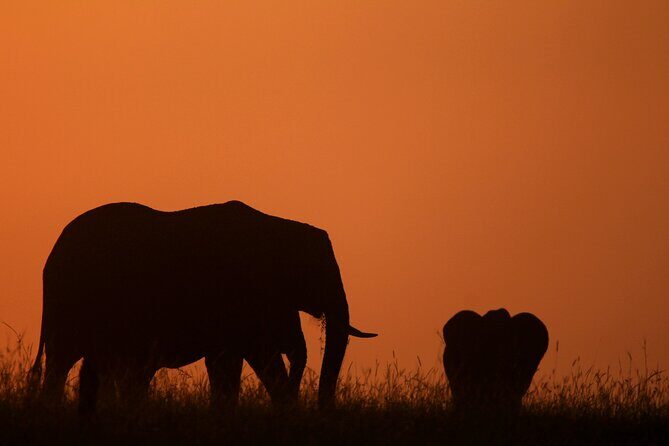
Amboseli comes next, and it’s a totally different kind of highlight. You’ll leave Lake Nakuru after an early morning wildlife push and return for breakfast before continuing on. That structure is helpful: it prevents the day from turning into pure “travel fatigue.”
Amboseli is known for its international biosphere setting stretching across the Kenya–Tanzania area, and for water moving through layers of volcanic rock from Mount Kilimanjaro. Translation for your day-to-day experience: wildlife tends to concentrate where conditions support it, and the park’s geography gives you excellent chances to see elephants against dramatic backdrops.
Day four is your first Amboseli game drive outing. Day five builds on it with another extensive drive, plus the chance to bask under views of Kilimanjaro (when conditions allow). Expect a wide range of safari sightings: wildebeest, giraffes, baboons, and plenty of the elephant action that brings people here.
Then there’s the optional cultural stop: a visit to a Maasai village. If you choose it, you’ll be welcomed with song and dance, and it’s a straightforward way to connect to Maasai culture. Keep your expectations practical—this is a cultural experience, not a museum performance. It can be genuinely memorable if you go in curious and respectful, and if you’re okay that it’s an optional add-on rather than guaranteed for everyone.
Tarangire via Namanga border: elephant density and baobab sunset time
Day six is the move into Tanzania, and it’s one of the more important logistics days. You’ll head to the Namanga border point, go through immigration offices, and then change vehicles and guides. After that, you continue toward Arusha for lunch.
That border day can feel formal and slow, but it’s also normal for cross-country safaris. Having the transfer managed for you is the key value—your job is simply to be ready with documents and keep your day moving.
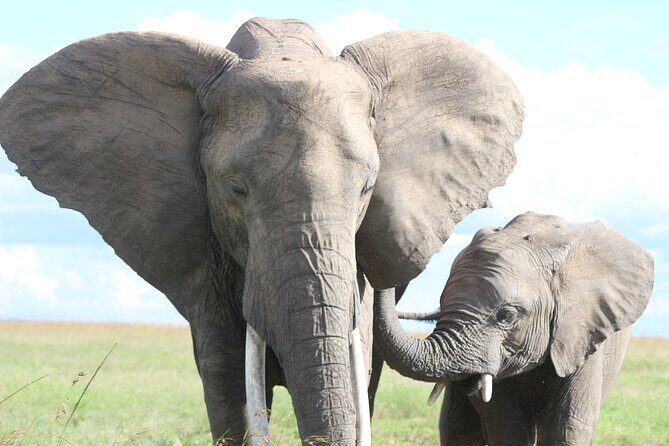
In the afternoon, you continue on to Tarangire National Park for a safari session. Tarangire is famous for having the highest elephant population in Tanzania (based on the trip details you’re working from), so if elephants are near the top of your personal wish list, this is a smart day to be fully present.
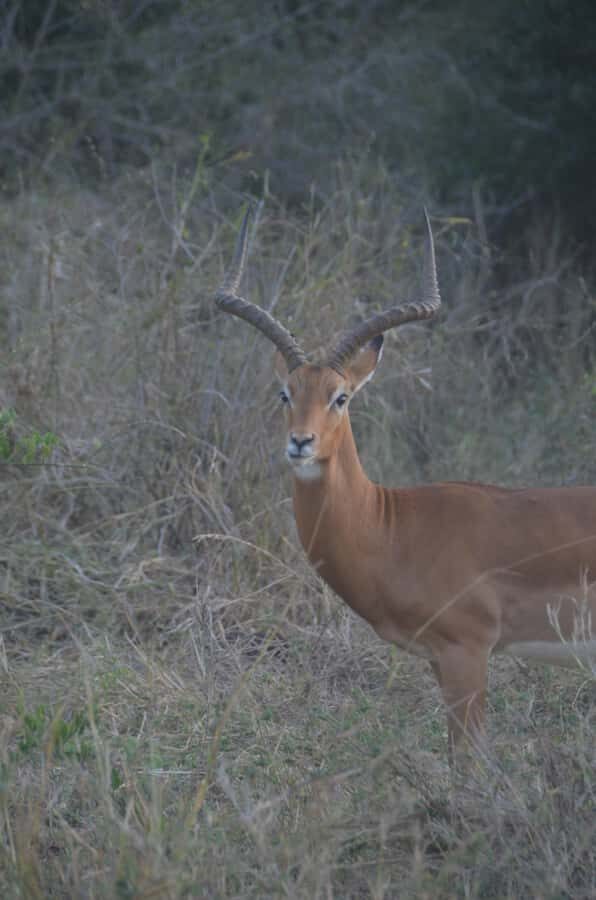
You’ll also look for lions, cheetahs, olive baboons, and impalas. Tarangire’s scenery is often shaped by baobabs, and the day includes time for a sunset moment with a majestic drop-of-baobab tree view. Even if you’re not a photographer, sunsets like this are part of what makes a safari feel like a journey instead of a checklist.


Serengeti at Acacia Central Camp: first game drive after check-in
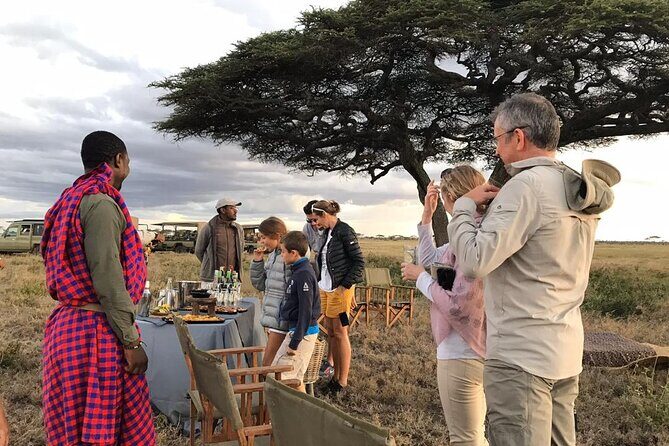
Now you’re in Serengeti National Park, and the pacing changes again. After breakfast, you drive to Serengeti and check in and lunch at Acacia Central Camp. That matters because it gives you time to reset before you start scanning for animals.
Your first Serengeti game drive focuses on big mammals like lions, cape buffalos, and common zebras. You’ll also be watching for those “just over the next ridge” moments, because Serengeti rewards attention to movement—dust clouds, turning groups, and lines of footprints can all point to what’s coming.
Sunset viewing includes an umbrella acacia tree moment. This is one of those small planned pauses that make sense on safari: you get a break from the constant searching, then you return to the evening rhythm with a clearer mind.
Dinner and overnight are at the camp, so you’re not constantly moving again right after the day’s highlight block. That’s a real quality-of-life detail, especially when you’ve already had multiple long road days.
Serengeti’s second day: carnivores, migration drama, and big-sky birds
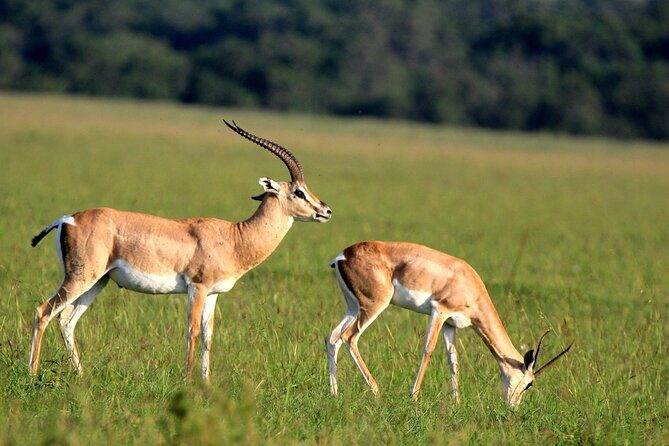
Day eight is your second day in Serengeti, and that’s where your odds improve. Wildlife doesn’t always show up on your schedule, so the added day gives you more chances at leopards, hyenas, cheetahs, and other predators in the central plains.
You’ll have morning and afternoon game drives, with a lunch and leisure break mid-afternoon at your lodge or campsite. That break is more than convenience—it’s how you avoid safari burnout. If you’re out scanning from sunrise onward, your eyes need a rest.
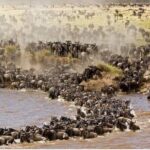
Serengeti’s own meaning in Maasai language—endless plains—fits the way the park feels once you’re inside it. You’ll also be tracking seasonal movement patterns: this park is normally part of the annual migration story between Serengeti and Kenya’s Maasai Mara game reserve. The timing can affect what you see, but the migration concept shapes everything about the animals’ behavior here.
Birds show up too, including eagles, flamingos, duck, geese, and vultures. That’s another reason extra time helps—you notice more on a second day because you’ve already learned the park’s “rhythm” from yesterday.
Ngorongoro Crater: the 2000 ft descent, spring picnic, and a full crater day
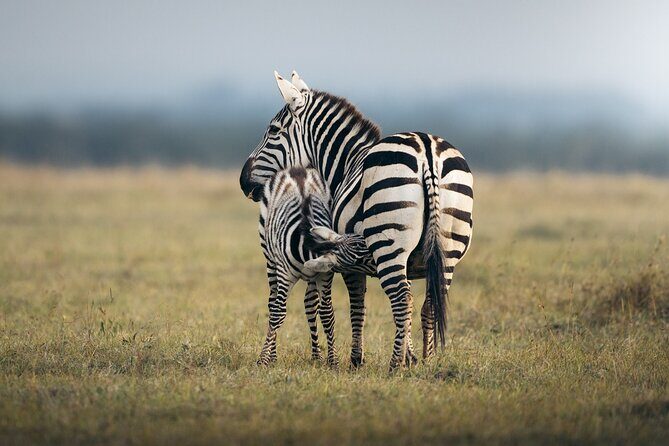
Ngorongoro is one of those “even on a safari, this feels special” stops. After early breakfast, you drive to Ngorongoro Crater and arrive in time for lunch. After lunch, you descend about 2000 ft (670 m) to tour the crater floor for the rest of the day.
This crater day is built for intensity. Animals are abundant there, and your tour includes a lunch break at Ngoitoktok springs picnic site. That combination—natural water access plus grazing zones—helps explain why you can see a mix of species in a relatively compact area.
You can look for black manned lions, rhinos, buffaloes, elephants, and many other grazing animals. The goal on this day isn’t just spotting; it’s seeing how predator and prey systems operate in a contained “natural amphitheater.”
In the evening, there’s an additional game drive, then you return to Castle Lodge Ngorongoro for dinner and overnight. One practical consideration: crater days often feel physically tiring because you’re working longer in one focused area. Hydrate and take breaks when offered.
Finishing in Arusha: getting you back for flight plans
On the final day, you drive through the park area to Arusha for lunch, then continue to your hotel or the airport for your next flight.
This structure works well if you’re continuing onward. It gives you a clear “finish line” after the biggest wildlife days, and it helps prevent the last day from turning into more full game driving.
If you’re thinking ahead, this is the moment to plan what happens after Tanzania. You’ll want enough time for airport buffers, but the trip is designed to hand you off for your next step with minimal drama.
Price and what $5,785 really buys you on this safari
The price is $5,785 per person, and the value question isn’t just the headline number. The real math is about what’s included versus what you’d otherwise pay out of pocket on your own.
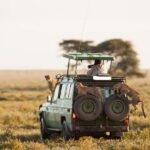
Here’s what your trip covers based on the details provided: all transfers, all accommodation during the tour, all meals plus drinking water during the trip, Flying Doctors medical coverage, all game drives as noted, and transport in a 4×4 Safari Land Cruiser. You also get an English speaking guide/driver, all applicable government taxes/levies/park entrance fees, and a “private service” style setup where only your group participates.
Not included is the obvious big-ticket stuff: international flights, visas, travel insurance, tips, personal laundry, and alcoholic drinks. Also not included is the optional balloon safari, listed at $425 per person.
So who is this best value for? For anyone who wants the logistics handled end-to-end and doesn’t want to spend time juggling park fees, car rentals, and cross-border transfers. If you like freedom but hate paperwork, this kind of package is often the easier way to get a high-quality safari without stress.
Who this Kenya and Tanzania safari suits best
This trip fits best if you want a classic Big Five route with real park time, not a rushed “drive-through the highlights” model. You’ll enjoy it most if you can handle long road segments and early mornings (the start time is 7:30 am), and if you’re comfortable with a moderate fitness level.
It also suits couples, friends, and small groups who want a private, group-only experience. Past guide names you could run into—Bonaya in Kenya, Justin in Tanzania, and the consistently praised service of people like Simon, plus the welcoming Jason at the airport—suggest an operations style that focuses on smooth guiding and helpful communication.
If your main goal is only one reserve, or you want zero driving time and zero schedule pressure, you might find the pace heavy. This is a journey across regions, and that means you’re trading some roadside time for more wildlife days in iconic places.
Should you book this 10-day Best of Kenya and Tanzania safari?
I’d book it if your wishlist includes Maasai Mara + Serengeti on the same trip, plus a change-up day for Lake Nakuru flamingos and a proper crater experience at Ngorongoro. The included transport, meals, park fees, and Flying Doctors coverage make it feel like a “ready-to-go” safari package, which matters when you’re crossing countries.
I’d pause if you’re the type who hates long transfers or you’re very sensitive to schedule fatigue. This route is designed for people who enjoy the slow building of safari days: drive, game drive, eat well, rest, repeat.
If you want, tell me your travel month and whether you’re more focused on Big Five sightings or bird/landscape variety, and I’ll suggest which days on this route will likely be your best bets.
FAQ
How long is the safari?
It runs for 10 days (approx.), from the 7:30 am start time in Nairobi through lunch in Arusha on the final day.
Where does the tour start?
You start in Nairobi, Kenya, with pick-up and a briefing before departing toward Maasai Mara.
Which national parks are included?
You’ll visit Maasai Mara National Reserve, Lake Nakuru National Park, Amboseli National Park, Tarangire National Park, Serengeti National Park, and Ngorongoro Crater (Ngorongoro area) in Tanzania.
Are game drives included in the price?
Yes. All game drives noted in the schedule are included, along with transport in a 4×4 Safari Land Cruiser and park entrance fees (listed as included).
Is the balloon safari included?
No. A balloon safari is listed as optional and costs $425 per person.
What’s included for meals and medical coverage?
Meals and drinking water during the tour are included, and Flying Doctors medical, emergency, and rescue cover is provided.