REVIEW · LIMURU
Tea Farm Tour From Nairobi (Kiambethu).
Book on GetYourGuide →Operated by MICHOORE TOURS & TRAVEL · Bookable on GetYourGuide
Tea tastes different when you see it grow.
This private half-day escape to Kiambethu Tea Farm in Limuru trades Nairobi traffic for sweeping views toward the Ngong Hills, a guided look at how tea is made, and a calm farm day you can actually slow down. You’ll meet the people behind the tea, including Fiona, who brings the place to life with an easy, welcoming pace.
What I really like is the mix of hands-on farm time plus nature time. The forest walk with the resident Kenyan guide goes beyond scenery, including plant identification and traditional medicinal uses, and that part feels genuinely Kenya-specific. I also love the 3-course lunch setup: fresh garden vegetables, a pre-lunch drink on the verandah, and desserts finished with cream from their Channel Island cows.
One consideration: the farm experience is more of a highlights tour than a full day lost in tea bushes. If you’re expecting hours of walking through rows and rows of tea fields, you may want to adjust your expectations; the best time in the schedule often goes to the forest, the views, and the meal.
In This Review
- Quick hits before you go
- Nairobi to Limuru: the timing and vibe
- First cup of tea: arriving at Kiambethu and learning the basics
- The forest walk: plants, traditional uses, and Colobus chances
- Tea farms view points: how the views fit the schedule
- Hands-on experience and tea tasting: what you should pay attention to
- Lunch at the farm: a real meal, not a token buffet
- Who guides what: Fiona, Alex, and the forest team
- Price and value: what you pay, what’s extra, and what to watch
- The main drawback: expectations about tea-field walking
- Practical tips so the day feels easy
- Should you book the Kiambethu tea farm tour from Nairobi?
- FAQ
- What time do I arrive at the tea farm?
- How long is the tour?
- Is entry to Kiambethu Farm included in the price?
- Do I get lunch, and what is it like?
- Will I taste tea?
- What animals might I see during the forest walk?
Quick hits before you go
- Indigenous forest + medicinal plant stories with a resident Kenyan guide, not just a casual stroll
- Colobus monkeys you can sometimes spot close by during the walk
- Fiona and the farm process, explained informally with time for questions
- Ngong Hills tea-field views from the verandah before lunch
- Tea tasting paired with a farm day rhythm, not a rushed stop
- 3-course farm buffet lunch, built around vegetables from the garden and Channel Island cream
Nairobi to Limuru: the timing and vibe
This is a private day tour from Nairobi that gets you out to Kiambethu Farm near Limuru, about 11am arrival time for the day’s main activities. The total duration is listed at 330 minutes, so plan on roughly five and a half hours from pickup through your return to Nairobi.
The key value here is how quickly the mood changes. In Nairobi you’re dealing with noise and motion; out near the tea fields you’re trading that for slow viewpoints, quiet paths, and the kind of rural pace where you can actually listen to explanations instead of competing with the city.
Pickup is included from your hotel or residency within Nairobi CBD. You’ll want to be ready in the lobby about 10 minutes before the scheduled pickup time, since that’s how the day stays smooth.
A few more Limuru tours and experiences worth a look
First cup of tea: arriving at Kiambethu and learning the basics
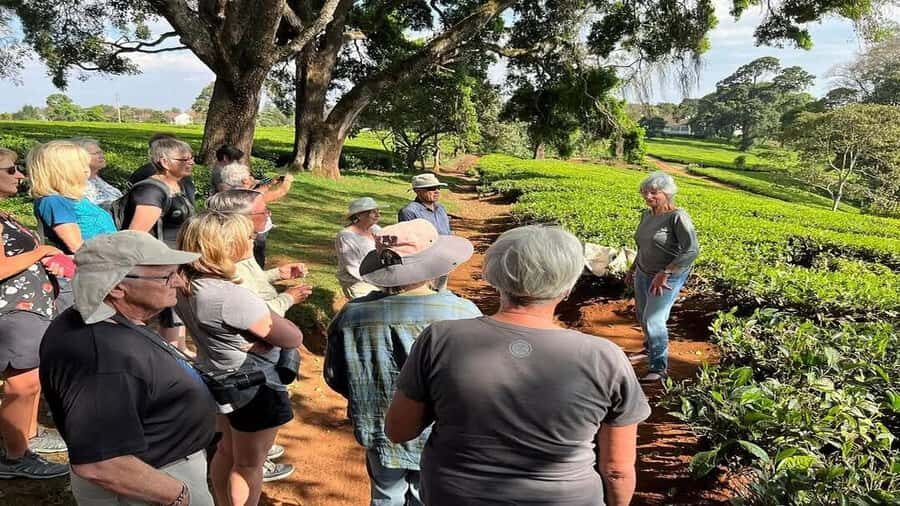
When you arrive, you’re greeted with tea or coffee and a casual introduction to the farm and tea-making process. The explanation is informal, which matters more than you’d think. You’re not stuck watching a lecture from the back of the room—you can ask questions while people show you what matters.
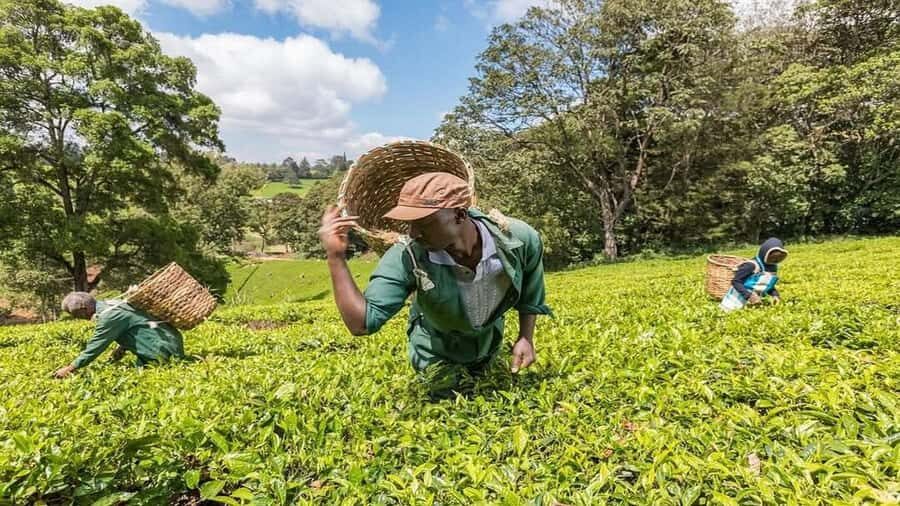
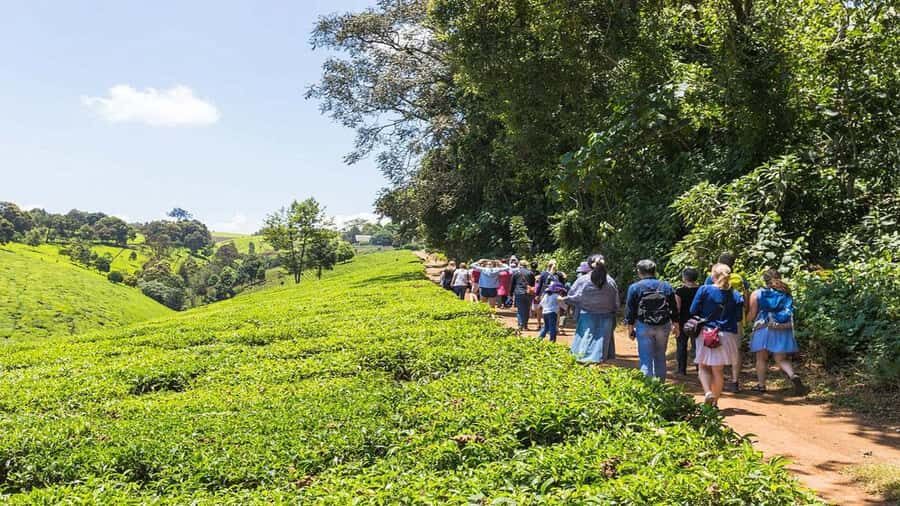
From there, you get to see tea in the field. That sounds simple, but it’s a big part of why this works as a near-Nairobi day trip: you connect the final cup you drink at home to the plants growing here, in this climate and these hills.
If you enjoy food-and-farm travel, this is also a good moment to note the small rhythm of production. Even without technical detail being the main focus, you leave understanding the tea journey in everyday language—what happens from plant to product and why the farm approach matters.
The forest walk: plants, traditional uses, and Colobus chances
After the tea intro, the itinerary shifts into an indigenous forest walk with a resident Kenyan guide. This isn’t a random nature stroll. The guide identifies plants and explains how they’re traditionally used, including medicinal purposes.
That’s the part I’d prioritize if you only had one “must-do” piece. It turns the day into something you can’t swap for any other garden or view point. Kenya’s plant knowledge is specific and practical, and the walk is where that shows up.
You can also look out for Colobus monkeys close up. You won’t control animal sightings, but the walk is timed for that kind of chance, and the setting is ideal for spotting wildlife compared with roads or open viewpoints.
One practical note: forest walks tend to be comfortable, but you’ll still want shoes with grip. Paths in rural settings can be uneven, and you’ll get more enjoyment if you’re not thinking about your footing the whole time.
Tea farms view points: how the views fit the schedule
Kiambethu doesn’t just offer tea rows. You’ll spend time at view points with sweeping angles toward the Ngong Hills tea fields. Those viewpoints matter because they anchor the whole day. Without them, tea farm trips can feel like a sequence of small stops. With them, you understand the scale and the terrain.
You also get a pre-lunch verandah moment. You return to the house for a drink on the verandah, again with sweeping views across the tea fields to the Ngong Hills. It’s a smart pacing choice: you’ve walked, you’ve listened, and then you’re given a calmer pause before the meal.
If your camera roll is already packed, don’t overthink it. The viewpoints are best when you take a breath, let your eyes adjust, and then snap a few clean photos. The views are the reward, not the task.
Hands-on experience and tea tasting: what you should pay attention to
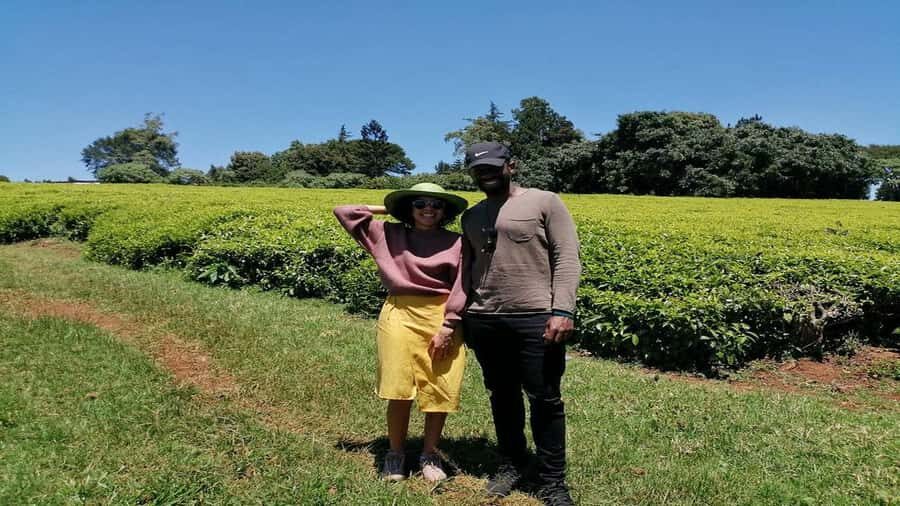
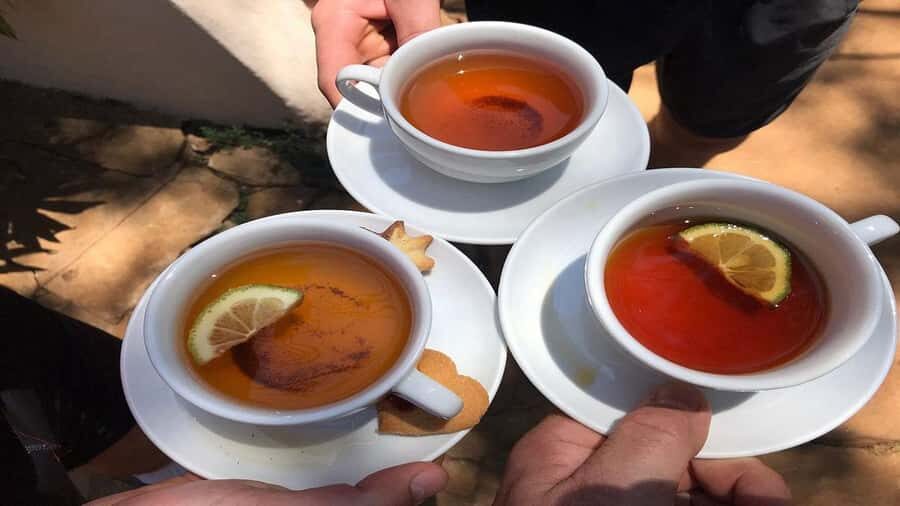
The highlights include a hands-on experience and tea tasting, and the day is structured so tasting doesn’t feel random. You’re shown the farm side first (tea in the field, process explained), then you taste after you’ve built context.
So when you get your tasting cup, you’ll get more out of it because you can connect taste to the day’s explanations. Even if you’re not doing formal comparisons like a tea sommelier, you can still notice how the tea tastes differently when you understand where it came from and how the plant is grown and processed here.
The day’s best tasting benefit is mental: you stop thinking of tea as a generic drink and start thinking of it as a product of land, weather, and careful processing.
Lunch at the farm: a real meal, not a token buffet
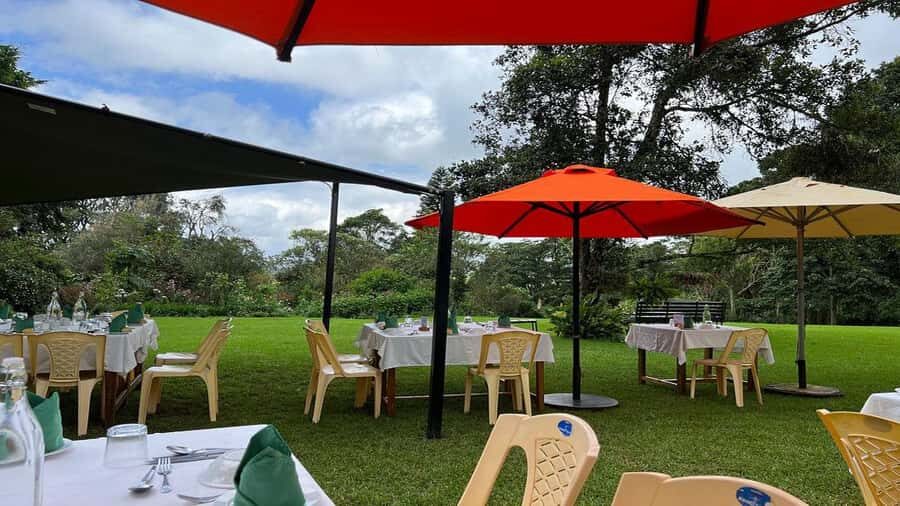
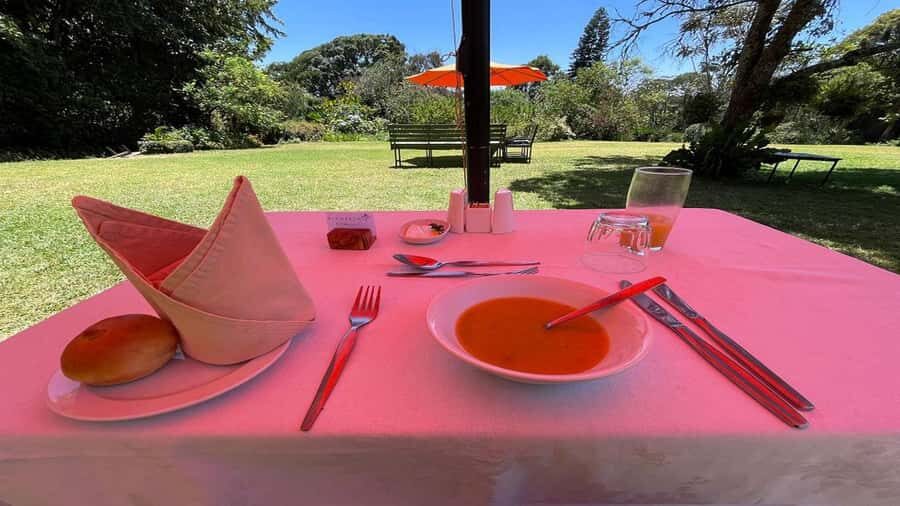
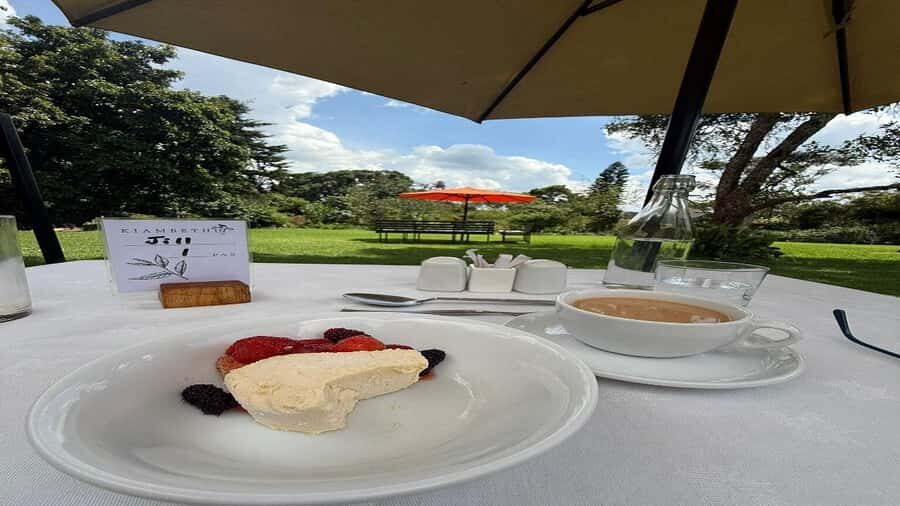
Lunch is a major reason this tour gets strong marks. You’ll enjoy a farm-fresh 3-course buffet with a set menu. The standout detail for food lovers is that the meal is tied to the farm itself: vegetables from the garden, and desserts topped with cream from their herd of Channel Island cows.
That Channel Island cream detail might sound niche, but it’s a great example of why this lunch feels grounded. It’s not just catering for tourists. It’s built from what the farm produces.
Expect a generous meal format. You’ll also likely have plenty of drinks available with lunch. Alcoholic and non-alcoholic options are referenced in the experience feedback you provided, and there’s a clear idea that you should come with an empty stomach.
Here’s my practical advice: plan to eat slowly. The farm day can feel like a lot of small inputs—walk, explanation, viewpoints—and lunch is the reset button. Take it. That way you’ll enjoy the flavors instead of rushing through them.
Who guides what: Fiona, Alex, and the forest team
The day has a friendly, human feel. Fiona (the farm owner) is specifically mentioned in the provided details and feedback as being warm and welcoming, and she’s the kind of host who makes the information feel approachable instead of scripted.
On the transportation side, Alex is named as a driver in multiple experiences, praised for being on time, professional, and easy to talk to. That matters on a half-day itinerary. When the ride is calm and the driver sets expectations, the day feels smoother even if traffic is part of the equation.
Then there’s the resident Kenyan guide for the forest walk. This is where you get the practical plant knowledge and the medicinal-use explanations. If you want to talk, ask questions here. This is the segment where those questions land best.
Price and value: what you pay, what’s extra, and what to watch
The tour price is listed at $50 per person, and the listed duration is 330 minutes. That $50 covers key logistics: pickup and drop-off within Nairobi CBD, all transport, assistance, and airport pickup.
But the most important value detail is that entry/admission to Kiambethu Farm is not included. It’s listed at $34 USD per adult. If you’re budgeting, you should plan on the tour price plus that admission, and then remember that tea packs may be sold during the visit.
So is it worth it? For me, the value comes from three things that align well together:
1) You get a private day trip with transport handled.
2) You get both tea education and a guided forest walk with medicinal plant explanations.
3) You get a real farm meal that’s not just lunch, but part of the farm identity (garden vegetables, Channel Island cream).
If you’re traveling in a group, private transport also reduces stress. You’re not trying to negotiate rides in rural areas mid-day.
The main drawback: expectations about tea-field walking
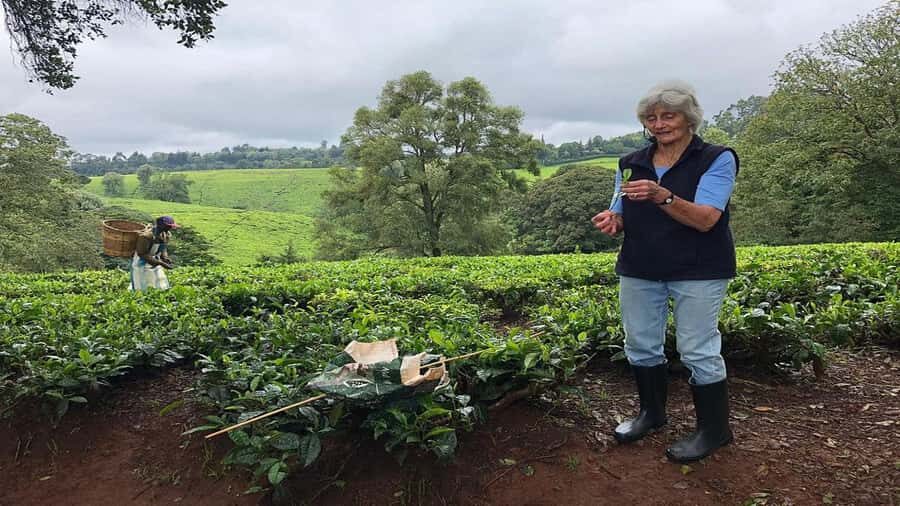
This tour is beautiful and restful, but it’s not designed like a long trek through tea rows. Some people expect to walk more extensively through the plantation itself. Instead, you get a mix: tea in the field, viewpoints, a forest walk that takes center stage, and a lunch experience that fills a big chunk of time.
Also, there’s a historical factor worth keeping in mind. The farm is associated with British ownership due to colonial-era settlement patterns, and that context may not be discussed in depth during the visit. If that subject is sensitive for you, it’s smart to mentally prepare for a gentle, hospitality-first day rather than a heavy historical conversation.
Finally, Nairobi traffic can affect return timing. This is common, not specific, but it’s a real consideration if you plan anything later that evening.
Practical tips so the day feels easy
A few small moves will make this day trip smoother.
- Bring comfortable walking shoes for the forest section.
- Wear layers. Rural afternoons can shift, and you’ll be outside for viewpoints.
- Bring a light camera or phone backup charger. The Ngong Hills views are photo-worthy.
- Come hungry. The lunch is described as plentiful and multi-course, with drinks included.
- If you care about history context, note it early. The tone of the day is hospitality-led, so ask questions if you want more.
And if you’re a tea person: pay attention during the early explanation, then taste with intention. The tasting makes more sense after you’ve seen the tea plant and heard how it’s handled.
Should you book the Kiambethu tea farm tour from Nairobi?
Book it if you want a calm escape from the city that combines tea education, a guided nature walk with medicinal plant stories, and a real farm lunch with strong local character. It’s a great option for couples, solo travelers, and anyone who wants a half-day format without losing the day to logistics.
Skip or rethink if you’re specifically craving hours of deep walking through tea rows with lots of plantation coverage, or if you want a more direct conversation about colonial history during the visit. The experience you’ll get is warm, scenic, and farm-focused—exactly what it’s trying to be.
In short: if you want tea plus nature plus a meal that feels like it belongs to the farm, this is a strong choice.
FAQ
What time do I arrive at the tea farm?
The day is structured for arrival at the farm around 11am, and the tour includes pickup from your Nairobi CBD hotel or residency.
How long is the tour?
The experience duration is listed as 330 minutes.
Is entry to Kiambethu Farm included in the price?
No. The entry/admission to Kiambethu Farm is listed as $34 USD per adult and is not included.
Do I get lunch, and what is it like?
Yes. You’ll have a farm-fresh 3-course buffet lunch with a set menu, including vegetables from the garden and desserts topped with cream from their Channel Island cows.
Will I taste tea?
Yes. Tea tasting is part of the highlights, and the day includes tea time during the tour.
What animals might I see during the forest walk?
You may be able to see colobus monkeys close up during the indigenous forest walk.