REVIEW · NAIROBI
Nairobi Cultural and Historical City Tour with a Local
Book on Viator →Operated by Rustic Nature Tours · Bookable on Viator
Nairobi history fits into one full day. This tour strings together Museum Hill, the KICC skyline, and hands-on craft stops with a guide who keeps the story moving. I especially like how the Nairobi National Museum connects Kenya’s natural world and cultures, including Ahmed the elephant.
I also love the Bomas of Kenya performances, where you can take in many ethnic traditions in one afternoon. The main drawback is the pacing: the route is packed, so you’ll want to be clear with your guide if you prefer slower time at any stop.
In This Review
- Key Highlights You’ll Care About
- Museum Hill at Nairobi National Museum: More Than Plaques
- KICC and Uhuru Park: The Nairobi Skyline Shortcut
- August 7th Memorial Park: Optional, But Emotionally Heavy
- KOBE TOUGH Beads and Leather: Crafting That Pays People
- Utamaduni Craft Centre in Karen/Langata: Souvenirs With Time to Breathe
- Bomas of Kenya: Dance Shows That Actually Teach
- What You Really Get for $95: Value Check for an 8-Hour Day
- Tips to Make This Tour Feel Like Your Day
- Should You Book This Nairobi Cultural and Historical Tour?
- FAQ
- How much does the Nairobi Cultural and Historical City Tour cost?
- How long is the tour?
- What’s included in the price?
- What stops are included, and is August 7th Memorial Park mandatory?
- Is lunch included?
- What’s the cancellation and weather situation?
Key Highlights You’ll Care About
- Ahmed the elephant at the National Museum: a memorable hook into Kenya’s modern conservation story
- 360-degree city views from KICC: the fastest way to get Nairobi’s layout in your head
- Craft work with a purpose at KOBE TOUGH: single-mother employment tied to community support
- Utamaduni in Karen/Langata: a large craft house set in a calmer neighborhood, with easy souvenir shopping
- Bomas dance shows across 53 communities: more variety than you’d expect for one day
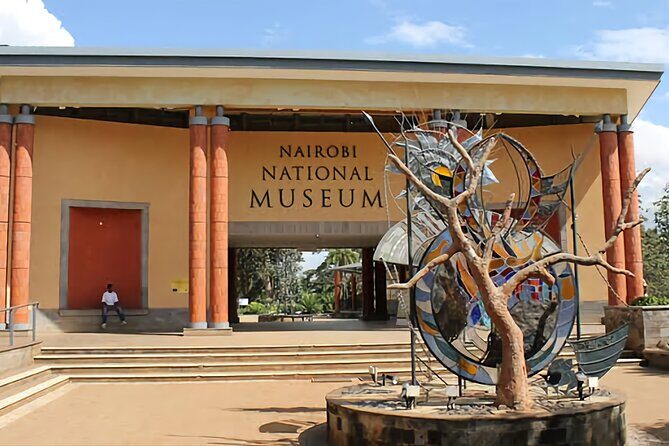
Museum Hill at Nairobi National Museum: More Than Plaques
Most first-time Nairobi days start with big landmarks. This one starts with Museum Hill, which is a smarter move than it sounds. You get your bearings early, and the museum gives you context before the city views and performances roll in.
What I like here is the way the collections cover both the natural side and the cultural side. You’ll see a well-known centerpiece: Ahmed, the massive elephant displayed as a symbol from the height of the 1980s poaching crisis, and kept under constant guard by President Jomo Kenyatta. It’s the kind of detail that turns a visit into a story you can carry around later.
You’ll also run into ethnological exhibits that feel specific rather than generic. One example mentioned in the tour description is a Kalenjin cloak made from skins of Sykes monkeys, plus a mosaic map of Kenya made from butterflies. These are not just decorative. They help you understand how people think about place—where materials come from, how they’re used, and how culture can be mapped.
Practical heads-up: the museum experience can vary depending on who’s guiding at that site and how you like to learn. One review noted a guide who mainly read placards, which can feel less personal if you’re hoping for deeper storytelling. If you want more explanation, ask your main tour guide to add context while you’re inside.
You can also read our reviews of more city tours in Nairobi

KICC and Uhuru Park: The Nairobi Skyline Shortcut
After Museum Hill, you head toward the city center and the Kenyatta International Conference Centre (KICC) area. This is where the tour turns into a photo-and-orientation day.
The KICC building is famous for a reason: it’s an iconic 28-storey landmark, and the rooftop gives you a 360-degree panoramic view. This is useful even if you’re not a photographer. When you can see the grid, the ridges, and the spread of the city, Nairobi stops feeling like a blur of traffic and you start noticing neighborhoods.
Your route also includes time at a Nairobi viewpoint connected to a local park visit—Uhuru Park. The idea is to get a sense of the public spaces and the historical meaning of how the nation has organized itself. In a city where modern buildings can make history feel abstract, these stops help you connect the skyline to the story.
One more thing: this is where guides often do their best “walk-and-talk” work. The tour description notes explanations about pre-independence Nairobi history while you move through the Central Business District. If you’re the type who asks questions, this is a good moment to lean in.
August 7th Memorial Park: Optional, But Emotionally Heavy
The August 7th Memorial Park stop is marked as optional, which matters. It’s not the kind of place you should rush through if you’re sensitive to heavy subject matter.
This memorial sits at the site where the former United States Embassy used to stand. It also includes a memorial museum built to honor people who lost their lives during the August 7, 1998 tragedy. You’ll get stories connected to both victims and survivors, and the focus is on peace and hope.
A consideration for your day plan: if you’re short on time or you want a lighter schedule, you might choose to skip this one. But if you’re traveling with an interest in contemporary history and remembrance, it adds real weight to the route—and it fits the tour’s mix of past and present.
KOBE TOUGH Beads and Leather: Crafting That Pays People
This is one of the stops that most strongly signals why this tour works. KOBE TOUGH beads & leather is not just a shop you’re pushed through. The experience is set up so you see the stages from start to finish.
Even better, it has a human story attached to the craft. The tour description explains that the center employs single mother parents from a poorer neighborhood and helps them earn a living to support their families. It’s described as a women empowerment project, and the business has roots tied to former workers from Kazuri beads, after that factory shut down during the pandemic.
In plain terms: you’re spending time where your money and attention can support a livelihood, not just buy a trinket. One review specifically flagged the bead-making process as interesting, including the method of making objects from ceramic balls.
Practical note: you may have questions about what’s made where and what’s fair trade or local sourcing. Your guide is your best translator here—ask before you buy. If you’re shopping, try to look at quality closely: bead size consistency, finish smoothness, and how pieces are strung or assembled.
Utamaduni Craft Centre in Karen/Langata: Souvenirs With Time to Breathe
After the bead stop, you head to Utamaduni Craft Centre, which is a favorite style of stop for many visitors because it’s structured like a real craft house, not a quick detour.
The description calls it the best African craft shop in Nairobi, and it’s easy to see why it works: it’s a converted Kikuyu house containing 18 shops, packed with crafts, antiques, and art. Staff are described as friendly and helpful with things like packing or shipping, which is a big deal if you don’t want souvenirs turning into baggage problems.
Location matters here too. Utamaduni sits in the Karen/Langata area, described as a greener suburb with ties to Karen Blixen’s original farm and views toward the Ngong hills. Even if you don’t do extra sightseeing beyond Utamaduni, the setting tends to feel calmer than the city center.
Most days, this is also where you can slow down. You’ll have about an hour to browse, and the tour includes time to refresh at the garden restaurant afterward. That’s a smart reset before the energy of the Bomas performances.
One possible drawback: if you’re not into shopping, this could feel like “just another craft stop.” But because Utamaduni is presented as a hub with multiple vendors and a proper browsing pace, I’d treat it as a chance to compare styles and prices rather than a single-pressure sales pitch.
You can also read our reviews of more historical tours in Nairobi






Bomas of Kenya: Dance Shows That Actually Teach
If you want a Nairobi day that feels like culture instead of just sightseeing, Bomas of Kenya is the payoff.
This stop is built around Kenya’s many communities—53 ethnic communities—and it focuses on traditional folklore dances plus visits to different homesteads. In other words, you get performances and you also see a version of how people lived and how communities preserve cultural values.
The tour description notes that daily performances include more than 30 traditional dances, and one of the highlighted segments is the Samburu and Maasai warriors performance. That combination—varied dances plus group roles—tends to land well because it gives you both motion and meaning.
What I appreciate is that this is not only about watching. The structure is designed so you explore, learn, and see how the venue preserves and promotes traditions. If you’re traveling with kids, it’s also a rare place where attention usually stays put, because the rhythm changes often and the performers keep arriving with new costumes and routines.
Two pacing considerations based on what’s been shared:
- Some people felt the Bomas village portion could feel rushed, with limited time at each homestead. If you want linger time for photos or questions, tell your guide early.
- The schedule is performance-focused. If you show up without energy, bring water and plan to stay focused—these shows are where the value is.
What You Really Get for $95: Value Check for an 8-Hour Day
At $95 per person for about 8 hours, the value depends on how you like to travel.
Here’s why it can be a good deal for the right traveler:
- Pickup and drop-off from your hotel/residence reduces stress fast in Nairobi.
- Private transport plus bottled water keeps the day smoother and safer-feeling than trying to route yourself across multiple attractions.
- Core admissions are included at several major stops: Nairobi National Museum, KICC, and Bomas of Kenya.
- You also get free entry at KOBE TOUGH and Utamaduni, while the August 7th Memorial Park is optional.
Also, the tour is described as private for your group, which can matter more than people think. You can ask questions without feeling like you’re competing with other voices, and your guide can adjust pacing to your interests—within the limits of a day plan.
The trade-off is that the schedule is tight by design. If you’re the type who wants half a day in a museum or lots of wandering with no time pressure, you might feel the compression. That’s not a flaw so much as a match issue: this is a “see a lot and understand the main threads” day.
One more value note: the reviews highlight guides like Kelvin, Dannis, Denish, and Faith for being prompt, personable, and helpful. When you get a strong guide, the tour stops feeling like a checklist and starts feeling like a coherent story about Nairobi.
Tips to Make This Tour Feel Like Your Day
A few practical moves will help you get more out of every stop:
- Bring a light layer and comfortable shoes. You’ll be walking between city points and spending time standing or moving inside multiple venues.
- Ask your guide to set your priorities. If you care most about museums, push a little for more time at Museum Hill. If you care most about culture-on-stage, tell them Bomas is your main event.
- At craft stops, compare before you buy. KOBE TOUGH and Utamaduni can both lead to purchases. Give yourself a chance to see how styles vary.
- If you want slower time at Bomas, say so early. One review mentioned feeling rushed in the homesteads. A guide can sometimes adjust how quickly you move.
- Plan for lunch as extra spending. Lunch is not included, but you’ll have a chance for it. In at least one shared experience, the guide suggested a local restaurant where Kenyan food and beer were enjoyed—so rely on your guide for a solid recommendation rather than guessing.
Should You Book This Nairobi Cultural and Historical Tour?
Book it if you:
- Want a first Nairobi day that gives you a clear mental map fast.
- Like learning through museums and craft stories, not just looking at photos.
- Know you’ll enjoy Bomas performances and want more variety than a single show.
Skip or adjust expectations if you:
- Hate tight schedules and need lots of unstructured time.
- Prefer museum-level interpretation at every stop, because some learning is guided on-site while other parts can feel more like you’re reading and moving along.
My take: this tour makes sense for people who want Nairobi to feel understandable by the end of the day—history, skyline, and craft, then culture on stage. With a good guide (Kelvin is a name that comes up often), it becomes more than a “drive-by city tour.” It turns into the kind of day you can build future trips on.
FAQ
How much does the Nairobi Cultural and Historical City Tour cost?
The tour costs $95.00 per person.
How long is the tour?
The tour duration is about 8 hours.
What’s included in the price?
Pickup and drop-off at your hotel/residence, entry at Bomas of Kenya, entry at the Nairobi National Museum, entry at the KICC, and private transport with bottled drinking water are included.
What stops are included, and is August 7th Memorial Park mandatory?
The tour includes the Nairobi National Museum, the KICC, KOBE TOUGH beads & leather, Utamaduni Craft Centre, and Bomas of Kenya. August 7th Memorial Park is described as optional.
Is lunch included?
Lunch is not included. You can purchase lunch during the day.
What’s the cancellation and weather situation?
You can cancel for a full refund if you cancel at least 24 hours in advance. The tour requires good weather, and if it’s canceled due to poor weather, you’ll be offered a different date or a full refund.