REVIEW · NAIROBI
Nairobi History and Modern Culture 3 Hours Tour
Book on Viator →Operated by Happy Tribe Travel · Bookable on Viator
A city can feel big and confusing fast. This short Nairobi tour helps you get your bearings with a mix of old landmarks and today’s street life. I love that it’s a small-group format (cap of 12), which keeps the pace human and the questions easy to ask, and you get a built-in on-the-ground guide who talks through what you’re seeing.
My other favorite part is the KICC helipad panorama, a quick photo-stop that turns the center of Nairobi into something you can actually visualize. One consideration: central Nairobi can attract attention from people outside the tour, and you’ll want to follow the guide’s advice on staying firm and not engaging if soliciting gets annoying.
In This Review
- Key highlights
- Why This Nairobi Center Tour Feels Worth the $30
- Getting Ready: Pickup, Mobile Ticket, and What’s Actually Included
- Stop 1: Jeevanjee Gardens and the Colonial Street Names You’ll Notice Later
- Stop 2: City Market Curio Shopping Without Feeling Lost
- Stop 3: Jamia Mosque and the Soundtrack of Daily Life
- Stop 4: McMillan Memorial Library and Civic Identity
- Stop 5: Kenyatta Avenue—Askari Monument, War Memorial, and the City’s Front Door
- Stop 6: Sarova Stanley Nairobi—Why the Old Hotel Still Matters
- Stop 7: Dedan Kimathi Statue and Mau Mau Independence in Real Terms
- Stop 8: Moi Avenue—Matatu Culture and Street Energy
- Stop 9: Kenyatta International Convention Centre (KICC) Helipad Photos
- Stop 10: The Galton-Fenzi Memorial and a Quick Wrap-Up
- Small-Group Pace: Guides Like Dennis and Simon Change the Whole Tour
- The Main Caution: Handling Soliciting on Busy Streets
- Getting the Best Value: How to Think About Time, Fees, and Comfort
- Who This Tour Fits Best
- Should You Book Nairobi History and Modern Culture?
- FAQ
- How long is the Nairobi History and Modern Culture tour?
- How much does the tour cost?
- Is pickup included?
- What’s included in the tour price?
- Is the KICC admission fee included?
- Is there free cancellation?
Key highlights
- Jamia Mosque stop for a real look at how faith shows up in daily city life
- City Market curio browsing across multiple sections, with time to shop
- Swahili slang basics so street interactions feel less intimidating
- Askari and war memorial moments along Kenyatta Avenue, tied to Kenya’s story
- KICC helipad aerial views (entrance fee not included)
- Included photo and shoe cleaning so you leave with something tangible, not just memories
Why This Nairobi Center Tour Feels Worth the $30

At $30 per person for a 2 to 3 hour loop in central Nairobi, the value is less about “big-ticket attractions” and more about time. If this is your first time in the city, you’ll save hours by letting a guide translate the streets, names, and landmarks into a story you can use later.
The pacing matters too. The tour is broken into short stops—many around 5 to 10 minutes—so you’re never stuck staring at a sign while the heat builds. And because it’s designed as a small group experience with pickup and drop-off, you don’t lose your energy figuring out transport between sites.
You can also read our reviews of more historical tours in Nairobi



Getting Ready: Pickup, Mobile Ticket, and What’s Actually Included
You’ll meet at CJ’s on Koinange Street, then get picked up and dropped back there at the end. That door-to-door style matters in Nairobi’s center, where traffic and detours can eat time. You also get an air-conditioned vehicle transfer, which makes a short walk feel more comfortable than it might otherwise.
This tour includes:
- pickup and drop-off
- fruit salad
- shoe cleaning
- professional street photo
- bottled water
Those extras are small, but they help you travel lighter. The bottled water is practical in this part of town, and the shoe cleaning and photo angle suggests the company is thinking about presentation—like you’ll be taking pictures and want to look your best.
You’ll also get a basic Swahili vocabulary lesson aimed at slang and real-world phrases, plus recommendations for where to eat and what to check out next.
Stop 1: Jeevanjee Gardens and the Colonial Street Names You’ll Notice Later

The tour starts at Jeevanjee Gardens, where you learn how the garden fits into the broader city layout. It’s only a short stop, but it’s a good one for first-timers because it gives you a mental map of what’s around it.
Here’s what makes this stop useful: the guide connects the garden to the colonial street names surrounding it. Even if you don’t memorize everything, you’ll start recognizing patterns in street signage and how eras overlap in Nairobi’s center. You’ll also get a quick sense of what’s happening there now, not just what used to happen there.
Stop 2: City Market Curio Shopping Without Feeling Lost
Next up is City Market, where you move through the market’s different divisions. The point isn’t just shopping—it’s learning how the market is organized and why it exists in this form.
You get around 20 minutes, which is enough time to browse and buy small souvenirs without turning the tour into a shopping marathon. This is also where you’ll pick up shopping confidence. You’ll know what to look for, and you can ask the guide for help in sorting out quality and fair pricing—especially if you’re new to bargaining.
Stop 3: Jamia Mosque and the Soundtrack of Daily Life
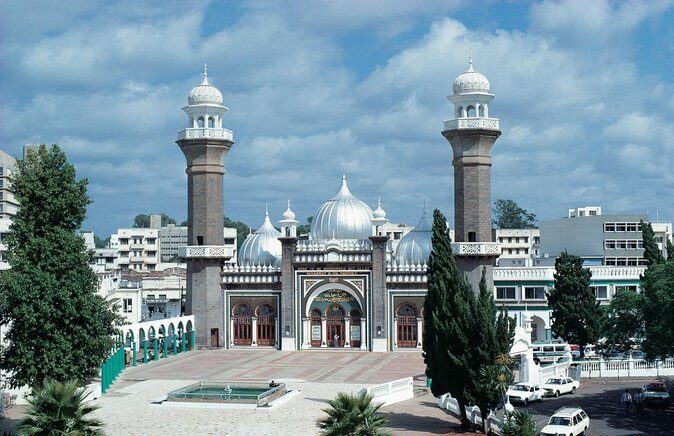
At Jamia Mosque, you see the mosque and its activities. This is a short stop, about 10 minutes, but it lands the tour’s theme quickly: Nairobi is not stuck in the past, and religious life is part of the city’s everyday rhythm.
A quick tip: dress respectfully and keep your questions gentle. You’ll get a clearer sense of what you’re seeing if you ask about what visitors might notice first, like patterns of movement and the flow around the building.
A few more Nairobi tours and experiences worth a look

Stop 4: McMillan Memorial Library and Civic Identity

Then you head to the McMillan Memorial Library, where you can see what makes the structure unique and learn its historical role, including its connection to the constitution. It’s another 10 minute stop, but libraries like this are the kind of place where you can feel how governance and public life mix.
This stop also works well for photos. Even without lingering, you’ll capture architectural details that help you remember the city beyond street names.
Stop 5: Kenyatta Avenue—Askari Monument, War Memorial, and the City’s Front Door

Kenyatta Avenue is one of the main entrances into the city, so you’re not just visiting a landmark—you’re walking a front-row section of Nairobi’s modern street ecosystem.
Along the way, you’ll see:
- the Askari monument
- the African war veterans memorial obelisk
- banks, Forex bureaus, and restaurants
The main value here is context. These memorials can look like “just monuments” if you don’t have a quick explanation. With the guide’s framing, you’ll understand them as part of Kenya’s independence and post-colonial narrative—then you’ll be able to connect that to what you see on the street today.
Stop 6: Sarova Stanley Nairobi—Why the Old Hotel Still Matters

You stop at Sarova Stanley Nairobi, a five-star hotel that’s described as the oldest in the city. You’ll learn its history and then also see stores along Kimathi Street.
This part of the tour helps you notice how Nairobi mixes older institutions with newer commercial life. It’s a reminder that the city’s story is layered: the same area can host legacy buildings and everyday errands within a few blocks.
Stop 7: Dedan Kimathi Statue and Mau Mau Independence in Real Terms

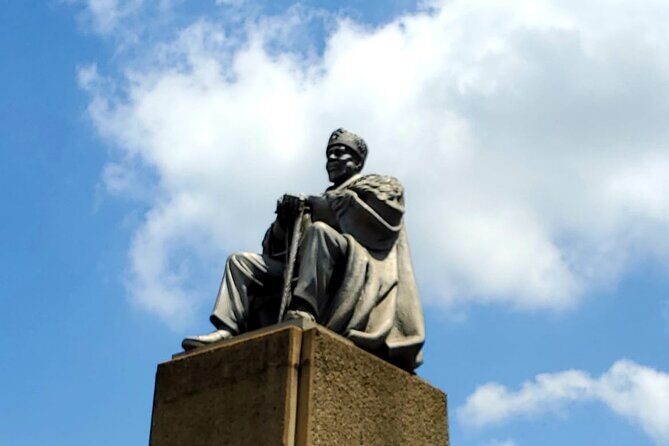
At the Dedan Kimathi Statue, the guide connects him to Kenya’s fight for independence and the Mau Mau movement. It’s a quick 5 minute stop, but it gives you a name and a role to attach to something you’d otherwise just pass by.
Then you’ll also spot nearby landmarks like the Hilton hotel Nairobi. The pairing is useful: independence heroes and major international hotels sit close enough that you can understand how Nairobi’s global presence coexists with local memory.
Stop 8: Moi Avenue—Matatu Culture and Street Energy
On Moi Avenue, you’ll get a close look at matatu culture—the colorful, loud, very Nairobi transit scene. Expect it to move fast. This is only 5 minutes, but it’s one of the best “modern city” moments because it shows how transportation becomes identity here.
If you’re photographing, keep it respectful. Don’t step into traffic. Let the guide steer where it’s safe to stop and snap a picture.
Stop 9: Kenyatta International Convention Centre (KICC) Helipad Photos
This is the tour’s big visual payoff. At Kenyatta International Convention Centre, you’ll take photos at the Jomo Kenyatta statue and then go up to the helipad for aerial views.
The aerial view includes sights such as:
- the historical British railway
- Parliament buildings
- Uhuru Park grounds
- Holy Family Basilica Catholic church
This stop lasts about 30 minutes, and the admission ticket for KICC is not included. If you care about the view (and most people do), budget for that extra cost. The payoff is real: seeing the layout from above makes all the earlier street context feel clearer.
One practical thought: plan your photo style. From above, you’ll want wider shots that show neighborhoods, not just close-ups. With limited time, it helps to take one establishing photo first, then go for details.
Stop 10: The Galton-Fenzi Memorial and a Quick Wrap-Up
Finally, you visit The Galton-fenzi Memorial, where you learn about directions and distances of major cities in the world. It’s about 10 minutes, and it works like a mental reset: you finish with scale, not just local landmarks.
Then you walk back toward Jeevanjee Gardens, ending the loop where you started.
Small-Group Pace: Guides Like Dennis and Simon Change the Whole Tour
A lot of the strong ratings come down to guide energy and clarity. Names that pop up in the feedback include Dennis and Simon Njuguna. The pattern is consistent: they connect what you’re seeing with why it matters, and they help you feel safe while walking in busy central areas.
I also like that the experience is described as customizable. If you’re short on time or you want to lean more into culture versus shopping versus photos, the format is built for adjustment instead of forcing one rigid script.
And yes, you’ll likely hear Swahili slang basics and get practical recommendations for where to eat and hang out next. That’s not a “bonus”—it’s what makes the tour useful after you leave.
The Main Caution: Handling Soliciting on Busy Streets
One of the negative notes tied to this area is that people outside the tour can solicit attention—sometimes persistently. This isn’t unique to one company; it’s the reality of walking in parts of Nairobi where crowds pass by.
The guide’s approach is clear: you’ll get an oral briefing before you start, and the advice is to ignore negative attention and say no firmly if it continues. If you don’t like confrontation, go in with a plan for boundaries before you set foot on the street.
Getting the Best Value: How to Think About Time, Fees, and Comfort
Here’s how I’d optimize this tour for value:
- Book it early in your Nairobi stay. If this is your first tour, you’ll start recognizing landmarks and street names later.
- Plan for the KICC admission fee. The rooftop view is the big draw, so don’t let an unplanned extra cost derail your day.
- Do it in the morning if you’re doing other activities later. One piece of feedback notes stair use for viewpoints in the wider route, so going earlier can help if you’re already tired.
- Wear shoes you can walk in. Even with vehicle transfers, you’ll be on your feet for multiple short segments.
And since the tour includes bottled water, fruit salad, and even shoe cleaning, you can keep your day simple. That’s part of why the total cost makes sense: you’re paying for a timed route plus local direction plus small comforts.
Who This Tour Fits Best
This works especially well if you:
- are in Nairobi for the first time and want a quick central overview
- want a short layover-friendly outing that still feels like Nairobi, not a checklist
- prefer walking segments with frequent explanations rather than one long drive
- like practical language basics (Swahili slang) and food recommendations for after the tour
If you’re only interested in very specific museums or far-flung neighborhoods, you may find the focus on central sights and civic landmarks fits your style less. But for orientation and context, it’s a solid choice.
Should You Book Nairobi History and Modern Culture?
I’d book it if you want a fast, guided way to understand Nairobi’s center—especially if you care about independence-era monuments, places of worship, and city views from KICC. At $30, you’re buying structure: transport support, short stops with context, and included extras like bottled water, fruit salad, and a professional photo.
Skip it or think twice if you strongly dislike dealing with street-level attention from people outside the tour. This route can bring you into the thick of central Nairobi, and you’ll want to follow the guide’s boundary advice early.
If you want a first-date kind of tour—one that helps you figure out the city quickly—this one is a good match.
FAQ
How long is the Nairobi History and Modern Culture tour?
It runs about 2 to 3 hours.
How much does the tour cost?
The price is $30 per person.
Is pickup included?
Yes, pickup and drop-off are included, and transfers are described as door-to-door and air-conditioned.
What’s included in the tour price?
Included items are pickup and drop-off, fruit salad, shoe cleaning, a professional street photo, and bottled water.
Is the KICC admission fee included?
No. The Kenyatta International Convention Centre entrance is not included.
Is there free cancellation?
Yes. You can cancel for a full refund up to 24 hours before the experience start time.