REVIEW · NAIROBI
Nairobi: Day Tour to Amboseli National Park & Maasai Village
Book on GetYourGuide →Operated by Niroskos Tours And Safaris · Bookable on GetYourGuide
Elephants with Kilimanjaro in one day is hard to top. This Nairobi tour pairs Amboseli National Park wildlife time with a human-scale Kilimanjaro viewpoint, plus a cultural stop with Maasai families. The main drawback: the mountain can hide in clouds, and it’s a long travel day.
What I like most is the chance to see elephants up close in one of Kenya’s best elephant-and-scenery setups, not just from far away. I also like the way the Maasai village visit includes time for hands-on conversation, traditional dance, and beadwork you can actually look at while asking questions.
In This Review
- Key points before you go
- Entering Amboseli National Park: Why the View Is the Whole Point
- The Nairobi-to-Amboseli Drive: When Comfort and Time Really Matter
- The Game Drive: How You Maximize Elephants (and Why Lions Are a Coin Toss)
- Lunch and Snacks: What You’ll Spend and How to Avoid Getting Hangry
- Maasai Village Visit: Dance, Beadwork, and Questions That Make It Real
- Guide and Driver Quality: The Difference Between a Good Day and a Great One
- Price and Logistics: Is USD 75 Good Value Here?
- Who Should Book This and Who Might Skip It?
- Should You Book This Nairobi Day Trip to Amboseli and a Maasai Village?
- FAQ
- How long is the Nairobi to Amboseli day tour?
- What is included in the tour price?
- What is not included?
- Is Kilimanjaro visible every day?
- What time should I expect to leave and return?
- What languages are available for the guide?
- Are pets allowed?
Key points before you go
- Elephants + Kilimanjaro framing: even when visibility is average, Amboseli is still an elephant magnet
- A real guided game drive: your guide works the park to maximize sightings (lions aren’t guaranteed, but chances improve)
- Maasai dance and beadwork: you get more than a quick photo stop, with time to watch and learn
- Long day, early pickup: the day runs long even if it’s sold as a “12-hour” trip
- Budget for the extras: park entrance fee, lunch, and the village fee add up beyond the base price
Entering Amboseli National Park: Why the View Is the Whole Point
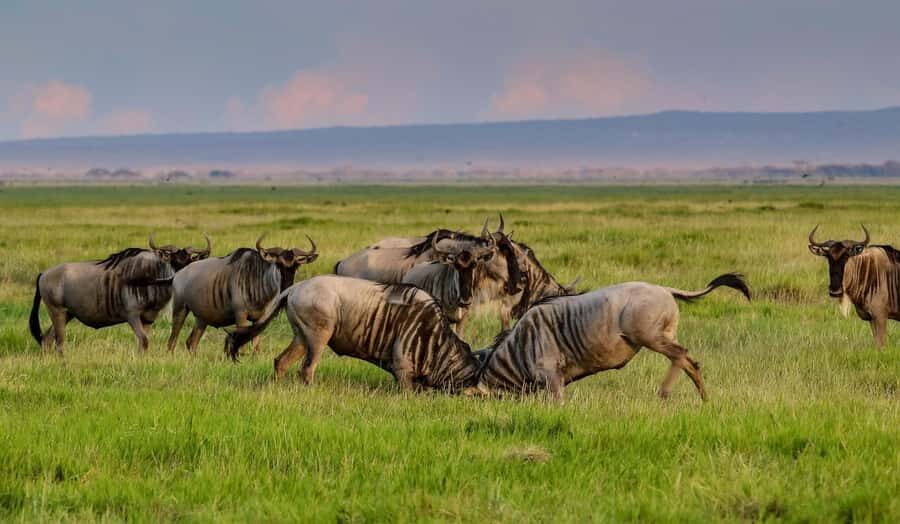
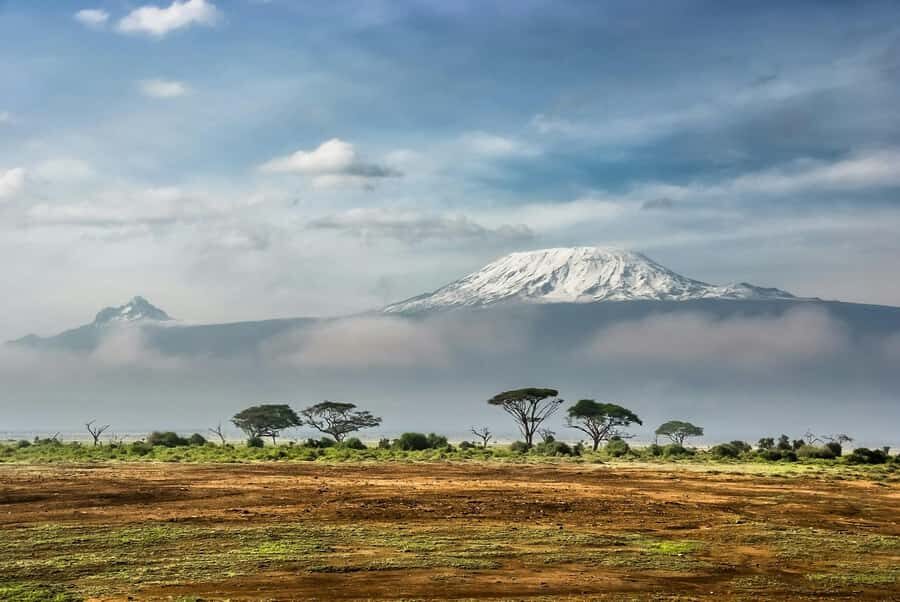
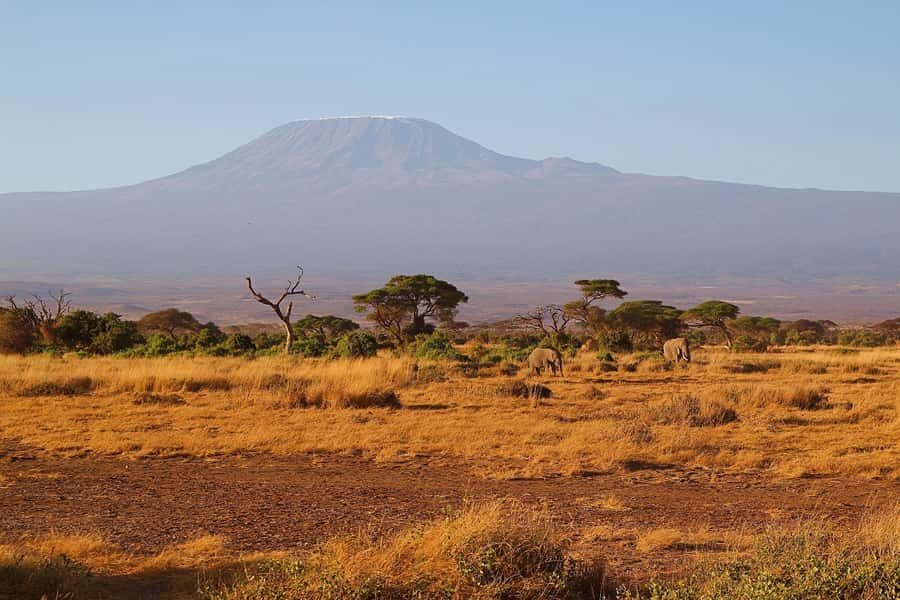
Amboseli is famous for a simple reason: elephants look dramatic here. Put that next to Mount Kilimanjaro, and you get the kind of contrast photographers chase. On a clear morning, the mountain can feel close enough to touch, and you’ll see why people plan entire trips around it.
Now, be honest with yourself about expectations. Even with the best planning, Kilimanjaro visibility is not controlled. Some days clouds roll in, and you’ll still get a great safari, just without that famous mountain silhouette. I like that the trip doesn’t pretend you’ll always see it. You still come for elephants and wildlife, and that part of the day holds up.
Inside the park, you’ll be moving through the open savannah and wetlands areas with a guide who knows animal routines. That matters, because Amboseli wildlife concentrates where food and water line up. The upside is you often spend your game-drive time where animals actually are, instead of wasting it cruising aimlessly.
You can also read our reviews of more tours and experiences in Nairobi.



The Nairobi-to-Amboseli Drive: When Comfort and Time Really Matter
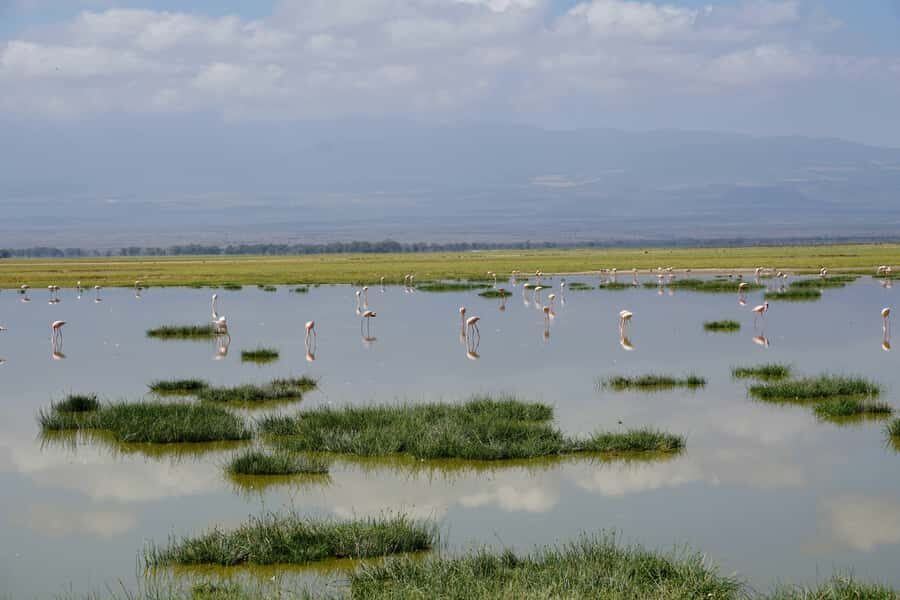
This is a distance trip from Nairobi, not a quick hop. Expect early departure and a several-hour drive each way. The tour runs in a way that’s built around timing your morning game drive, so you’ll be up early and riding for a while.
A 12-hour estimate can understate the real rhythm. People report getting picked up around the pre-dawn hours and returning later than expected because of traffic and the way the day flows. Plan your schedule like it’s a near-full day gone: you’ll likely be back late evening, not for dinner out.
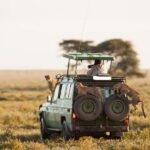
What helps: you’re in a 4×4 safari vehicle with bottled water included, and stops happen along the way. You may also get breakfast or tea/coffee breaks during the long road portion, which makes the early start more manageable. One practical tip from the real-world experience: pack your own snacks if you have strong cravings later in the day, since lunch is not included and park-area food can be pricey.
Also, traffic can be real in Nairobi. If you’re the type who gets stressed by delays, bring a little patience. You’re doing a safari, not running a sprint.
The Game Drive: How You Maximize Elephants (and Why Lions Are a Coin Toss)
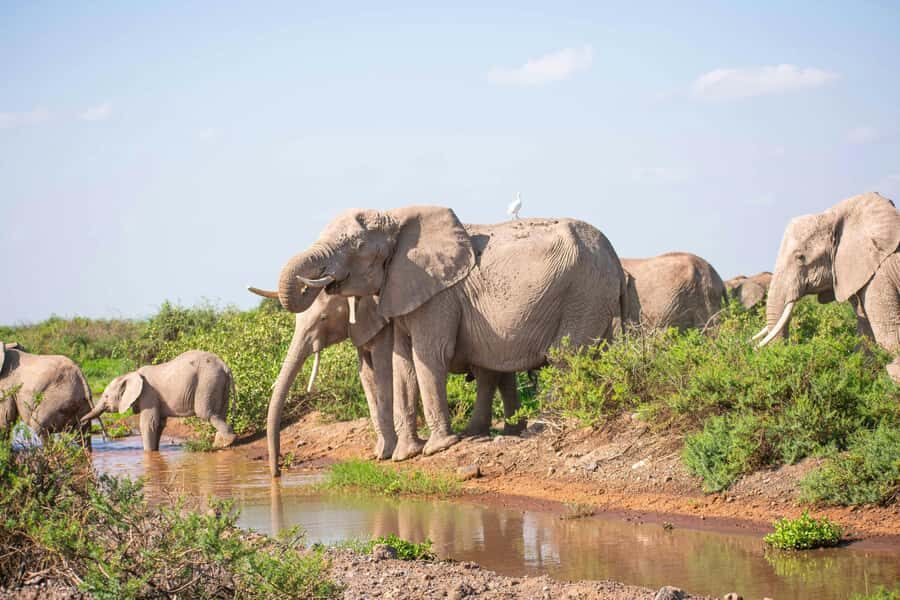
Your core safari block is a guided game drive inside Amboseli. The idea is straightforward: spend your best daylight hours scanning for animals while your guide positions the vehicle for sightings. In practice, that means you’ll keep moving through different zones and stop when the guide spots signs or when sightings are confirmed.
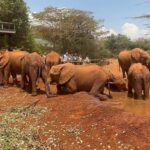
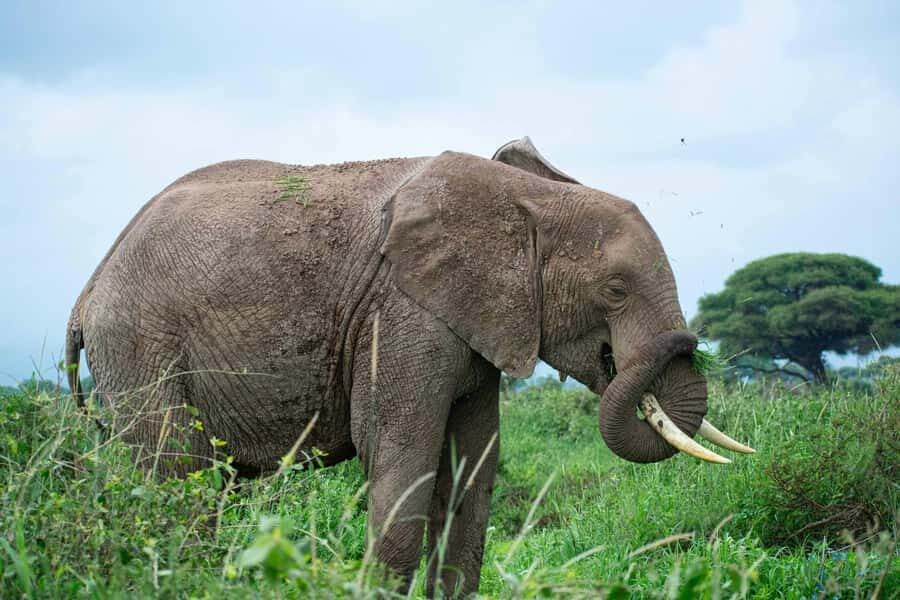
Elephants tend to be the headline. Many people come home talking about elephant families crossing, feeding areas, or groups you can watch for long stretches. It’s the kind of wildlife watching where your camera goes from ready to resting and back to ready again.
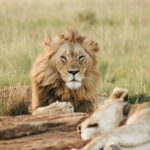
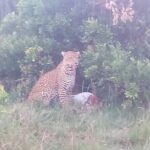
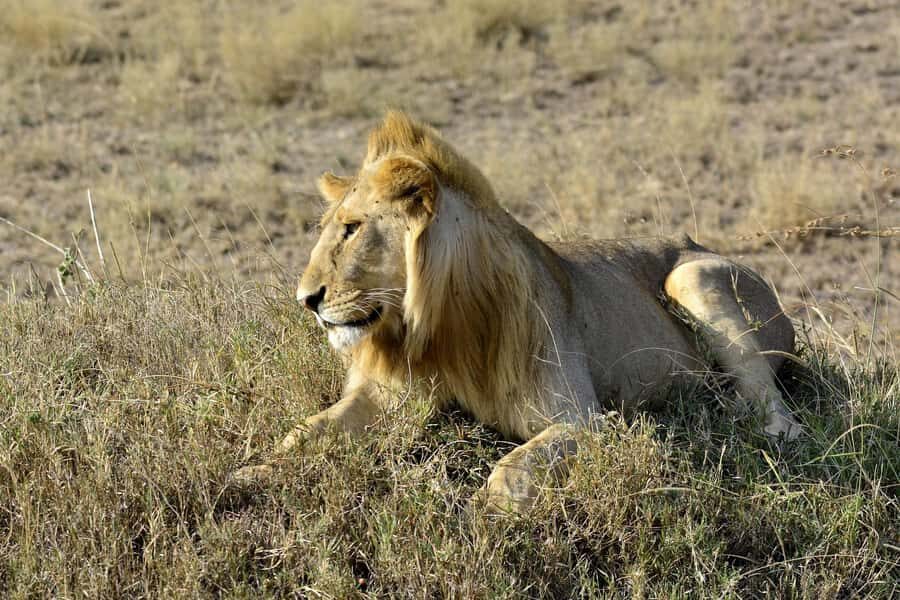
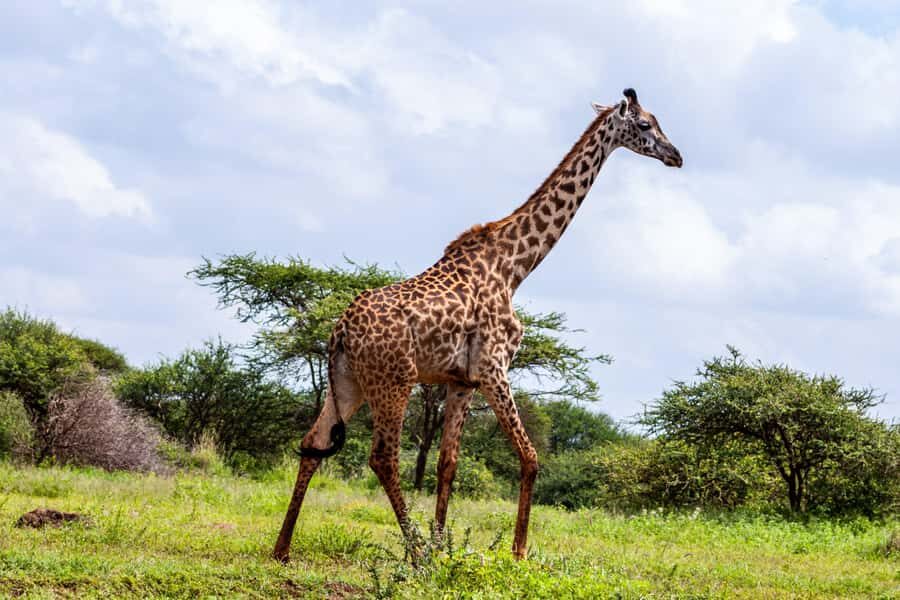
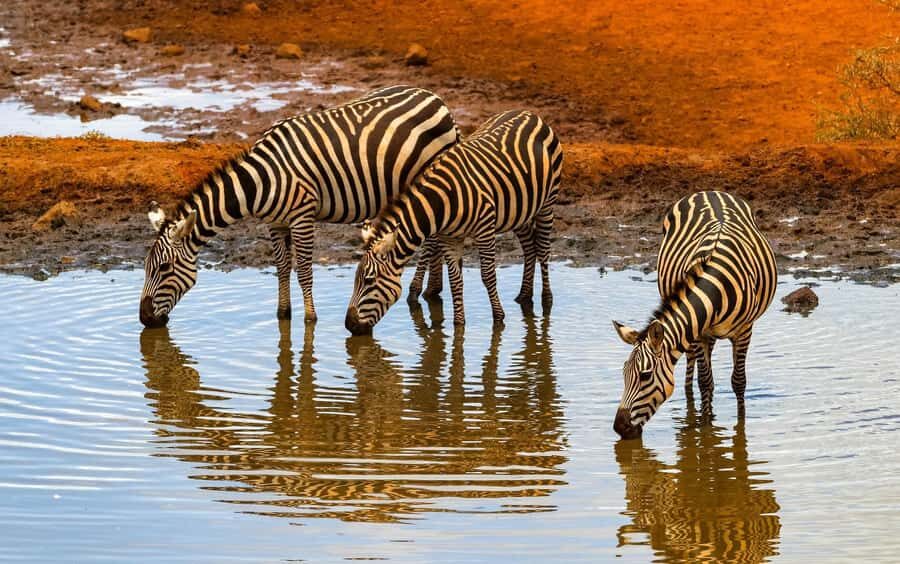
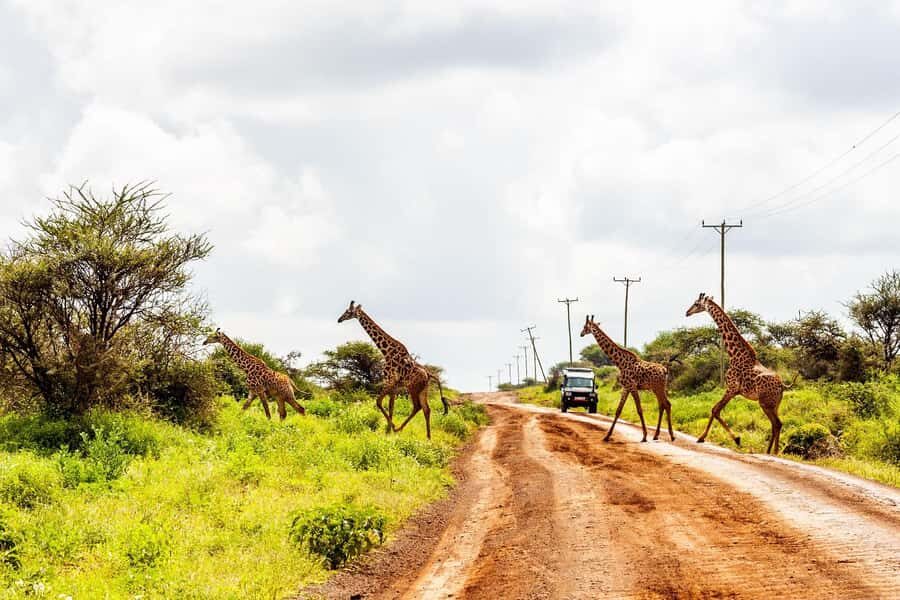
Other animals you might see include lions, giraffes, zebras, and a mix of birds and smaller wildlife. Some groups have been lucky with big-cat sightings, including lion and lioness encounters. Still, take lions in Amboseli as luck-based. You’re in a national park, not a zoo with guaranteed schedules. The best mindset is: aim to see a lot, and accept that the final highlight might be something unexpected.
If you want the most out of the drive, do two things:
- Keep your attention on your guide when animals are spotted; the stop timing is part of the skill.
- Be ready for movement. When elephants shift, you’ll want to reposition quickly for the best views.
And yes, the views with Kilimanjaro in the background can be breathtaking when conditions line up. When it doesn’t, the elephants still carry the day.
Lunch and Snacks: What You’ll Spend and How to Avoid Getting Hangry
Lunch is scheduled as a stop in the middle of the safari day, but it’s not included in the tour price. That means you’ll be choosing from the available options near the park—often hotel or resort-style set-ups, where pricing can be on the high side.
I’m not saying you should skip the lunch stop. I am saying you should plan for it. If you have dietary preferences, you’ll want snacks you trust so you’re not stuck negotiating your appetite on an expensive buffet day.
One thing I’d do: bring a few snack items from Nairobi before you leave, especially if you know you burn through energy in the car and in the heat. People also note that water provided by the tour can feel light on longer hot days, so having extras in your bag can make the day feel easier.
If you’re the type who likes to eat light and then graze, do that. The safari day is long enough that going heavy at lunch can make you feel sluggish during the later drive.
Maasai Village Visit: Dance, Beadwork, and Questions That Make It Real
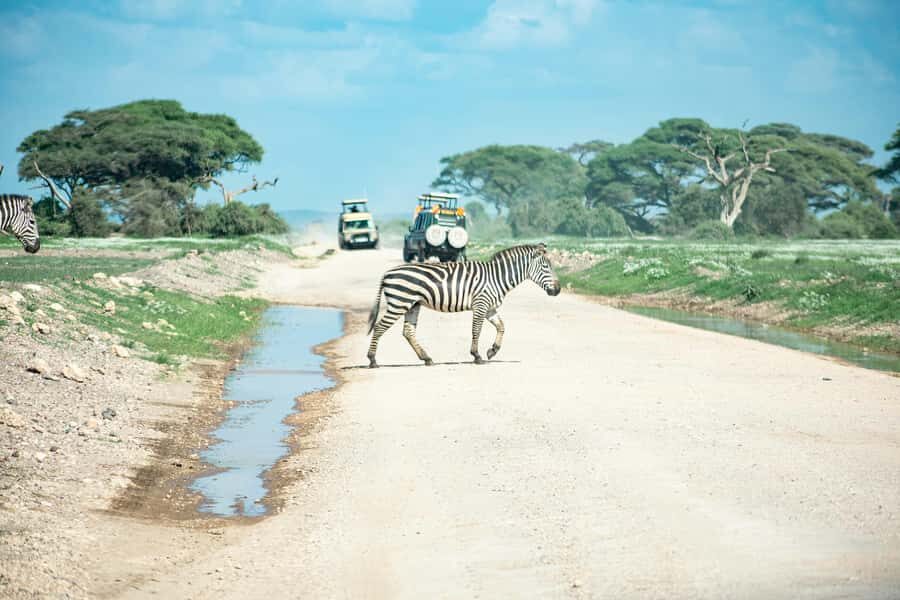
After the park time, the tour heads to a Maasai village encounter. This is the cultural half of the day, and it’s usually structured around a visit, traditional dance, and time to see beadwork and crafts up close.
Here’s what matters for you: this stop is meant to be interactive. You’ll get a chance to talk with people, ask about customs, and watch the dance and craftwork. Beadwork is often one of the most interesting elements, because it’s detailed and personal—something you can inspect and ask about without needing a translator for every single word.
A balanced note: people’s opinions on the village portion vary. Some feel the visit doesn’t match their expectations or that the fee doesn’t justify what they see. I’d handle this the same way I handle any cultural stop: treat it as a conversation opportunity, not a shopping mission. If something feels uncomfortable or overly commercial, keep your tone respectful, watch first, and ask questions about what you’re actually seeing.
If you want to get the most, go in with curiosity:
- Ask about beadwork meaning and how it’s used.
- Ask about daily life and what a normal day looks like.
- Focus on listening more than collecting photos.

Guide and Driver Quality: The Difference Between a Good Day and a Great One
On safari, the guide can make or break the experience. Your tour includes a professional guide, and that show up in the real-world praise for this kind of trip. People commonly highlight guides who are friendly, attentive, and effective at spotting animals—especially elephants.
Names that come up often include Harrison, Charles, Jack, Kelvin, Samy, and others, with drivers such as Denis, Herman, and Demis also mentioned for safe driving and smooth organization. The common thread: they manage the timing, handle questions in multiple languages when needed, and still keep the mood relaxed enough to enjoy the day.
This is why I like booking a tour with a known guide-driver team for day safaris. In one long day, you don’t have time for guesswork. A strong team helps you:
- start on time,
- get the best use of daylight,
- and keep you comfortable during road time.
Also, if you care about specific sightings—like lions—you want a guide who will explain what’s realistic and where your best chances are. That way, you don’t feel misled; you feel informed.
Price and Logistics: Is USD 75 Good Value Here?
The base price is listed at USD 75 per person for the Nairobi-to-Amboseli day tour. That number covers transportation in a 4×4 safari vehicle, hotel pickup and drop-off, a professional tour guide, and bottled water.
But the real cost is rarely just the base fare, because two big items are not included:
- Park entrance fee: USD 90 per person
- Lunch and snacks: not included
On top of that, the Maasai village visit fee is not included either. And if you want a French or Spanish guide, there’s an additional USD 20 per booking.
So the value question becomes: are you paying for a well-run day trip plus park logistics, while you handle the on-site fees yourself? In my view, yes—if you budget correctly and treat this like a full-day safari outing rather than a cheap add-on.
Here’s the math mindset I’d use:
- Expect the park entrance fee to be a major chunk of your total.
- Budget for lunch separately, and don’t assume it’s a bargain.
- If you care about language, account for the guide-cost option.
If you do that, the USD 75 base price starts to look like what it should be: transport, guiding, and organization for a long day that would be a hassle to coordinate on your own.
Who Should Book This and Who Might Skip It?
This works best if you:
- want an efficient safari day from Nairobi,
- care most about elephants and big open-country wildlife,
- like pairing nature with a cultural stop (dance and beadwork),
- and you’re comfortable with long drives and early starts.
Consider skipping (or choosing a different format) if you:
- want Kilimanjaro views guaranteed every time,
- dislike long day trips with late returns,
- or feel strongly that cultural village visits should be optional and not part of your day package.
One extra note: group size can affect the feel of the day. Some groups have been small and that can make the experience more relaxed, with easier attention from the guide-driver team.
Should You Book This Nairobi Day Trip to Amboseli and a Maasai Village?
If your heart says elephants, I think this is a solid choice. The elephant-and-mountain photo potential is real when the sky cooperates, and even on cloudy days, the safari portion still delivers with a lot of wildlife time and a guided approach that helps you see more.
Just go in with the right mindset:
- Kilimanjaro is not guaranteed.
- The day runs long, so don’t schedule tight plans for the evening.
- Bring snacks and maybe extra water.
- Budget for park entrance, lunch, and the village fee, because those are major parts of the total experience.
If you want a one-day way to check both wildlife and Maasai culture off your Kenya list, this trip fits the job.
FAQ
How long is the Nairobi to Amboseli day tour?
The duration is listed as 12 hours.
What is included in the tour price?
Included items are transportation in a 4×4 safari vehicle, hotel pickup and drop-off, a professional tour guide, and bottled water.
What is not included?
Lunch and snacks are not included, the park entrance fee is not included (USD 90 per person), the Maasai village visit fee is not included, and a French or Spanish guide costs an extra USD 20 per booking.
Is Kilimanjaro visible every day?
No. Visibility can depend on clouds, so you should plan for the possibility that Kilimanjaro may not be visible during your visit.
What time should I expect to leave and return?
You’ll start with an early morning pickup, and you should expect to return late in the evening due to the long day and road time.
What languages are available for the guide?
The tour offers live guides in English, French, and Spanish. If you need a French or Spanish guide, there is an extra USD 20 per booking.
Are pets allowed?
Pets are not allowed. Assistance dogs are allowed.