REVIEW · NAIROBI
From Nairobi: Maasai Mara 3Day Budget Safari Holiday on Jeep
Book on GetYourGuide →Operated by GRACEPATT SAFARIS · Bookable on GetYourGuide
Early mornings, big cats, and real value. A 3-day Maasai Mara budget safari from Nairobi gives you that classic Kenya feeling without the luxury price tag. I really like the straightforward pacing: you get out fast, spend your daylight on wildlife, then sleep in a self-contained tent at a practical camp. I also love the human side of the trip, especially when your driver-guide is the friendly kind—like Benjamin, who shared animal info in a way that kept everyone switched on.
Still, there’s one catch to plan for: you’re responsible for park entrance fees, and they change by season. When those fees land, they can narrow the budget advantage a lot, so it helps to estimate the all-in cost before you commit.
In This Review
- Key Points at a Glance
- Nairobi to Maasai Mara: The Jeep Starts the Adventure
- Why this routing matters
- Day 1: Rift Valley Viewpoints, Narok Lunch, and an Evening Game Drive
- What you’ll likely notice right away
- Day 2: Full Wildlife Day Around Mara River and the Masai Mara–Serengeti Ecosystem
- Mara River time is not a throwaway
- The practical balance
- Day 3: Leaving the Reserve, Optional Village Time, and Back to Nairobi
- Why the return timing is helpful
- The Big Five Question: How a Budget Plan Can Still Feel Worth It
- Lenchada Tourist Camp and the Tented Night Reality Check
- What to expect from a budget camp
- Price and Value: Where the Real Costs Hide
- Park entrance fees are the big variable
- How to think about value
- Optional costs you can control
- The Guide Factor: Why Friendly Explanations Matter
- Who This Safari Fits Best
- Quick Packing Tips (Without Guessing Your Style)
- Should You Book This Maasai Mara Budget Safari?
- FAQ
- How long is the Maasai Mara safari?
- What is the starting point and pickup?
- How is transportation handled?
- Where do you stay overnight?
- Are park entrance fees included in the price?
- How much are the park entrance fees?
- What activities are included during the safari?
- Is the Masai village visit included?
- Is a hot air balloon included?
- What language is the guide?
Key Points at a Glance
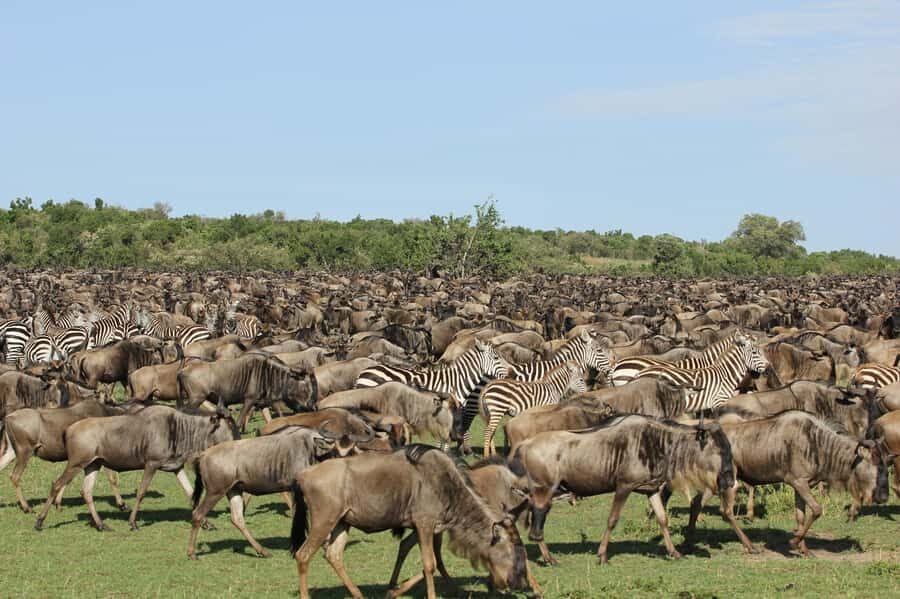
- Big Five focus in Maasai Mara with an evening game drive that runs up to the park closing time
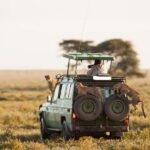
- 4×4 Land Cruiser Jeep transport from Nairobi, including a Rift Valley viewpoint stop for photos
- Tented stay at Lenchada Tourist Camp (or similar) with self-contained tents
- A full park day on Day 2, including time around Mara River and the border area
- Optional Masai village visit (USD 20 per person) if you want culture with your wildlife
- Entrance fees not included, with a two-entry fee structure that varies by season
Nairobi to Maasai Mara: The Jeep Starts the Adventure
This is a safari where the day begins with purpose. You’re picked up from your Nairobi hotel in the early morning, meet at the assembling point around 8:00 am, and then head out at about 8:30 am.
On the way to Maasai Mara, you’ll make a short stop at the Great Rift Valley viewpoint. It’s the kind of break that’s worth it because it gives you a first look at the scenery—and a quick chance to take photos before the wildlife-focused portion kicks in. After that, you pass through Narok Town for lunch, and the drive continues until you reach the reserve around 3:30 pm.
A few more Nairobi tours and experiences worth a look
Why this routing matters
Driving in Kenya can be long, so the practical win here is that you’re not just stuck in a vehicle. The Rift Valley stop breaks up the trip, and the Narok lunch break keeps the journey from feeling like one endless ride.
Day 1: Rift Valley Viewpoints, Narok Lunch, and an Evening Game Drive
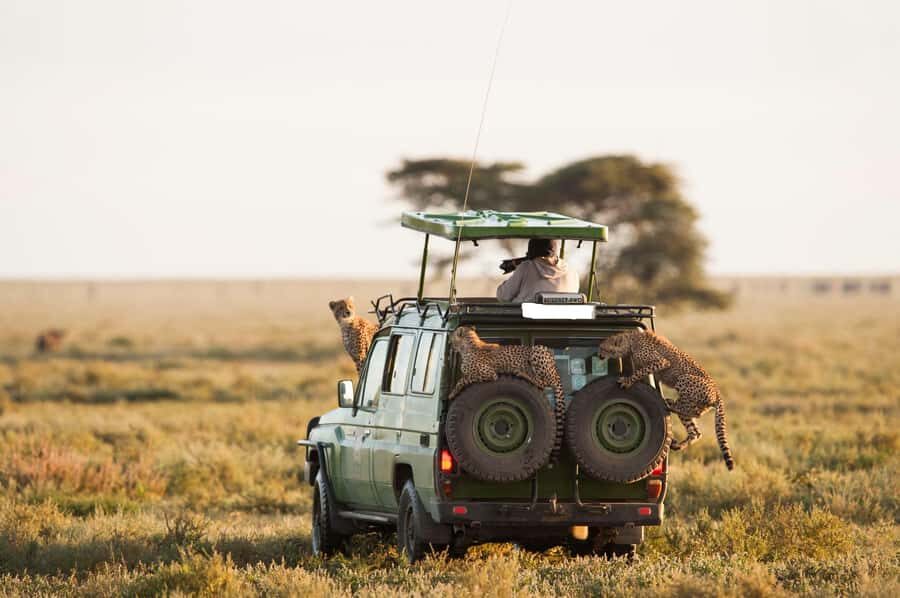
You arrive at Maasai Mara by mid-afternoon, check into your tented camp, and then head out again. The rhythm is ideal for first-timers: you get your bearings, then you don’t wait until tomorrow to chase animals.
After checking in at Lenchada Tourist Camp (or a similar option), you’ll have time to refresh before the evening game drive. The drive runs inside the Maasai Mara National Reserve up to about 6:30 pm, when the park closes. Then it’s dinner and sleep at the camp.
What you’ll likely notice right away
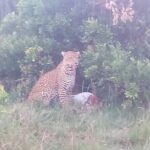
Even if you come for the Big Five, Day 1 usually teaches you a key Maasai Mara lesson: the reserve rewards patience. Early in your trip, your guide will be positioning you for sightings and explaining what you’re seeing as the light changes.
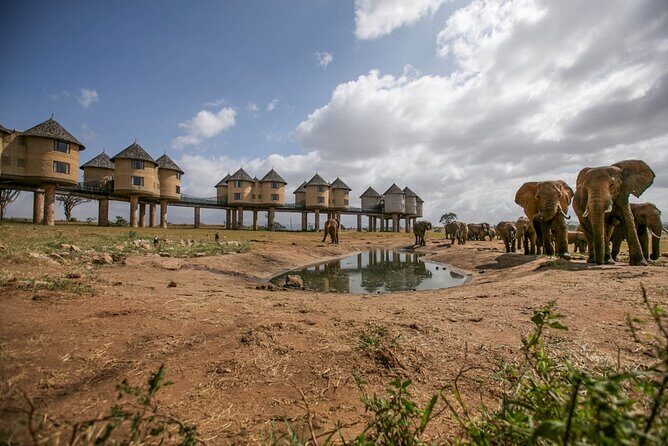
The camp setup is also part of the experience. You’ll sleep in budget tented lodging with self-contained tents, which usually feels more comfortable than basic shared arrangements, and it keeps your safari nights simple and functional.
Day 2: Full Wildlife Day Around Mara River and the Masai Mara–Serengeti Ecosystem
Day 2 is the busy one, and it’s the day most people care about most. After an early breakfast, you’ll head out with a picnic lunch planned for the day.
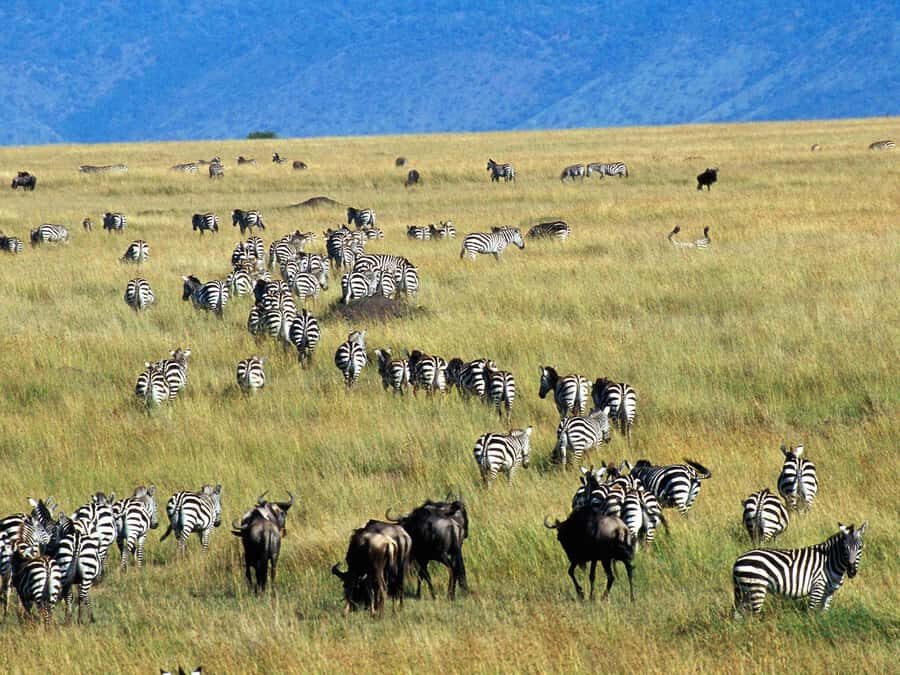
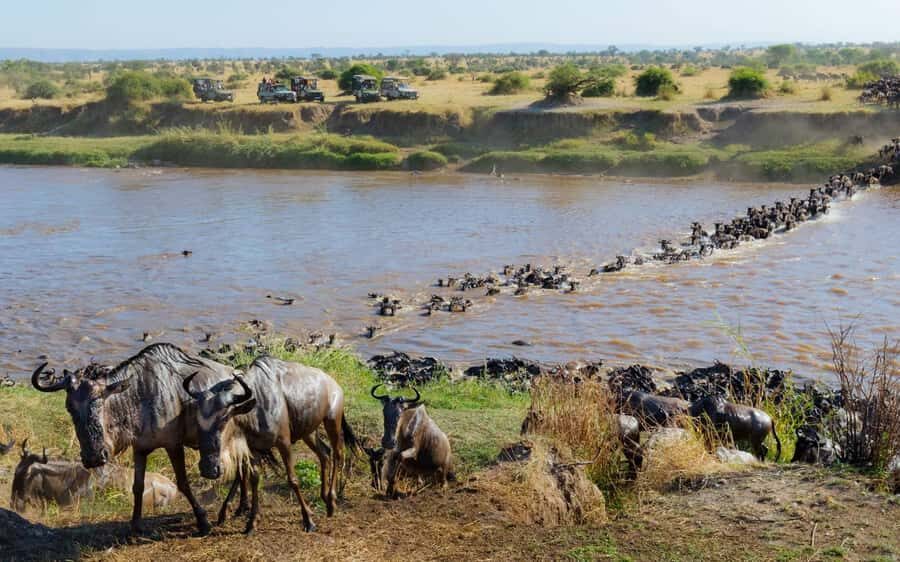
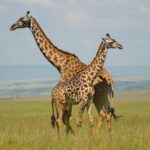
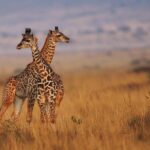
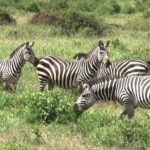
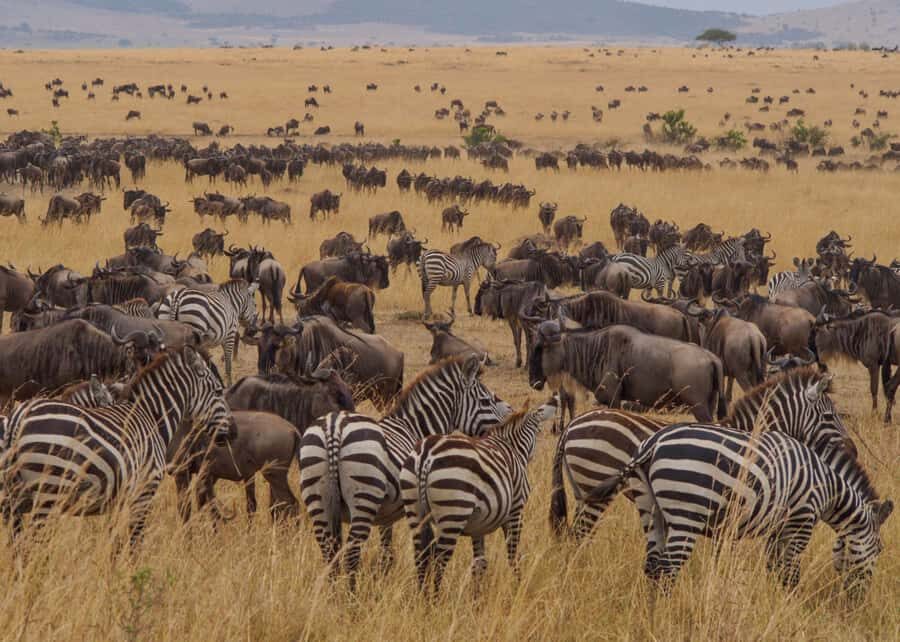
You spend a full day exploring the area that connects the famous Maasai Mara ecosystem and the Mara River. You’ll have time to visit the Mara River border area and also spend time around the famous park area associated with Serengeti. The goal is clear: be in the right places when animals are active, and use the day for maximum game-viewing.
Lunch happens by the river under a tree inside the park. It’s a simple setup, but that’s the point. In places like this, a meal eaten outdoors near water is a big part of the mental reward of being out there.
A few more Nairobi tours and experiences worth a look

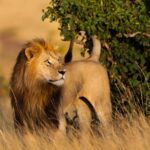
Mara River time is not a throwaway
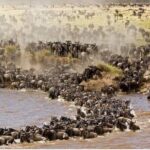
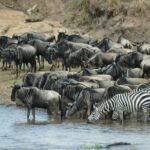
Mara River isn’t just a name on a map. When you’re in this area, you’re in one of the most meaningful wildlife zones in the region, where animals gather and move in ways that can lead to some memorable sightings.
Also, Day 2 includes an optional culture stop: you can choose to visit a Masai village in the evening. If you do, it’s an extra USD 20 per person. If you skip it, you keep your evening free and stay focused on wildlife vibes.
The practical balance
This day hits two things at once: long game-drive hours plus one human option if you want it. That balance works well if you’re the kind of traveler who likes wildlife first, but doesn’t want to miss a chance to learn about local life.
Day 3: Leaving the Reserve, Optional Village Time, and Back to Nairobi
On the final morning, you’ll start with breakfast and then depart Maasai Mara. If you want one last culture moment, there’s an option to visit the Masai village again at your own expense of USD 20 per person.
After that, you drive back toward Nairobi via Narok Town for lunch. You’re scheduled to arrive back around 3:30 pm and then get dropped off at your hotel.
Why the return timing is helpful
A late-day arrival would be rough after a long safari. Getting back around mid-afternoon keeps the trip from turning into a travel-stress marathon. You also get a cleaner transition if you have a flight or another plan later that evening.
The Big Five Question: How a Budget Plan Can Still Feel Worth It
The promise here is Big Five viewing at Maasai Mara. Does that mean you’ll definitely see all five? No tour can guarantee it in the wild.
What you can do, though, is judge the safari on how it sets you up. This trip uses an evening game drive on Day 1 and a full day in the reserve on Day 2. That’s the sensible formula: more time in prime habitat increases your odds, and it gives your guide room to reposition when animals move.
What makes this plan feel good on a budget is the focus. You’re not being shuffled across too many stops. Most of your time stays inside the reserve zones where sightings actually happen.
Lenchada Tourist Camp and the Tented Night Reality Check
You’ll sleep at Lenchada Tourist Camp (or similar), in self-contained tents. For many budget safari travelers, the real value isn’t luxury—it’s that you get sleep on-site so you can start driving early the next day.
Tented camping also changes the mood. You’re hearing the nighttime sounds of the reserve area, and your day feels more connected to what you’re doing.
What to expect from a budget camp
The tour data doesn’t promise five-star comfort, and you shouldn’t expect it at this price level. The win is practical: you get a real safari overnight, plus a functional setup so you can recharge for game drives.
If you’re sensitive to cold nights, plan for it. Safari areas can cool down, especially in the early morning hours when you’ll be back out in daylight.
Price and Value: Where the Real Costs Hide
The headline price is USD 345 per person for 3 days. That sounds great until you account for what isn’t included.
Park entrance fees are the big variable
You pay park fees on top:
- January to June: USD 200 per adult for 2 entries
- July to December: USD 400 per adult for 2 entries
The tour describes 2 entrances to Maasai Mara. That matters because it means the fee isn’t just one-time. Your total trip cost will land closer to the all-in figure once you add this.
How to think about value
Here’s the fair way to judge it: you’re buying transport from Nairobi, a guided safari schedule, and tented lodging. The park fees are a required part of visiting the reserve, not a service add-on.
So if your timing falls in the high-season entrance fee window, the budget advantage shrinks. If it’s low-season, the value gets much stronger.
Optional costs you can control
You can choose:
- Hot air balloon safari: USD 540 per person (not included)
- Masai village visit: USD 20 per person (optional)
If you want the biggest wildlife time for your money, keep the extras limited and use the budget for entrance fees and time in the reserve.
The Guide Factor: Why Friendly Explanations Matter
One of the best parts of this kind of safari is how the guide helps you read the landscape. A driver-guide who explains what you’re seeing can turn a slow moment into something satisfying, because you understand the animal behavior, tracks, and the reasons for where you’re parked.
In one example, a guide named Benjamin was described as friendly and very informative about the region and animals. Even if your assigned guide isn’t the same person, look for a driver who keeps the commentary clear and practical rather than vague.
Who This Safari Fits Best
This Maasai Mara budget safari works especially well if:
- you want Big Five country experience without a luxury lodge budget
- you don’t mind group-joining format for a lower price
- you’re happy with tented camping if it means more time in the reserve
- you want a structured 3-day itinerary that gets you to the right areas without complex planning
It might not suit you as well if:
- you want all-inclusive pricing with no added park fees
- you hate early starts and long drives
- you expect guaranteed Big Five sightings on a fixed schedule
Quick Packing Tips (Without Guessing Your Style)
The tour data doesn’t list what to bring, so I’ll keep this grounded. You’ll be in a Jeep during daylight hours and sleeping in a tent at night, so plan for day heat and cooler mornings.
Bring:
- sunscreen and a hat for the drive and viewpoints
- a light jacket for early mornings or cooler evenings
- comfortable shoes for any short walks at viewpoints or village options
- a camera with enough battery and storage, since the Rift Valley stop is a photo chance
Should You Book This Maasai Mara Budget Safari?
I’d book it if you want a structured, cost-aware way to get into Maasai Mara from Nairobi. The combination of jeep transport, tented camping, an evening game drive on Day 1, and a full wildlife day on Day 2 is a strong lineup for the money.
Before you hit reserve, do the simple math with the season-based entrance fee. If you’re traveling in the higher entrance fee months, compare the all-in cost to what you’d pay for a slightly different package. If you’re in the lower fee window, this looks like a smart way to spend your time in the reserve without stretching your budget.
FAQ
How long is the Maasai Mara safari?
It lasts 3 days.
What is the starting point and pickup?
You’re picked up from your hotel in Nairobi and then collected at an assembling point around 8:00 am.
How is transportation handled?
You travel in a 4×4 Land Cruiser Jeep with a professional driver-guide.
Where do you stay overnight?
You sleep at Lenchada Tourist Camp or a similar budget tented camp, in self-contained tents.
Are park entrance fees included in the price?
No. Park entrance fees are not included and must be paid separately.
How much are the park entrance fees?
January to June: USD 200 per adult for 2 entries.
July to December: USD 400 per adult for 2 entries.
What activities are included during the safari?
You get game drives in Maasai Mara, a day exploring the park area around Mara River and the border zones, plus meals such as breakfast and picnic lunch (as described in the schedule).
Is the Masai village visit included?
No. The Masai village visit is optional and costs USD 20 per person.
Is a hot air balloon included?
No. The hot air balloon safari is optional and costs USD 540 per person.
What language is the guide?
The live tour guide is English.