REVIEW · KENYA
2 Days Kenya Safari special Tsavo East and Taita hills Saltlick from Mombasa
Book on Viator →Operated by Jemmilah Mwende · Bookable on Viator
Two days in Kenya feels surprisingly intense. This package targets Tsavo East National Park plus the Taita Hills Saltlick, with morning and afternoon game drives that keep you out on the hunt instead of stuck in traffic. I especially like how the route is built for short travel time from the coast, and how Tsavo East offers multiple habitats you can spot right from the car.
Two standout perks for me: the animal variety is broad (buffalo, lions, leopards, elephants, giraffes, waterbucks, and lots of birdlife), and the guide-led spotting is flexible—so you’re not locked into one rigid track. One thing to keep in mind: the early start (around 05:25 departure) means an early wake-up, and with a two-day window you may feel rushed if you’re the type who wants long, slow park time.
In This Review
- Key Points That Matter
- How This 2-Day Safari Feels Designed for Real-Life Schedules
- Leaving Mombasa Early: The 05:25 Start and Why It’s Worth It
- Tsavo East National Park East: Swamps, Rivers, and the Big-Animal Stage
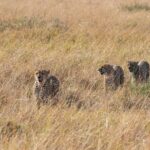
- What you’re likely to spot in Tsavo East
- The special part of game drives here
- Lunch, Lodges, and the One-Hour Reset That Helps You Enjoy the Afternoon
- Day 2: Pre-Breakfast Timing and Morning Game-Drive Payoff
- Taita Hills Saltlick: Why This Stop Changes Your Safari Feeling
- Getting the Most From a Short Safari: How to See More, Faster
- Guides: Ali, German Commentary, and the Value of a Flexible Route
- Comfort in the 4×4 and What You Should Expect Day-to-Day
- Price and Value: Is $520 for 2 Days Reasonable?
- Who This Safari Fits Best (and Who Might Want More Days)
- Should You Book This Tsavo East and Taita Hills Saltlick Safari?
- FAQ
- How long is the safari?
- Do you get pickup and a mobile ticket?
- Is park admission included?
- How big is the group?
- What meals are included?
- Can I cancel for a full refund?
Key Points That Matter
- Tsavo East habitat variety: Kanderi Swamp, Galana River, and Aruba Dam give you multiple “wildlife magnets.”
- Big wildlife odds in a short format: two game-drive blocks plus lodge breaks help you maximize daylight.
- Small group size (max 6 people): you get a more personal pace and easier car comfort.
- Saltlick area timing: the Taita Hills stop is part of why this feels like a concentrated safari circuit.
- Guides with real personality: Ali is praised for clear German commentary and adapting fast; Jemmilah Mwende leads with professionalism.
- Value signals in the package: pickup offered, mobile ticket, and park admission listed as free.
How This 2-Day Safari Feels Designed for Real-Life Schedules
If you’re starting from Mombasa and you want safari time without eating your whole holiday in a vehicle, this is the kind of trip that makes sense. You’re not crossing the country for days. Instead, you’re aiming for a compact loop built around game drives and a lodge rhythm.
That’s a big deal because safari fatigue is real. The best safaris don’t just have animals—they reduce stress. Here, the structure helps: morning departure from your hotel area, wildlife-focused drives, a lunch/check-in pause, then another drive. In two days, you get the “safari day” feeling twice, which is exactly what you want when time is short.
A few more Kenya tours and experiences worth a look
Leaving Mombasa Early: The 05:25 Start and Why It’s Worth It
Day 1 begins with an early hotel departure (around 05:25). Yes, it’s early. But early is also when animals tend to be more active, and when light is better for spotting and photos.
From there, the drive heads toward Tsavo East National Park, near the town of Voi. Tsavo East is often the kind of park people recommend when they want classic big-game country but don’t want a marathon logistics plan. In plain terms: it’s a strong “coast-to-safari” fit.
Your morning drive is also practical for first-timers. It gives you time to settle in, meet your guide, and get comfortable with the car routine before you’re fully in game-drive mode. If you’re sensitive to long starts, pack water and a light layer. Safari mornings can be cool at the beginning and warmer later.
Tsavo East National Park East: Swamps, Rivers, and the Big-Animal Stage
Tsavo East is the heart of this itinerary, and it brings real variety. You’re not just chasing animals randomly—you’re moving through areas linked to specific wildlife hotspots.
Three names matter here: Kanderi Swamp, the Galana River, and Aruba Dam. Those aren’t just scenic trivia. In parks like Tsavo East, water features help create predictable animal behavior. You’ll often find more life where animals come to drink, feed, or move between areas.
What you’re likely to spot in Tsavo East
The park’s reputation for variety comes through in the listed species and sightings focus. Expect the chance at:
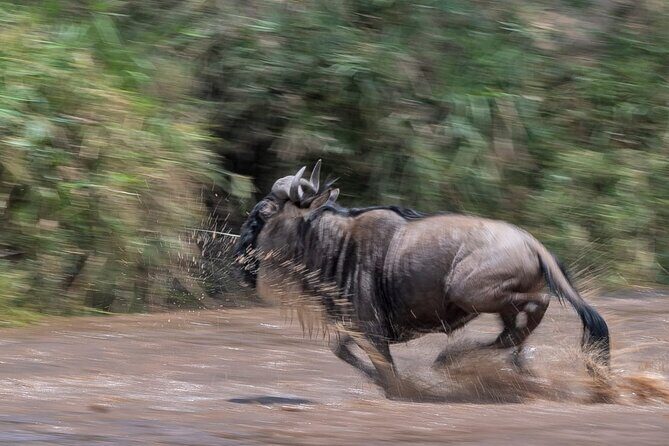
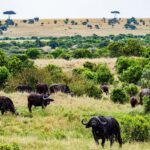
- African buffalo
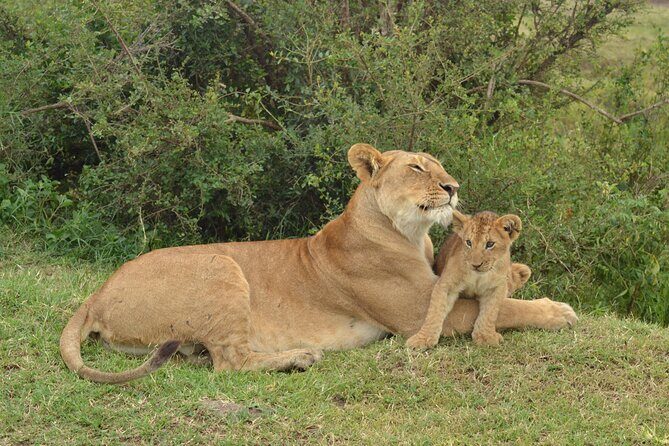
- Lion
- Leopard
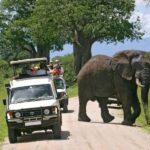
- Dust elephants (large herds are noted)
- Giraffes
- Waterbucks
- Plus prolific birdlife, with about 500 bird species recorded
Birdlife might sound like a side note, but it’s one of the best “bonus benefits” of Tsavo East. Even if big cats are quiet on a given day, you still get constant motion—waders around water, perched birds near habitats, and plenty of color and sound. It makes the drive feel alive rather than waiting.
The special part of game drives here
What I like about Tsavo East in this format is that you get a structured day but not a rigid feel. You start with a drive into the park environment, then move into game-drive searching on the way to lunch/check-in. Later you return for an afternoon game drive. That means you’re covering more than one slice of the day, which boosts your odds when animal activity changes from morning to afternoon.
A few more Kenya tours and experiences worth a look
Lunch, Lodges, and the One-Hour Reset That Helps You Enjoy the Afternoon
Between the morning wildlife search and the afternoon game drive, the day includes a lodge stop: lunch, check-in, then about one hour refreshment before leaving again.
This is the kind of “boring detail” that turns into a smart advantage. If you skip rest, people start doing the safari equivalent of tuning out—eyes get tired, patience gets thin, and you stop seeing what’s in front of you.
That one-hour reset gives you a chance to regroup: hydrate, stretch, change a layer, and charge your phone/camera. If you’re traveling with a friend or partner, it also helps avoid the classic “we’re both miserable in hour three” problem.
Day 2: Pre-Breakfast Timing and Morning Game-Drive Payoff
Day 2 starts with an early pre-breakfast period, followed by a morning game drive, then full breakfast. In safari terms, that early start is where your second-day momentum comes from.
Why does it matter? Because animal behavior shifts. If your Day 1 had you scanning for big mammals and cats were quiet, Day 2 is often where your eyes start landing on movement you missed the first time. Morning drives also tend to feel more “active” visually—animals are on the move, and sightings can come quickly once you’re positioned in the right places.
After the morning drive, you return for breakfast and then head back toward Taita Hills for lunch. Then comes check-out, plus another last game drive before exiting the park and driving back to your beach hotel in the evening.
That last drive matters more than people think. It’s easy to treat the final stretch as travel time. But the structure keeps you game-drive ready until it’s time to leave, so the safari doesn’t “end early.”
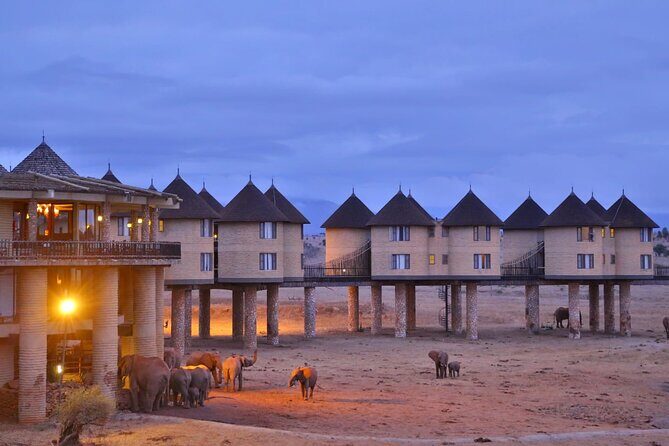
Taita Hills Saltlick: Why This Stop Changes Your Safari Feeling
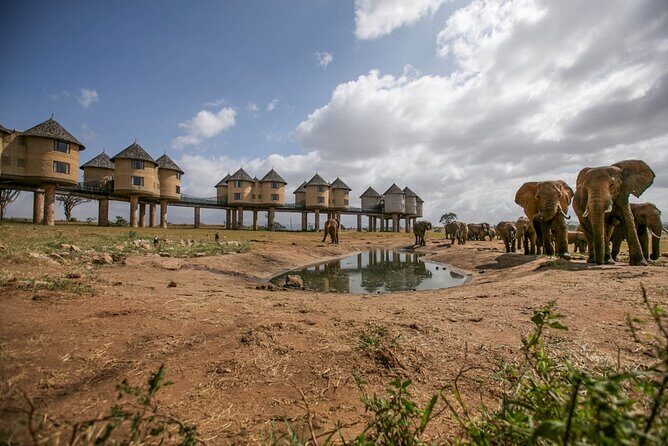
This trip is built around both Tsavo East and Taita Hills Saltlick, and the saltlick component is the practical reason this doesn’t feel like a generic “drive through the park” tour.
Salt licks tend to attract animals because they’re nutrient-rich feeding points. Even when the exact species at a saltlick can vary, the idea is the same: animals concentrate around a consistent resource. That concentration often makes it easier for your guide to find them and easier for you to get satisfying viewing time.
In this itinerary, the Taita Hills stop shows up tied to lunch and the lodge rhythm. It’s not just a quick photo stop. You’re scheduled to pause there, eat, and then continue with a final drive before heading back toward the coast.
If you like wildlife viewing that feels focused—rather than scattered and waiting—saltlick circuits often deliver that. If you prefer pure “deep wilderness drifting,” you might find this slightly more structured than you expect, but for a two-day format, it’s a smart use of time.
Getting the Most From a Short Safari: How to See More, Faster
With a two-day itinerary, small habits make a big difference. Here are the practical things I’d do in your place:
- Be ready at the first call. When the departure is early, lateness costs you daylight—and daylight is sightings.
- Use the car time actively. Your guide is scanning constantly; match that pace. Don’t just look at the front. Check edges of bush, riverbanks, and open plains.
- Keep your camera accessible. Don’t bury gear. If you have your hands free, you’ll capture moments instead of missing them.
- Hydrate and layer. You’ll be out for hours and you’ll shift between cooler morning air and warmer conditions.
Also, listen to your guide. In the best safaris, the guide doesn’t just point—they interpret. That’s part of why this package is so well liked.
Guides: Ali, German Commentary, and the Value of a Flexible Route
One of the clearest themes in the praised experiences is the guide quality. Ali is highlighted for being a very good guide and for speaking very good German, plus for being educated and entertaining. People also describe the safari as individual, with the route adapting quickly instead of staying fixed.
That flexibility matters. Wildlife doesn’t follow a schedule. If you’re stuck on a rigid “checklist route,” you can miss what’s happening right now. A guide who reacts fast can position the car where animals actually are.
Jemmilah Mwende (Jemmy Safari) is also mentioned for professionalism and making things easy. That “nothing was too much trouble” tone usually shows up in the small moments: smooth pickup timing, clear explanations, and a calm hand during the long day.
And the group size supports this style. With a maximum of 6 people, you’re less likely to feel like a number. A smaller group can also mean the guide can manage viewpoints and movement with fewer delays.
Comfort in the 4×4 and What You Should Expect Day-to-Day
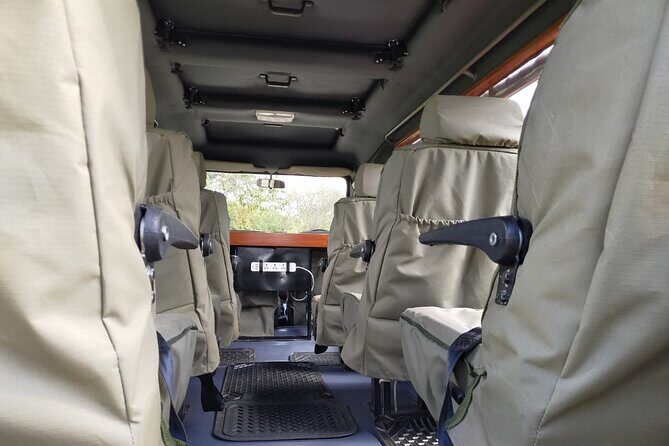
The vehicle experience comes up in feedback as comfortable. For a safari, that’s not fluff—it’s how long you can comfortably stay alert. A comfortable 4×4 means you can focus on spotting instead of bracing yourself the whole ride.
You should also expect that the day is paced by wildlife opportunities, not by a strict clock. Even with fixed meal and lodge stops, game drive timing is tied to what your guide is finding.
If you’re the type who hates uncertainty, this might feel a little “live.” But if you enjoy the safari logic—watch, adjust, go where life is—this is exactly the right kind of format.
Price and Value: Is $520 for 2 Days Reasonable?
The price is $520 per person for a roughly two-day safari. On paper, that number has to be weighed against what you actually get: pickup offered, mobile ticket, game drives, and park admission listed as free.
Here’s how I’d judge the value:
- You’re paying for time-efficient wildlife access. The package is designed to reduce long travel hours, so you spend more of the weekend actually in safari mode.
- You get multiple game-drive windows. A morning + afternoon structure is strong for a short trip.
- Park admission is listed as free, which is a meaningful cost saver if you’re comparing with other safari formats.
- Meals are included for Day 2 (breakfast and lunch are specifically listed), and Day 1 includes lunch as part of the lodge rhythm.
What isn’t spelled out in the info you gave is the full breakdown of lodging inclusions and any extras. So before you book, ask the operator what’s included beyond what’s listed (especially if you want a room type upgrade or special dietary needs). Still, the package signals good value for a compact two-day safari from the coast.
Who This Safari Fits Best (and Who Might Want More Days)
This is a good match if you:
- Want short safari time without spending the whole trip in transit
- Are a first-timer who wants a focused taste of Kenya’s big-game parks
- Like a plan with early starts, then breaks, then more driving
- Prefer a small group (max 6 people) for a calmer experience
- Appreciate a guide who can explain what you’re seeing (Ali is praised for German commentary and education)
This might be less ideal if you:
- Hate early mornings and want late starts
- Want deep exploration across multiple ecosystems and more parks
- Need lots of downtime between activities (this itinerary moves)
In two days, you’re building memories fast. That’s the point.
Should You Book This Tsavo East and Taita Hills Saltlick Safari?
I’d book it if your priority is seeing a lot of wildlife in minimal time from the coast—and you want a structured plan that still allows the guide to respond to what the bush is doing that day. The combination of Tsavo East’s water-based habitats (Kanderi Swamp, Galana River, Aruba Dam) plus the saltlick idea is a strong recipe for satisfying game viewing.
Be honest about one risk: safari sightings are never guaranteed. A two-day format can feel amazing, but it can also mean you see different highlights than you dreamed about in advance. If that’s okay with you, the early timing, small group size, and guide reputation make this a solid value bet.
FAQ
How long is the safari?
It runs for about 2 days.
Do you get pickup and a mobile ticket?
Yes. Pickup is offered, and you receive a mobile ticket.
Is park admission included?
Admission is listed as free.
How big is the group?
The tour has a maximum of 6 people.
What meals are included?
On Day 2, breakfast and lunch are included. Day 1 includes lunch as part of the lodge stop.
Can I cancel for a full refund?
Yes. Free cancellation is available, and you can cancel up to 24 hours in advance of the experience start time for a full refund.