REVIEW · KENYA
6 Days Kenya Budget Safari
Book on GetYourGuide →Operated by Kenya Safari Bookings · Bookable on GetYourGuide
Big Five mornings start fast in Kenya. This 6 Days Kenya Budget Safari is built around three classic parks (Masai Mara, Lake Nakuru, Amboseli) so you can chase the Big Five in one run, while also aiming for flamingos at Nakuru and Kilimanjaro views from Amboseli.
I especially like the trip’s hands-on approach: a professional English-speaking guide plus daily departures backed by a company that runs its own vehicles. You’ll also hear real confidence in guide names like Simon, Kimata, Jimmy, Jeff, and Antony—people who focus on getting eyes on animals rather than just driving past them.
One thing to keep in mind: park entry fees aren’t included, and “budget” also means you should expect meals that can feel repetitive at some lodges. On top of that, rain and rough timing can cause small comfort hiccups, so pack for practical, not perfect, conditions.
In This Review
- Key things to know before you book
- Big Five in Motion: Why This Budget Route Makes Sense
- Day 1: Nairobi to Masai Mara via the Rift Valley Viewpoint
- Day 2: Masai Mara Full Day, Including Migration Season Energy
- Day 3: Mara to Lake Nakuru (Plus a Masai Village Detour)
- Day 4: Lake Nakuru Game Drive for Rhinos and Flamingos
- Day 5: Amboseli Full Day with Predator Focus and Kilimanjaro Views
- Day 6: Short Morning Drive and Back to Nairobi
- What “Budget” Means Here: Lodging, Meals, and Small Comfort Surprises
- The Pop-Up Roof Jeep: Spotting, Photos, and How to Use It
- Big Five Odds: When Luck Matters (and When It Doesn’t)
- Value Check: Is $205 a Smart Deal for a 6-Day Safari?
- Who This Safari Fits Best (And Who Might Prefer Something Else)
- Should You Book This 6 Days Kenya Budget Safari?
- FAQ
- What parks does this safari cover?
- Does this trip aim to show the Big Five?
- What’s the pickup and drop-off like?
- What kind of vehicle is used for game drives?
- Are meals included?
- Are park entry fees included in the price?
- What accommodation do you use in Masai Mara?
- Which languages are available for the guide?
Key things to know before you book
- Pop-up roof 4×4 jeep for better spotting and easier photo angles
- Three parks, one flowing route designed for Big Five sightings in a tight time window
- Lake Nakuru game drive with white rhinos, a shot at pink flamingos, and Rothschild giraffes
- Amboseli with Kilimanjaro in the frame plus predator-focused drives
- Masai Mara private tents (not shared) with bed, washroom, mosquito nets, hot water, and electricity
- Guaranteed daily departures because the operator owns the safari vehicles
Big Five in Motion: Why This Budget Route Makes Sense
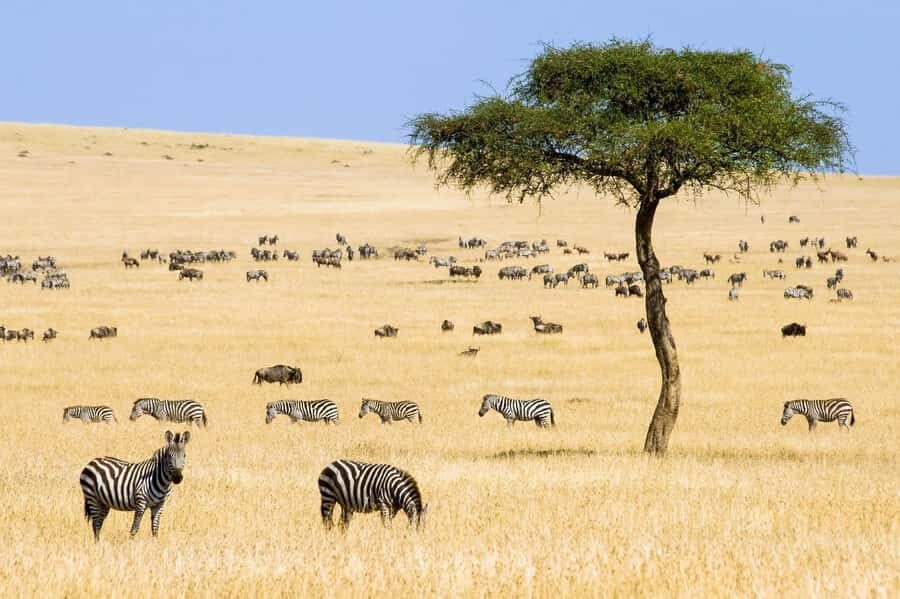
This safari is popular for a reason: it hits three parks that are famous for different types of wildlife and scenery, without asking you to piece together a complex plan yourself. In about six days, you’re moving from the open savannah rhythm of the Mara, to the bird-and-rhino world of Lake Nakuru, and then to the classic predator-and-mountain backdrop of Amboseli.
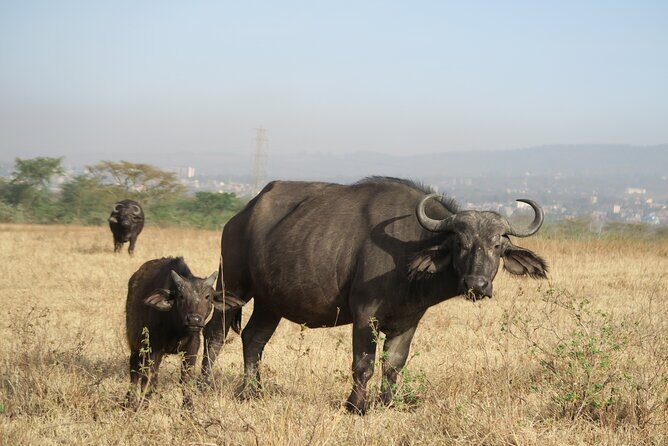
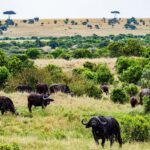
What I like is how the schedule mixes “big-ticket moments” with real wildlife concentration. Masai Mara is where you can feel the energy of the migration season—wildebeest moving through the grasslands as rains wake things up. Lake Nakuru is smaller, but it’s tuned for standout animals: white rhinos are a key target, plus the chance of pink flamingos and Rothschild giraffes. Then Amboseli shifts the focus to long, game-drive style days where predators and their rivals are usually part of the puzzle.
Will you see every animal every day? No safari can promise that. But the itinerary is designed to put you in the right places, with the right time blocks, and the right vehicle setup to actually spot what’s there.
A few more Kenya tours and experiences worth a look
Day 1: Nairobi to Masai Mara via the Rift Valley Viewpoint
Your day starts with pickup from your Nairobi hotel (or the airport transfer option), with the tour departing around 7:30am. Expect a long drive, but you get a classic break: a stop at the Rift Valley viewpoint for photos of the escarpment. It’s a good reminder that you’re not just driving between parks—you’re crossing a big piece of East Africa’s geology.
Once you arrive in Masai Mara, the day settles into safari mode. You’ll have lunch and then head out for a game drive in the reserve, with wide savannah and riverine patches that support dense animal movement. For many first-timers, this is where the trip clicks: you go from planning to spotting within hours.
Overnight is at Mara Ntulele camp (or similar). The camp style here matters because it’s not just “somewhere to sleep.” It’s set up for comfort after a full day: private tents with a bed, linen, washroom, mosquito nets, and practical essentials like hot water and electricity.
Day 2: Masai Mara Full Day, Including Migration Season Energy
Day two is a big one: early breakfast, then a full day game drive inside the reserve. This is the heart of Masai Mara, where the wildlife density can feel constant. Rains bring the grasslands to life, and that’s when herds scatter and regroup in patterns that make driving worthwhile.
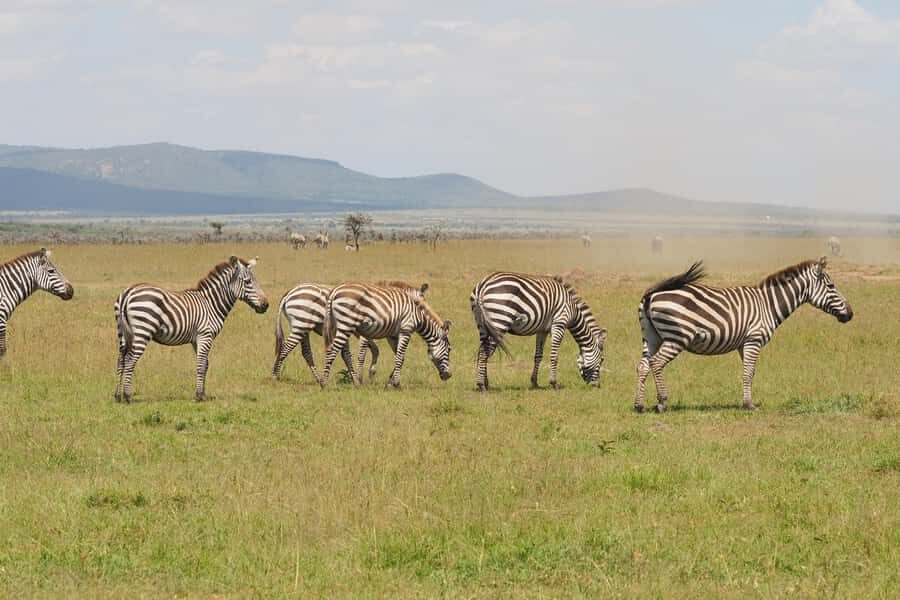
The safari also leans into the migration storyline. You’ll hear how the wildebeest move into Masai Mara from the south, with the scale described as up to 1.5 million wildebeest. Even if you’re not catching every crossing moment, you’ll still be looking at the “everything is moving” effect—approaching hooves, grazing groups, and predators positioning around easy meals.
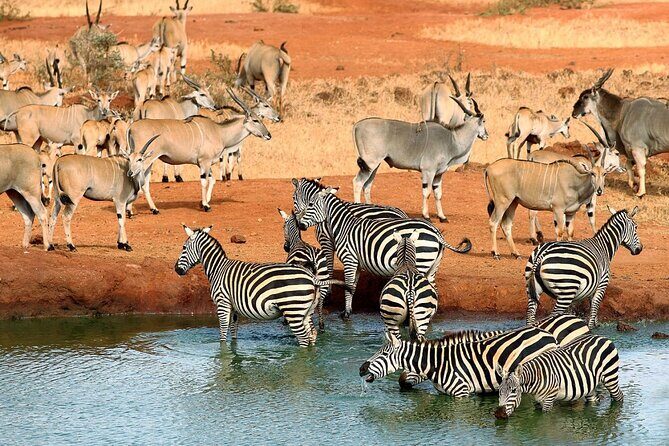
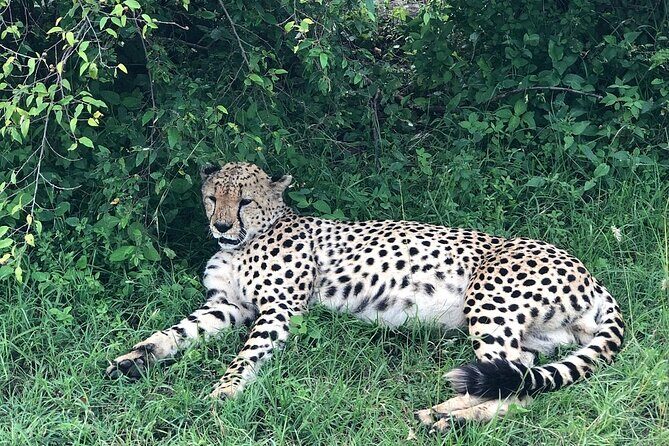
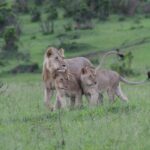
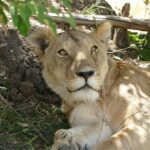
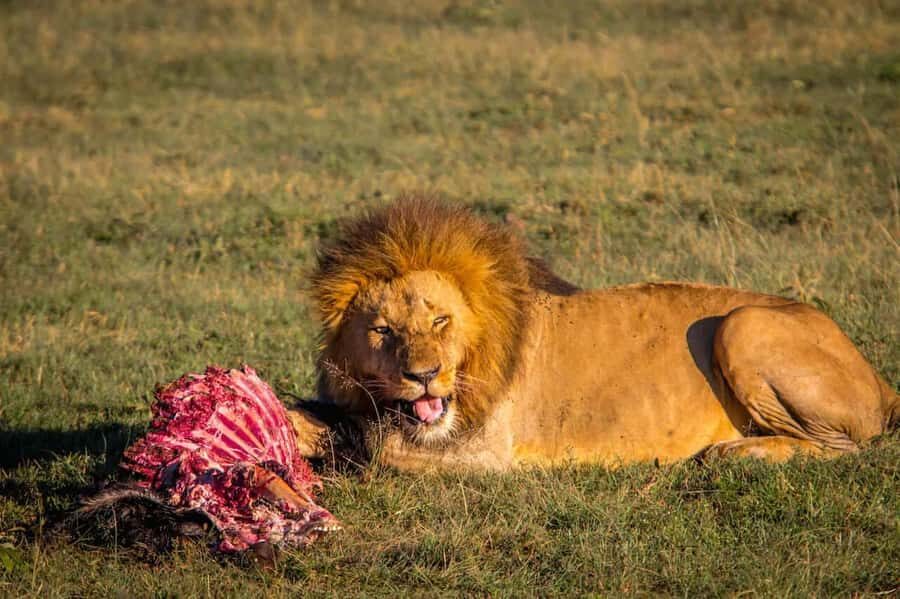
For the Big Five targets, Masai Mara is the place for lions. The plan is built around high lion concentration, including black-maned lions, plus the odds for cheetahs, antelope herds, zebras, and plenty of bird life. Leopards and rhinos are a luck game, but that’s normal safari math: you’re improving chances by covering time on the ground and staying flexible.
Overnight again at Mara Ntulele camp (or similar), so you don’t keep dragging your luggage through transit on the most animal-heavy day.
Day 3: Mara to Lake Nakuru (Plus a Masai Village Detour)
This is a transfer day, and it’s handled with some realism: breakfast, then a drive toward Nakuru with lunch on the way. Because of timing, there’s no game drive on this day once you arrive late in the evening. That’s worth accepting upfront. It keeps the logistics sane, but it does mean you don’t get wildlife “bonus time” on this specific day.
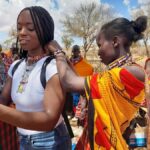
There is one optional cultural stop: a Masai Village visit in the Mara area in the morning before you leave. The stated cost is USD 20 per person, paid in cash at the village. If you like brief, structured cultural context rather than long stops, it can be a nice break from driving. If you’d rather keep every hour for wildlife, you can skip it.
Dinner and overnight happen at Buraha Zenoni resort.
Practical tip: since you won’t be doing a game drive, use Day 3 for comfort reset—shower, dry clothes, charge devices—then go into Nakuru fresh.
Day 4: Lake Nakuru Game Drive for Rhinos and Flamingos
Day four starts early with checkout and departure around 7am straight into Lake Nakuru National Park. This part is why the trip works: Nakuru is smaller than the Mara, but it’s packed with targets.
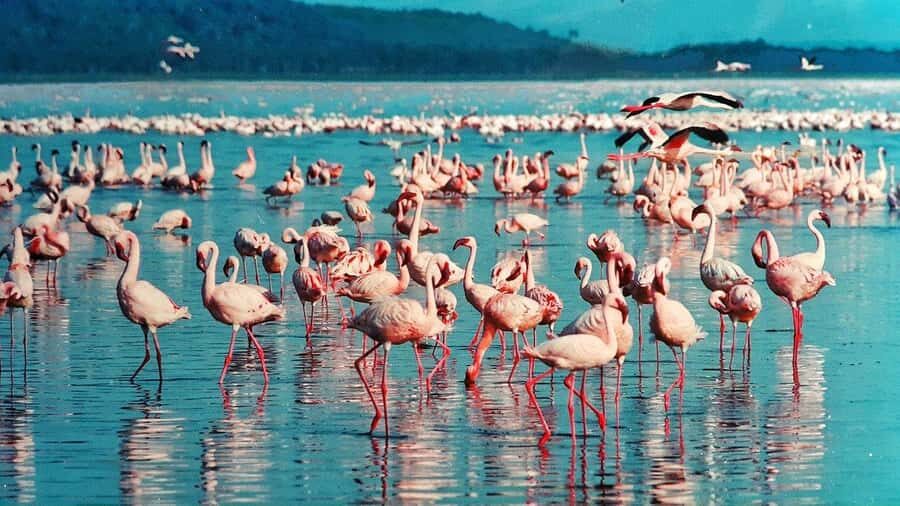
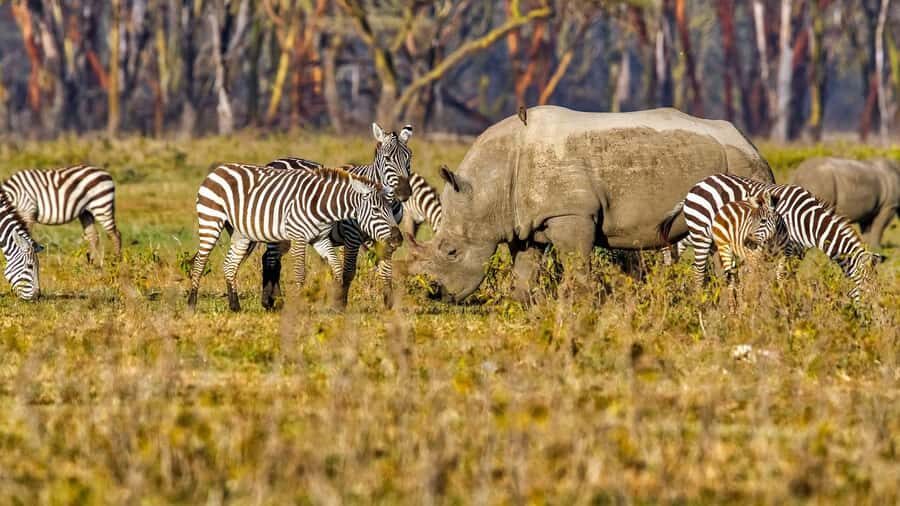
Your game drive there is minimum 4 hours, which is enough time to actually search rather than just do a quick lap. The big draw is the possibility of seeing white rhinos, which also ties directly into the Big Five goal. You’ll also be watching for the famous bird moments—there’s a chance of pink flamingos.
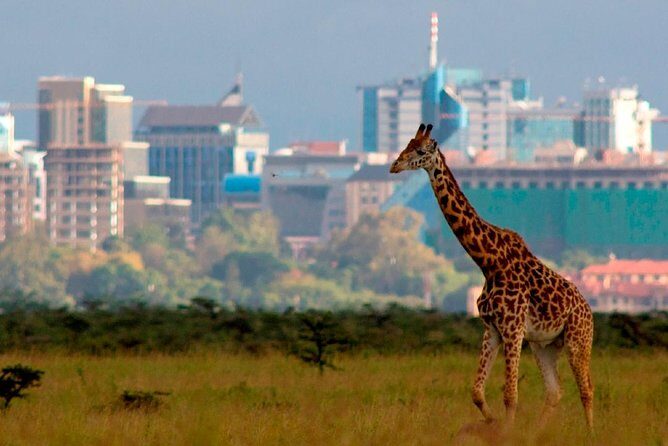
Another standout is the mention of Rothschild giraffes, including that endangered species detail. Even if you don’t spot every “rare” animal on your wish list, the park’s mix of habitat and predictable wildlife areas keeps the drive purposeful.
After Nakuru, you drive to Amboseli with lunch on the way (with a lunch stop in the Naivasha area). You arrive in the evening, and there’s no game drive that night because of late arrival.
Overnight is at Wildebeest Amboseli camp (or similar).
Day 5: Amboseli Full Day with Predator Focus and Kilimanjaro Views
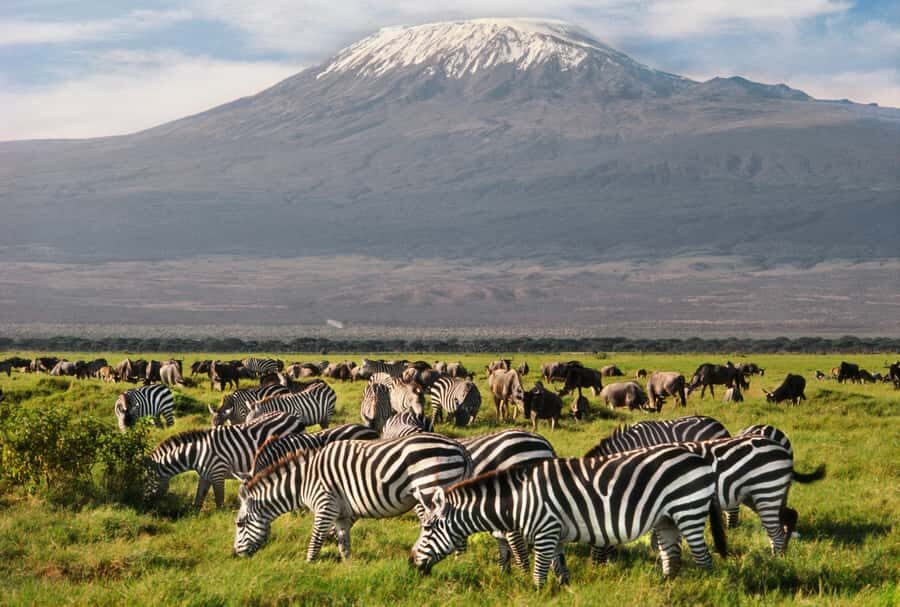
Amboseli is where you get the classic “Africa with a mountain” feeling. The tour includes both an early morning game drive and then a full day game-drive block with packed lunch.
Your day breaks like this:
- Early game drive, then back for breakfast
- After breakfast, a full day drive with packed lunch, focused on seeing popular residents and their predators
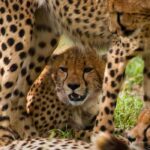
Amboseli is known for predator activity, and your itinerary is structured to keep you out long enough to catch it. You’re not just waiting for one moment—you’re driving enough hours to build odds.
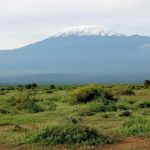
Also, the Kilimanjaro mention isn’t just marketing. The park’s famous setting makes it possible to see the mountain in the background on clear days, which turns routine spotting into a “stop and stare” moment when the weather cooperates.
Overnight continues at Wildebeest Amboseli camp (or similar).
Day 6: Short Morning Drive and Back to Nairobi
On departure day, you get an early breakfast and checkout with your luggage handled, then a short morning game drive en-route off Amboseli. That last drive is a smart touch. It gives you one more wildlife window without turning your final day into a half-day of strict transit.
Then it’s the drive back to Nairobi, with drop-off at your hotel or the airport. So you don’t have to figure out onward transport after safari fatigue.
If you’re flying later that day, you’ll likely appreciate having a short, contained game-drive window instead of a long scramble. Your body clocks will thank you.
What “Budget” Means Here: Lodging, Meals, and Small Comfort Surprises
This trip includes 5 nights accommodation plus meals on full board and bottled water. That’s a strong value component because safari days can get expensive once you’re buying everything separately.
The Masai Mara side is particularly practical: the tents are private (not shared). They’re described with a bed, linen, washroom, mosquito nets, and—importantly for Kenya—hot water and electricity. No need to bring bedding or mosquito nets, which saves space in your suitcase.
That said, budget isn’t perfect. Rain can cause real-world problems with tent drainage, and sometimes water flow or bathroom setup can be hit or miss depending on conditions and the lodge. On one occasion, water issues were resolved by staff, which is reassuring, but it still means you should pack for “weather will be weather.”
My advice:
- Bring a small dry bag for electronics and documents
- Pack light rain gear and a spare set of clothes you can keep dry
- If you care about steady hydration, don’t wait until you’re thirsty. Even though bottled water is listed as included, real days can vary, so keep your own backup bottle when possible
The Pop-Up Roof Jeep: Spotting, Photos, and How to Use It
The safari vehicle is a 4×4 jeep with a pop-up roof, made for game viewing and photography. This matters because it changes your viewing angle. You’re not just looking through windows; you can see over savannah grass and get cleaner sight lines when animals are at mid-distance.
It also changes how you photograph. Better sight height means less fence-like obstruction, and you can track action without constantly shifting seats or leaning awkwardly. Combine that with a professional guide scanning for movement, and your chances improve.
There’s also a subtle human factor: in one case, a seating situation ran bigger than the vehicle capacity meant for, and the operator corrected it later. That’s a reminder to speak up politely if the group size feels uncomfortable or safety-related. In a budget safari, the best experience usually comes from calm, quick communication.
Big Five Odds: When Luck Matters (and When It Doesn’t)
This safari is designed around seeing the Big Five across Masai Mara, Lake Nakuru, and Amboseli. That design is what makes it work. You’re not hunting one animal in one park with zero time buffer. You’re moving between habitats that each support different targets.
Still, I want you to be realistic about the two animals that tend to feel elusive on many safaris: leopards and rhinos. Even with excellent guiding, sightings are still luck-driven. The practical way to improve your odds is simple: show up ready, stay patient, and let the guide do the driving work. When the guide slows, stops, or changes the route, it usually means something is on the move.
Also, don’t ignore the “not just Big Five” payoff. Masai Mara and Amboseli can deliver constant variety: cheetahs, lions, antelope herds, and plenty of birdlife. If you’re a wildlife person, that variety is the real reward when the Big Five don’t line up perfectly.
Value Check: Is $205 a Smart Deal for a 6-Day Safari?
At $205 per person, this is positioned as a budget option. The key question isn’t just the headline price; it’s what’s bundled.
Included items that drive value:
- Transport in a safari vehicle with a pop-up roof
- 5 nights accommodation
- Professional English-speaking guide
- Meals on full board
- Pick up and drop off at hotel or airport
Not included:
- Park entry fees
- Alcohol and personal expenses
- Optional activities like the Masai Village
So yes, it can be good value, especially if you want the essentials taken care of: vehicle, guide, lodges, and meals. Your main add-on cost is the park entry fees, which you pay locally by card, cash, or an online link provided.
If you’re budgeting tight, make sure you set aside money for park fees and any optional experiences. Then the base price becomes a solid bargain compared to trying to plan transport and guiding separately.
Who This Safari Fits Best (And Who Might Prefer Something Else)
This tour is a great match if you:
- Want a first-time Kenya safari that packs major wildlife regions into one trip
- Care about Big Five sightings but don’t want a complicated multi-booking plan
- Like being on a vehicle for serious game viewing time
- Want “budget” without total comfort trade-offs, especially with private tents in Masai Mara
You might think twice if you:
- Are extremely picky about lodge food variety. Some people found meals bland or repetitive.
- Hate any chance of wet-weather tent issues. It can happen.
- Expect everything to feel perfectly timed every day. On a few days, a little disorganization or missing water offering showed up, and the fix was usually asking directly or adjusting on the spot.
For most people, those trade-offs are manageable because the wildlife payoff tends to do the heavy lifting.
Should You Book This 6 Days Kenya Budget Safari?
I’d book it if you want a straightforward, high-odds Big Five route that covers Masai Mara + Lake Nakuru + Amboseli with real game-drive time and a vehicle made for spotting. The private Masai Mara tents, full board meals, and guide focus on finding animals make the experience feel organized enough to enjoy.
I wouldn’t book it if you’re chasing perfect comfort, restaurant-level food variety, or a completely frictionless schedule every single day. Weather and logistics are part of safari life. If you’re okay with that, you’ll likely love how fast the trip moves from Nairobi into major wildlife country.
If you want the best outcome, go with the mindset of a smart safari traveler: expect early mornings, keep a dry bag for your gear, and communicate clearly when you need something.
FAQ
What parks does this safari cover?
You visit Masai Mara, Lake Nakuru National Park, and Amboseli National Park, starting from Nairobi.
Does this trip aim to show the Big Five?
Yes. The safari is marketed around seeing the Big Five across the three parks.
What’s the pickup and drop-off like?
Pickup from your hotel in Nairobi is included, and there’s also an option to be picked up from the airport. At the end, you’re dropped off at your hotel or the airport.
What kind of vehicle is used for game drives?
You travel in a 4×4 safari vehicle with a pop-up roof, which helps with viewing and photography.
Are meals included?
Yes. Meals are included on a full-board basis, and bottled water is also included. Alcoholic beverages are not included.
Are park entry fees included in the price?
No. Park entry fees are paid locally by card, cash, or an online link provided by the operator.
What accommodation do you use in Masai Mara?
In Masai Mara, the safari uses private tents that are not shared. They include a bed, linen, washroom, mosquito nets, plus hot water and electricity.
Which languages are available for the guide?
The guide is English speaking, and driver support is listed as English and Spanish.