REVIEW · KENYA
Nairobi: 4 Days Masai Mara & Lake Nakuru 4WD Camping Safari
Book on GetYourGuide →Operated by JOYINA SAFARIS · Bookable on GetYourGuide
Safari nights in a tent beat the usual tours. This 4-day circuit mixes 4WD game drives with self-contained camping in some of Kenya’s best-known wildlife areas.
I love the structure: you get real time out on the plains at the best hours, with a first Mara evening drive and then full Mara game viewing the next day. And because Lake Nakuru is included, you add a different kind of safari moment, including a chance at white rhinos.
The main thing to plan for is budget. The $380 base price comes with a lot, but park entry fees are extra and can be $290pp (Jan–Jun) or $490pp (Jul–Dec).
In This Review
- Key highlights I’d circle first
- Why Masai Mara plus Lake Nakuru fits a 4-day trip
- Day 1: Nairobi to Masai Mara, plus your first game drive window
- Day 2: Full-day Masai Mara game viewing for Big Five chances
- Why the Mara day feels different from other safaris
- Day 3: Mara to Lake Nakuru, with an optional Masai Village stop
- Day 4: White rhinos and possible pink flamingos near the lake
- Camping-style comfort: what the tents and meals add to the experience
- Price and logistics: where the real value is (and where costs can jump)
- What you get for the $380 package price
- The extra cost you must budget: park entry fees
- Group size and vehicle flow
- Nairobi pickup, meeting points, and the small details that can matter
- Who should book this safari (and who might rethink it)
- Should you book the Nairobi 4WD Masai Mara & Lake Nakuru camping safari?
- FAQ
- How many days and nights is this safari?
- Where do you sleep during the safari?
- What’s included in the price?
- Are park entry fees included?
- Is the Masai Village visit included?
- Do you see the Big Five on this trip?
- What are the Nairobi pickup options?
- What’s the group size?
Key highlights I’d circle first
- Big Five focus across two parks: Mara for the classic mix, Nakuru for its famous rhino chances
- Small-group feel on safari: the vehicle joins at up to 8 pax, and that matters for spotting and timing
- Camping comforts, not barebones: self-contained tents with bathrooms and electricity
- Driver-guides who hunt best sightings: names like Peter, Jeff, and Pol show up in standout reviews, including safe driving and strong animal-spotting
- Nakuru morning is built for rhinos and birds: rare white rhinos, plus possible pink flamingos
- Optional extras you can add: a Masai Village visit ($20pp) and hot-air balloon trips
Why Masai Mara plus Lake Nakuru fits a 4-day trip
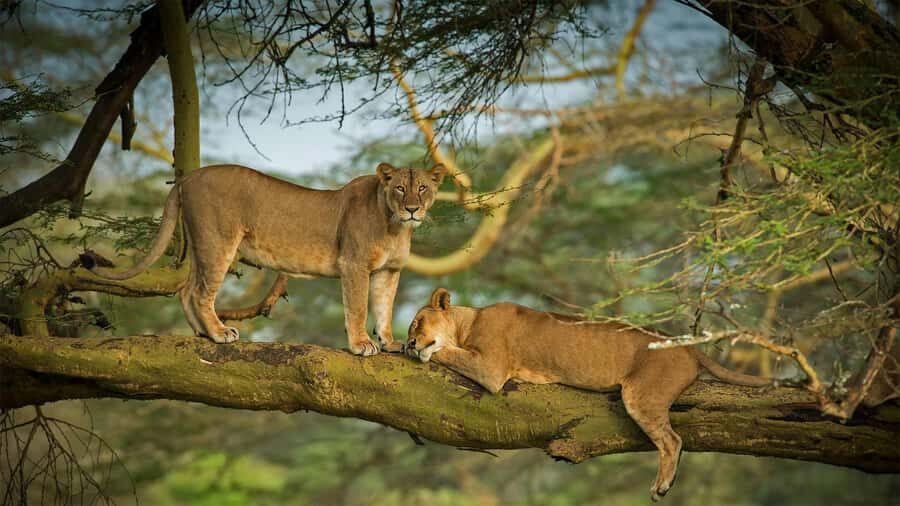
This itinerary is built around two different safari styles. Masai Mara is all about open savannah, river corridors, and the kind of wildlife density that turns an ordinary drive into a stop-every-few-minutes day. Lake Nakuru adds variety, especially with its rhino draw and birdlife chances.
What you’re really buying is time on safari, not just a quick tour. With game drives scheduled across days (and long blocks in Mara), you’re more likely to see more than just one highlight per park—like adding predators on top of herbivores and big groups.
There’s also a practical benefit to having a guide-driver running the show. You’re not making decisions about routes, timing, or where to go next; you’re just going, watching, and learning as you go.
A few more Kenya tours and experiences worth a look
Day 1: Nairobi to Masai Mara, plus your first game drive window
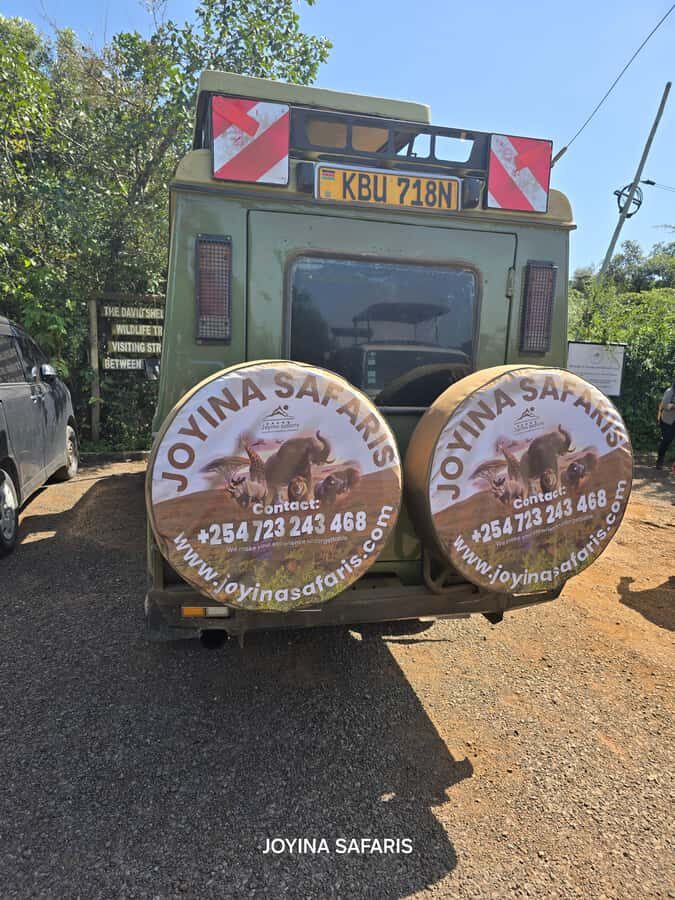
You start with a drive out of Nairobi down into the Rift Valley. There’s an early stop for great Rift Valley views, which is a nice reset before you’re back in full safari mode.
You’ll reach Masai Mara before lunch, then ease into the park with an evening game drive from about 4:00pm to 6:30pm. This timing is smart because it lines up with the day’s light shift, when animals often become more active and the savannah starts to glow.
One thing I like about starting with an evening drive is that it gets you oriented fast. In those first hours, you’ll understand how the park looks from the road, what kinds of animals are easiest to spot right away, and how your driver reads the terrain.
Possible drawback: if you’re someone who needs long daytime viewing from the first day, the Day 1 drive is shorter than the full day that comes next. It’s still a solid introduction, just not the longest viewing block of the trip.
Day 2: Full-day Masai Mara game viewing for Big Five chances
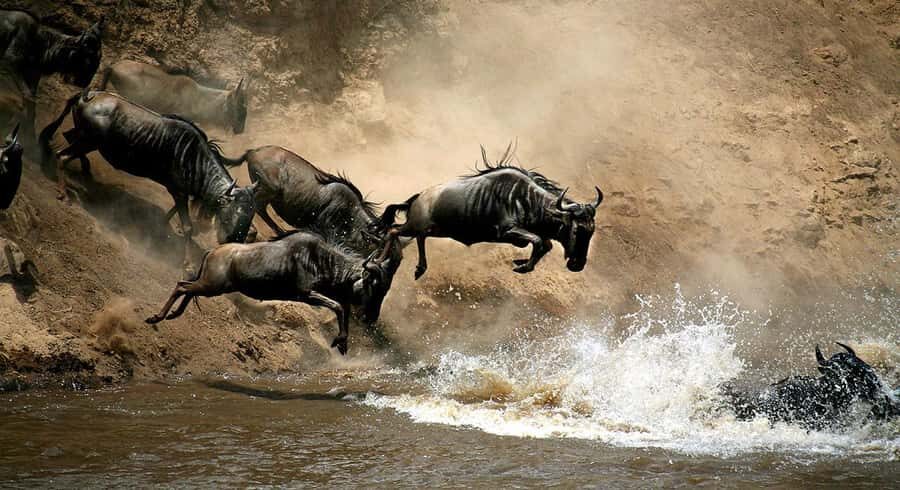
Day 2 is where Masai Mara does its heavy lifting. You’re out from roughly 7:00am to 4:00pm for morning and afternoon game drives, which gives you two strong chances at wildlife when temperatures and animal movement patterns tend to change.
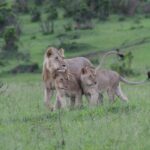
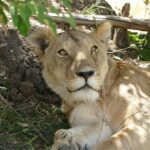
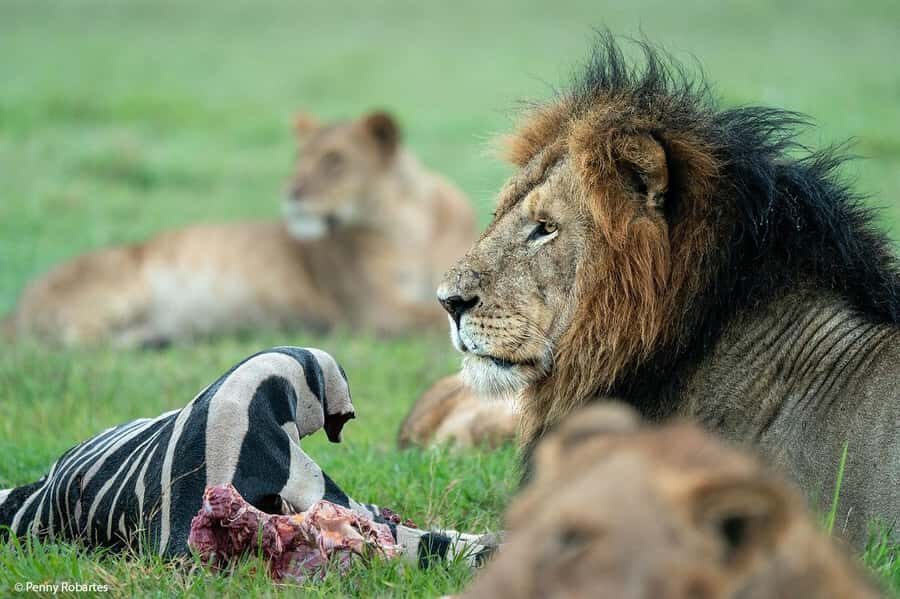
Masai Mara is big—about 1,510 km²—so the experience isn’t just one loop around a small area. It’s open country with riverine woodland and wide plains, and that scale helps explain why your wildlife list can be so long. On a good Mara day, you’re likely to see giraffes, zebras, wildebeest, buffaloes, elephants, hippos near water, plus smaller species like impala and hartebeest. Predators like lions may be relaxing after feeding or scanning the plains for the next meal.
From a planning point of view, the best part is that you’re not rushed. The Mara day is scheduled for real game viewing, not a quick drive-by. And if skies are clear, you also get Mara’s famous sunset light—orange-tinged skies that are worth pausing for, especially if you like photos.
Why the Mara day feels different from other safaris
In the Mara, spotting often turns into pattern recognition. Once you see how the driver checks likely animal areas, reads tracks or movement cues, and times stops, the day becomes more than random luck. The guide-driver’s skills matter here—especially for getting into the right positions without losing safety.
The reviews back this up with strong emphasis on drivers like Peter and Jeff, described as very safe, very skilled, and persistent about finding rarer animals too. One review even singled out careful driving and more time taken to make the day work better for sightings like white rhinos and leopards.
Optional add-on: hot-air balloon trips are mentioned as an optional way to see the plains from above. If that’s on your bucket list, slot it in so it doesn’t steal time from the Mara drives you already have scheduled.
Day 3: Mara to Lake Nakuru, with an optional Masai Village stop
You start with an early breakfast, then transfer from Masai Mara toward Lake Nakuru. This is a travel day, but it’s still part of the safari rhythm because you’re changing ecosystems, not just moving hotels.
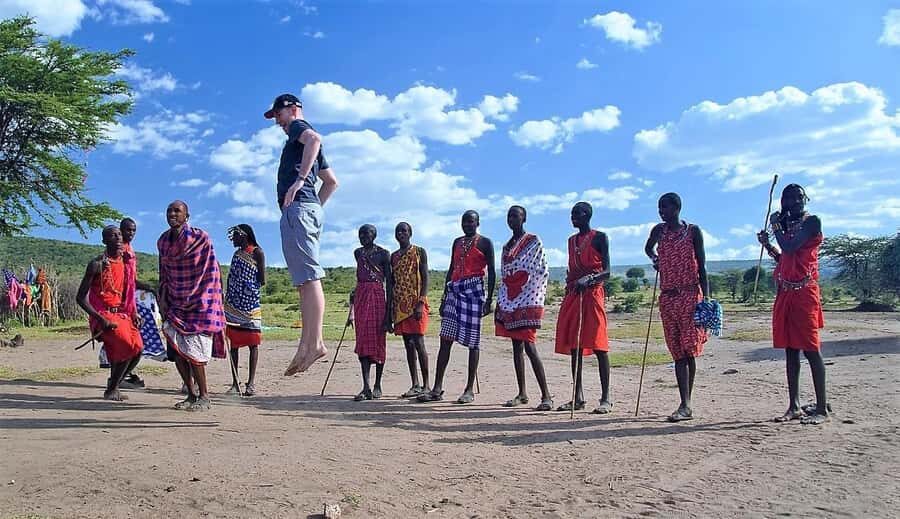
On the way, you have an optional Masai Village visit for $20 per person. If you choose it, you’ll be entertained with Masai dance and you’ll learn more about their lifestyle. I like that this isn’t sold as a side quest you’re forced to take—your call, your pace.
You arrive in the late evening, check in, and sleep around Lake Nakuru at Lanet Martfarm Resort or similar. That late arrival can be a little sleepy after a full travel day, but it also means you avoid wasting your best daylight hours sitting in transit.
Practical consideration: because Day 3 is more about getting to Nakuru, treat it as the rest-and-reset day. Save your long animal-watching energy for Day 4’s early start in Nakuru.
A few more Kenya tours and experiences worth a look
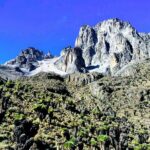
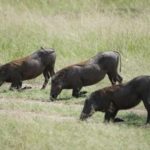
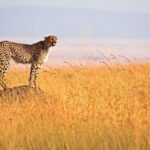
Day 4: White rhinos and possible pink flamingos near the lake
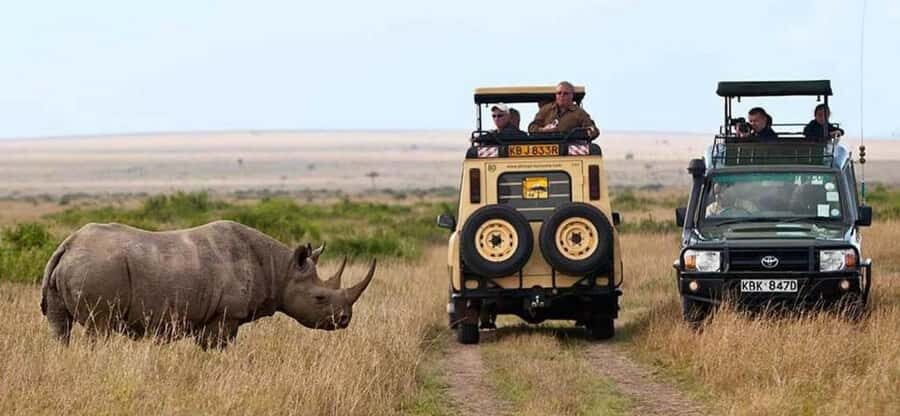
Day 4 begins early. After breakfast and check-out, you depart by about 7:00am straight to Lake Nakuru National Park.
Lake Nakuru is smaller than Mara in the way it plays out for a visitor, and that matters. When a park is easier to cover efficiently, you can focus on the big target: rare white rhinos, which are part of the Big Five.
There’s also a chance to see pink flamingos. That’s the kind of safari moment that feels different from the Mara big-cats-and-meadow vibe, because it’s tied to the lake and birdlife. Even if flamingos aren’t visible every day, your morning is still built around rhino viewing.
After the morning, you begin the drive back toward Nairobi. The transfer is about three hours, and you’re aiming to arrive around 3:00pm.
Camping-style comfort: what the tents and meals add to the experience
This isn’t a bare safari. You’ll stay in spacious self-contained tents with bathrooms and electricity, which is a big deal if you’re doing 4 days in the bush and still want to feel human at night.
Self-contained bathrooms mean you don’t have to plan your whole evening around shared facilities. Electricity also matters in practical ways—charging devices, keeping things manageable after long drive days.
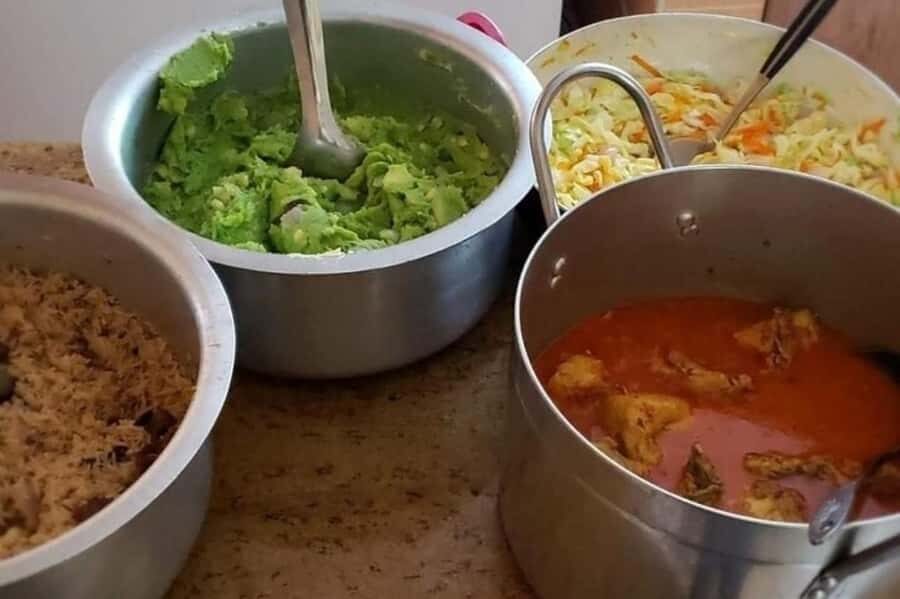
Meals are full board while on safari: breakfast, lunch, and dinner are included during the safari portion. Drinking water is provided during game drives, which is exactly what you want when you’re out in open areas for long blocks.
Accommodation names you might see include Giraffe Hills Mara Camp or similar in the Mara, and Lanet Martfarm Resort or similar near Nakuru. The reviews I saw consistently mention clean tents and good service, plus good African food. That aligns with why this type of safari often feels like more than a sightseeing trip—it feels like a real short stay in the wild.
Possible drawback: camping comfort is included, but drinks at the camp or lodge restaurant aren’t. If you like sodas, cocktails, or bottled water during downtime, budget for that.
Price and logistics: where the real value is (and where costs can jump)
The listed price is $380 per person for 4 days. In most safaris, that number is only part of the story, and here it’s the same—park entry fees are extra.
What you get for the $380 package price
You’re including:
- 3 nights accommodation (2 in the Masai Mara area, 1 at Lake Nakuru)
- 4WD transport with a driver-guide
- Game drives as per the itinerary, plus extensive time out on safari
- Full board meals while on safari
- Drinking water during game drives
- Nairobi center hotel pick-up and drop-off (with specific pickup rules)
- Guaranteed departures
For many people, the best value piece is the all-in feeling. You’re not coordinating your own transfers or wondering how to fit game drives around hotel schedules.
The extra cost you must budget: park entry fees
Park entry fees are listed as:
- $290pp for January to June
- $490pp for July to December
That means the total cost you’re paying for the safari experience can become much higher depending on season. The key is simple: compare the $380 against your travel dates and plan for park fees early, so there are no budget surprises.
Group size and vehicle flow
The tour notes that the group-joining vehicle carries maximum 8 pax, and transport is in a customized seven-sitter 4WD Land Cruiser. In plain terms: you’re in a small vehicle. That typically makes spotting and timing feel more controlled than big-vehicle tours.
There’s also private group availability, if you want more control over pacing and fewer shared dynamics.
Nairobi pickup, meeting points, and the small details that can matter
Pickup is free from hotels within Nairobi City center or the Westlands area near the highway. If you’re staying outside those pickup zones, you go to a meeting point outside City Market on Muindi Mbingu Street, opposite Naivas supermarket.
It’s smart to confirm your pickup/drop point clearly when booking. One issue flagged in a review wasn’t about the parks—it was about internal coordination, where a driver didn’t know which person was on which booking, causing a long wait on Day 3. You can prevent most of that by sending your hotel name, pickup point, and any special instructions in writing ahead of time.
Also, pets aren’t allowed on this activity, so plan accordingly if you’re traveling with animals.
Who should book this safari (and who might rethink it)
This is a great fit if you:
- want a short safari that still includes two top destinations
- care about seeing lots of animals during daytime hours, not only one quick drive
- like camping comfort, since you get tents with bathrooms and electricity
- prefer a small group setup (max 8 pax on the joining vehicle)
You might rethink it if:
- you’re very cost-sensitive without a buffer for park entry fees, especially in Jul–Dec
- you need an all-day focus every day, since Day 3 is more of a transfer and Day 1 is a shorter evening drive
If you want more wilderness time but hate rushing, consider whether your dates align with peak wildlife visibility in Mara, and keep the season-based park fees in mind.
Should you book the Nairobi 4WD Masai Mara & Lake Nakuru camping safari?
I’d book it if you want the best kind of “starter Kenya safari”: big animals, long drive windows, and a real overnight in the parks with camping comfort. The combination of Masai Mara’s classic wildlife density and Lake Nakuru’s rhino and bird potential makes the 4 days feel like more than a checklist.
I’d also do one simple planning step before booking: budget park entry fees based on your travel month. The base price includes a lot, but park fees can materially change the final total.
Finally, if you care about smooth logistics, send your pickup/drop details clearly and early. This trip usually runs well, and the standout factor is often the driver’s ability to keep things safe and find good sightings—something reviews highlighted again and again with guides like Peter, Jeff, and Pol.
FAQ
How many days and nights is this safari?
It runs for 4 days and 3 nights.
Where do you sleep during the safari?
You sleep 2 nights in the Masai Mara and 1 night at Lake Nakuru (at Lanet Martfarm Resort or similar).
What’s included in the price?
Transport by 4WD Land Cruiser, 3 nights accommodation, game drives as per the itinerary, full board meals while on safari, drinking water during game drives, Nairobi hotel pick-up and drop-off (within the listed areas), and a professional English-speaking driver-guide.
Are park entry fees included?
No. Park entry fees are extra: $290pp (Jan–Jun) or $490pp (Jul–Dec).
Is the Masai Village visit included?
No. The Masai Village visit is optional and costs $20 per person.
Do you see the Big Five on this trip?
The safari is designed for Big Five chances: Masai Mara is known for Big Five viewing, and Lake Nakuru includes the possibility of rare white rhinos, which are part of the Big Five.
What are the Nairobi pickup options?
Free pick-up is available from hotels in Nairobi City center or Westlands near the highway. If you’re outside those areas, you meet outside City Market on Muindi Mbingu Street, opposite Naivas supermarket.
What’s the group size?
The group joining the vehicle carries a maximum of 8 pax. Private group options are available.