REVIEW · NAIROBI
Market Tour and Traditional Kenyan Cooking Class in Nairobi
Book on GetYourGuide →Operated by Evaline Mbugua · Bookable on GetYourGuide
Kenyan food tastes better when you cook it yourself. This Nairobi market-to-home class pairs a real market walk with clear, friendly lessons that end with you making chapati from scratch, plus Kenyan staples like ugali. It’s one of those experiences where you understand the ingredients first, then the meal makes sense.
I especially like the personal attention you get in a private setting, and the way the host explains what’s going into the food as you go. One thing to consider: because of space constraints in the kitchen, the host does most of the actual cooking while you help with key steps instead of running the whole show.
In This Review
- Key highlights worth your time
- Nairobi market shopping: what you buy and why it matters
- At Evaline Mbugua’s home: cooking in a real Nairobi kitchen
- The dishes you’ll learn: ugali, chapati, curry, and pilau
- Ugali (cornmeal): why it’s the anchor of the meal
- Chapati: learning the bread skill, not just eating it
- Curries: how Kenyan and Indian flavors meet on the plate
- Pilau (when included): grain flavor beyond plain rice
- The 4-hour format: timing, pace, and what you actually get
- Price and value: why $55 feels fair here
- Language and the private guide experience in English and Swahili
- Who should book this Kenyan cooking class—and who might not love it
- Practical tips before you go (so it feels easy)
- Should you book this Nairobi market-to-home cooking class?
- FAQ
- How long is the Market Tour and Traditional Kenyan Cooking Class?
- Where is the meeting point?
- Is this a private group experience?
- What dishes will I learn about?
- What’s included in the price?
- What languages are the guide and instruction available in?
Key highlights worth your time

- Market-first ingredient shopping for fresh supplies you can actually name and recognize
- Kenyan + Indian flavor influences like curries alongside staples such as ugali
- Private, small-party guidance with English/Swahili support throughout
- Hands-on moments for chapati and meal prep even if the kitchen is small
- A full food-and-drink setup including food, soda, fruits, and water
- Meet at K Mall Komarock then head out together
Nairobi market shopping: what you buy and why it matters
The experience starts with a meeting point at K Mall Komarock parking lot, where you link up with your guide and head to the market. This matters more than you might think. If you’ve only ever cooked with supermarket spices and pre-measured ingredients, the market phase helps you learn what “fresh” really looks like in Nairobi—especially when you’re buying things that go straight into curries and doughs.
At the market, you’ll be focused on getting the ingredients you need for the meal rather than just browsing. The goal is practical: you want items that are fresh enough to use the same day and that match the flavors in traditional Kenyan home cooking. You’ll also get a glimpse of the daily market rhythm—how people select produce, how stalls are organized, and how food shopping works as part of everyday life.
A small but smart detail: your package includes water and fruits, so you’re not scrambling for snacks during the walk. That keeps the pace comfortable, especially if it’s warm out or you’re doing lots of standing.
What I like about this market setup is that it connects shopping to cooking right away. Instead of learning “recipes,” you learn ingredients. That makes everything you cook later feel less like a demo and more like a process you can repeat.
You can also read our reviews of more shopping tours in Nairobi


At Evaline Mbugua’s home: cooking in a real Nairobi kitchen
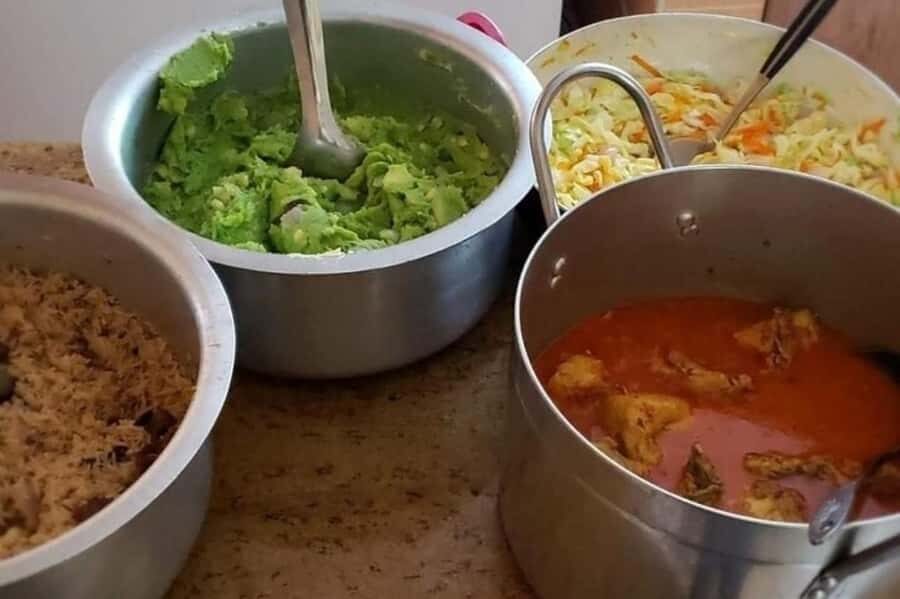
After the market run, you travel back to the host’s home and start cooking in a typical household setting. You’re not in a large class space; you’re in someone’s everyday environment. That’s where the experience feels authentic—because it’s not staged for a crowd.
Here’s the key reality: due to space constraints, the host does most of the cooking. That sounds like a drawback at first, but it usually turns into a better experience. The host can work efficiently, and you get to participate in the parts that actually teach technique—without slowing down the whole meal.
This is also where the tone becomes friendly and personal. In the most positive accounts, people highlight the host’s warm teaching style and the casual conversation that happens during the cooking. You may find yourself talking through where you’re from, what you like to eat, and what everyday meals look like back home versus in Kenya. That matters because food isn’t just ingredients—it’s family routine, comfort food, and habits you learn over time.
You’ll likely work alongside the host on steps such as:
- helping with meal prep tasks
- participating in dough work for chapati
- assisting with ingredient mixing and simple prep for dishes like ugali and curries
- learning how spices and cooking timing work in a home kitchen
And yes, even in a small kitchen, you’ll still get a “whole meal” outcome. The plan is to cook enough to eat together, not just taste small samples.
The dishes you’ll learn: ugali, chapati, curry, and pilau
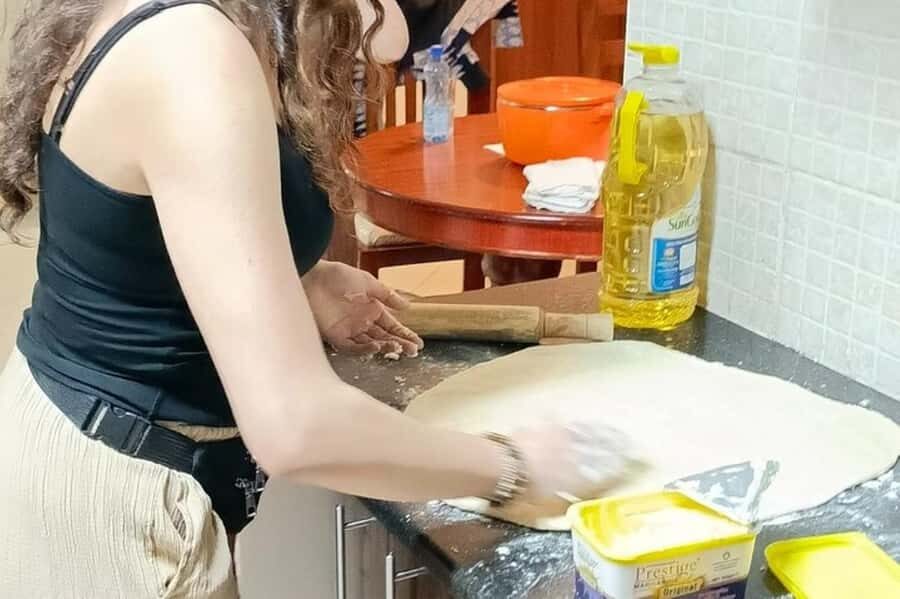
This class is built around Kenyan home cooking with Kenyan and Indian influences—a combination that shows up in many familiar Nairobi flavors. You’re likely to encounter curries, plus staples such as ugali (cornmeal) and chapati (savory flatbread). Some versions of the meal also include items like pilau, which fits right into the curry-and-grain pattern common in many Kenyan households.
Ugali (cornmeal): why it’s the anchor of the meal
Ugali is often the base that makes other flavors feel complete. When you learn it, you’re learning a texture lesson: cornmeal needs the right mixing and consistency to become a firm, spoonable staple. Even if you’re not controlling every step, the host’s guidance helps you understand what the dough should look and feel like while it cooks.
If you’ve never worked with cornmeal, don’t worry. This experience is structured so you can help and learn in a supported way.
Chapati: learning the bread skill, not just eating it
Chapati is one of the highlights for many people because it’s hands-on. You’ll get instruction for the process, and you may get time to help with the dough and rolling steps. In a small home kitchen, that’s more satisfying than a quick bite after a long lecture.
Chapati also teaches something practical: how flatbread can be flexible in cooking style. You’ll see how heat and timing affect the final result, and how the dough handles when you work it with your hands.
A few more Nairobi tours and experiences worth a look




Curries: how Kenyan and Indian flavors meet on the plate
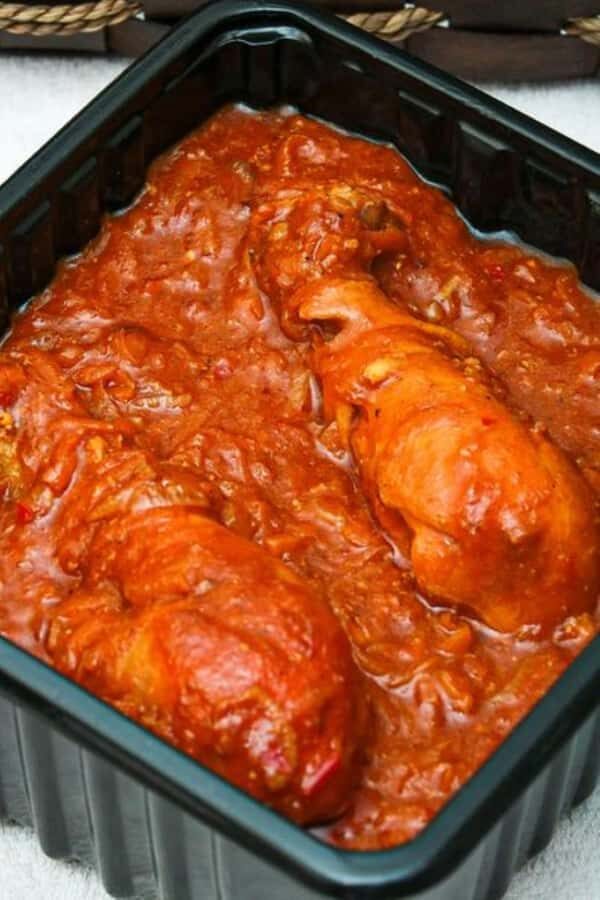
The curry side of the menu is where the Kenyan-Indian influence becomes obvious. You’re not just learning the concept of curry—you’re cooking alongside a host who works with the ingredients and cooking approach used at home. That gives you a sense of how spice blends, simmering time, and liquid levels change the final flavor and thickness.
If you like food that’s savory, spiced, and deeply satisfying, this is the portion you’ll remember.
Pilau (when included): grain flavor beyond plain rice
Some meal sets include pilau, which fits the same comfort-food logic: grains cooked with flavors that soak in while they cook. Even if you only help with parts of the process, you’ll learn how the cooking stage turns simple ingredients into something more aromatic and complete.
The 4-hour format: timing, pace, and what you actually get
The class runs for about 4 hours, which is a sweet spot for this type of experience. Long enough to shop, cook, and eat. Short enough that it doesn’t feel like a full-day commitment or eat up half your sightseeing schedule.
The pace is also built around the reality of a private home setting:
- market time gets you the right ingredients
- cooking time focuses on key dishes
- eating time is part of the plan, not an afterthought
Because transport to and from the market is included, you avoid a common hassle: figuring out how to get everyone to the market and back. You only need to handle the ride to the meeting point, and Uber fees aren’t included.
Practical tip: plan to arrive a few minutes early at K Mall Komarock so you don’t feel rushed when you’re gathering before you head out.
Price and value: why $55 feels fair here
At $55 per person, this is positioned as a value-forward experience. The price isn’t just paying for “a cooking show.” You’re covering several real costs:
- a market visit where ingredients are actively sourced
- a home cooking session led by the host
- food during the meal
- drinks and extras like soda, fruits, and water
- transport to and from the market
For many cooking classes, the hidden cost is that you end up paying extra once you get hungry. Here, you’re fed. And for a market-based experience, sourcing ingredients is part of the learning, not a bonus.
One more value point: it’s a private group. Private doesn’t always mean “better” in travel, but in a home-kitchen cooking class, it does matter. You get more direct attention while learning steps like chapati handling or ugali texture. The class experience stays personal instead of getting swallowed by a big group.
Language and the private guide experience in English and Swahili
The live guide support is available in English and Swahili, which is a big deal if you want to ask questions while you cook. Food learning improves when you can clarify details in real time—why something is added now, what consistency to look for, or how a spice blend changes.
In a private format, language support also makes social time easier. Some people end up chatting while cooking, comparing food routines and sharing what they like to cook. That turns the session from “follow along” into an actual cultural conversation—without forcing awkward scripted small talk.
If you’re comfortable with basic food questions, you’ll get a lot out of it.
Who should book this Kenyan cooking class—and who might not love it
This is a great choice if you want a hands-on cultural activity that ends with a satisfying meal. It’s especially good for:
- food lovers who want Kenyan staples like ugali and chapati
- travelers who prefer small, personal experiences over big group demonstrations
- anyone who likes learning from a home-cooking perspective rather than restaurant-style recipes
- people who enjoy markets as part of understanding a destination
You might want to think twice if:
- you’re looking for a fully hands-on cooking challenge where you do nearly everything yourself
- you dislike cooking with Indian-influenced flavors like curries
- you strongly prefer large-group entertainment and lots of quick samples rather than a slower home-style meal
Remember the earlier reality: the kitchen is smaller, so the host does most of the cooking. You’ll still participate, but it won’t be a “chef boot camp” where you run every station.
Practical tips before you go (so it feels easy)
A few small planning moves will make the session smoother.
- Wear comfortable clothes you don’t mind getting a little warm. Cooking happens in a home kitchen, and you’ll be standing and moving around.
- Arrive on time at K Mall Komarock parking lot. You’ll want the meet-up to start smoothly so you don’t feel rushed during the market walk.
- Bring curiosity. Ask questions about ingredients, cooking timing, and texture. The most rewarding part of the class is understanding what you’re making while you make it.
- Plan your day around the meal. Since food, fruits, and soda are included, you won’t need a full lunch elsewhere before or after.
Should you book this Nairobi market-to-home cooking class?
If you care about real daily-life food culture—market ingredients, Kenyan staples, and the way family cooking works—this is an easy yes. The format is tight (4 hours), the value is strong (food and transport included), and the private setting makes it feel personal rather than rushed.
Book it if you want to leave with more than a memory. You’ll learn how ugali and chapati fit together with curries and other flavorful dishes, and you’ll understand the ingredient logic behind the meal.
Skip it if your main goal is maximum hands-on control in the kitchen or if you only want a large, theatre-style cooking experience.
FAQ
How long is the Market Tour and Traditional Kenyan Cooking Class?
It lasts about 4 hours.
Where is the meeting point?
You meet at K Mall Komarock parking lot, then you head to the market together.
Is this a private group experience?
Yes. It’s private, just your party.
What dishes will I learn about?
You’ll focus on Kenyan and Indian-influenced dishes such as curries, ugali (cornmeal), and chapati. Some sets also include pilau.
What’s included in the price?
Food is included, along with soda, fruits, water, and transport to and from the market.
What languages are the guide and instruction available in?
English and Swahili.