REVIEW · NAIROBI
Authentic Kenyan Cooking Class & Market Tour in Nairobi
Book on GetYourGuide →Operated by Empowerment Era Essentials · Bookable on GetYourGuide
Food in Nairobi comes with stories. This experience pairs a market tour with real cooking instruction in Tabby’s home, so you don’t just watch food happen—you take part. Two things I like a lot are the chance to interact with locals while shopping for ingredients, and the way you end up eating the meal you helped make. One consideration: the kitchen setup is space-limited, so expect a bit of close-quarters while you cook and taste.
You meet at the K-MALL Komarocks parking lot, then head out to shop and back to a secure neighborhood home on the Nairobi outskirts. For $64 per person, you get four hours with local host help, transportation to and from the market, the cooking lessons, lunch, and non-alcoholic drinks.
In This Review
- Key highlights you’ll actually feel
- K-MALL Komarocks meet-up: the start is simple
- Market tour in Nairobi: where food culture becomes real
- Cooking in Tabby’s home: the best lessons are hands-on
- How the dishes fit together: from salad to starchy staples
- The conversation side: culture isn’t an add-on
- What’s included (and where value shows up)
- Duration and pacing: four hours that don’t drag
- Safety and comfort: secure neighborhood, real home setting
- Who should book this Kenyan cooking class?
- Price and logistics: the simple checklist that saves time
- Should you book this Nairobi cooking class?
- FAQ
- What dishes will I learn and cook?
- Where is the meeting point?
- How long is the experience?
- What’s included in the price?
- Is alcohol included?
- Do you offer the tour in English or Swahili?
- Is it suitable for people with food allergies or older travelers?
Key highlights you’ll actually feel
- A guided market run with ingredient shopping so you learn what goes into everyday meals (and why).
- Hands-on cooking in a real home with lots of chances to stir, portion, and taste as you go.
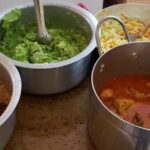
- Kenyan classics on the menu like ugali, pilau, chapati, kachumbari, sukuma wiki, plus dishes such as mukimo, githeri, and kuku kienyeji.
- Culture built into conversation—you share meals and talk life with your hosts in a relaxed setting.
- Included transport and lunch make the experience easier than trying to do it alone.
K-MALL Komarocks meet-up: the start is simple
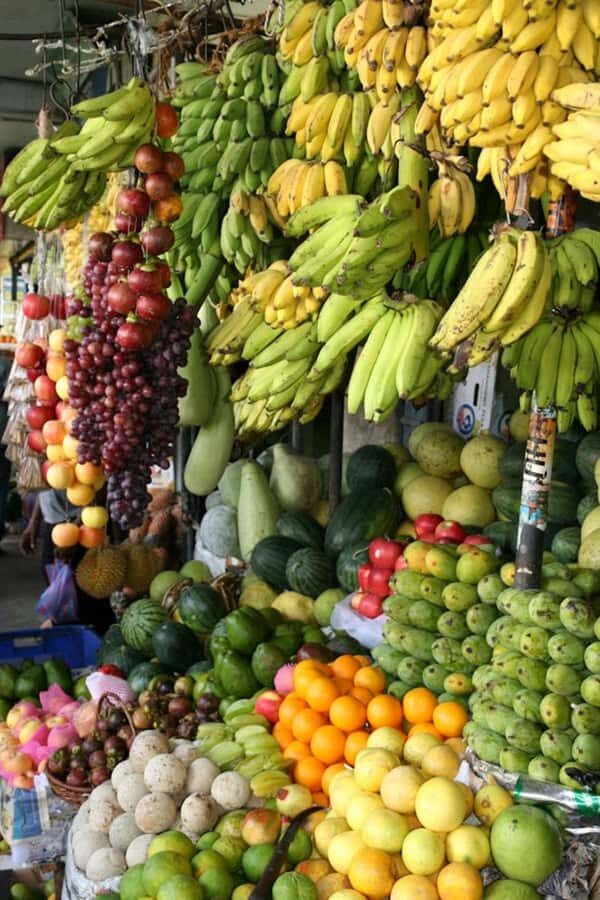
This tour begins at K-MALL Komarocks parking lot. That matters more than you might think. In Nairobi, “meet us somewhere central” can turn into stress. Here, you’ve got a clear anchor point, and you’ll connect with the host from there before heading to the market.
From the start, you’re not treated like a passive visitor. Your host and guide help you get oriented quickly, including walking you through the market area at a comfortable pace. You’ll likely spend time in a car between locations, because the cooking portion happens in a home on the outskirts of Nairobi. The ride through town is part of the day’s real-life texture—this isn’t a backstage-only experience.
Practical tip: wear comfortable shoes. You’ll be standing and moving around during the market segment, and cooking afterward is easier when your feet aren’t already tired.
You can also read our reviews of more shopping tours in Nairobi



Market tour in Nairobi: where food culture becomes real
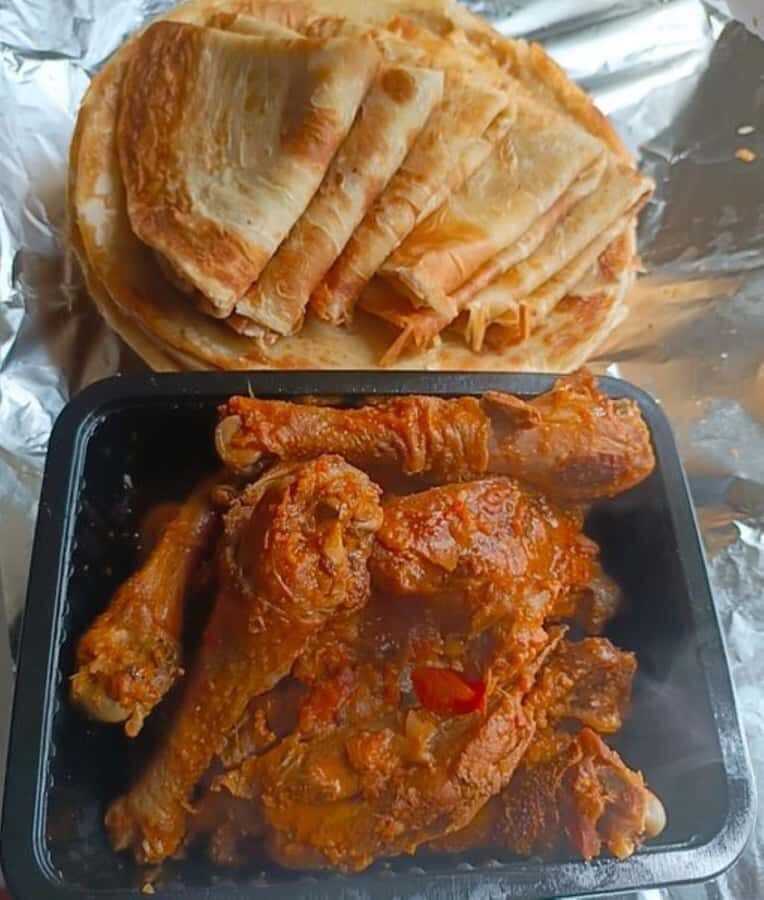
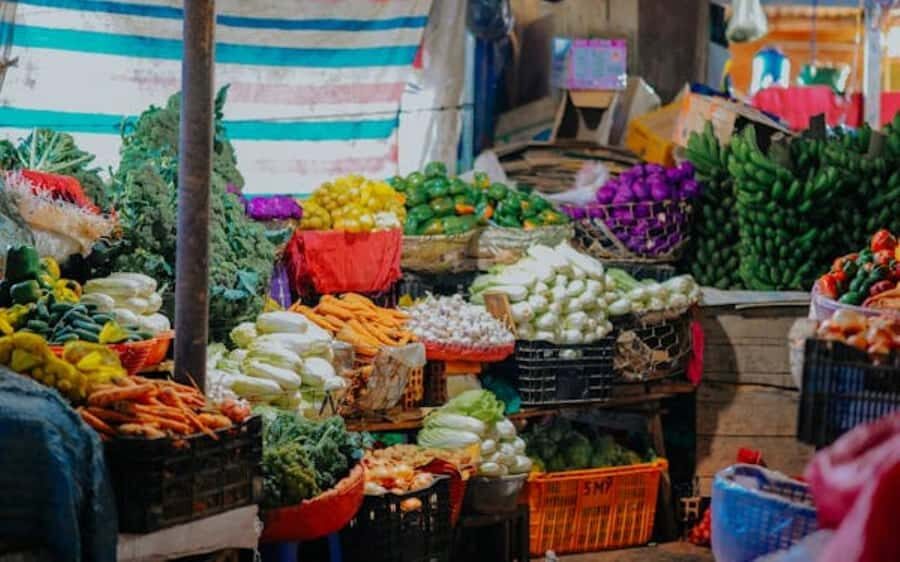
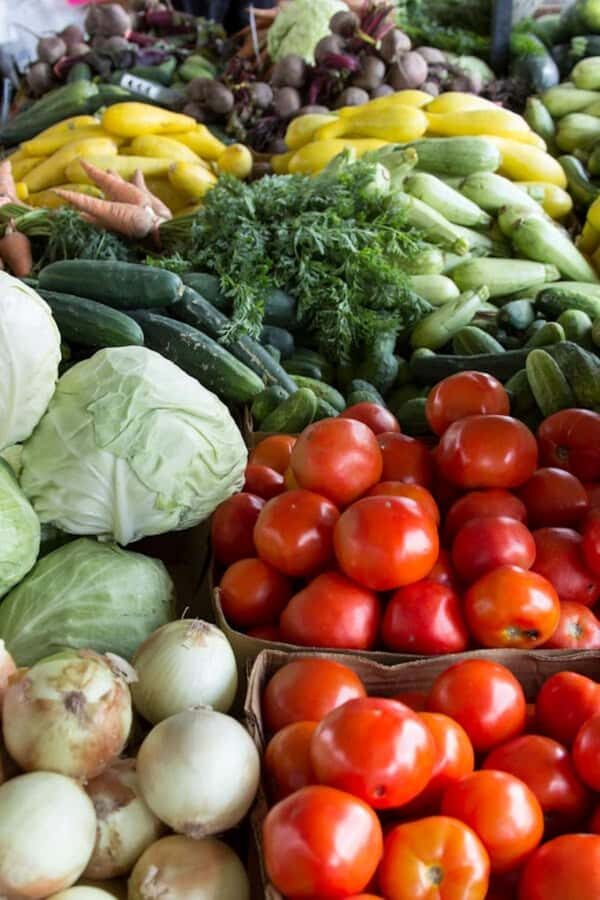
The market stop is the heart of the day’s meaning. You’re not just buying ingredients—you’re seeing how people shop for food they’ll cook and eat soon. You’ll get to select fresh items, and you’ll learn what to look for based on how the dishes come together.
This is also where you get a taste of daily life. You’ll interact with locals during the market tour, which adds context you can’t get from a recipe card. Even if your Swahili is limited, a friendly “jambo” and a willingness to ask questions go a long way. Your guide helps bridge communication, including English and Swahili support.
Here are a few dish-related ingredients you’ll likely connect with:
- Kachumbari salad: fresh, crunchy, and built around a balance of flavors.
- Sukuma wiki: greens that show up constantly in everyday meals.
- Staples like flour and spices that later turn into chapati and pilau.
One more thing: markets can feel loud and busy. That’s normal here. The advantage of having a local host guide you is that you’re not trying to translate chaos into a shopping plan. You’ll move with purpose.
Consideration to keep in mind: this isn’t designed for people who need careful food handling due to allergies. If you have food allergies, the safe choice is to skip.
Cooking in Tabby’s home: the best lessons are hands-on
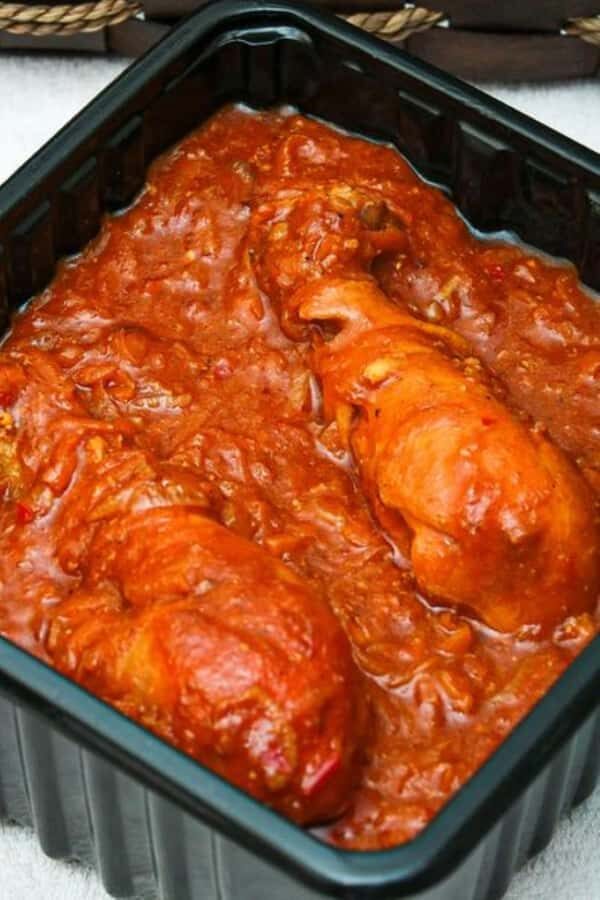
After the market, you head to Tabby’s home for the cooking class. This is where the experience separates from a typical “chef demo.” You’re in the kitchen, helping out, tasting as you go, and learning by doing.
The host is warm and welcoming, and the setting is personal. You’re not just in a classroom kitchen. It’s a real home environment where people live with the rhythms of everyday Kenyan cooking. The day includes conversation, too—so while you’re learning technique, you’re also learning how food connects to family life, work, and community.
What you’ll likely cook (or at least learn to cook):
- Ugali: the foundational starch in many meals.
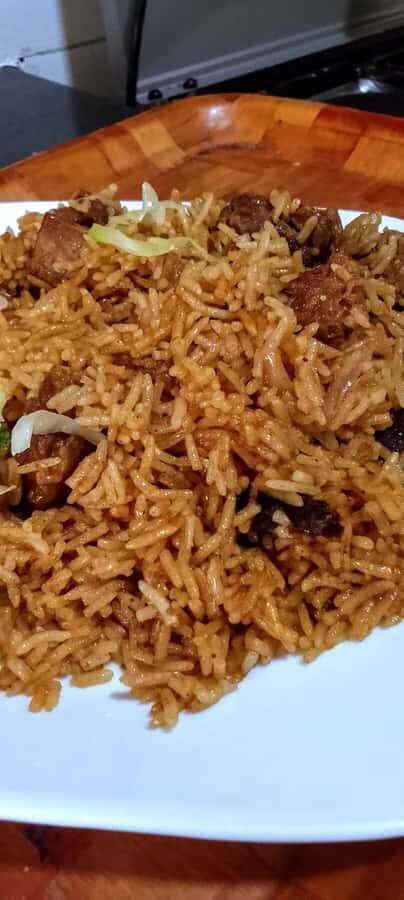
- Pilau: a spiced rice dish that carries the aromas of coastal and inland traditions.
- Chapati: often made with a dough-and-flour technique that rewards patience.
- Mukimo and githeri: hearty, comforting combinations that show up as everyday favorites.
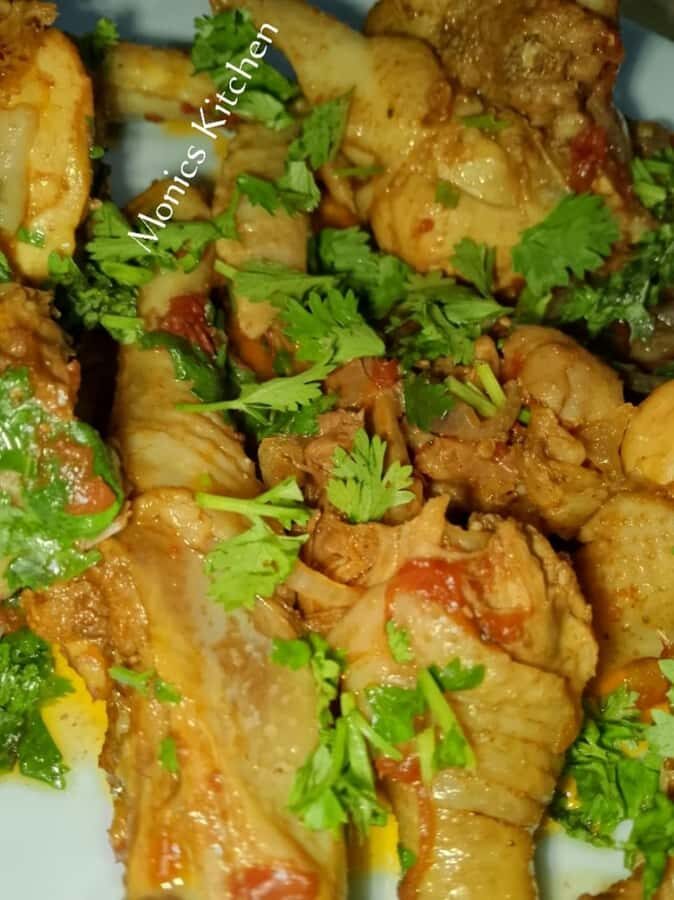
- Kuku kienyeji (kienyeji chicken): a local-style chicken dish that’s often about flavor and simplicity.
Your participation matters. The kitchen space is limited, so you’ll be close to others and to cooking stations. That can actually be fun if you’re flexible—just know that you won’t have the wide-open workspace of a professional restaurant kitchen.
Practical tip: bring comfortable clothes you don’t mind getting a little messy. Cooking and tasting tend to get real, fast.
How the dishes fit together: from salad to starchy staples
Kenyan meals often make sense as a whole plate, not as isolated recipes. That’s why this class is so useful. You learn the logic: what’s crunchy, what’s hearty, what’s starchy, and what’s spicy or savory enough to tie everything together.
For example:
- Kachumbari salad acts like a fresh counterpoint—brightness and crunch against richer foods.
- Sukuma wiki brings green, earthy flavor that balances starch.
- Ugali is the dependable base that many meals rally around.
- Pilau adds a different texture and strong spice profile.
- Chapati brings a flexible bread element, great for scooping or pairing.
- Githeri and mukimo add that comfort-food heft that makes a meal feel complete.
- Kuku kienyeji rounds it out with protein that feels straightforward but deeply satisfying.
This matters for you even after the class. If you’ve ever taken a cooking class and left with recipes but no understanding of how they connect, you’ll like this approach more. By the end of the session, you’re thinking like a cook: How will this dish taste with the others? What does the meal need?
And since you’re shopping for ingredients first, you get the “why” behind quality—why fresher produce looks different, smells different, and behaves differently when cooked.
The conversation side: culture isn’t an add-on
Food lessons are fun. The conversation is what makes it memorable.
At Tabby’s home, you’ll have time to chat, share meals, and learn through storytelling rather than lecture. Reviews highlight how personal the experience feels—so if you like human-scale travel (not just checkpoints), this one hits the right note. You’ll hear about daily life and the challenges and joys that come with it, and you’ll have space to ask questions and listen.
This isn’t the kind of tour where the host disappears after the meal. Instead, you’re in a living-room or dining setup where food and conversation move together. That’s the moment you remember when you’re back home and craving the exact flavor you can’t quite name.
A good match if you enjoy: talking with people, asking practical questions about food and daily routines, and spending time rather than rushing through.
A few more Nairobi tours and experiences worth a look


What’s included (and where value shows up)
Let’s talk value plainly. At $64 per person for a 4-hour experience, you’re paying for more than a cooking lesson. You’re getting:
- local host services
- transport to and from the market
- cooking lessons
- lunch
- non-alcoholic beverages: soda, water, tea
- a live guide in English and Swahili
Not included:
- alcoholic drinks
- Uber or other transportation fees (if you’re using them on your own)
This pricing tends to be fair because the hard parts are covered: local guidance in the market, ingredient selection support, and a full meal built into the class. If you tried to DIY it—finding a reliable cook, arranging market access, and coordinating lunch—you’d likely spend more and spend way more time coordinating.
Quick decision test: if you want a single afternoon where you handle both shopping and cooking with a local guide, this is a strong deal.
Duration and pacing: four hours that don’t drag
Four hours is long enough to learn multiple dishes but not so long that you feel stuck in a single activity. The day flows from market to home to cooking to lunch.
The pacing also matters for comfort. Market time keeps you active and engaged. Cooking time keeps your hands busy. Then lunch gives your brain a break and lets the flavors do their work.
Still, the kitchen portion is hands-on. You’ll likely stand at times and lean in to watch and participate. If you’re someone who hates getting close to food prep stations, you may feel cramped. That limited kitchen space is the main practical “watch-out” from an enjoyment standpoint.
Safety and comfort: secure neighborhood, real home setting
The tour is designed around a secure neighborhood setting for the home portion. That’s a big deal for many visitors. You’re not jumping from one random location to another; you’re going to a home environment where the host can welcome you comfortably.
You also get clear rules:
- what to bring: comfortable shoes, camera, comfortable clothes, cash
- what’s not allowed: weapons or sharp objects
If you’re traveling with valuables, be sensible like you would anywhere: keep your phone secure and store cash safely. The host will guide you through the experience, but your own basic care still matters.
Who should book this Kenyan cooking class?
This is ideal for:
- food lovers who want technique, not just tasting
- travelers who like meeting locals in everyday settings
- anyone curious about how everyday Kenyan staples—ugali, pilau, greens, and chicken—fit together into a meal
It’s not for you if:
- you have food allergies (the tour is listed as not suitable)
- you’re above 95 years (not suitable)
Family note: kids under 10 get free entrance. If you’re traveling as a family, you’ll want to judge whether the hands-on cooking pace and market setting will work for your child’s attention span.
Price and logistics: the simple checklist that saves time
Here’s what you should plan before you go so the day runs smoothly:
- arrive at K-MALL Komarocks parking lot
- wear comfortable shoes
- bring cash (explicitly recommended)
- plan for time in the kitchen and market, so dress practically
- expect the class to be English or Swahili supported via a live guide
Transportation is included for the market segment, and the tour can arrange transport for convenience. If you rely on ride-hailing apps for your own travel to the meet-up point, factor that into your budget because Uber/transportation fees aren’t included.
Should you book this Nairobi cooking class?
I’d book it if you want a real Nairobi food day where you do three things well: learn by cooking, learn by shopping, and learn by talking with someone who lives this life. The best part isn’t just the food list. It’s the mix of market context + hands-on practice + home hospitality.
Pass if you have food allergies or you need a very low-contact, low-standing experience. Also, if you hate cramped spaces, keep the limited kitchen setup in mind.
If you want to leave Nairobi with more than photos—if you want a meal you helped build and a clearer picture of daily Kenyan life—this is a solid use of an afternoon. And at $64, with lunch and transport included, it’s priced for value rather than theatrics.
FAQ
What dishes will I learn and cook?
You’ll prepare Kenyan dishes such as kachumbari salad, sukuma wiki, ugali, chapati, and pilau, plus other options like mukimo, githeri, and kuku kienyeji (kienyeji chicken).
Where is the meeting point?
Meet at K-MALL Komarocks parking lot so you can proceed to the market.
How long is the experience?
The tour lasts 4 hours.
What’s included in the price?
Included are local host services, transport to and from the market, cooking lessons, lunch, and beverages: soda, water, and tea.
Is alcohol included?
No. Alcoholic drinks are not included.
Do you offer the tour in English or Swahili?
Yes. The live guide speaks English and Swahili.
Is it suitable for people with food allergies or older travelers?
It’s not suitable for people with food allergies and not suitable for people over 95 years. Kids below 10 get free entrance.