REVIEW · NAIROBI
Explore local Market matatu ride & Make Kenyan Cuisines with a home cook
Book on Viator →Operated by Josephine rukaria · Bookable on Viator
Matatu rides meet real home cooking. This hands-on Nairobi experience pairs a local market ingredient hunt with a private cooking lesson led by Josephine Rukaria, including a five-course meal with Kenyan and Indian flavors like curries and ugali. I love how it feels personal and practical: you’re not watching from the sidelines—you’re working alongside your teacher from start to finish.
Two things stand out fast. First, the one-to-one attention means you can ask questions as you cook, not after class ends. Second, you start by riding a matatu to the market to buy fresh produce, which turns the cooking lesson into a real view of daily life.
One consideration: there’s no hotel pick-up or drop-off, so you’ll want to plan how you’ll get to the start point near Westlands and back at the end on David Osieli Road. Also, cooking gets hands-on, so come ready to get a little messy.
In This Review
- Key highlights you’ll care about
- From Mall Westlands to the market: matatu + real ingredient shopping
- The cooking lesson at home: step-by-step, spice-forward, private
- The five-course Kenya–Indian menu: curries, ugali, and more than one flavor lane
- What’s actually included (and why it improves value)
- Getting the most out of the matatu + market part
- Who should book this Nairobi market-and-cooking session
- Should you book? My practical call
- FAQ
- What’s the duration of the experience?
- Is this a private tour?
- Where do we meet, and where does it end?
- Is hotel pick-up or drop-off included?
- Do I need to bring cooking ingredients?
- What will I eat during the class?
- Can I cancel for a full refund?
Key highlights you’ll care about
- Private, hands-on instruction with Josephine Rukaria and step-by-step cooking guidance
- Matatu ride to the market to choose fresh ingredients and chat with local vendors
- Five-course Kenyan and Indian meal featuring curries and ugali-style cornmeal
- Ingredients and equipment are provided, so you show up and cook
- Transport to and from the market is included, with water and drinks during the meal
From Mall Westlands to the market: matatu + real ingredient shopping
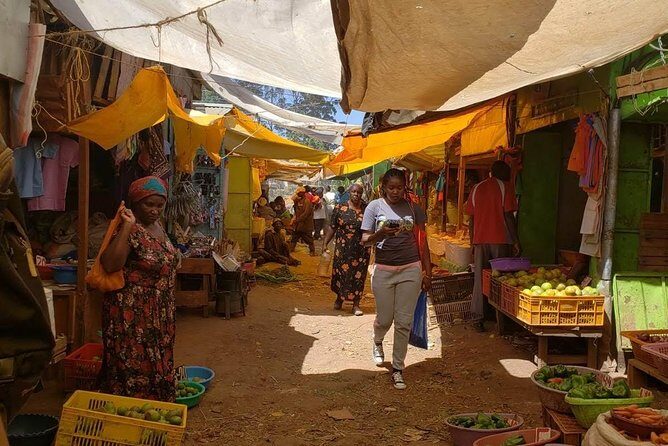
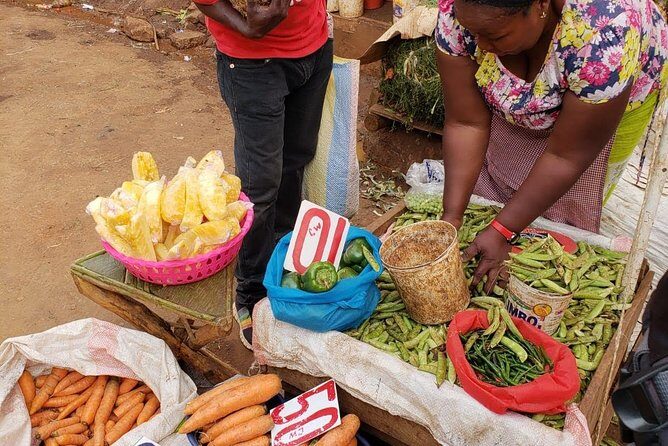
Your day begins at Mall Westlands, and then you head out to a local market to pick ingredients for your cooking session. This part matters more than you might expect. When you watch how people select vegetables, fruit, and staples, the recipe lessons later make more sense—you’re learning the “why,” not just the “how.”
You’ll ride a matatu, Nairobi’s shared minibus culture. Even if you’ve ridden public transport before, this is a small cultural crash-course: you’ll see how routes work, how locals move through the city, and how everyday conversation happens in a shared vehicle. It’s also a great warm-up for the main event—your senses wake up quickly when you step into the market with food as the focus.
In the market, you’re not just browsing. You’ll be able to interact with vendors and see fresh produce up close, which helps you understand what’s available and what looks best for cooking. Plus, shopping together cuts down on the guesswork. Instead of relying on a market list, you’re choosing ingredients in real time, based on what’s fresh that day.
A small practical tip: bring a little patience. Markets and matatus move at “local speed.” The payoff is that you’re participating in normal life, not staging a photo moment.
You can also read our reviews of more shopping tours in Nairobi


The cooking lesson at home: step-by-step, spice-forward, private
After the market, you travel to Josephine Rukaria’s home for the cooking. You’ll continue using a matatu for the move, which keeps the whole experience grounded in everyday transport rather than a sealed tourist bubble. At the home, you get the quiet advantage of being hosted in a real space—there’s time for questions and a slower rhythm than you’d find in a big class.
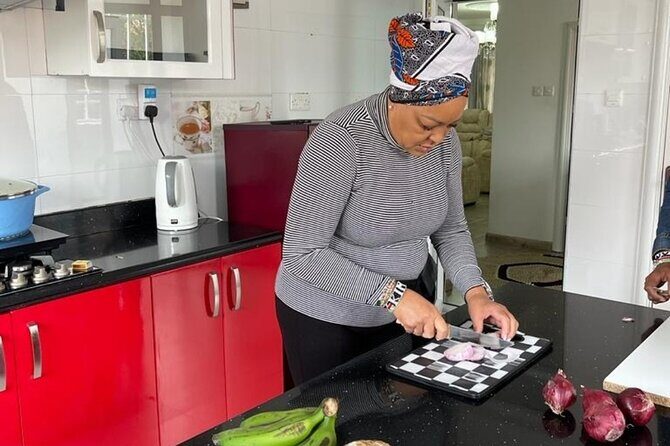
Josephine’s style is built around guiding you personally through each step. That one-to-one structure is the difference between learning a recipe you can copy once and learning techniques you can repeat later. She’ll show you how to handle spices firsthand and explain how flavors build as you cook.
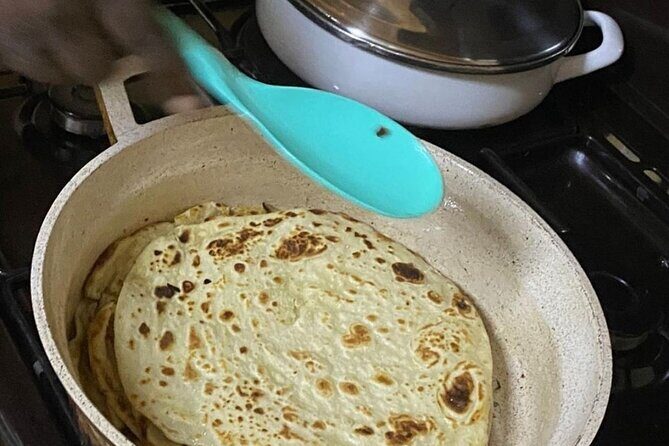
Expect to get your hands dirty. You’ll be cooking, not just tasting. That’s good news if you like doing—kneading, chopping, mixing, stirring, adjusting. It’s also worth knowing if you’re squeamish about mess; plan to wash up when you can and keep your day-to-day comfort in mind.
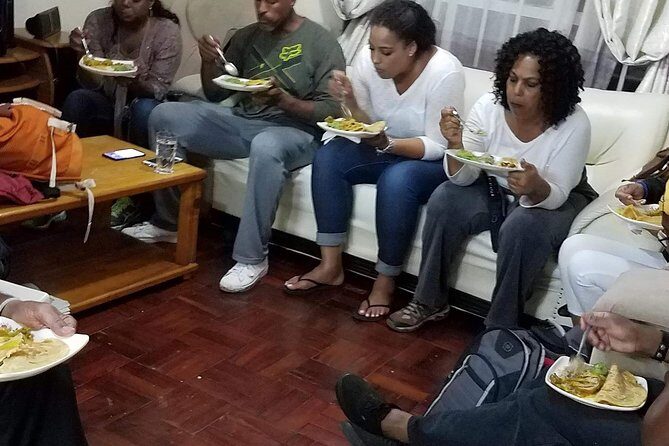
The home environment is described as peaceful and tranquil, with hospitality in an authentic setting. You’ll enjoy your meal privately with family, friends, and travelers from around the world, which creates a friendly mix without turning it into a loud show.
The five-course Kenya–Indian menu: curries, ugali, and more than one flavor lane
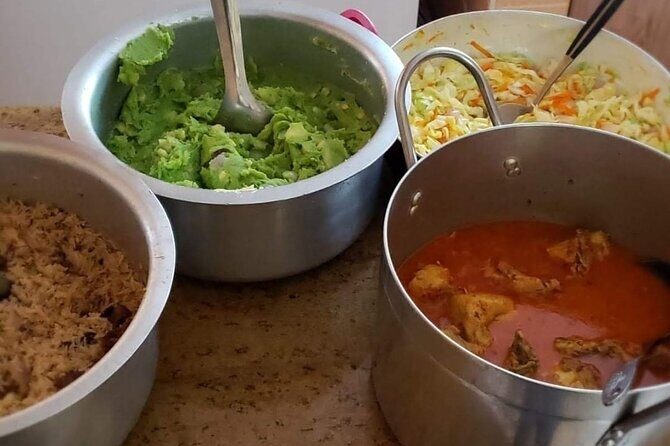
The centerpiece is a five-course meal that blends Kenyan cooking with Indian influences. The lesson includes dishes such as curries and ugali (cornmeal). Even if you’ve had ugali before, cooking it yourself changes everything—texture, timing, and how the meal comes together become real.
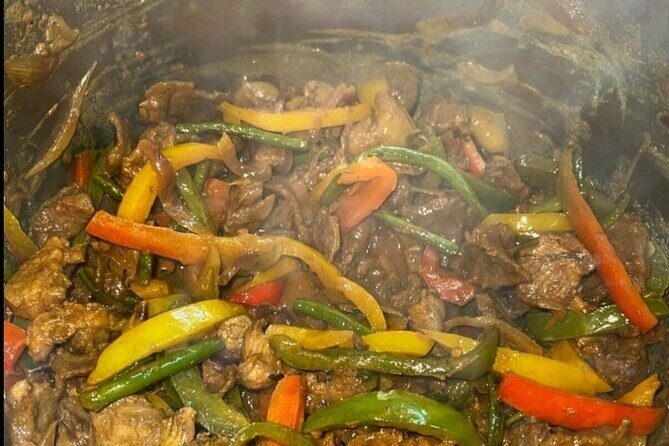
Curries are a natural fit for this kind of class because they teach more than one skill. You learn how spices behave under heat, how sauces thicken, and how you balance flavor layers. Then you connect those flavors to Kenyan staples and eating rhythms, so the meal feels cohesive, not random.
Ugali teaches a different kind of lesson: cornmeal is simple on paper, but it’s extremely sensitive to technique. You’ll see how the mixture moves from powdery to smooth, and why small changes in mixing and water matter. When you finish, you’ll understand why ugali sits at the center of many Kenyan meals.
Because the full course list isn’t spelled out here, I’d treat the menu as a structured five-course experience rather than a fixed checklist you can research line-by-line. What you can count on is the Kenyan/Indian mix, the hands-on cooking, and sitting down to eat what you made.
You’ll also have fruits included as part of the experience, plus water. Drinks like coffee and/or tea come with lunch, so you’re not just eating a heavy meal—you’re finishing in comfort.
What’s actually included (and why it improves value)
For $60 per person over about 4 hours, the value comes from combining three things that usually cost time and money separately: market shopping, transport, and real cooking instruction.
Here’s what’s included:
- Cooking equipment and the five-course Kenya/Indian meal
- Transportation to and from the market
- Water, fruits, lunch, and coffee and/or tea
- Bottled water
- No need to bring ingredients
This matters because your cost isn’t just paying for dinner. You’re paying for the whole arc: the ingredient hunt, the ride, the cooking skills, and the meal at the end. If you’ve ever booked a “cooking class” where you only chop one item and watch the rest, this setup is different. You’re participating with guidance, and the result is a full lunch you can actually enjoy.
Also, the private format helps. You’re not competing for attention in a large group where the teacher can only spot-check your work. With Josephine, you can ask questions mid-step, which is where most learning happens.
A small logistics note: there’s no hotel pick-up or drop-off, so your transportation to the start point is on you. If you’re already in Westlands or you can easily reach the meeting area using local transport, this is a simple trade-off.
Getting the most out of the matatu + market part
The matatu ride and market visit are not throwaway extras. They shape the cooking lesson because you see ingredients in their local context.
To get the best experience, go in with a “learn how people eat” mindset. Ask about what you’re seeing—what’s good right now, what people use for curries, which produce looks best for cooking. Even if your questions are simple, interaction with vendors is usually more productive than just photographing.
Wear practical clothes. Markets often have dust and lots of movement, and the cooking part comes next. You don’t need to dress like a chef, but you do want something you’re comfortable getting stained or splashed.
And because the class ends at David Osieli Road (not at a hotel), it helps to plan your return route before you go. The tour ends where the home is accessed, so you’ll likely rely on local transport after lunch rather than a pre-arranged car.
A few more Nairobi tours and experiences worth a look


Who should book this Nairobi market-and-cooking session
This is a strong fit if you:
- Want hands-on cooking with personal attention
- Like learning through real shopping, not just recipe steps
- Are curious about how Kenyan cooking and Indian spice traditions overlap
- Enjoy meeting locals in everyday settings, including on a matatu
It’s also a good choice for families. One important detail from the experience style: Josephine has experience cooking with children in the group setting, which suggests she’s comfortable adapting attention to different ages. If you’re traveling with kids, that can make a big difference in whether the lesson stays fun.
If you prefer strictly structured, no-mess activities, or if you strongly need hotel pick-up to reduce any stress, this may feel slightly inconvenient because you’ll handle your own travel to the start point.
Should you book? My practical call
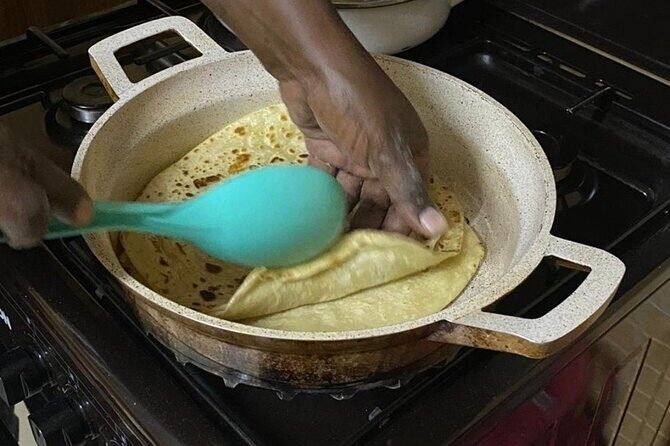
Book this Nairobi experience if you want more than a meal—you want the skill. The combination of matatu market shopping and private step-by-step cooking is a smart way to learn Kenyan and Indian-influenced flavors without guessing how to recreate them later.
Skip it only if you’re not comfortable making your own way to the start location or you need a highly sanitized, no-mess cooking format. Otherwise, this is an efficient use of a half day: you shop, cook, and eat, all guided by a teacher in a real home.
FAQ
What’s the duration of the experience?
It runs for about 4 hours.
Is this a private tour?
Yes. It’s a private session for just your group.
Where do we meet, and where does it end?
The start is at P.O. Box 66283, Nairobi, Kenya. The end point is David Osieli Road, Nairobi, Kenya.
Is hotel pick-up or drop-off included?
No. Hotel pick up and drop off are not included.
Do I need to bring cooking ingredients?
No. Ingredients are provided, and you’ll also have cooking equipment.
What will I eat during the class?
You’ll cook and then enjoy a five-course Kenya/Indian meal for lunch, including dishes such as curries and ugali. Fruits and drinks like coffee and/or tea are also included.
Can I cancel for a full refund?
Yes, you can cancel up to 24 hours in advance for a full refund. If you cancel less than 24 hours before the start time, the amount paid is not refunded.