REVIEW · NAIROBI
Traditional Kenyan Cooking Class & Local Market Tour
Book on Viator →Operated by Local Experience Tours · Bookable on Viator
Nairobi food has a story. This 3.5-hour experience blends market shopping, a real matatu public-transport ride, and cooking a traditional meal from scratch in a local home. It’s one of those trips where the food is the main event, but the route to the meal is the point.
I love that you start with real ingredients from a farmers market, not a predictable supermarket grab-and-go. I also like that it’s hands-on, so you can get your hands dirty making the meal, or simply watch and learn while you snack.
The only drawback to flag is that it depends on good weather, and you may need to adjust plans if conditions are rough.
In This Review
- Key Points You’ll Care About
- Why This Nairobi Cooking Class Starts in a Market
- Westlands Square Meeting Point: How Easy It Is to Start
- Farmers Market Shopping: Where Your Meal Gets Its Personality
- Matatu Experience: A Public Transport Ride That Feels Like Culture
- Cooking at the Host’s Home: Hands-On Kenyan Food Without the Guesswork
- What You’ll Eat, Dietary Options, and Why the “Carrying Food” Detail Matters
- Price and Time: Is $50 Worth It for Nairobi?
- Who This Tour Fits Best (and Who Might Want Something Else)
- Should You Book This Nairobi Market-and-Cooking Class?
- FAQ
- How long is the Traditional Kenyan Cooking Class and Local Market Tour?
- Where do we meet, and where does the tour end?
- Is the market stop required?
- Does the price include groceries?
- What dietary options are available?
- Can I carry the food I cook?
- What if the weather is bad or I need to cancel?
Key Points You’ll Care About
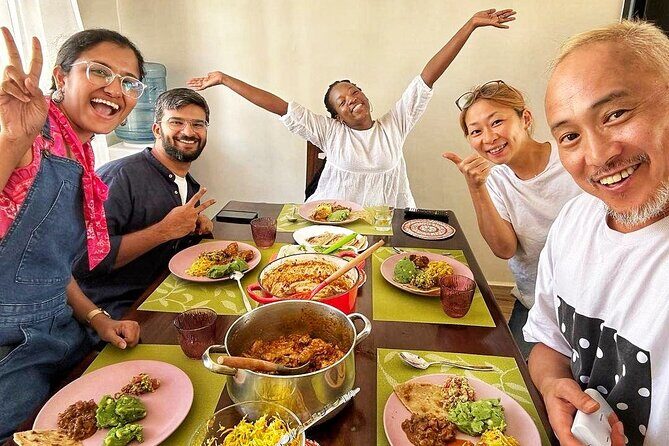
- Small group size (up to 15): easier conversation, less waiting, more time eating and learning.
- Matatu public transport included: a fun, loud, very Nairobi way to move around.
- Shopping is part of the price: groceries are included, so you’re not doing math mid-trip.
- You can participate or watch: hands-on cooking with room for different comfort levels.
- Dietary options available on notice: vegetarian, pescatarian, and gluten-free are supported with advance planning.
- Food to take home: after cooking, you can carry your meal with you.
Why This Nairobi Cooking Class Starts in a Market
If you’ve taken cooking classes before, you may have noticed a pattern: you arrive, you cook, you eat, and that’s it. This one changes the order on purpose. The meal starts with shopping, because Kenyan food is built around what’s fresh, local, and seasonal.
The market stop is your “why” moment. You’ll see the ingredients that later become your main dish and side. You’ll also learn how locals think about produce and flavor, not just how to chop it. It turns cooking into a story you can taste.
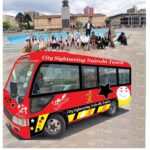
Then comes the matatu ride, and it’s not a polite, quiet sightseeing segment. Matatu culture is loud, crowded, and totally normal for Nairobi life. The host builds in safety and keeps things grounded, so you get the real experience without feeling like you’re taking reckless chances.
You can also read our reviews of more shopping tours in Nairobi


Westlands Square Meeting Point: How Easy It Is to Start
You’ll meet at Westlands Square, Ring Rd Parklands. That matters more than it sounds, because a lot of Nairobi tours fail at the first 10 minutes: unclear meet spots, long taxi hunts, or delays that throw off the schedule.
Here, the start is straightforward, and the tour runs about 3 hours 30 minutes. It also ends back at the meeting point, so you’re not left figuring out how to get home after you’re done eating.
The group stays capped at 15 travelers, which helps a lot during transitions. Market shopping, transport boarding, and kitchen time all go smoother when the group isn’t huge.
Farmers Market Shopping: Where Your Meal Gets Its Personality
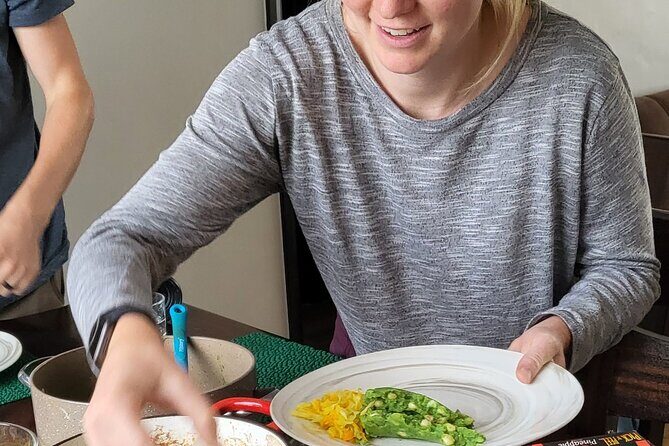
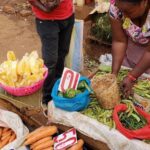
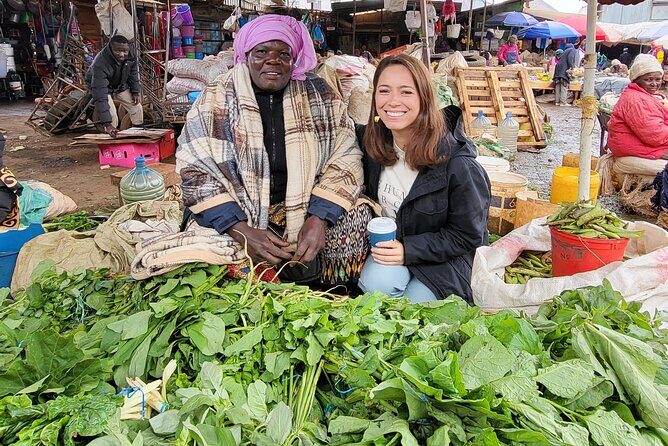
The farmers market portion is not window dressing. You’re doing grocery shopping for the meal you’ll cook after. The experience is built so you can interact with locals, see fresh produce up close, and understand what goes into a traditional plate.
Two things you’ll likely notice quickly:
- Freshness is obvious. Ingredients look and smell like they came straight from where they’re grown.
- Choices aren’t one-size-fits-all. You’re guided toward ingredients that make sense for the dish you’re making.
If you’re not in the mood to shop, you can skip this part. Still, the market stop is where you pick up the kind of context that makes the cooking feel less like following instructions and more like learning a way of feeding a family.
What to do with your time at the market:
- Ask questions while you’re there, especially about what you’re buying and how it affects flavor.
- Watch how your host handles choices. Small decisions in spice, cut, and ingredient quality make a big difference later.
Matatu Experience: A Public Transport Ride That Feels Like Culture
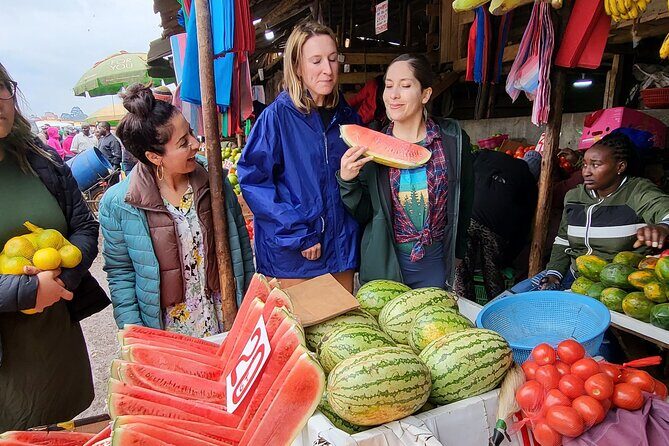
A matatu is Kenya’s public transport hustle. The car is shared, the energy is high, and the music can be blasting. That’s exactly why it’s included here.
This isn’t a “stand outside and watch” moment. You ride. You’ll get a real slice of day-to-day Nairobi life: how people move, how the city sounds, and how normal it all is once you’re in the flow. It’s also a surprisingly good way to break the tour into two halves. The market feeds your senses; the matatu ride resets your expectations and gets you thinking like a local commuter.
One practical consideration: matatus can be crowded and a bit chaotic. Bring patience. You’re not doing this for comfort; you’re doing it for understanding.
Cooking at the Host’s Home: Hands-On Kenyan Food Without the Guesswork
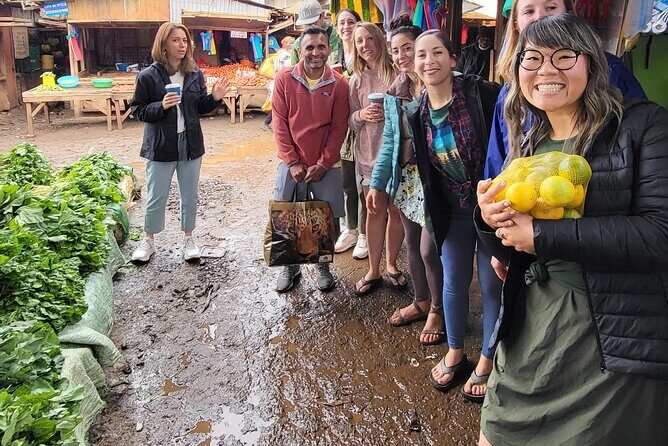
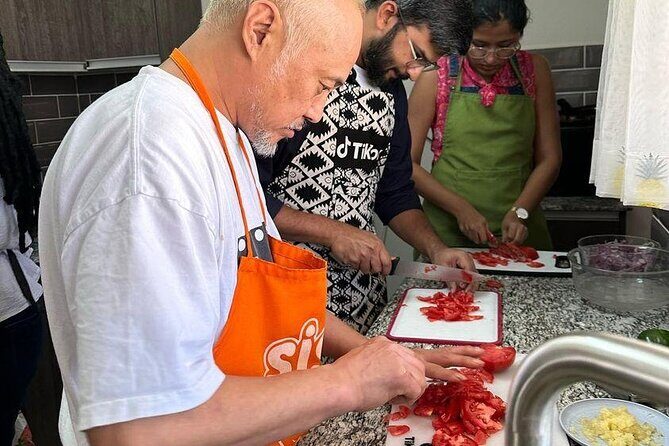
After shopping and riding into the neighborhood, you’ll head to the host’s home for the cooking portion. This is where the tour earns its name: traditional Kenyan cooking, made from scratch, with a main dish plus a veggie side.
The session is designed to keep you involved. Your host encourages you to get involved with the meal prep, but it’s not forced. If you’d rather watch, you can. You’ll still learn, because your host explains what you’re cooking and why.
You should expect a few big moments in the kitchen:
- Ingredient prep based on what you bought at the market
- Cooking the main dish
- Making a side dish with veggies
- Then eating together over casual conversation
A big value here is that the meal doesn’t feel theoretical. You’re not cooking from a photo menu. You’re using ingredients you just saw and selected. That link between market and kitchen is what turns this from a “class” into a cultural experience.
Also, this matters for comfort: the cooking location has lifts and is wheelchair accessible, so you’re less likely to hit stairs-and-stress problems during the visit.
A few more Nairobi tours and experiences worth a look

What You’ll Eat, Dietary Options, and Why the “Carrying Food” Detail Matters
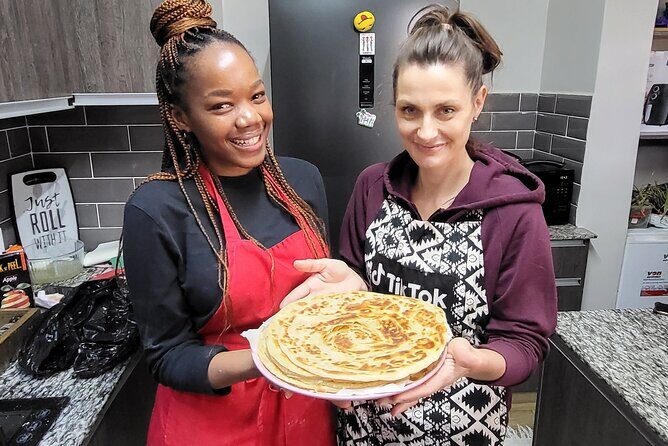
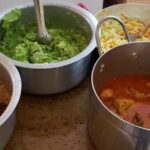
This tour focuses on one complete Kenyan meal: a main dish and a side dish with veggies. Afterward, you can carry what you prepared. For many visitors, that turns lunch into a practical win: you don’t need to immediately hunt for more food later, and you can share what you made.
Dietary options are available if you request them when booking. The tour notes support for vegetarian, pescatarian, and gluten-free options on notice. That’s important because it tells you the host is planning around your needs, not just doing last-minute substitutions.
If you’re sensitive about gluten or eating styles, message ahead rather than assuming it’ll be handled on the fly. With cooking-from-scratch, small changes often need real planning.
Price and Time: Is $50 Worth It for Nairobi?
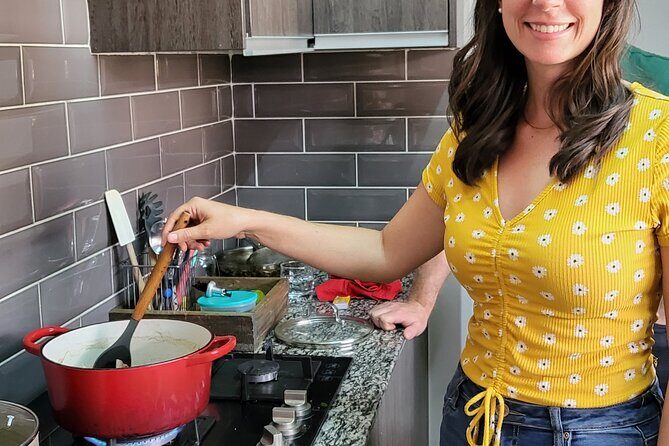
At $50 per person, you’re paying for three linked experiences in about 3.5 hours: market shopping, matatu transport, and a cooking session at a local home. The price also includes grocery shopping, which is a real part of the value equation.
Here’s how I think about it if you’re deciding:
- If you only paid for cooking class, you’d still need ingredients and a local guide for context.
- If you only did market tour + transport, you’d miss the key step: turning ingredients into a meal.
- This combines both, and that saves time and effort. It’s also more meaningful than doing these activities separately, because the host ties everything together.
The tour is frequently booked about 30 days in advance on average. If your dates are fixed, try to book earlier rather than later.
Who This Tour Fits Best (and Who Might Want Something Else)
This works best if you:
- Want authentic Nairobi life through food, not just photos
- Like learning while doing things, even if you’re a bit nervous about cooking
- Enjoy public transport experiences that feel real, like the matatu ride
- Prefer a smaller group size (max 15)
It might be less ideal if you:
- Hate crowded public-transport settings (matatu rides can be intense)
- Want a strictly formal cooking workshop with zero interaction and zero neighborhood context
- Are only interested in eating and would rather avoid the market portion (though you can skip that part)
Should You Book This Nairobi Market-and-Cooking Class?
I’d book it if you want a Nairobi experience where the food is connected to daily life. The combination of market shopping, a real matatu ride, and cooking at a local home is exactly the kind of day that helps you feel like you saw more than just sights.
Book it sooner if you can, since it sells out around a month out and the group is limited to 15. If you have dietary needs, plan ahead and request them on notice. If you want a fun, hands-on way to understand Kenyan cooking, this is a strong pick.
FAQ
How long is the Traditional Kenyan Cooking Class and Local Market Tour?
It runs about 3 hours 30 minutes (approximately). The experience includes market shopping (which you can skip if you want) and then a cooking session at the host’s home.
Where do we meet, and where does the tour end?
You meet at Westlands Square, Ring Rd Parklands, Nairobi. The tour ends back at the same meeting point.
Is the market stop required?
No. The market visit is included, but the tour says you can totally skip grocery shopping if you are not feeling up to it.
Does the price include groceries?
Yes. The price includes grocery shopping for the meal you’ll cook.
What dietary options are available?
Vegetarian, pescatarian, and gluten-free options are available if you provide notice when booking.
Can I carry the food I cook?
Yes. After the experience, you can carry the foods you prepared.
What if the weather is bad or I need to cancel?
The experience requires good weather. If it’s canceled due to poor weather, you’ll be offered another date or a full refund. You can cancel for a full refund up to 24 hours before the experience starts; within 24 hours, there’s no refund.