REVIEW · NAIROBI
Nairobi: Elephant Orphanage Trust and Giraffe Center Tour
Book on GetYourGuide →Operated by Rustic Nature Tours Ltd. · Bookable on GetYourGuide
Giraffes first. Elephants next. In one Nairobi morning. This giraffe-and-elephant day packs two of Kenya’s best-known wildlife stops into a tight schedule, with hands-on giraffe feeding from a raised wooden platform and a guided visit to the Daphne Sheldrick Elephant Orphanage during the short daily window. I also like that the elephant session is built around seeing bottle-feeding and the keepers’ work up close. One thing to plan for: the statutory conservation park fee at the gate is not included, and you must pay it online through E-citizen (no cash accepted).
The tour also has a human side that I really appreciate. A guided stop at Kobe Beads lets you see how bead and leather work is made while supporting income for single mothers from poorer neighborhoods. And if you land with guides like Faith, Kelvin, Zach, or Meshack, you’re set up for a smooth day with on-the-dot timing and smart help choosing where to stand for the best views.
In This Review
- Key things worth knowing
- How this Nairobi wildlife loop runs in real life
- Giraffe Centre: hand-feeding Rothschild giraffes and the bird sanctuary walk
- Daphne Sheldrick Elephant Orphanage: the one-hour baby elephant session
- Kobe Beads & leather: watching single mothers make income through bead work
- Utamaduni Craft Centre and lunch: a break that keeps the day moving
- Price and logistics: what’s included, what’s extra at the gate
- Getting the best views: how the guide can shape your whole day
- Should you book this Nairobi Elephant and Giraffe Tour?
- FAQ
- FAQ
- What is the duration of the Nairobi Elephant Orphanage and Giraffe Centre tour?
- Where are the pickup and drop-off locations?
- What do I get to do at the Giraffe Centre?
- When is the elephant orphanage visit available?
- Is lunch included in the price?
- What’s included in the tour price?
- What is the elephant orphanage conservation park fee, and how do I pay it?
- Are pets allowed on the tour?
Key things worth knowing
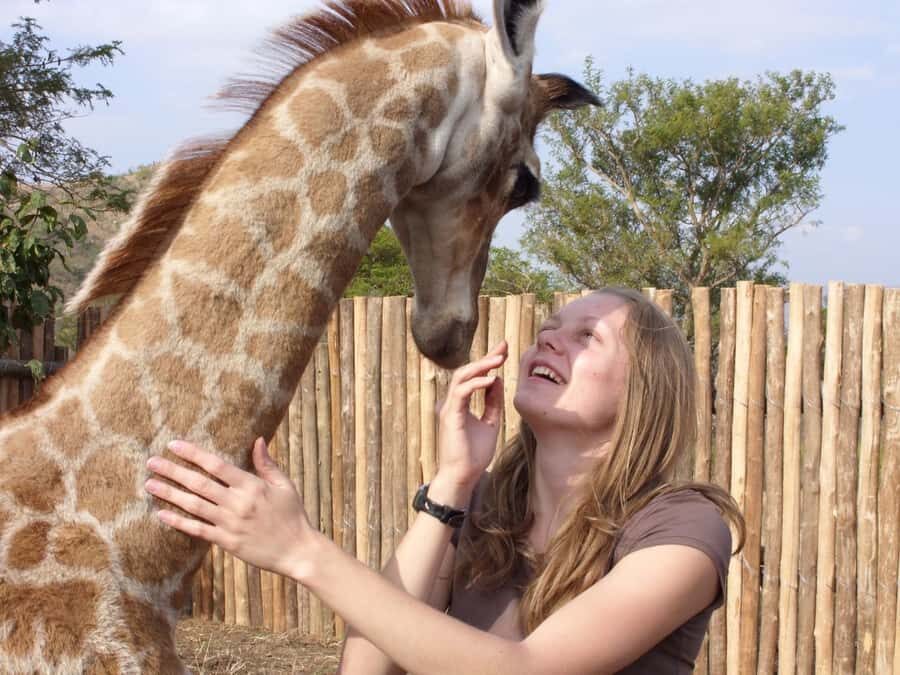
Rothschild’s giraffes are hands-on here with feeding from a raised wooden structure
Elephant orphanage visit is time-limited to the daily 11 am to 12 noon session
You get guided help where it matters for viewing, photo spots, and pacing
Kobe Beads is part of the value, not an afterthought with a complimentary maker’s tour
Pickup and drop-off options are flexible across central Nairobi areas
Comfort wins: you’ll want sturdy, comfy shoes for the short walks and viewing areas
How this Nairobi wildlife loop runs in real life
This is a very practical kind of Nairobi tour: you don’t need to rent a car, fight traffic between attractions, or worry about timing once you’re picked up. You get a private group and a live English-speaking guide, plus bottled mineral water in the vehicle. The “6 hours” matters too, because two of the stops depend on specific visitor hours, especially the elephant orphanage.
Pickups are available in several Nairobi areas (Nairobi Central, Westlands, Karen, Parklands, Embakasi, plus Nairobi Central again depending on the exact option), and you’ll also be dropped back in one of the listed zones. That means less time stuck in transit and more time actually watching animals and learning what the projects are doing.
About the price: $97 per person is reasonable if you look at what’s bundled. You’re covered for entry to the Giraffe Centre and the David Sheldrick Elephant Orphanage, and the bead-factory tour is complimentary. Where the budget can change is the statutory conservation park fee you pay separately at the gate (more on that later).
One more note for your expectations: this is a city-based day. You’re not doing a long safari drive or tracking animals in the wild. Instead, you’re seeing conservation work and animal care in a focused way, with guides who know how to keep you on schedule.
You can also read our reviews of more tours and experiences in Nairobi.



Giraffe Centre: hand-feeding Rothschild giraffes and the bird sanctuary walk
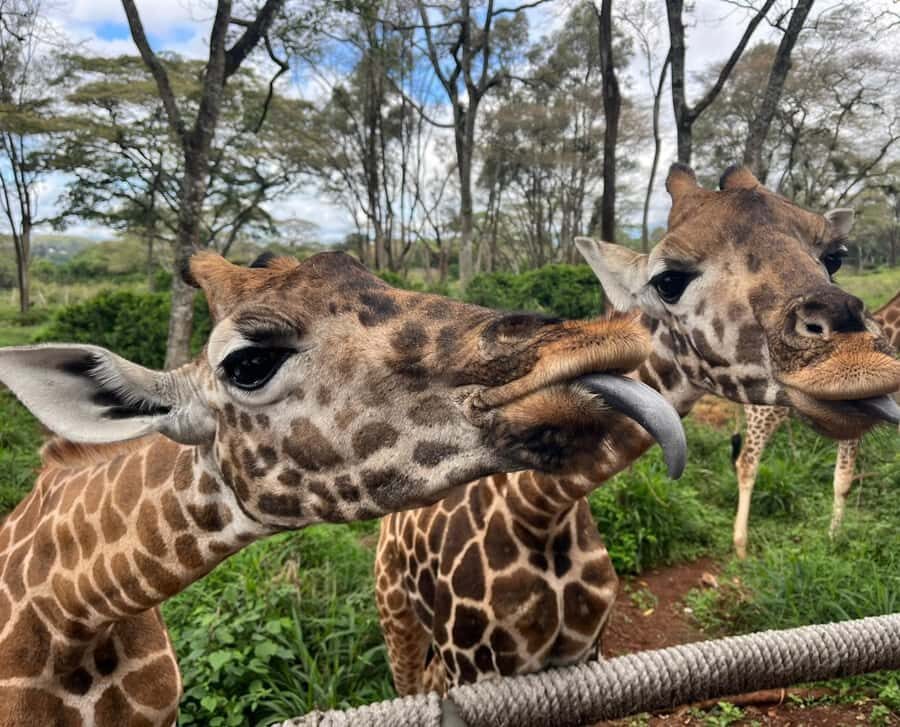
The day starts with the Giraffe Centre, and that’s a smart choice. You’re fresh, the light is often kinder for photos, and you get your hands-on moment early while the area is still less crowded.
This center focuses on the highly endangered Rothschild’s giraffe. You watch and learn from trained staff, then get the chance to handfeed the giraffes from a raised wooden platform. The raised setup is key. It lets you feed safely, while also giving you an easier view for photos without constant jockeying.
What I’d tell you to look for: small details in behavior. Giraffes can be gentle and curious, but they also move fast when they decide they want more attention. Your guide can help you time your steps at the platform, so you’re not fumbling while the staff are trying to keep the feeding smooth.
Beyond giraffes, you might spot warthogs snuffling around in the mud. Even if you don’t see them, the presence of other animals keeps the visit feeling alive, not just like a single feeding moment.
There’s also a self-guided walk area adjacent to the Gogo River Bird Sanctuary. It’s not a “big hike” type of stop, but it’s a nice stretch of your legs and an easy way to reset after the feeding portion. If you like bird spotting, you’ll probably enjoy the extra time here.
One more reason this stop feels meaningful: you’ll hear why conservation matters for Rothschild’s giraffes. The center connects its work to the wider African Fund for Endangered Wildlife effort that has been active since 1979, when only about 120 Rothschild’s giraffes remained in the wild. That context helps your giraffe encounter feel less like a zoo-style moment and more like part of a long-term recovery effort.
Daphne Sheldrick Elephant Orphanage: the one-hour baby elephant session
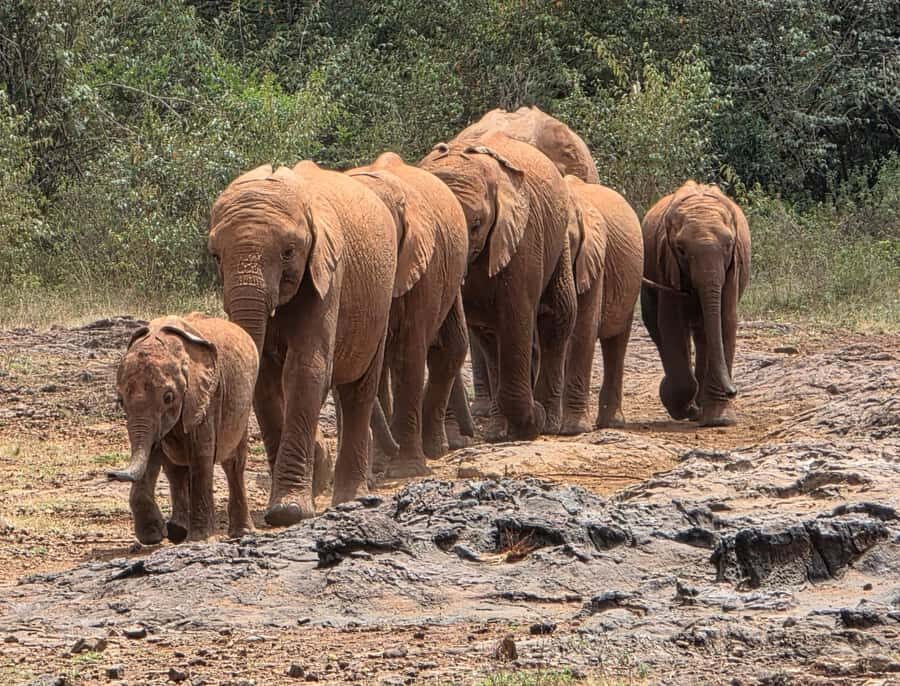
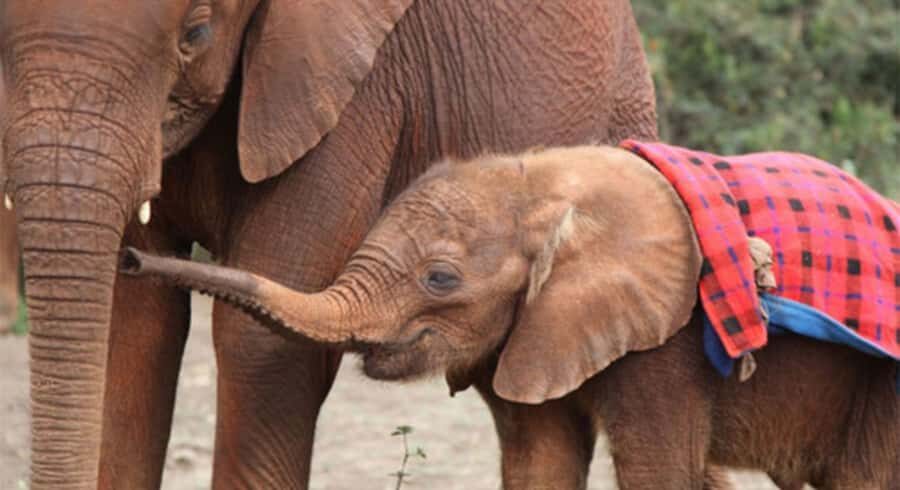
Next is the elephant stop: the David Sheldrick Elephant Orphanage. This part is built around one very short daily visitor window—11 am to 12 noon—so timing isn’t just nice to have. It’s everything.
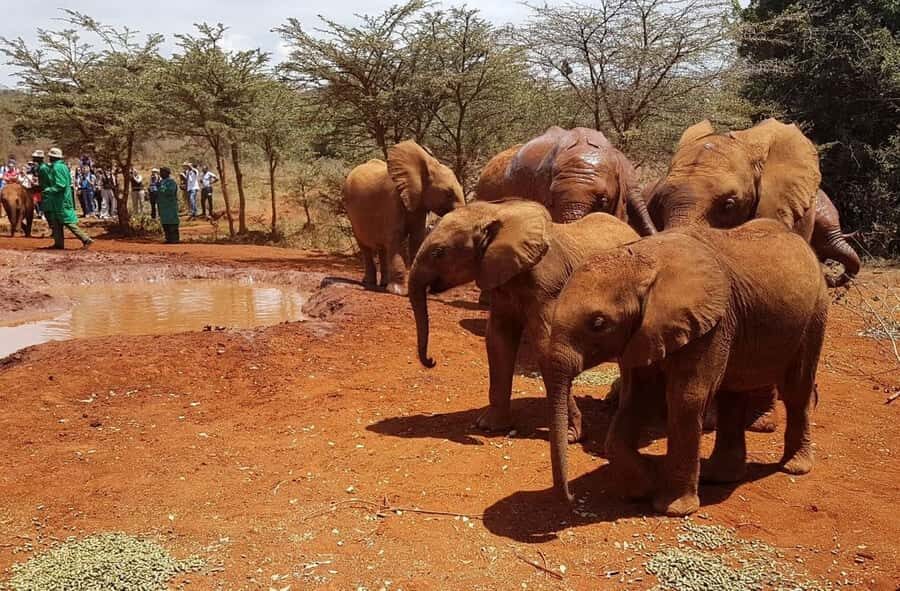
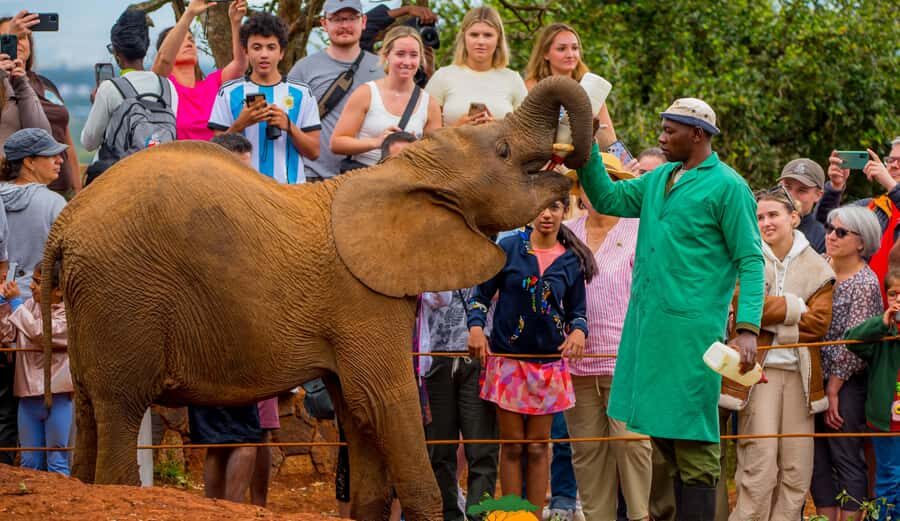
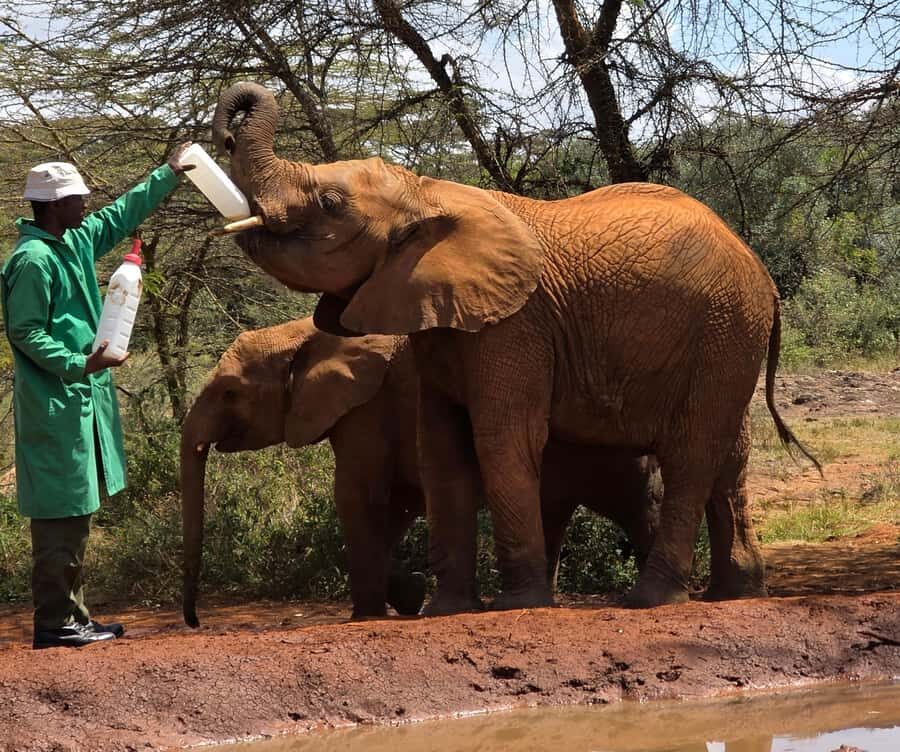
The tour is designed to get you there for the session, and that’s one of the biggest practical advantages of booking a guided day rather than trying to plan it on your own. When you’re on time, you get the full guided experience: keepers and experienced staff explain the conservation and care work, and you get the chance to observe the baby elephants as they settle into their routine.
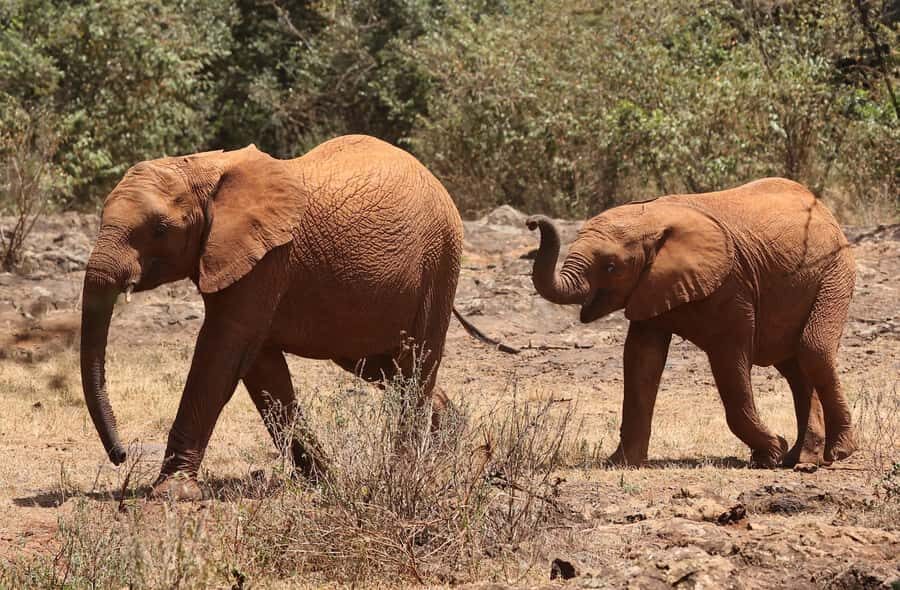
What you’ll see during the visit often includes bottle-feeding moments, plus relaxed behavior like playing and sand baths. In the heat of the day, mud bathing is also part of how they cool down. It’s messy-looking in the best way, and it usually gives your camera a few moments of action beyond just standing and staring.
Photography is a highlight here. You’ll have a good chance to capture baby-elephant moments, especially when the keepers guide you on where to stand. If you’re the type who gets stuck overthinking camera angles, ask your guide for positioning early—good viewing spots get taken quickly once the session starts.
You’ll also learn about the orphanage’s role in elephant conservation in Kenya. That matters because this isn’t only about seeing elephants up close; it’s about understanding what happens to them afterward and why each baby case supports long-term survival.
Then there’s the adoption and sponsorship option. During the visit, you can choose to adopt or sponsor one of the orphaned baby elephants. It’s optional, but it gives you a concrete way to turn the experience into ongoing support.
Kobe Beads & leather: watching single mothers make income through bead work
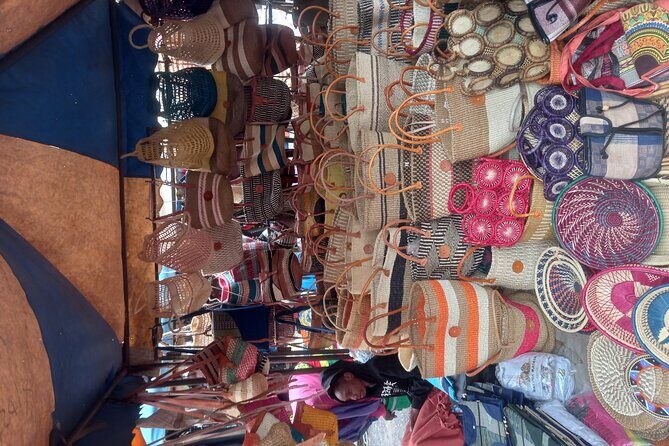
After elephants, you head to Kobe Beads and leather (often referred to as Kobe Tough beads & leather). This is one of those stops that’s easy to underestimate if you think it will be a quick shop stop. It isn’t. You get a guided, complimentary beads tour, and you’ll see the stages of bead making from start to finish.
The big value here is the people behind the products. The factory employs single mothers from poorer neighborhoods, helping them earn an income to support their families. That shifts the tone of the visit. You’re not just buying souvenirs. You’re seeing how work is structured and why these skills matter.
I like this stop because it changes pace. After animal-focused time, you get something tangible and human. It also gives you a way to bring something home that has a real story attached.
If you enjoy crafts, this is also a great moment to watch for technique—how beads are shaped, prepared, and assembled. The process is part of the value, even if you don’t end up buying a lot.
If you do shop, do it with your eyes open. Think of it as supporting the project while also picking out something you’ll actually use or display back home.
Utamaduni Craft Centre and lunch: a break that keeps the day moving
Lunch happens around the craft-center stop. Food and drinks aren’t included, so you’ll need to plan to pay for lunch yourself when the day turns toward eating. The tour description frames this as either a drive to a local restaurant or time connected with Utamaduni Craft Centre, with about an hour set aside.
In practice, that hour is also your reset time. By then you’ve had giraffes, then a structured elephant session, and your brain is likely thinking about photos, questions, and what you’ll write in your memory journal later. Having a built-in break helps you enjoy lunch rather than rushing it.
If you want a quick strategy: eat something local and filling, and keep water nearby. The day is short, but Nairobi sun and walking add up fast.

Price and logistics: what’s included, what’s extra at the gate
Let’s break down the money in a straightforward way.
Included in the $97:
- Free hotel pickup and drop-off within the listed Nairobi zones
- Bottled mineral water
- Entry/admission for the Giraffe Centre
- Entry/admission for the David Sheldrick Elephant Orphanage
- A complimentary beads tour
Not included:
- Food and drinks during the day
- A statutory conservation park fee to access the elephant orphanage area paid at the gate via the E-citizen platform (no cash accepted)
- Adult: $80
- Child (45): $80 child (listed as 45)
That fee can change your real total quickly, so I’d budget with it in mind from the start. If you’re paying for two adults, for example, the park fee alone can rival the tour price. The good news is you’re paying it for the specific access required for the orphanage session.
Timing logistics are the other practical piece. Since the elephant orphanage visit is tied to a single one-hour window, you’ll want to treat pickup times seriously. If you’re late getting to the vehicle, you can throw off the schedule for a stop that doesn’t have much flexibility.
Bring comfortable shoes. There’s a mix of standing and short walking, plus viewing areas where good footing helps.
One more thing: pets aren’t allowed. If you’re traveling with animals (which is uncommon for this kind of day), you’ll need to make other arrangements.
Getting the best views: how the guide can shape your whole day
This tour’s success hinges on the guide doing the unglamorous work: keeping you on time and steering you toward the best viewing moments. The names you may hear in the guide lineup—Faith, Kelvin, Zach, and Meshack—show a pattern of what matters most: prompt service, clear answers, and a knack for knowing when to move before the area gets crowded.
Here are a few practical ways you can get more from your day:
- Ask early where the best places are for giraffe feeding photos and where you should stand for the most comfortable angle.
- For elephants, ask your guide how long you’ll have at each viewing area and whether there’s a “best moment” when keepers position the babies for viewing.
- If your camera gear is bulky, tell your guide up front so they can help you plan when to handle it.
- Keep your expectations realistic: this is a one-day loop with conservation education, not a long-wildlife day where you roam freely until you find something.
If you do that, you’ll spend less time managing your own logistics and more time actually watching.
Should you book this Nairobi Elephant and Giraffe Tour?
I’d book it if you want a focused, guided Nairobi conservation day with real animal moments and a meaningful community stop. The giraffe feeding from the raised platform plus a structured, keeper-guided elephant session during the 11 am to 12 noon window is a strong combo, especially if you’re short on time and you don’t want to manage separate tickets and timing on your own.
I’d think twice if your schedule can’t handle a strict elephant-hour window, or if the extra statutory conservation park fee at the gate would make the total cost uncomfortable. Also, since the tour is described as wheelchair accessible but also marked not suitable for mobility impairments, I’d confirm conditions that matter to you before booking—especially how much walking and standing you’ll need at the viewing areas.
FAQ
FAQ
What is the duration of the Nairobi Elephant Orphanage and Giraffe Centre tour?
The tour lasts 6 hours.
Where are the pickup and drop-off locations?
Pickup options include Nairobi Central, Westlands, Karen, Parklands, Embakasi, and Nairobi (Central again depending on option). Drop-off locations match the listed Nairobi areas: Nairobi, Nairobi Central, Westlands, Karen, Parklands, and Embakasi.
What do I get to do at the Giraffe Centre?
You’ll enjoy a guided tour and wildlife viewing, with time to observe and handfeed Rothschild’s giraffes from a raised wooden structure.
When is the elephant orphanage visit available?
The guided elephant orphanage session is between 11 am and 12 noon daily.
Is lunch included in the price?
Food and drinks are not included. Lunch is mentioned as part of the day’s schedule, but you’ll pay for it yourself.
What’s included in the tour price?
The price includes free hotel pick up and drop off, bottled mineral water, entry/admission for the David Sheldrick Elephant Orphanage and the Giraffe Centre, and a complimentary beads tour.
What is the elephant orphanage conservation park fee, and how do I pay it?
A statutory conservation park fee is required to access the elephant orphanage and is paid at the gate through the E-citizen platform. No cash is accepted. The listed fees are Adult $80 and child $45.
Are pets allowed on the tour?
No, pets are not allowed.