REVIEW · NAIROBI
Nairobi Cultural Shopping Experience
Book on Viator →Operated by African Beast tours and safaris · Bookable on Viator
If you want souvenirs fast, this helps. It’s a guided shopping route through a few strong makers and markets in Nairobi, so you’re not wandering with a map and guessing what’s good. You’ll browse traditional African fabric, ornaments, sculptures, and artwork, with a driver there to help translate when you need it.
Two things I really like about this setup are the hassle-free hotel pickup/drop-off and the chance to shop where items are made, not just where they’re resold. The Kazuri stop is especially meaningful, because you’re seeing ceramic beads and pottery made from clay, tied to a larger story of employment and community. One thing to consider: you’re working on a fixed route for about 4 to 5 hours, so you won’t have unlimited time to compare every shop in town, and drinks are not included.
In This Review
- Key highlights worth your attention
- Why This Nairobi Shopping Tour Makes Sense for First-Timers
- Utamaduni Craft Centre in Langata: A Calm Start to Souvenir Shopping
- Kazuri Beads Factory: Ceramic Beads and Pottery With Real Community Meaning
- Galleria Mall and the Galleria Maasai Market: Quick, Mix-and-Match Souvenirs
- Translation Help and a Smarter Shopping Plan (So You Don’t Waste Time)
- The Souvenir Mix: Crafts From Multiple Kenyan Cultures
- Price and Time: Getting Real Value From a 4 to 5 Hour Route
- Who Should Book This Nairobi Cultural Shopping Experience?
- Should You Book This Tour?
- FAQ
- What is the duration of the Nairobi Cultural Shopping Experience?
- What time does the tour start?
- Is hotel pickup and drop-off included?
- Are drinks and beverages included?
- Is the tour private?
- Can I cancel for a full refund?
Key highlights worth your attention
- A shortlist of three solid shopping stops instead of hours of research
- Driver help with translation when language is a barrier
- Kazuri Beads Factory: learn how ceramic beads and pottery are made from clay
- Utamaduni Craft Centre in the leafy Langata area for easy, focused browsing
- Galleria Maasai Market for variety and chances to practice bargaining
- Private tour for your group, with hotel pickup and drop-off included
Why This Nairobi Shopping Tour Makes Sense for First-Timers
This is the kind of tour that saves your energy. Nairobi has plenty of shopping, but if you only have a half-day, you’ll do better with a plan. This one builds that plan for you: three stops, each geared toward souvenirs, with a driver/guide to keep things moving and help with translation.
The price is also worth thinking about. At about $25.65 per person for a 4 to 5 hour experience, you’re paying for the structure—transport, guidance, and time-savings—plus access to places that are free-entry for at least two of the stops listed. And because you get pickup and drop-off, you’re not spending your day zigzagging across the city with heavy bags and uncertain directions.
One more practical detail: you’ll receive a mobile ticket, and it’s booked about 17 days in advance on average. That matters because it keeps things predictable—especially when you’re planning around other Nairobi visits.
You can also read our reviews of more shopping tours in Nairobi



Utamaduni Craft Centre in Langata: A Calm Start to Souvenir Shopping
Your first stop is Utamaduni Craft Centre, timed for about an hour. It’s located in Langata, described as a leafy suburb, and that setting makes a difference when you’re trying to shop without feeling rushed or overwhelmed. The listed admission is free here, which is a nice bonus for your wallet.
What I like about starting at Utamaduni is the tone: it’s built for browsing. You can take your time looking at the kinds of items that make souvenirs feel personal—handcrafted pieces like ornaments and artwork, plus the broader world of African design. Since the goal of the whole tour is variety (including goods tied to multiple Kenyan cultures), this first stop helps you set a “taste profile” quickly. After you see what you genuinely like, the rest of the tour becomes easier.
A small drawback you should plan for: one hour is a good sampler, but it’s not long enough to become an expert in every item category. If you’re the type who likes to compare many versions of the same craft, keep an eye on your priorities early—fabric, sculpture, jewelry, or art—and don’t let everything blur together.
Kazuri Beads Factory: Ceramic Beads and Pottery With Real Community Meaning
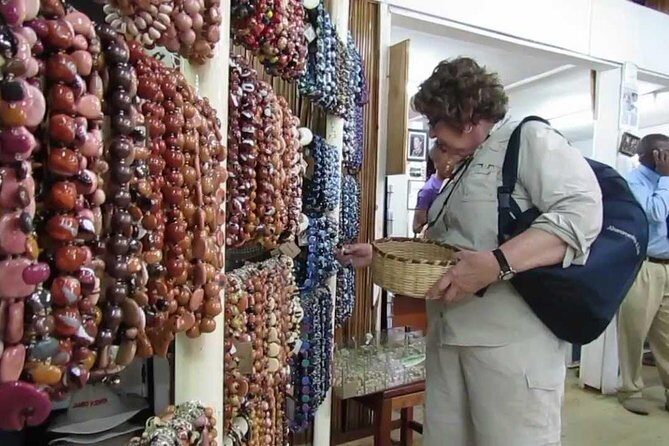
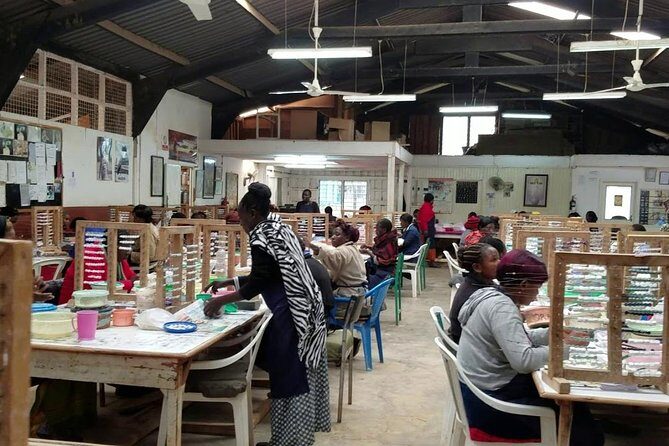
The Kazuri stop is the heart of the experience for many people—and for good reason. You’ll spend about an hour here at the Kazuri Beads Factory, and the focus is on making jewelry and pottery from clay. Even if you don’t buy anything right away, this is the kind of place where you start understanding what you’re holding.
Kazuri’s name means small and beautiful in Swahili, and the company began in 1975 as a tiny workshop experimenting with hand-crafted ceramic beads. The backstory is part of what makes the stop feel more than transactional. The founder started with two single motherhood women, and soon realized there were many more women in nearby villages who needed steady employment. So when you see beads and pottery being made, you’re also seeing how craft connects to work and community stability.
Some reviews also point to performances—dancing and singing by women and orphans associated with the bead-jewelry world. That kind of cultural moment changes the atmosphere from showroom to lived experience. If that happens during your visit, it’s worth slowing down and taking it in. It helps you remember that these aren’t mass-produced items pulled off a shelf.
What you should do at Kazuri:
- Give yourself time to look at how the clay becomes beads, and how the pieces are finished.
- Ask the driver/guide to help with any details you care about—materials, what makes one piece different from another.
- Decide what kind of souvenir you want most: wearable jewelry, a decorative bead item, or pottery.
One note: because you’re shopping at a production-style site, selection can feel different than a typical market. You may see fewer “random impulse” items and more of the crafts they specialize in. That’s not bad—it just means you should lean into what Kazuri is known for.
Galleria Mall and the Galleria Maasai Market: Quick, Mix-and-Match Souvenirs
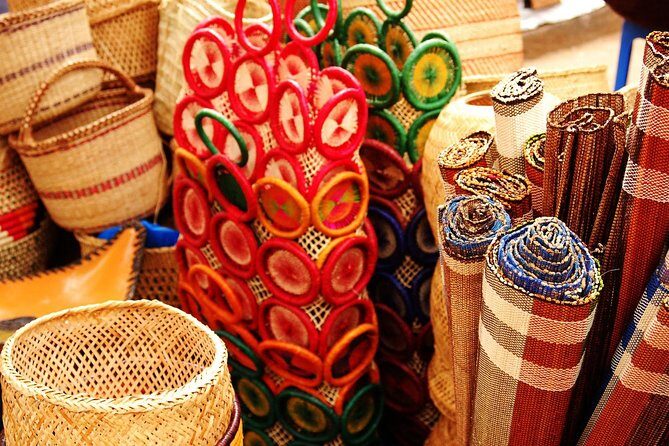
After the clay-and-beads focus, you head to Galleria Mall, where the Galleria Maasai Market is part of the shopping mix. This stop runs about an hour, and it’s where you’ll likely find a wider spread of traditional-style souvenirs suited to quick decisions.
The tour description highlights that this is a great place to practice bargaining skills. Even if you’re not a hard negotiator, bargaining can be part of the cultural interaction. The key is to approach it politely and with a clear sense of your budget before you start comparing prices.
Because you’re in a mall environment for this stop, it can be a helpful change of pace after the more workshop-style feel of Kazuri. You’re more likely to find items that are easy to carry, gift, and pack—things like ornaments and smaller artwork, which can be ideal if you’re flying home and need to manage weight.
What to watch for here: since this is a market setting, items may vary in style and quality. The driver/guide can help you communicate and understand what you’re being offered, but you’ll still want to inspect details closely—especially with carvings, beadwork, and painted pieces.
Translation Help and a Smarter Shopping Plan (So You Don’t Waste Time)
The biggest practical advantage is that this tour isn’t just driving you between stores. The driver is there to help with translation, which can turn a stressful “I don’t know what I’m looking at” situation into a calm conversation. That matters a lot in shopping, because the difference between an okay buy and a great buy often lives in the details.
Here’s the shopping rhythm I recommend for a route like this:
- Pick a souvenir type early (fabric item, jewelry, pottery, sculpture, or artwork).
- At each stop, do a quick scan, then ask one good question you genuinely care about—what it’s made from, what it’s used for, or how it relates to Kenyan craft.
- Only after you’ve seen two stops, decide where you’ll actually spend your money.
This matters because the tour includes both factory craft and market craft. So you’re not locked into buying at the first place you like. You can compare the look and feel of items and make a more confident choice.
Also, traveling with a driver means you don’t have to carry heavy bags all day. That’s a quality-of-life win, especially if you plan to shop seriously and not just pick up one small gift.






The Souvenir Mix: Crafts From Multiple Kenyan Cultures
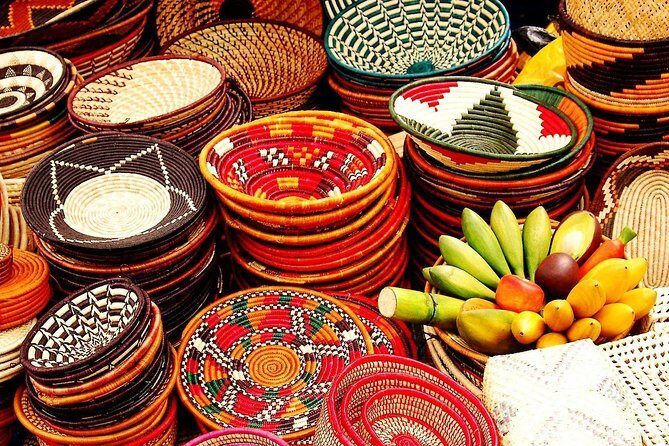
One reason this tour feels different from a single-shop day is the promise of variety. The highlights note that you’ll be seeing goods made by the 42 cultures of Kenya. That doesn’t mean everything you see will be from all 42 cultures at once—it means the tour is designed to bring you a broad sampling of what Kenya’s craft world looks like.
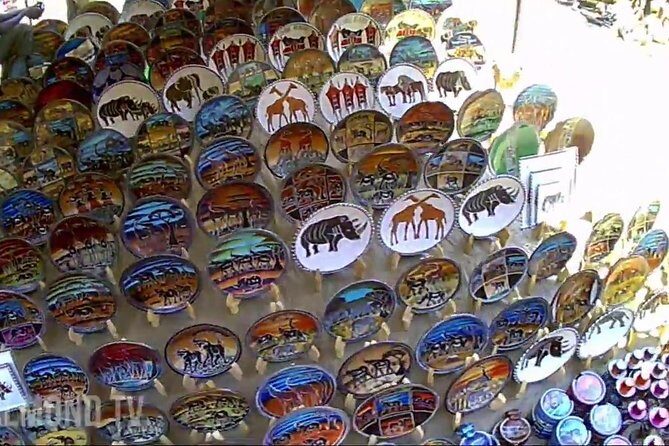
You’ll also encounter multiple categories: traditional African fabric, ornaments, sculptures, and artwork, plus the handmade bead and pottery focus at Kazuri. That mix is ideal if you’re shopping for different people with different tastes—someone might love wearable jewelry, while another person prefers a wall piece or a small decorative item.
If you want souvenirs that tell a story, this route helps. Kazuri connects craft to community employment. Utamaduni gives you a first look at artisan-style design. The Maasai market adds a different texture—something more market-led and easy to browse.
Price and Time: Getting Real Value From a 4 to 5 Hour Route
At $25.65 per person, this tour is priced like a local-guided experience, not a luxury shopping excursion. The value comes from what you’re getting:
- Hotel pickup and drop-off (less time lost to transport)
- A driver/guide who helps with translation
- A structured 4 to 5 hour route through three meaningful stops
- Free admission for at least the first two stops listed
The one cost you should plan for is obvious: souvenirs. Items are available for purchase, but they’re not included in the price. Drinks and beverages also aren’t included, so plan to handle water and snacks however you prefer.
The pace is the trade-off. You’ll move efficiently, and you’ll cover three shopping environments, but you won’t have hours and hours to obsess over every price point. If you’re a serious bargain hunter who wants to spend your whole afternoon negotiating, you might feel slightly time-limited. If you want a guided sampler and a confident souvenir haul, this is a strong match.
Who Should Book This Nairobi Cultural Shopping Experience?
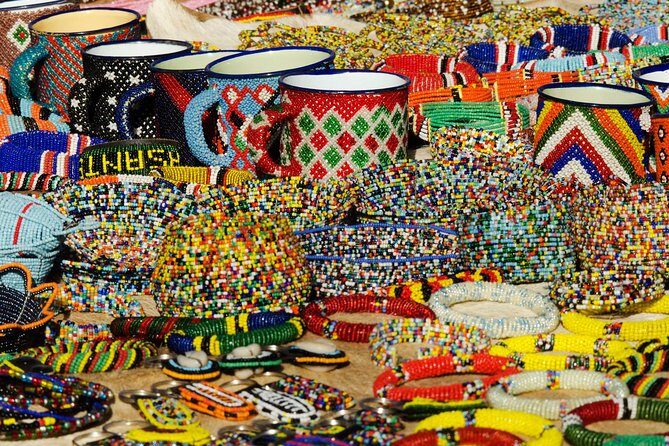
I’d put this on your shortlist if:
- You’re in Nairobi for a short stay and want shopping with structure
- You’re buying gifts and want a mix of handmade and traditional-style items
- You’d rather shop with a guide than handle translation and directions alone
- You want a route that starts strong at Utamaduni, deepens at Kazuri, and finishes with more variety at Galleria Maasai Market
It also fits well if you’re traveling as a small group. The tour is private for your group, and there are mentions of group discounts depending on how you book and how your group forms.
Should You Book This Tour?
Yes, if you want a smooth Nairobi souvenir day with less guesswork. The best reason to book is simple: you get a guided shopping shortlist that includes both artisan production (Kazuri) and more flexible market browsing (Galleria Maasai Market), plus translation support and hotel pickup.
I’d skip it or look for an alternative if you’re the kind of shopper who wants to spend a very long time in one place, because the tour’s strength is covering multiple stops in a limited window. Also, treat it as a shopping plan—not a drinks-and-luxury day—since beverages aren’t included.
If you’re aiming to leave Nairobi with items that feel grounded in Kenyan craft (not just random souvenirs), this route gives you a solid start.
FAQ
What is the duration of the Nairobi Cultural Shopping Experience?
The tour lasts about 4 to 5 hours.
What time does the tour start?
The start time is 9:00 am.
Is hotel pickup and drop-off included?
Yes. Hotel pick up and drop off are included.
Are drinks and beverages included?
No. Drinks and beverages are not included.
Is the tour private?
Yes. It’s private, and only your group participates.
Can I cancel for a full refund?
Yes. Free cancellation is available, and you can cancel up to 24 hours in advance for a full refund.