REVIEW · NAIROBI
7 Days Kenyan Safaris
Book on Viator →Operated by Heritawi safaris · Bookable on Viator
Big cats and balloon dawns make this route sing. This is a private, tailored safari through Kenya’s top wildlife areas, with Maasai village time, optional walking-style encounters, and special moments at sundown.
What I like most is the personal planning. On my experience with Heritawi Safaris, guides such as Julius (often behind the wheel) make the day feel smooth, safe, and built around sightings and your pace. I also like that the price covers fullboard accommodations, dinner, bottled water, and all fees and taxes, so you’re not constantly doing extra math in your head.
One consideration: you’ll be up early and you’ll do long drives. And the hot air balloon depends on good weather, so flexibility helps if conditions change.
In This Review
- Key highlights at a glance
- Nairobi to the safari circuit: how this feels on the ground
- Price and value: what $1,550 covers (and what it doesn’t)
- Maasai Mara National Reserve: big cats, early light, and Maasai village time
- Hot air balloon mornings: adrenaline with weather reality
- Lake Nakuru: a one-day switch from savannah to birds and shoreline views
- Lake Naivasha: boat safari and Crescent Island walking time
- Amboseli National Park: the long drive that buys Kilimanjaro views
- Guides make the difference: Julius, Denis, Stephen, Ken, and the drivers behind the scenes
- Cultural encounters that feel real: what to pay attention to
- Sundowners and air moments: luxury that still stays safari-focused
- Practical tips so you don’t feel rushed
- Who this safari is for (and who might want a different style)
- Should you book this 7 Days Kenyan Safaris route with Heritawi Safaris?
- FAQ
- What cities does the safari start and end in?
- How long is the safari?
- Is this a private tour?
- What does the price include?
- What activities are part of the experience?
- Which wildlife areas are included?
- Are admission tickets included?
- What should I pack and plan for physically?
- What happens if weather is poor?
- Can I cancel for a full refund?
Key highlights at a glance
- Private safari rhythm: only your group, with stops for photos and pacing you control
- Maasai culture, not a quick photo-op: manyattas, songs, dances, beadwork, and traditional attire
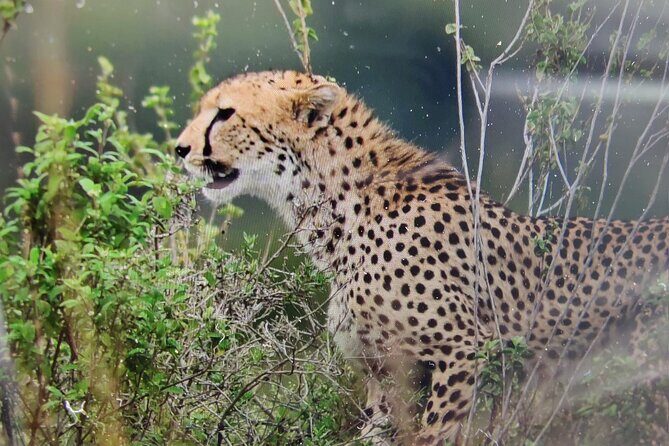
- Wildlife in the right time windows: early Mara drives when animals are still clustered
- Lake mix of safari + calm: game viewing plus birding and boat options around Naivasha and Nakuru
- Big scenery payoff near Amboseli: Kilimanjaro views are part of the appeal, when visibility cooperates
Nairobi to the safari circuit: how this feels on the ground
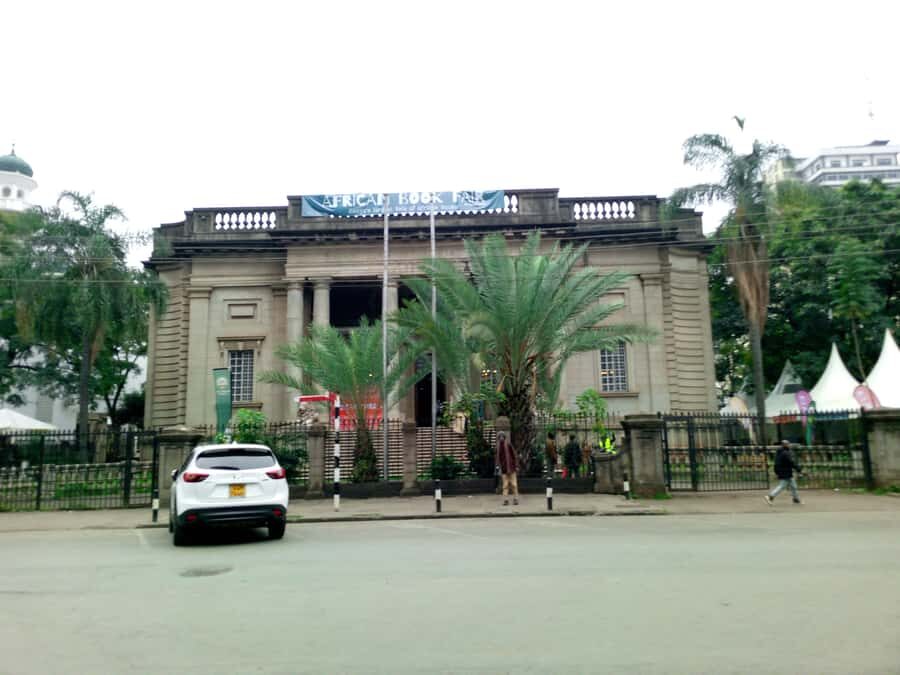
Starting in Nairobi makes a huge difference because you’re not wasting days figuring out transfers. Your day begins around Nairobi’s Central Business District, and you’re picked up for the safari portion. The tour is private, meaning you’re not stuck waiting on strangers or losing track of your own interests.
The itinerary is structured around four big stops—Maasai Mara, Lake Nakuru, Lake Naivasha, and Amboseli—but the tour length can fit different trip lengths (the schedule is flexible from 1 to 7 days). That matters if you’re combining this with Nairobi time, or if you want to keep the pace slow and focus on fewer places with better time on each one.
From the practical side, this is the kind of safari that works best when you accept the driving times. Kenya’s parks aren’t next door. The advantage is you get variety: savannah big-game days, then birds and lakes, then the Kilimanjaro backdrop in Amboseli.
A few more Nairobi tours and experiences worth a look
Price and value: what $1,550 covers (and what it doesn’t)
At $1,550 per person, the value depends on how you compare it to DIY safari costs. Here, you’re paying for organized transport, park logistics, and fullboard lodging plus dinner. You also get bottled water, and the listing includes all fees and taxes. That’s a big deal on safari because park-related fees can feel like they multiply once you start piecing things together yourself.
What’s not included is simple and standard: tips and personal effects. That means you won’t have to guess about unexpected line items for entry or core park costs.
Is it luxury-priced? It can be, depending on what you choose and how long you stay. But it tends to feel fair when you look at it as a bundled package: private transport, guide attention, accommodations, and park access.
Two things to plan mentally: some parts of the experience run early (especially in the Mara), and special air activities are weather-dependent.
Maasai Mara National Reserve: big cats, early light, and Maasai village time
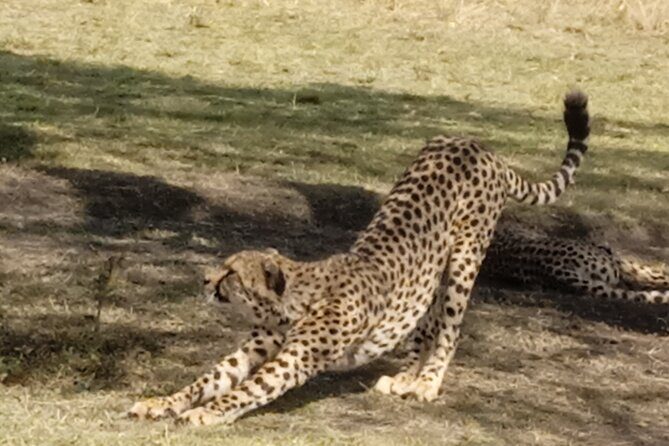
The Maasai Mara is the star of many Kenya trips for one reason: it concentrates wildlife into an easy-to-read area, especially around the start of the day. Your game drive follows that logic—waking early so you’re in the park when animals are still moving together before dispersing later.
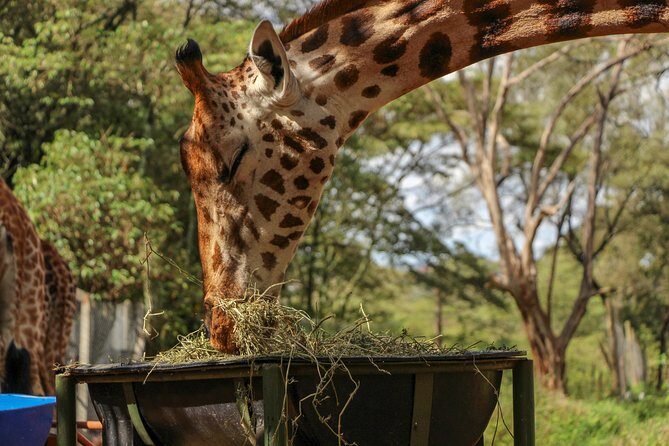
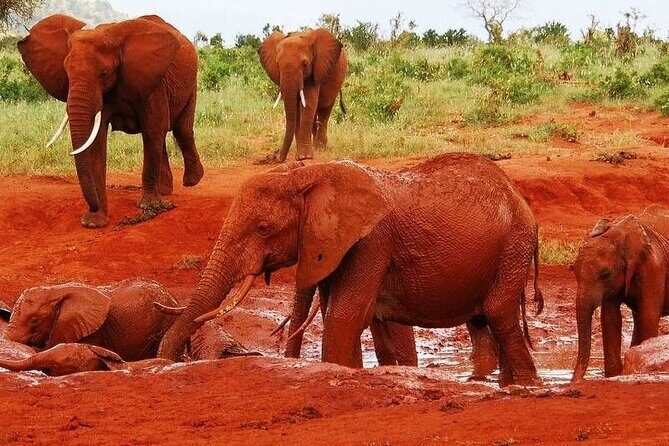
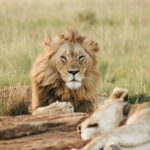
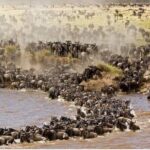
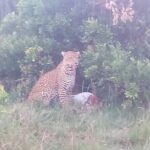
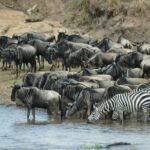
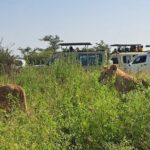
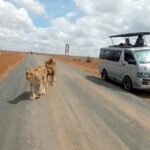
On the wildlife side, expect a classic Mara mix: lions, leopards, elephants, and wildebeest, plus the many smaller dramas that happen while you’re scanning for the main event. Mara days can feel long in the best way because you’re rewarded by constant small sightings, not just one highlight.
Then comes the cultural piece. The Maasai village visit is built around traditional practices—manyattas, songs and dances, and the style of traditional clothing that includes beadwork and square fabrics. This is also a chance to slow down. Instead of rushing from animal to animal, you get to see how people describe identity, community, and daily life through tradition.
The only drawback with Mara-style cultural visits is timing. If you’re the type who wants to maximize only wildlife time, you might feel like culture takes minutes you’d rather spend spotting animals. But the best safaris balance both, and this one deliberately does.
Hot air balloon mornings: adrenaline with weather reality
One of the biggest “special occasion” moments here is the hot air balloon safari. The schedule calls for an early balloon day (after waking up early for the Mara rhythm).
Ballooning in Kenya is magical because you’re floating above savannah in the quiet hours—time feels different when the world stops honking and the animals move without your vehicle pushing the day forward. It’s also one of those activities that can turn a good safari into a story you keep telling.
But here’s the reality check: the experience requires good weather. That doesn’t mean ballooning will always be canceled—just that you shouldn’t treat it like a guarantee. If the balloon can’t fly, you’ll need to accept a change in plan or a different date.
Lake Nakuru: a one-day switch from savannah to birds and shoreline views
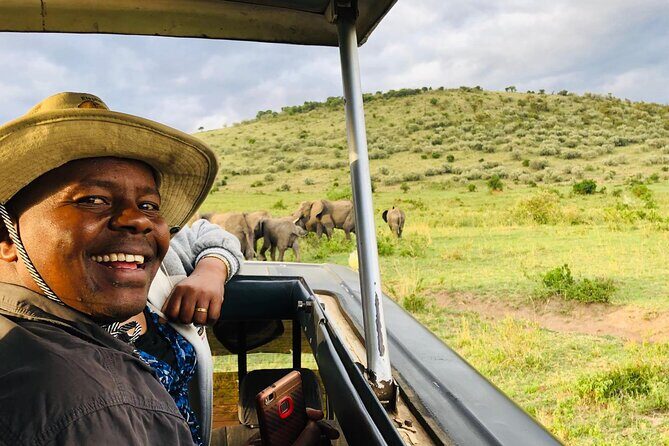
After three days in the Mara, you’ll travel to Lake Nakuru National Park. The drive is typically about 5 to 6 hours by road, depending on conditions. It’s not a short hop, but that’s what makes it part of the safari experience: you’re moving through Kenya’s countryside—rolling hills, farms, and small villages—before reaching the park.
Once you arrive, you’ll check into a lodge or camp near the lake. Many of these accommodations have views over the water, so you’re not just “going to a room,” you’re returning to scenery.
You can also build in an afternoon game drive. That’s smart here because Nakuru can reward you for timing: the light shifts, animals come closer to edges, and birdlife becomes a bigger part of your day than you might expect if you’re only thinking about big game.
If your main goal is the Big Five type experience, Nakuru can feel different than the Mara. But if you like birds, contrast, and varied wildlife viewing, it’s a satisfying change of pace.
Lake Naivasha: boat safari and Crescent Island walking time
From Nakuru to Lake Naivasha is a shorter road transfer—about 1 to 1.5 hours (around 60 km / 37 miles). That means you can unwind after the earlier days without sacrificing the safari rhythm.
Naivasha is where your itinerary gets calmer. You’ll have lake-based activities such as boat safaris, birdwatching, and walking time on Crescent Island. That island component is a great fit if you want a different feel than the vehicle drives—more quiet, more close-up nature, and more time to notice what’s happening beyond the obvious.
This stop is also a helpful “reset” day. After Mara’s intensity and the long road segments, Naivasha’s freshwater setting gives your body a break while still giving you wildlife time.
Amboseli National Park: the long drive that buys Kilimanjaro views
After Naivasha, you head to Amboseli National Park. The road time is about 4 to 5 hours (roughly 250 km / 155 miles), crossing through the Great Rift Valley and the Loitoktok road area as you get closer to the open savannah.
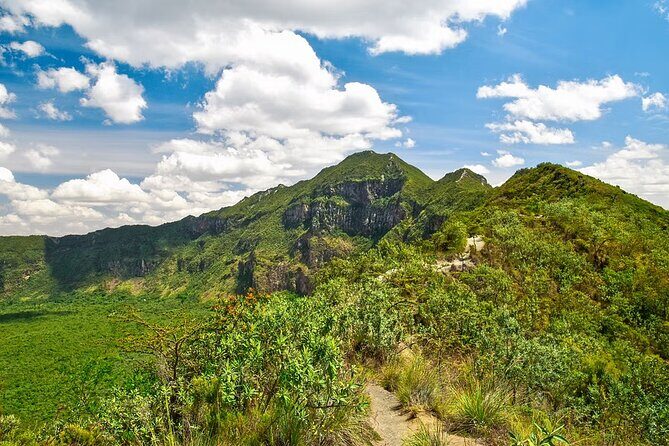
The reward people chase here is the setting: Mount Kilimanjaro views alongside the park scenery. You might notice the shift from more enclosed tones to more open sightlines as you approach. That matters for spotting because you’re not always hunting through brush—you can read the terrain more easily.
Amboseli also offers a range of lodge options, and some have views of the park and Kilimanjaro. The idea is simple: you’re not just going out for game drives. You also get park atmosphere from your accommodation base.
And for park access, the listing indicates admission ticket free for the Amboseli portion, which is a nice value detail if you’re comparing costs across stops.
Guides make the difference: Julius, Denis, Stephen, Ken, and the drivers behind the scenes
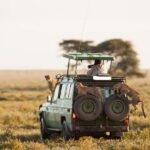
On safaris, the vehicle is only half the story. The other half is the guide—where they point, how they read animal behavior, and how they keep you safe on rough roads.
From the feedback tied to this operator, Julius stands out as a key figure for smooth planning and communication. People praised his ability to spot wildlife and his safe driving habits. Others highlighted that guides like Denis can make game drives feel relaxed and friendly, while Stephen was noted for going the extra mile with extra animal details. Another guide, Ken, was praised for making sure sightings were well placed and timed.
You also see consistent praise for the driving team—mentioning drivers like Nico and James. That’s useful for you because road comfort matters on this itinerary. When you’re doing multi-hour transfers between parks, a careful driver changes your whole experience.
Cultural encounters that feel real: what to pay attention to
This safari includes a Maasai village visit, plus time for traditional songs and dances. When you do cultural stops like this, the most important thing is your attitude. Go with curiosity, not a checklist. Ask questions in a respectful way and remember you’re seeing a living culture, not a museum exhibit.
The village component here includes traditional practices, manyattas, local songs and dances, and clothing style like beads and square fabrics. I like that the experience is framed around understanding norms and traditions, not just quick photos.
One practical tip: don’t treat the cultural time like a pause button before the real safari. If you keep your mind open, you’ll find it adds a different layer to the wildlife story—how people and land share space and meaning.
Sundowners and air moments: luxury that still stays safari-focused
This operator lists several “special activities,” including sundowner experiences, plus the option of helicopter rides and the confirmed hot air balloon safari. Here’s how I think about it: luxury is only worth it if it supports the safari vibe rather than replacing it.
Sundowners work well because they’re timed for the same reason game drives start early: light and animal behavior. You’re often rewarded with a slower pace right when the landscape becomes dramatic.
Helicopter rides are often the kind of thing people love in theory and then forget to plan for properly. If you add one, treat it as a bonus flight, not the main event. Your best safari memories usually come from hours in the vehicle and quiet time at lakes and lodges, not just one aerial look.
Again, weather is the controlling factor. If air activities shift, you’ll want your schedule to be flexible enough to roll with it.
Practical tips so you don’t feel rushed
A safari like this isn’t a “sleep in and stroll” vacation. Here are the things I’d plan around:
- Long drives are part of the deal. The trip between parks can be 5 to 6 hours, then another long segment later. Pack snacks and stay hydrated. Bottled water is included, which helps.
- Early starts mean sleep matters. Your Mara and balloon timing will likely feel early. Build a routine so you’re not dragging at night.
- Photo stops work best when you’re ready. A good guide will slow down for shots, but you’ll get more out of it if you’re not fumbling with settings.
- Moderate physical fitness is expected. The listing calls for moderate physical fitness, which is normal for walking sections like island visits.
- Bring patience for wildlife. Animals don’t show up on schedule. Your guide’s job is to place you where chances improve.
The upside of doing this with a private operator is that your day can bend a little. If you want more time taking photos or less time rushing, private planning usually supports that.
Who this safari is for (and who might want a different style)
This safari fits best if you want:
- Private, guided safari days with no group pressure
- A route that blends big wildlife drives with culture and lake scenery
- A comfortable base with fullboard accommodations and dinner included
- The option to add ballooning and other special experiences
It may be less ideal if:
- You only want a few short drives and hate early mornings
- You’re very rigid about air activities happening no matter what weather does
- You’re looking for a super budget trip where you want to pay as little as possible and handle everything yourself
For first-time Kenya visitors, this is a strong sampler route because it hits multiple ecosystems—savannah, soda lake country, and the Kilimanjaro backdrop—without turning your trip into logistics work.
Should you book this 7 Days Kenyan Safaris route with Heritawi Safaris?
I’d consider booking if you want a safari that’s planned around comfort and time efficiency, with real guide attention and a cultural add-on that doesn’t feel tacked on. The biggest wins are the private planning, the included fullboard/dinner/fees, and the guide reputation highlighted through experiences with Julius, Denis, Stephen, Ken, and the driving team.
Before you book, decide if you’re truly okay with early mornings and long road transfers. Also keep your expectations flexible for balloon conditions. If you like your safari days organized, not chaotic—and you want the value of fees and lodging bundled—you’re likely to enjoy this route.
FAQ
What cities does the safari start and end in?
It starts in Nairobi, at the Central Business District meeting point. It ends in a different location, with details provided separately.
How long is the safari?
The experience duration is listed as approximately 1 to 7 days.
Is this a private tour?
Yes. It’s a private tour/activity, and only your group will participate.
What does the price include?
The price includes fullboard accommodation, dinner, bottled water, and all fees and taxes.
What activities are part of the experience?
The experience can include walking safaris, private game drives, Maasai culture interaction, and exclusive activities such as helicopter rides, hot air balloon rides, and sundowner experiences. Hot air balloon safari is mentioned for the Maasai Mara stop.
Which wildlife areas are included?
The route includes Maasai Mara National Reserve, Lake Nakuru National Park, Lake Naivasha, and Amboseli National Park.
Are admission tickets included?
Admission ticket details are included for parts of the itinerary (with wording indicating admission ticket included for some stops and admission ticket free for Amboseli).
What should I pack and plan for physically?
The tour lists moderate physical fitness as a requirement. You should also be ready for early starts and long driving days.
What happens if weather is poor?
The experience requires good weather. If it’s canceled due to poor weather, you’ll be offered a different date or a full refund.
Can I cancel for a full refund?
Yes. There is free cancellation up to 24 hours in advance for a full refund.