REVIEW · MOMBASA
3-Day Private Tour in Tsavo East and Tsavo West
Book on Viator →Operated by Natural World Kenya Safaris Mombasa · Bookable on Viator
Tsavo Safari starts fast. This 3-day private tour out of Mombasa links Tsavo East and Tsavo West with big wildlife chances, plus a guided game-drive rhythm that keeps you searching without feeling rushed. I like how much the guide matters here, and the names you’ll hear—Abdul, Ezekiel, Hassan, and Jackson—show up in real experiences as patient trackers who don’t give up when sightings feel slow.
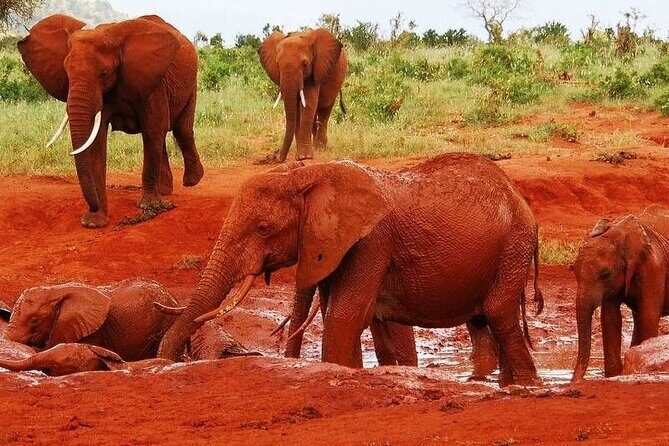
What I really love is the variety packed into a short time. You get Tsavo East’s easier spotting in sparse vegetation and the special character of its red-dust wildlife, then you switch gears to Tsavo West with dawn energy and classic waterhole action. The payoff is Mzima Springs, where clear water pulls in hippo, crocodile, fish, and birds, plus you can stretch your legs on a guided nature walk.
One thing to consider: if your overnight stop is in a lodge area known for insects, you may run into mosquitoes. One guest called that out as a minor issue, so bring repellent and plan for it.
In This Review
- Key points to know before you go
- Why Tsavo East and Tsavo West in 3 Days makes sense
- Day 1 in Tsavo East: easy spotting, red dust, and lion lore
- Day 2 in Tsavo West: sunrise drives and the pull of Mudanda Rock
- Day 3 at Mzima Springs: hippo-and-croc viewing with a walk break
- Private touring means you can match the pace to your group
- Guide quality is the real differentiator (Ezekiel, Hassan, Abdul, Jackson)
- Meals and timing: fuel for long drives without feeling chained to meals
- Price and value: what $1,690 buys you in Tsavo time
- Where you sleep and how to prepare for bugs
- Who this safari suits best
- Should you book this 3-day Tsavo East and West private tour?
- FAQ
- What time does the tour start?
- Is pickup included from Mombasa beach hotels?
- Is this a private tour?
- How long is the tour?
- What meals are included?
- Are park admission tickets included?
- What should I do if weather is bad or I need to cancel?
Key points to know before you go
- Private touring with your own group means less waiting and more time in the right spots
- Two parks in three days gives you different animal moods and scenery without a long transfer day
- Dawn drives in Tsavo West put you ahead of the day’s heat and activity
- Mudanda Rock is a natural draw for elephants and other animals seeking water
- Mzima Springs adds a water-and-wildlife change of pace, with hippo and crocodile habitat
- Guide skill shows up in the sightings (Ezekiel, Hassan, Abdul, and Jackson are mentioned for a reason)
Why Tsavo East and Tsavo West in 3 Days makes sense
If you’re coming from a beach stay near Mombasa, this kind of safari is the cleanest way to switch worlds fast. You leave coastal life behind and head inland into two of Kenya’s most famous savannah parks, both known for big herds, serious predators, and that classic dry-season look of red soil and open grass.
Tsavo East and Tsavo West feel different. Tsavo East is the bigger park, and the sparse vegetation helps you pick animals out sooner when you’re scanning for movement. Tsavo West tends to deliver action around water and game trails, and the pace works well with early starts. In a tight three-day window, that difference matters because it reduces the chances of repeating the same kind of drive.
The private format also changes the experience. You’re not negotiating schedules with strangers. Your guide can shift plans based on what you’re actually seeing—within reason—so the time you spend rolling across the plains stays focused.
You can also read our reviews of more private tours in Mombasa
Day 1 in Tsavo East: easy spotting, red dust, and lion lore
Your day begins with pickup from your beach hotel or resort in the Mombasa area. From there, you travel on the Mombasa–Nairobi Highway, taking in farmland and countryside as you move toward the park. The ride isn’t just a transfer. It’s part of the safari mood: you’re watching Kenya change as you head inland.
Once you reach Tsavo East, you’ll pause for refreshments before your first game drive. Tsavo East is described as Kenya’s largest park, and the vegetation is sparse, which helps with visibility. This is where I like the logic of the route: you’re not spending your first hours in dense cover where spotting becomes guesswork.
On this first drive, you’ll be looking for both the big and the quick:
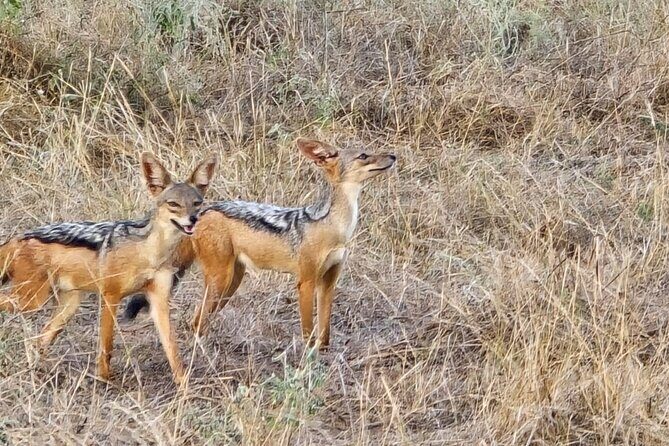
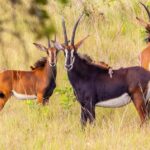
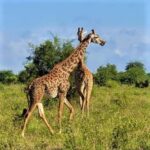
- giraffe, zebra, impala
- eland, plus other savannah species depending on what’s active
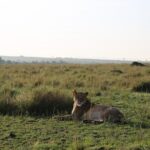
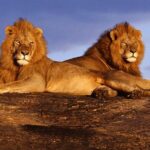
- and the famous Tsavo lions, including the unique note about males that lack the typical big mane look
After that first hit of wildlife, you stop for lunch and then go back out in the afternoon. The pace is set up to feel relaxed rather than frantic, and that matters. When you’re on safari for three days, you want your eyes working well, not tired from an overload of stops.
Day 2 in Tsavo West: sunrise drives and the pull of Mudanda Rock
Day two starts early—before sunrise—to catch the plains as the light arrives. There’s a simple reason this helps: animals often move more during the cooler morning hours. The day also tends to feel more cinematic when you’re driving under that first soft glow, before the heat flattens everything into daytime silence.
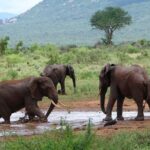
After breakfast, you head out again with the goal of spotting hunters and grazers. One named highlight here is Mudanda Rock, described as a whale-backed formation that forms a natural dam. Waterholes like this become magnets. Elephants and other animals show up because the water is there, and that concentration of life often improves your odds for sightings.
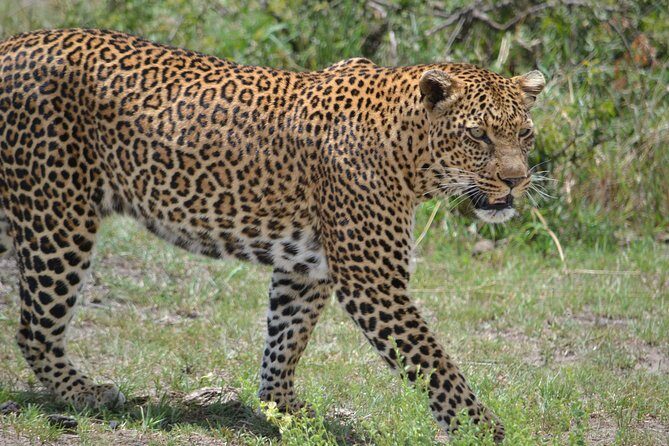
Later, you transfer from Tsavo East to Tsavo West, but you’re not just passing through. The drive continues as game viewing, with a specific mention of seeking the Big Five as well as the smaller, less-famous species that often get missed when everyone focuses only on the biggest names.
In practice, that matters because Tsavo West can reward different kinds of looking. Sometimes it’s a bold predator moment. Sometimes it’s a chain of smaller sightings: birds, grazers, and the behavior changes that tell you bigger animals are nearby.
Day 3 at Mzima Springs: hippo-and-croc viewing with a walk break
Another early start sets the tone for the third morning. This is positioned as pre-breakfast exploration, so you’re out while the light and colors are shifting fast—when dew is still around and the land looks more washed and pale.
After that morning driving, you take breakfast, then shift toward Mzima Springs. This is a contrast stop. Instead of red plains and savannah movement, you get a clear-water pocket fed by spring water, which changes both the wildlife mix and the pace of the day.
Mzima Springs is described as having crystal-clear water and a lush environment that stands out against the rugged park surroundings. The wildlife you might spot includes:
- hippos
- crocodiles
- colorful fish and birds
You’ll also step out of the 4×4 jeep for a nature walk along the shores, with raffia-lined edges mentioned as part of the setting. Even though the water draws the headlines, the terrestrial side is also real: keep an eye out for zebra and giraffe wandering among acacia trees.
This day works well if you want more than “just driving.” The walk portion gives you a different kind of safari memory, and it helps break up the constant scanning that comes with back-to-back game drives.
Private touring means you can match the pace to your group
Because it’s private, the experience is structured around your group alone. That’s not a luxury for its own sake. It’s what makes short safaris feel smooth instead of chaotic.
You’re starting at 7:00 am, which is early by beach-vacation standards. Private touring helps you handle that transition. Pickup timing, route decisions, and how often you stop for photos or sightings can all be made around what you need, not a shared schedule that doesn’t fit anyone perfectly.
It’s also useful if you’re traveling with kids or mixed ages. One review specifically called out the safari being unforgettable for children, and that usually signals two things: you’re not moving too fast, and the guide is good at keeping the group engaged without rushing.
A few more Mombasa tours and experiences worth a look
Guide quality is the real differentiator (Ezekiel, Hassan, Abdul, Jackson)
I can’t stress this enough: on safari, the vehicle is only half the story. The other half is the guide’s ability to read signs and keep searching intelligently.
In the experiences shared for this tour, you’ll see strong praise tied to individuals:
- Abdul was highlighted as a great driver/guide
- Ezekiel was praised for being patient when searching for wildlife and for carrying useful information
- Hassan was noted for safe driving and strong tracking skills, with a nature knowledge base that helped make the experience feel meaningful
- Jackson received credit for keeping a great safari going
You’re paying for more than sightings. You’re paying for someone to help you understand what you’re looking at and to improve your odds without turning the day into a sprint.
Practical tip: if you have a must-see interest—lions, elephants, birds—tell your guide early. A skilled tracker can adjust where they spend time, especially when you have the short three-day structure.
Meals and timing: fuel for long drives without feeling chained to meals
This tour includes meals across the days: two breakfasts, three lunches, and two dinners. In safari terms, that’s a helpful balance. You get enough food to keep your energy up on long game-drive stretches, but you’re not stuck eating every time you move to a new area.
Expect lunch breaks after morning or mid-day driving, and dinners on the overnight days. One small point from a real-world comfort angle: on days with early starts, I always recommend bringing a small snack you can grab quickly if hunger hits between meal times—especially if you’re traveling with kids or people who get cranky without food.
Price and value: what $1,690 buys you in Tsavo time
At $1,690 per person, this is not a budget safari. But for a private three-day loop across two parks plus Mzima Springs, it can be strong value—mostly because so many moving parts are handled for you.
Here’s what you’re getting for the money based on the tour details:
- private guiding for your group only
- pickup from your beach hotel or resort
- a full set of meals (breakfast, lunch, dinner across multiple days)
- park admission listed as free in the tour information
- a structured start time and built-in travel days that don’t waste safari hours
The private format is usually the biggest cost driver. If you’ve ever done a shared safari, you know how often you end up watching from the wrong angle or leaving a good spot too early. Here, your guide and schedule are centered on your group’s experience.
The trade-off is the need to plan for the overnight stay and what comes with it—like mosquitoes in some lodge areas. If you show up ready for that, the price starts to feel more like a package built around not missing prime viewing hours.
Where you sleep and how to prepare for bugs
Overnights are part of this three-day structure, and there’s at least one lodge highlight tied to Tsavo West: Tsavo West Lodge Serena in Kilaguni. Reviews also mention mosquitoes as a minor issue at the overnight accommodation. That tells you what to prepare for.
Pack basics that make a difference:
- insect repellent you trust
- long sleeves or light cover for evening
- quick-dry wear if you’ll be out at dawn and later in the evening
Also, think about comfort. Safari days are bumpy, long, and full of eyes-out work. Comfortable clothing and shoes that you don’t mind getting dust on will keep you sane.
Who this safari suits best
This is a great fit if you want:
- a wildlife-heavy break from a beach stay near Mombasa
- a short trip that covers more than one park
- a guided experience where tracking and safety matter
It’s also well-suited for families, based on the way the tour was described as unforgettable for children. And because most travelers can participate, it’s a reasonable option for people who can handle early mornings and long drives.
If you’re the kind of traveler who only wants one park and wants unbroken deep wilderness time, you might prefer a longer safari. But if you want the “best of Tsavo” in three days, this format is built for you.
Should you book this 3-day Tsavo East and West private tour?
I’d book if you match these priorities:
- you want Tsavo East’s open spotting and Tsavo West’s waterhole-and-predator energy
- you care about guided tracking and clear explanations (and you’re picking this because of guide quality)
- you want Mzima Springs for the hippo and crocodile habitat change of pace
- you’re okay with early starts and a packed schedule
I’d pause if you’re highly sensitive to insects or you don’t want to plan for a lodge night where mosquitoes can be a problem. For most people, that’s manageable with the right repellent and clothing, but it’s worth knowing up front.
Bottom line: for a three-day window starting from Mombasa, this tour hits a lot of wildlife variety without wasting your days. If your idea of a good safari includes both hunting drama and calmer water-and-bird moments, you’ll likely feel like this was time well used.
FAQ
What time does the tour start?
The tour start time is 7:00 am.
Is pickup included from Mombasa beach hotels?
Yes. Pickup is offered from your beach hotel or resort, and the tour begins after that pickup.
Is this a private tour?
Yes. It’s a private tour/activity, so only your group participates.
How long is the tour?
It’s listed as approximately 3 days.
What meals are included?
Meals included are two breakfasts, three lunches, and two dinners.
Are park admission tickets included?
Admission tickets are listed as free in the tour details.
What should I do if weather is bad or I need to cancel?
Good weather is required. If the tour is canceled due to poor weather, you’ll be offered a different date or a full refund. You can also cancel for a full refund up to 24 hours in advance.