REVIEW · MOMBASA
Mombasa City Tour
Book on Viator →Operated by Mamistravel Limited · Bookable on Viator
Fort Jesus sets the tone in Mombasa. This guided Mombasa City Tour is a tight, well-paced way to understand the city’s big story, from the Old Town era through later colonial chapters, including the darker slave-trade history, all explained by your guide. I especially like the Fort Jesus Museum start, because you get the why behind the walls before you wander streets.
I also really like the practical shopping stop at the Akamba wood carver market, where you can look for souvenirs tied to Kenyan craft rather than random roadside clutter. The one thing to consider is that Fort Jesus itself has an entrance fee (and transport details to the meeting point aren’t included), so your final cost may be a bit higher than the $45 headline price.
In This Review
- Key points
- Fort Jesus First: Getting Your Bearings in Mombasa
- Price and Value: Is $45 a Smart Deal?
- Pickup, Timing, and What the 4 Hours Feels Like
- Inside Fort Jesus Museum: The Portuguese Fort and the Bigger Story
- Old Town Streets: Swahili Architecture and the Empire Layers
- Mombasa Tusks and Quick Stops That Make Photos Better
- Markets With Intent: Mackinnon, Spice Stops, and Akamba Wood Carvings
- Tuk-Tuk Rides: Comfort, Flow, and Getting Around Faster
- Guide Style Matters: Anthony’s History Lessons Without the Rush
- Who This Mombasa City Tour Fits Best
- Should You Book This Mombasa City Tour?
- FAQ
- How long is the Mombasa City Tour?
- What does the $45 price include?
- Is the Fort Jesus entrance fee included?
- Do I get pickup if I’m staying in Diani?
- Is the tour a small group?
- Can I cancel for a full refund?
Key points
- Fort Jesus-first route: You start with context before you move into Old Town streets.
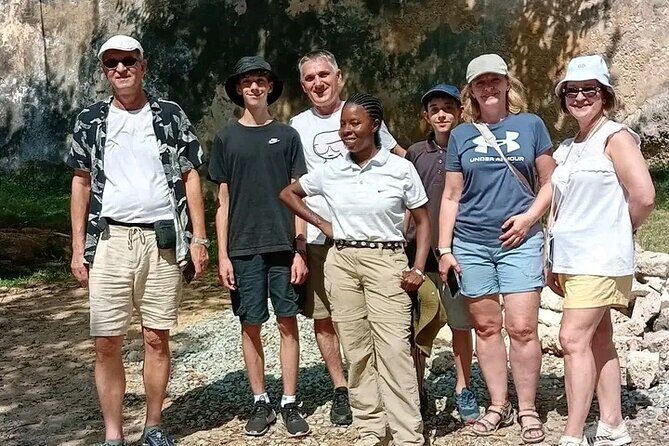
- Small group size: Max 20 people keeps the day from feeling rushed or chaotic.
- Tuk-tuk transportation: You cover more ground than walking alone.
- Old Town + monuments: You see key sights tied to Arab, Portuguese, and British influences.
- Akamba wood carvings: A focused, craft-forward souvenir stop.
- Guide-led history: Expect clear storytelling, not just a checklist of stops.
Fort Jesus First: Getting Your Bearings in Mombasa
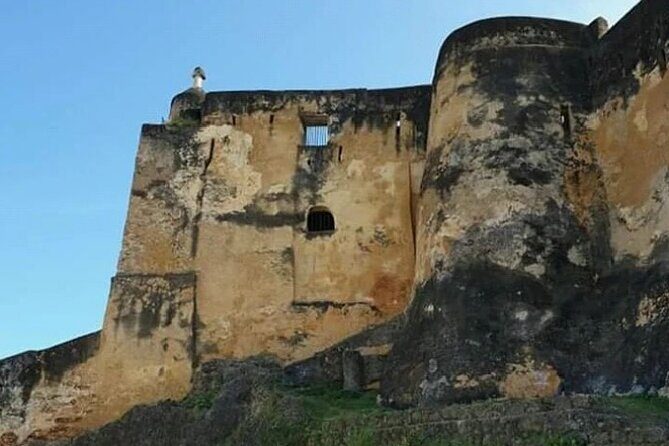
Start here, not later. Fort Jesus is the kind of place that turns a trip from pretty photos into real understanding. It’s a 16th-century Portuguese fort built to protect their trade route, and it still feels like a strategic viewpoint over the Indian Ocean. When you begin the day at the Fort Jesus Museum, you’re not guessing at what you’re seeing. You’re learning the logic of the place first.
This also matters because Mombasa’s history sits on top of itself. Old Town isn’t just old buildings. It’s where different trade powers met, fought, influenced, and left traces. A guide can connect the dots in a way that’s hard to do solo—especially when the tour includes the darker parts of the city’s past, like the area where a slave market once operated.
One more plus: Fort Jesus gives you a strong anchor for the rest of the route. After you stand in the museum and take in the fort’s views and battlements, the later stops make more sense. You’ll notice details in streets and monuments that you might otherwise miss.
You can also read our reviews of more city tours in Mombasa

Price and Value: Is $45 a Smart Deal?
At $45 per person for about 4 hours, this isn’t a budget bargain that cuts corners. It’s priced as a guided experience with real city coverage, including a licensed, certified guide plus a tuk-tuk ride within the city. You also get a bottle of water during the excursion.
Where the value really shows is in the time you save. If you’re only in Mombasa for a short window, a guided circuit is one of the fastest ways to hit major sights like Fort Jesus, Old Town, and the Mombasa Tusks without spending hours figuring out routes and timing.
That said, the price is not all-in. Fort Jesus entrance fee and transport to the meeting point aren’t included. Also, any other fees and taxes aren’t included. And while pick-up is offered within Mombasa at no extra cost, pick-up from Diani costs extra ($20 per person, and it can vary with group size).
So think of the $45 as the core guide-and-transport portion. Then budget a little extra for the Fort Jesus entrance and anything else that’s required once you’re there.
Pickup, Timing, and What the 4 Hours Feels Like
The tour starts and ends back at the same place: the Fort Jesus Museum on Nkurumah Rd. That round-trip structure makes logistics easier than point-to-point city touring.
The schedule is built for a city day, not a half-day that drags. It’s about 4 hours total, with tuk-tuk rides helping you move between zones and avoid too much walking in heat or sun. You’ll also have time for photo stops and souvenir browsing—though the exact flow depends on your group and timing on the day.
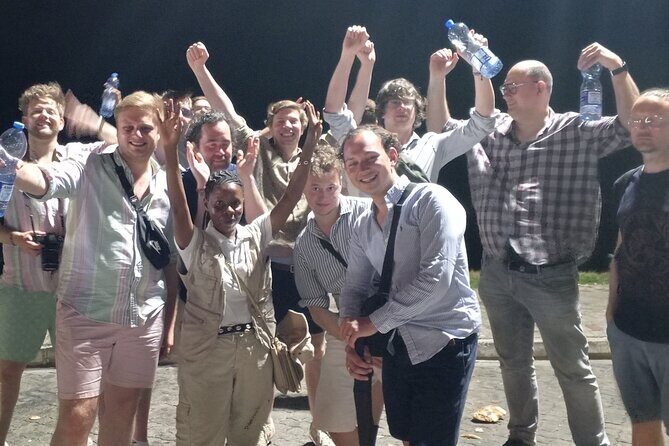
Group size helps a lot here. This is a small group tour with a maximum of 20 people. That tends to mean the guide can answer questions without the whole thing turning into a sprint. The tour also uses a mobile ticket, which is usually a comfort if you like keeping things simple on your phone.
One practical note: this experience requires good weather. If conditions are rough, you may be offered another date or a refund. When rain or wind hits, outdoor parts of Old Town can feel slower than planned.
Inside Fort Jesus Museum: The Portuguese Fort and the Bigger Story
Fort Jesus is more than a landmark. It’s the reason the day starts the way it does. The fort was built by the Portuguese in the 1500s to protect their trade route, and the museum inside focuses on artifacts and historical exhibitions tied to Mombasa’s colonial past.
Even if you’ve read a little about the coast, seeing it in context helps. You’ll get a visual sense of how power worked on the waterfront—where ships came and went, where protection mattered, and how control of trade shaped the city.
The best guide-led tours do something key: they explain before you walk away. In the reviews and overall experience style, Anthony (sometimes listed as Antony Nzivo) gets praised for clear explanations and patience. That matters at Fort Jesus because the museum can feel like a lot if you’re left to interpret it alone.
Also, Fort Jesus plays well with the rest of the route. After you’ve learned the fort’s purpose, Old Town streets feel like they belong to a connected story instead of random stops.
If you want a top takeaway: Fort Jesus helps you understand the coast as a network, not just a destination.
Old Town Streets: Swahili Architecture and the Empire Layers
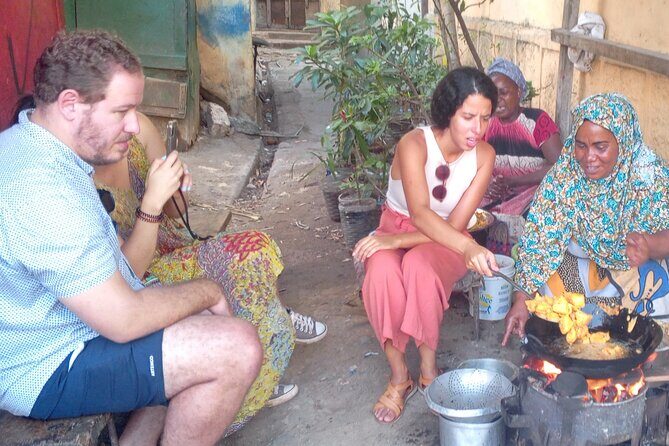
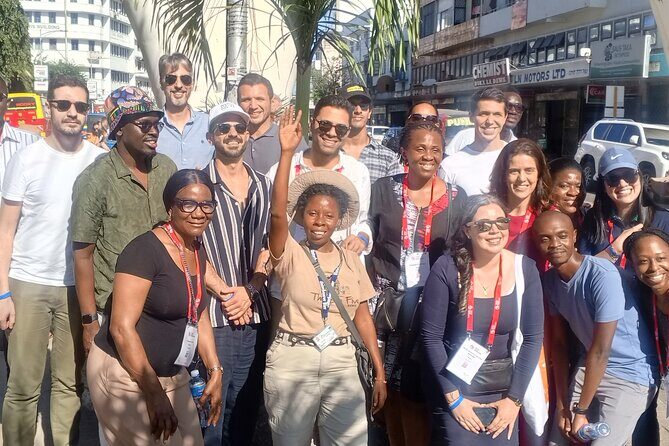
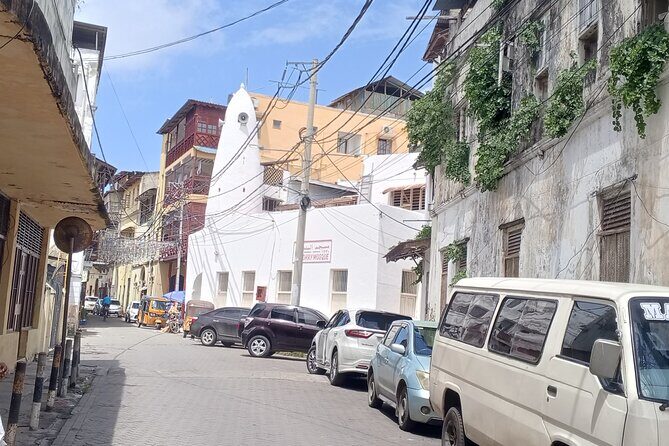
Next comes Old Town, where Mombasa shows its mixed heritage. The lanes are narrow, the buildings reflect Swahili architecture, and the influence of Arab, Portuguese, and British eras is part of what you’ll see as you move through the area.
This is where a guide earns their keep. Without guidance, it’s easy to treat Old Town like a photo walk. With a guide, you can listen for what changed over time: how trade brought wealth, how powers competed, and how everyday life took shape around that.
The tour is also designed to cover more than charm. It specifically includes learning about the darker side of the city’s past, including where there was once a slave market. That’s not the kind of detail you can guess from architecture alone, and it adds real depth to the visit.
You should still plan to take your time here. Old Town can be busy and busy is not the same as smooth. If you’re the type who hates crowd pressure, aim for calm moments: stop, look up, ask questions, and let the guide point out what to pay attention to.




Mombasa Tusks and Quick Stops That Make Photos Better
You’ll also see the Mombasa Tusks—those giant tusk-shaped structures that symbolize the city’s entry point. They’re short and simple as stops go, but they work as an easy marker: you can use them as a visual checkpoint for your day and your route.
Depending on how the day flows, you may also pass or stop near other notable areas people commonly connect with Mombasa, such as the Mama Ngina Waterfront and the Elephant Tusks. In past runs, these have been part of the experience, and they’re the kind of places where you’ll get a sense of the city’s mix of new and old.
Think of these stops as anchors for your memory. They break up the story-heavy parts and give you moments to breathe, take photos, and reset before the next concentration of history or market time.
And because you’re in a group of up to 20, you’re not stuck waiting forever for someone to finish browsing a shop five steps away.
Markets With Intent: Mackinnon, Spice Stops, and Akamba Wood Carvings
Mombasa is great for shopping, but good tours keep it purposeful. This one includes a standout souvenir destination: the Akamba wood carver market. It’s where you can look for ideal souvenirs while supporting local craft makers.
The value here is that the stop is not random. It’s built around a craft tradition tied to Kenyan artisans. You also get the advantage of having a guide nearby, which can help you compare items and understand what you’re actually buying.
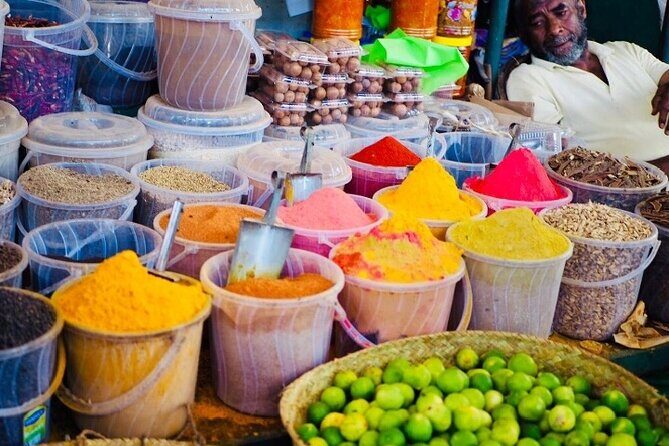
Other market and food-related stops may include places like Mackinnon Market and a spice market experience. In the experience format, the spice stop fits the Swahili cuisine and coastal trade story. Spices are part of Mombasa’s identity, not just something you see in a shop display.
So what should you do during the market time? Two things:
- Move slowly enough to look, not rush through.
- Ask questions about materials and how things are made, even if your goal is only one small souvenir.
If you come in expecting a fast grab-and-go, markets can feel harder. If you come in curious and patient, this is where the day turns into something memorable.
Tuk-Tuk Rides: Comfort, Flow, and Getting Around Faster
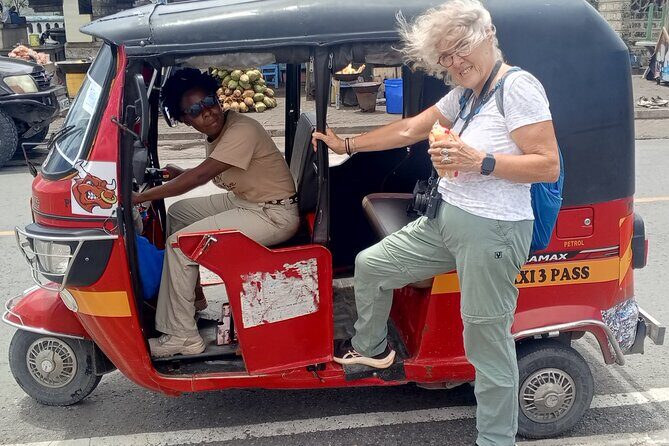
The included tuk-tuk ride is not just fun. It’s practical. It helps you cover the city efficiently in a 4-hour window and reduces the strain of getting between Fort Jesus, Old Town areas, and the other stops.
Many city tourists underestimate how much time walking adds up in Mombasa, especially when you’re also doing shopping stops. Tuk-tuks help keep the day moving at a human pace.
The tour style also helps: it’s described as well organized, and some runs are even set up as a convoy of tuk-tuks. That can reduce confusion and keep the group together.
One detail you’ll appreciate is that the guide will have water for you during the excursion. It’s small, but in the heat it matters.
Guide Style Matters: Anthony’s History Lessons Without the Rush
The biggest reason this tour rates so high is simple: the guide experience is the product. Anthony (also listed as Antony Nzivo in some entries) is repeatedly praised for being clear, patient, and genuinely invested in explaining what you’re seeing. Instead of racing through a checklist, he tends to slow down when it counts.
That shows up in a few ways you’ll feel during the day:
- You’ll understand the why behind Fort Jesus instead of just collecting facts.
- You’ll hear about culture and daily life, not only the big empire changes.
- You’ll get helpful recommendations for the rest of your trip after the tour.
Some guided days include suggestions like Haller Park and snorkelling in Wasini. Even if you don’t book those same exact plans, that kind of local advice can help you avoid wasting time figuring out what’s worth it.
This is also why the tour works for first-timers. If you’ve never been to the coast, you can leave with a mental map and a better sense of how to spend the remainder of your afternoon.
Who This Mombasa City Tour Fits Best
This tour is ideal if you want a guided overview with enough structure to feel efficient. It’s also a great choice if you care about history but don’t want to spend your entire day in museums alone.
You’ll likely enjoy it if:
- You’re short on time in Mombasa and want the key sites.
- You like learning context as you walk around.
- You want a guided stop at a real craft market like Akamba wood carvings.
- You prefer a small group (max 20) over long bus tours.
You might want to reconsider if:
- You strongly dislike history discussions or uncomfortable historical topics. The route includes the slave-market chapter, so it’s not a purely light-and-lovely tour.
- You’re traveling in heavy rain or poor weather. The experience depends on good weather.
- You expect all entrance fees to be covered. Fort Jesus entrance fee is not included.
Should You Book This Mombasa City Tour?
I’d book it if you want a 4-hour plan that helps you understand Mombasa fast and spend your shopping time well. The start at Fort Jesus is a smart move because it gives you context for Old Town, the Tusks, and the markets that follow. And with a small group size up to 20, you’re more likely to get time for questions and slower browsing instead of constant rushing.
I’d also book it if you like the idea of a guide who doesn’t just point and move on. The Anthony-led style is consistently framed as patient and clear, and that makes a big difference for a place with layered history like Mombasa.
Just go in knowing two things. First, Fort Jesus has an entrance fee. Second, the day includes darker parts of history, including the slave-trade context. If that feels like the real Mombasa story you’re here for, this is a strong use of your time.
FAQ
How long is the Mombasa City Tour?
It runs for about 4 hours.
What does the $45 price include?
The tour includes a licensed certified guide, a tuk-tuk ride within the city, a bottle of water, and pickup within Mombasa at no extra cost.
Is the Fort Jesus entrance fee included?
No. Fort Jesus entrance fee and transport to the meeting point are not included.
Do I get pickup if I’m staying in Diani?
Pickup from Diani is available for an extra $20 per person, and it can vary depending on group size.
Is the tour a small group?
Yes. It is a small group tour with a maximum of 20 people.
Can I cancel for a full refund?
Yes, free cancellation is available. You can cancel up to 24 hours in advance for a full refund. If you cancel less than 24 hours before the start time, the amount you paid will not be refunded.