Nairobi makes sense on foot. This Nairobi City Walk Tour strings together major landmarks and everyday culture in one easy run, from Jamia Mosque to the archives. I like how it’s led by real local voices like John (and Samson), so the stories feel grounded, not rehearsed.
Two things I really enjoyed: first, the mix of faith, markets, and government buildings gives you a full picture of city life, not just pretty sights. Second, the stop flow is built for conversation, so you can ask questions and get clear answers as you walk.
One consideration: it is a city-centre walking route, so you’ll want comfortable shoes and a little patience for crowds in markets and people-moving around major sites.
In This Review
- Key highlights worth planning around
- Why This Nairobi City Walk Fits One Afternoon
- Starting at Carrefour St. Ellis: Getting Into the Right Part of Town
- Jamia Mosque: A Big Opening With Real Scale
- McMillan Memorial Library (1929): Architecture With a Purpose
- City Market and Maasai Market: Souvenirs With Context
- University of Nairobi: Education in the City Centre
- Uhuru Park: The Green Pause Inside Nairobi
- Cathedral Basilica and Parliament Tower: Where Life Meets Power
- Kenyatta International Conference Center Rooftop View (Admission Not Included)
- Nairobi Railway Museum and National Archives: Kenya’s Story in Buildings
- Jeevanjee Gardens: A Small Park to Finish Clear-Headed
- The Real Secret Sauce: John and Samson Make It Click
- How to Make the Most of a 2h 40m Walk
- Price and Value: What $20 Buys You in Nairobi
- Should You Book This Nairobi City Walk Tour?
- FAQ
- How much does the Nairobi City Walk Tour cost?
- How long is the tour?
- Where does the tour start?
- What language are the guides?
- Do I need to buy tickets for the stops?
- Is private transportation included?
- Will I receive a ticket for the tour?
- How far in advance should I book?
- How many people are on the tour?
- What is the cancellation policy?
Key highlights worth planning around

- 12 stops in about 2h 40m, with most entrances listed as free
- English & Spanish certified guides, including John and Samson
- Hands-on city-centre culture, especially at City Market and the Maasai Market
- Green break at Uhuru Park, right in the middle of town
- A top-city view at Kenyatta International Conference Center, with admission not included
- Small maximum group size (up to 50) that keeps the walk social but manageable
Why This Nairobi City Walk Fits One Afternoon

If you only have a day or two in Nairobi, this kind of tour is a fast way to get your bearings. For $20 per person and about 2 hours 40 minutes, you cover a stack of places that show Nairobi’s mix of tradition, national history, and modern city life. Most stops also list admission as free, which matters when you’re trying to keep the trip budget under control.
The route is designed around what you can actually do on foot: short visits, photo moments, and quick context. That’s the sweet spot for a city walk. You’re not stuck on one big monument for an hour. You’re bouncing between key spots and learning why they matter.
You can also read our reviews of more walking tours in Nairobi

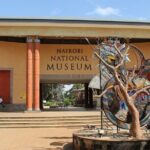

Starting at Carrefour St. Ellis: Getting Into the Right Part of Town
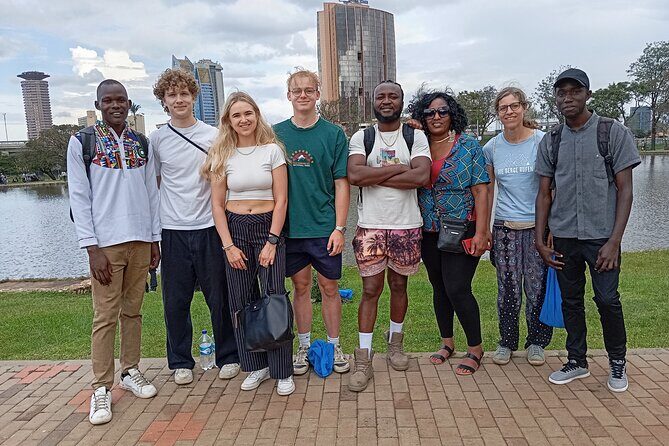
The tour begins at Carrefour St. EllisPR7F+G34, Wabera St. That’s useful because it puts you in a walkable, city-centre zone with near public transportation. Private transport isn’t included, so you’ll want to plan how you’ll reach the start point and get back there at the end.
You’ll also use a mobile ticket, so have your phone charged and ready. On a walking tour, small friction becomes big friction, so this is one of those details worth treating seriously.
Jamia Mosque: A Big Opening With Real Scale
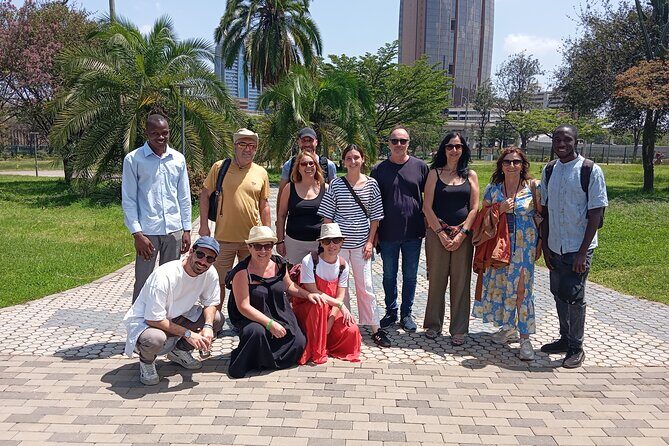
The walk starts at Jamia Mosque, noted as the biggest mosque in Kenya. Even if you’re not a religious-history person, it’s a powerful place to begin. You immediately see how faith is not a side character in Nairobi—it’s part of the city’s everyday structure.
What I like about starting here is timing and tone. With only about 10 minutes at the stop, you’re not expected to do everything. You’re simply given a clear introduction, then you move on. That keeps the tour lively and stops you from burning energy too early.
McMillan Memorial Library (1929): Architecture With a Purpose
Next is McMillan Memorial Library, built in 1929 in the city centre to remember William Macmillan by his wife. This is the type of stop that’s easy to overlook when you’re just passing by. With a guide, it turns into something you can actually read: how civic buildings can become markers of national memory.
If you care about how places get named and why, this stop is a good one. It gives you a timeline anchor in a city where modern towers can dominate your first impressions.
City Market and Maasai Market: Souvenirs With Context

Two market stops make this tour feel grounded. First, you visit City Market, where traditional items from different communities are sold, including pieces strongly associated with Maasai culture. Later, you go to the Maasai Market, described as the best place for souvenirs, with Maasai items plus offerings from other Kenyan tribes.
Markets can be chaotic in the best way, but they’re also great for learning. You’ll likely notice that the goods aren’t random. They reflect identity, craft traditions, and regional styles. That’s where this tour earns its value: you’re shopping, but you’re also getting the background that helps you shop thoughtfully.
Practical tip: markets are where your bargaining instincts (or your politeness instincts) come into play. Keep it respectful, take your time, and treat prices as part of the conversation. Even a short visit can lead to better buys if you ask a few questions first.
You can also read our reviews of more city tours in Nairobi




University of Nairobi: Education in the City Centre
The route moves to the University of Nairobi, described as the oldest and biggest university in Eastern Africa. This stop changes the mood. Instead of a commercial space, you’re looking at education as a public force.
In a short time, you’ll get a sense of how universities shape city energy: students, staff, and learning all pull people into the centre. It’s also a reminder that Nairobi’s modern identity isn’t only about buildings. It’s also about institutions.
Uhuru Park: The Green Pause Inside Nairobi
Then comes one of the most refreshing parts of the walk: Uhuru Park. It’s described as a beautiful park located in the middle of Nairobi city. The big takeaway here is simple: Nairobi is greener than many visitors expect, and you get proof of that without leaving the centre.
This is a solid spot for photos and a breather. A short green stop also helps your brain reset when the previous segments were religious buildings and markets where you’ve been taking in a lot of detail.
Cathedral Basilica and Parliament Tower: Where Life Meets Power

The tour includes two distinct city-centre landmarks that help you understand how Nairobi operates at different levels.
First, you stop at the Cathedral Basilica of the Holy Family, a Catholic church also located in the city centre. It gives you a second religious reference point after Jamia Mosque, and it helps you see how multiple communities exist side by side.
Next, you reach Parliament of Kenya, described as a tower where members of parliament meet. Even in a brief stop, the symbolism is strong. You see that the city’s daily life sits close to national decision-making. It’s a reminder that Nairobi isn’t only a place for visitors—it’s a working capital.
Kenyatta International Conference Center Rooftop View (Admission Not Included)
One of the most “Nairobi” moments is the Kenyatta International Conference Center. From the rooftop, you get a clear view of the city. That kind of outlook is exactly what you want after walking street-level: it shows you how the city fits together.
One note: admission ticket for this stop is not included. So if you want the rooftop, budget for it. I’d treat this as your one expected paid extra on the tour, since the rest of the stops are listed as free.
Nairobi Railway Museum and National Archives: Kenya’s Story in Buildings
Two stops near the end turn the walk more historical, and they do it in a practical way.
At Nairobi Railway Museum, you learn it was built by the British with help from Indians, with 1985 noted as part of the story of how the railway influenced Nairobi’s growth. This isn’t just about trains. It’s about how transport projects helped shape the city you see today.
Then you visit National Archives Moi Avenue, where artifacts and documentation of Kenyan government history since independence are kept. Archives can sound dry on paper, but placed inside a city walk like this, they become meaningful. You’re not just hearing facts. You’re seeing where official memory lives.
Jeevanjee Gardens: A Small Park to Finish Clear-Headed
The tour ends with Jeevanjee Gardens, described as a small park in Nairobi. After government buildings and museums, a short green finishing stop is smart. It gives you a calmer last segment, helps you slow down, and gives you time to absorb what you learned without rushing out the door.
It also sets you up well for the end of the activity, which returns you back to the meeting point area.
The Real Secret Sauce: John and Samson Make It Click
The most repeated strength in the tour experience is the guiding. John comes up again and again: energetic, friendly, and able to explain Nairobi history in a clear way. There’s also mention of Samson sharing the same kind of city context.
Here’s why that matters: a good city walk isn’t about stacking photos. It’s about turning what you see into a sense of place. When a guide can answer questions clearly and keep the pace moving, you don’t feel lost. You feel oriented.
It’s also a plus that guides are listed as certified in English & Spanish. One of the standout moments is when you don’t have to strain to understand details. Even if your Spanish is basic or your English is rusty, hearing the story in your language makes the city feel closer.
How to Make the Most of a 2h 40m Walk
This tour is short enough that you’ll want to stay present. A few practical moves help a lot:
- Wear comfortable shoes. The schedule is tight, and you’ll want to enjoy each stop instead of counting minutes in pain.
- Bring water. Markets and city-centre paths can heat up quickly.
- Use your questions. The tour is built around learning, and the guides are positioned to explain issues and answer what you’re curious about.
- Expect that some stops involve people passing through. You’ll do better if you move with the flow rather than fighting it.
Also, the tour runs with a max of 50 travelers, which is large enough to be organized but small enough that you still feel part of a group.
Price and Value: What $20 Buys You in Nairobi
At $20 per person, this tour looks like a budget-friendly deal, especially because most listed admissions are free. Your guide time plus the number of stops is the main value. You also get a route that covers city-centre landmarks you might not stitch together alone.
The main cost caveat is the Kenyatta International Conference Center admission, which is not included. If you plan to go to the rooftop, expect a small additional expense. Aside from that, you can reasonably think of this as a guided walking loop with minimal entrance fees.
Should You Book This Nairobi City Walk Tour?
You should book if you want an efficient, city-centre way to understand Nairobi’s identity: mosques, libraries, markets, parks, and the national institutions that shape daily life. It’s also a great choice if you want a guide like John or Samson who explains clearly and keeps you moving without turning the walk into a lecture.
Skip it or adjust expectations if you hate walking, want heavy museum time, or only care about one or two specific sights. This route is built for variety, not one big deep dive.
If you’re on a short trip and want to feel oriented fast, this tour is a strong first-day plan.
FAQ
How much does the Nairobi City Walk Tour cost?
It costs $20.00 per person.
How long is the tour?
The duration is about 2 hours 40 minutes.
Where does the tour start?
The meeting point is Carrefour St. EllisPR7F+G34, Wabera St, Nairobi, Kenya.
What language are the guides?
The guide is certified in English & Spanish.
Do I need to buy tickets for the stops?
Most stops list free admission. The Kenyatta International Conference Center admission ticket is not included.
Is private transportation included?
No. Private transportation is not included.
Will I receive a ticket for the tour?
Yes, the tour includes a mobile ticket.
How far in advance should I book?
On average, it is booked about 15 days in advance.
How many people are on the tour?
The tour has a maximum of 50 travelers.
What is the cancellation policy?
You can cancel for a full refund if you cancel at least 24 hours before the experience starts. If you cancel within 24 hours, the amount paid is not refunded.