REVIEW · NAIROBI
Nairobi Downtown Walking Tour
Book on GetYourGuide →Operated by Royal city Safaris · Bookable on GetYourGuide
Nairobi’s downtown has a pulse—and this walk is how you catch it. You’ll cover government buildings, churches and mosques, and two hands-on markets, with a local guide steering you through real Nairobi street life. I like that the route mixes big landmarks with street-level scenes, and I also love the guide-led culture talk around city religion and matatu culture.
The one thing to plan for is the pace and the conditions: this is an outdoor walk with steady time on your feet, and it’s not set up for wheelchair users or hearing-impaired guests. Also, KICC has an entrance fee (about $4 per person) if you want to go up.
In This Review
- Key Highlights I’d Prioritize
- Nairobi CBD on Foot: What This 150-Minute Walk Really Gives You
- Meeting Point and Early Orientation on Simba Street and Kimathi Street
- McMillan Memorial Library: The Stop That Adds Depth Without the Lecture
- Jamia Mosque and the Cathedral Area: Seeing City Religion in the Real Layout
- Government and Power Stops: From Parliament to the Rooftop Views
- Maasai Market and City Market: Real Shopping Where Locals Also Go
- Matatu Culture and Street-Level Nairobi Talk You’ll Actually Use
- The Route’s Quirks: Smoking Zone, Scenic Views, and Short Walk Breaks
- Price and Logistics: Where the $27 Really Fits
- Safety, Comfort, and What to Bring (So You Don’t Hate This Tour)
- Who This Walking Tour Best Suits
- Should You Book This Nairobi Downtown Walking Tour?
- FAQ
- How long is the Nairobi Downtown Walking Tour?
- How much does the tour cost?
- Is pickup included, and where does it come from?
- Is drop-off back to my hotel included?
- What stops are included during the walk?
- Is there any extra entrance fee?
- What language is the guide available in?
- What should I bring or wear?
- Is the tour wheelchair friendly or suitable for hearing-impaired guests?
Key Highlights I’d Prioritize

- Maasai Market + City Market shopping time in the heart of Nairobi’s daily commerce
- McMillan Memorial Library visit built into the route, not just a quick pass-by
- Historical and government landmarks from cathedral grounds to Parliament area views
- Matatu culture and city religion context from your guide, not from a generic script
- KICC Rooftop photo stop with an optional paid entrance
- Hotel or apartment pickup across Nairobi so you start with less hassle
Nairobi CBD on Foot: What This 150-Minute Walk Really Gives You
This tour is built for people who want Nairobi City Centre, not just Nairobi icons from behind a taxi window. With a 150-minute duration, you get a concentrated overview: markets, landmark exteriors, and the “why does this city look like this?” story behind it.
I like the value angle here. For $27 per person, you’re paying for a guided route, multiple stops, and pickup from your hotel or apartment, plus a planned visit to the McMillan Memorial Library. The only likely extra cost you should budget for is KICC entrance at about $4 per person.
The experience also leans practical. Your guide isn’t just pointing at buildings—they’ll explain what you’re seeing, from the street vendors’ role in the markets to how matatu culture fits into daily life in Nairobi.
You can also read our reviews of more walking tours in Nairobi



Meeting Point and Early Orientation on Simba Street and Kimathi Street

The tour starts with pickup from Nairobi County, and then you roll into the central streets on foot. The early stop at Simba Street includes a safety briefing, which matters in a busy CBD where you’re sharing sidewalks with traffic and foot flow.
On Kimathi Street, you get a photo stop and sightseeing time. This is a good moment to set your expectations: expect fast-moving urban energy, not a quiet museum walk.
Passing by major media space—like Nation Media Group (Head Office)—helps you see how modern Nairobi sits next to older civic spaces. You don’t linger forever here, but you get context for the city’s power centers.
McMillan Memorial Library: The Stop That Adds Depth Without the Lecture

One of the clearest “worth it” parts is the McMillan Memorial Library. The tour includes a photo stop and a visit, which gives you a real pause in the middle of street and market scenery.
This stop works because it’s not only about architecture. A library in a city like Nairobi becomes a lens for public life: where people gather, where knowledge is kept, and how the city has grown around civic institutions.
You’ll also notice the rhythm change here. After you’ve moved through streets and passing landmarks, the library visit adds stillness and helps you reset before the religious sites and markets come up.
Jamia Mosque and the Cathedral Area: Seeing City Religion in the Real Layout
You’ll pass Jamia Mosque and then later the route brings you to the Cathedral Basilica of the Holy Family, Nairobi (a pass-by/sightseeing stop). These are not just “pretty buildings” stops; they’re clues to Nairobi’s cultural geography.
What I like about including religious landmarks on a guided walk is the framing. Instead of treating them as random stops, your guide will talk about city religion in a way that helps you understand why these places sit where they do and how the surrounding streets behave.
One practical note: this is a walking tour in an active part of the city. Be ready to be respectful, keep your movements calm, and follow your guide’s instructions for photos and passing through crowded zones.
Government and Power Stops: From Parliament to the Rooftop Views
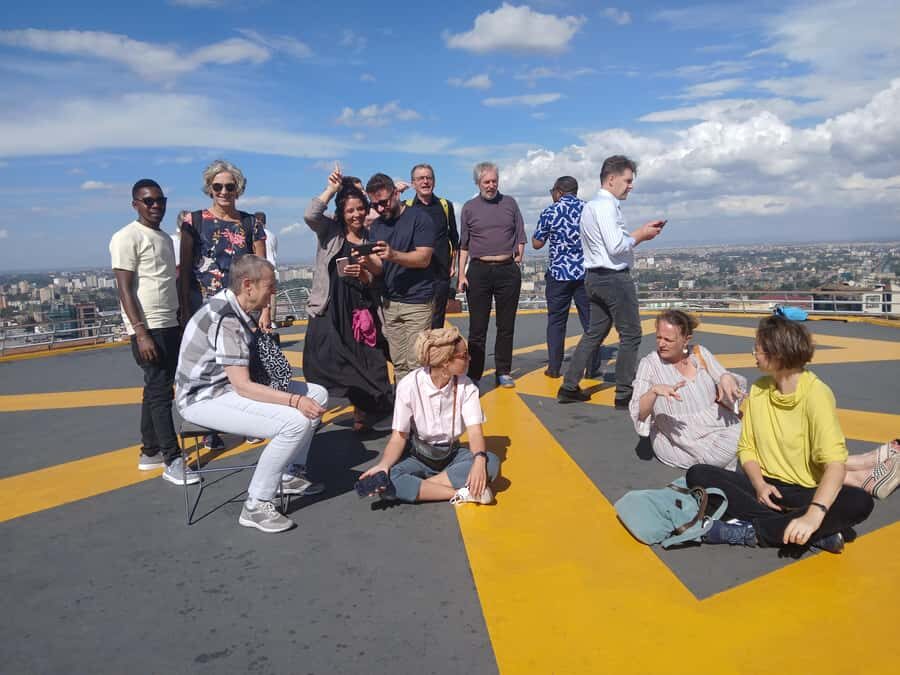
Next up, you’ll pass by Parliament of Kenya and then head toward the KICC Rooftop area. The KICC stop is structured as a photo stop plus visit/sightseeing, and the entrance is an extra $4 per person.
If you’re the type who likes your city views, this rooftop timing is smart. Coming after government-area pass-bys means you’ll understand the city grid and civic layout before you look down from above.
This is also where the tour’s “on foot but strategic” format shows. You’re not trying to cover every landmark in Nairobi in one go; you’re picking the spots that give you orientation. The rooftop helps you connect the street-level experience to the bigger map in your head.





Maasai Market and City Market: Real Shopping Where Locals Also Go
Two market stops do the heavy lifting for making this tour feel like downtown life, not a checklist. First is Maasai Market, and later you’ll reach the City Market for more shopping time.
At Maasai Market, you’ll see a mix of local shoppers and tourists shopping for items like souvenirs (the tour description specifically calls out goods such as solvanares, and you’ll know what that means once you’re there). Your guide will also walk you through the “how markets work” side—what vendors sell, how bargaining tends to happen, and why you’ll see so many small stalls packed into a tight footprint.
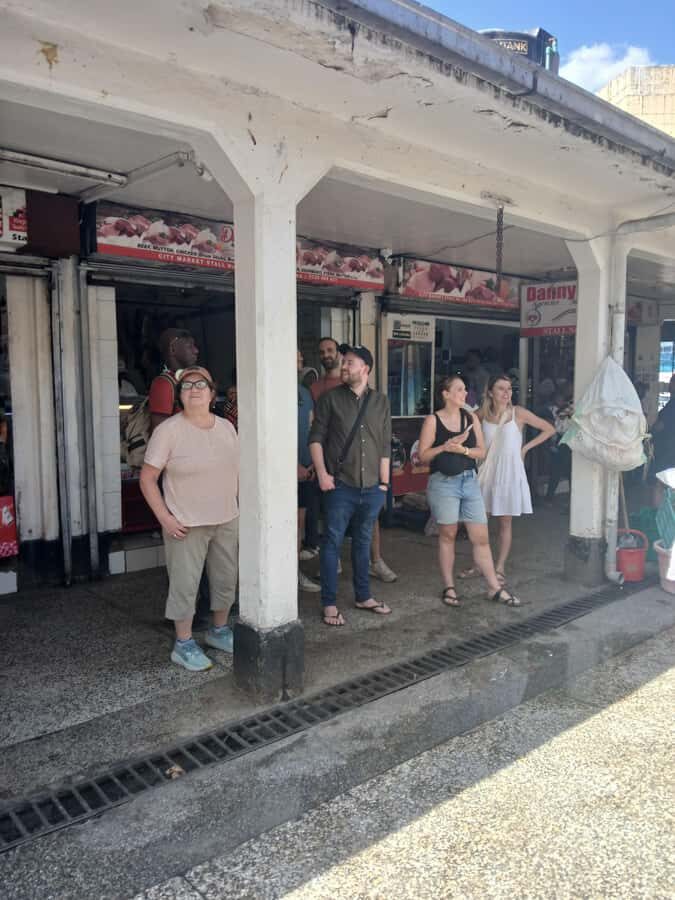
Then there’s City Market, where locals shop for everyday goods like flowers and meat. This stop is especially useful if you want to understand Nairobi beyond tourist commerce. You get a glimpse of where the city’s daily needs get handled, and you’ll see how market energy changes block by block.
I also appreciate that your guides build in time. You’re not rushed through with a whip-fast “look and leave” routine. That makes it easier to browse, ask questions, and buy if you want to.
Matatu Culture and Street-Level Nairobi Talk You’ll Actually Use
A big part of why this tour earns strong feedback is the culture explanation that comes with the walking. The tour focuses on matatu culture, plus “city culture” and city religion, guided by your local expert.
Here’s the practical value: once you learn the basics, Nairobi starts to make sense faster. You’ll be able to look at the street scene—people moving quickly, signs, music, routes—and read it as a system rather than noise.
You’ll also hear perspective on street vendors and marketers. Guides like David and Ibrahim, based on guide-style patterns across past tours, tend to slow down and let you ask questions. In plain terms: you’ll get real answers, not just “because it’s Kenya” generalities.
The Route’s Quirks: Smoking Zone, Scenic Views, and Short Walk Breaks
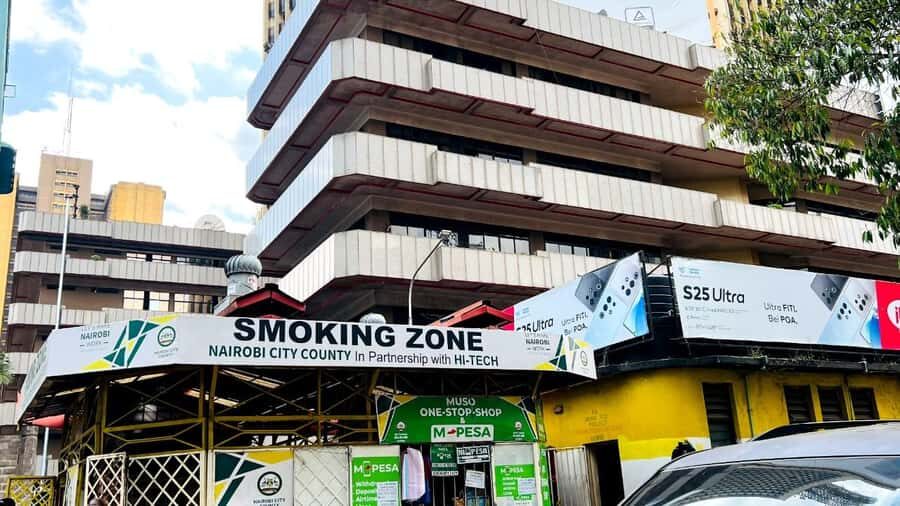
The route includes a stop called Smoking Zone for sightseeing and walking. You won’t get much use out of it as a landmark, but it can help you understand how the city uses names for areas and how people organize their routines around specific zones.
You’ll also get scenic views on the way, plus a short on-foot segment (about 10 minutes). Think of these as small pacing tools. They break up the heavier landmark blocks and give your eyes room to breathe before you reach the next major spot.
The final named stop is City Walk Kenya LTD – Hilton, which works as a break point. It’s a decent “reset moment” if you need water, a bathroom stop, or just a quick pause before the tour ends at the given point.
Price and Logistics: Where the $27 Really Fits
At $27 per person for about 150 minutes, this tour sits in the “good value” category if you want downtown context without hiring a private driver for a full day. You’re not paying for a car for the whole time on foot—you’re paying for guided navigation and planned stops.
Here’s the real budgeting math:
- Included: hotel/apartment pickup, plus the McMillan Memorial Library visit
- Not included: KICC entrance (about $4 per person), plus drop off back to your hotel
That last part matters. If you’re relying on the tour to handle everything, you’ll want a taxi or ride plan for the end point. The tour does include the pickup, but it doesn’t include the drop-off.
Also, you should expect a more “walking CBD” style day. The tour is outdoor-focused, so dress like you’ll be outside for a couple hours, not like it’s a quick indoor stop tour.
Safety, Comfort, and What to Bring (So You Don’t Hate This Tour)
Comfort starts with shoes. Bring comfortable shoes, and leave high heels at home—high heels aren’t allowed.
The tour also lists a clear no-go set:
- no luggage or large bags
- no jewelry
- no alcohol or drugs
That’s not just rules for the sake of rules. In crowded downtown walking, smaller carried items reduce friction and make you easier to manage in traffic foot flows.
The clothing/weather guidance is simple and smart. During hot seasons, bring sunglasses and a hat. During rainy periods, bring a rainy coat. Since the tour is outdoors, you’ll feel the weather more than you would on a museum-style route.
Finally, double-check accessibility expectations. It isn’t suitable for wheelchair users, and it isn’t designed for hearing-impaired guests. If you need accommodations, plan on alternatives rather than assuming the route can flex.
Who This Walking Tour Best Suits
This works best if you’re:
- in Nairobi for a short time and want downtown orientation quickly
- interested in how markets operate (not just big monuments)
- the type who likes questions and conversation with a guide
- comfortable walking on city streets for about 2.5 hours
It’s less ideal if you want a slow, low-stress stroll with lots of seated time, or if you need mobility/access accommodations.
Should You Book This Nairobi Downtown Walking Tour?
Book it if you want a practical introduction to Nairobi’s CBD: markets where you’ll see how locals shop, landmark pass-bys that explain civic life, and guide-led context on matatu culture and city religion. The $27 price feels fair because it bundles pickup plus a real library visit, not just a photo-walk.
Skip it (or plan a different format) if you’re not comfortable with an outdoor walking schedule, if you need accessibility support not covered by the tour, or if you’d rather avoid extra costs like KICC entrance. Also, if you don’t want to manage “end-point logistics” for getting back, line up your ride plan before you start.
If you’re game for streets, markets, and stories, this is the kind of Nairobi day that gives you something to carry past the photo roll.
FAQ
How long is the Nairobi Downtown Walking Tour?
The tour duration is 150 minutes.
How much does the tour cost?
The price is $27 per person.
Is pickup included, and where does it come from?
Pickup is included from any hotel or apartment in Nairobi. The activity also lists a pickup location in Nairobi County.
Is drop-off back to my hotel included?
No. Drop-off to the hotel is not included.
What stops are included during the walk?
The tour includes a visit at the McMillan Memorial Library. It also includes sightseeing and pass-by stops at multiple landmarks, plus visits related to Maasai Market and City Market.
Is there any extra entrance fee?
Yes. KICC entrance is not included and costs about $4 per person.
What language is the guide available in?
The live tour guide is available in English and Spanish.
What should I bring or wear?
Bring comfortable shoes. For hot seasons, carry sunglasses and a hat; for rainy seasons, bring a rainy coat.
Is the tour wheelchair friendly or suitable for hearing-impaired guests?
No. It is not suitable for wheelchair users, and it is not suitable for hearing-impaired people.