REVIEW · NAIROBI
Overnight Safari to Amboseli
Book on GetYourGuide →Operated by Bongo International Travel Co Ltd. · Bookable on GetYourGuide
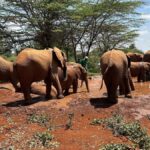
Elephants, with Kilimanjaro in view. Amboseli National Park is one of Kenya’s most dependable safari places, sitting on the plains with Mt Kilimanjaro showing up in the distance, and I love how the scenery turns every spotting into a photo-worthy moment. I also love the chance to see huge elephant herds, including large bulls with standout tusks. The only catch is that one night in the park can feel a bit short if you’re the type who wants to keep chasing lions’ tracks.
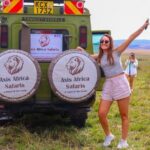
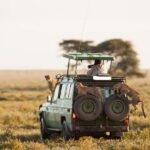
You’ll travel in an exclusive 7-seater minibus with pop-up roofs, so you can shoot comfortably without craning your neck the whole time. The trip runs on a simple rhythm: pick-up in Nairobi, lunch at the lodge, an afternoon game drive, then dinner plus an overnight stay at AA Amboseli Lodge or similar, and finally the return to Nairobi after breakfast. Priced at $345 per person, it’s a solid value if you focus on game drives and don’t plan to add lots of extras.
In This Review
- Quick hits: what makes this Amboseli overnight special
- Why Amboseli feels different when Kilimanjaro shows up
- Two game drives: how to get the most out of your time
- Elephants first: the sightings you came for
- Nairobi to Amboseli Day 1: lunch, then the first drive
- Day 2 back to Nairobi: why timing matters for flights
- Vehicle comfort and the pop-up roof advantage
- Price and value: does $345 per person make sense?
- Optional Maasai Village and hot air balloon: spend wisely
- What to bring, and who should think twice
- Should you book this Amboseli overnight safari?
- FAQ
- How many game drives are included in the tour?
- What is included in the price besides the safari?
- What accommodation will I stay in?
- Are park entrance fees included?
- Is a Maasai Village visit included?
- Is the hot air balloon safari included?
- When does the tour return to Nairobi?
- What’s the recommendation if I want to fly out the same day?
- What should I bring?
- Is the tour suitable for everyone?
Quick hits: what makes this Amboseli overnight special
- Kilimanjaro in the distance: the mountain backdrop adds drama to plains-and-elephants sightings.
- Elephant herds over 100: big-group viewing is a real part of the Amboseli experience.
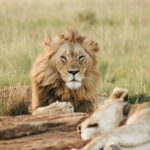
- A strong predator chance: lions, leopards, cheetahs, hyenas, and more are frequently seen.
- Pop-up-roof safari vehicle: easier photography without awkward posture.
- Two game drives included: you get more than just one shot at the wildlife.
- Full-board, one night: dinner and breakfast are handled, so you can focus on the park.
Why Amboseli feels different when Kilimanjaro shows up
Amboseli is famous for elephants, but what really hooks me is how the park sits out on open plains with Mt Kilimanjaro hovering in the background. It makes the whole safari feel bigger than the usual closed-in “bush” vibe you might expect elsewhere. Even when the wildlife is doing everyday stuff—feeding, moving as herds, or pausing near waterholes—you still get that distant mountain reference point that helps the views feel cinematic.
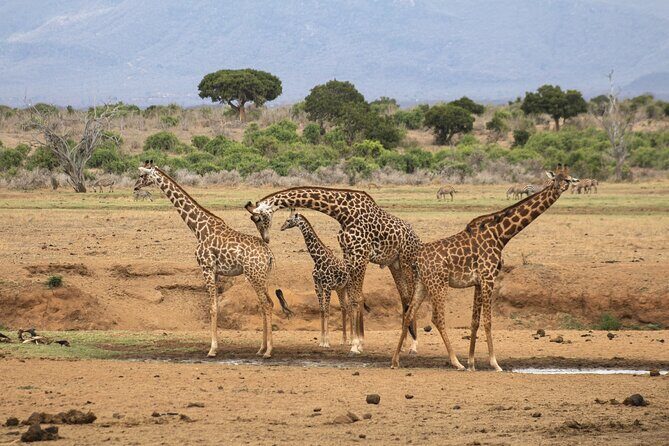
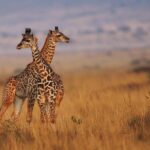
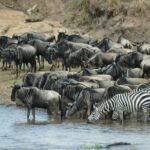
And because elephants are so central here, the landscape isn’t just a backdrop. Herd movement becomes the main event, with groups sometimes reaching very large numbers. The result is that your sightings can feel more like watching a functioning community than seeing a single animal in passing. If you like variety, you’re also not stuck with elephants only: buffalo, wildebeest, zebra, impala, giraffes, and warthog are also part of the mix, and predators often show up where the food chain is active.
One more practical point: the park’s reputation for animal density tends to make game drives more rewarding even when you’re not hunting for one specific species. You can go in with confidence that something interesting will be happening around you.
A few more Nairobi tours and experiences worth a look
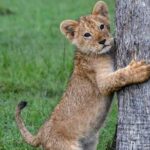
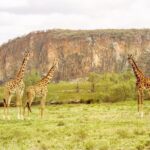
Two game drives: how to get the most out of your time
This trip includes two game drives, which matters because wildlife doesn’t move on your schedule. The plan typically gives you one drive in the afternoon on arrival day, then a second drive as you manage the return after breakfast. That gives you a better spread of conditions—morning and afternoon wildlife behavior often looks different, and animals may be easier to spot at certain times.
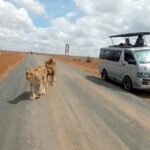
On the practical side, your vehicle is set up for viewing: you’re in an exclusive 7-seater minibus with pop-up roofs. That’s a big deal for photography and spotting, because you can raise up to see over the people in front and keep your camera steady. Bring your sunglasses and keep them handy; bright light and glare are common out on the plains.
Also, pay attention to your driver-guide’s guidance during each drive. The driver-guide is experienced and English-speaking, and that helps a lot when you’re trying to understand what you’re seeing—where animals are headed, what tracks might mean, and why you’re being asked to slow down or stop.
Elephants first: the sightings you came for
Amboseli’s main claim to fame is its substantial population of African elephants, and the information here is pretty specific. You can see herds of African elephants that may number over 100 individuals. That scale changes the vibe immediately. Instead of a single elephant moment, you’re watching a full social event—togetherness, movement, and the occasional bulldozing of the scenery by a dominant bull.
There’s also something to look for if you’re into detail: the large bull elephants have some of the biggest tusks in the animal kingdom. When you finally spot one of these bigger individuals, it tends to be the kind of view that sticks with you even after the safari turns into a blur of sightings.
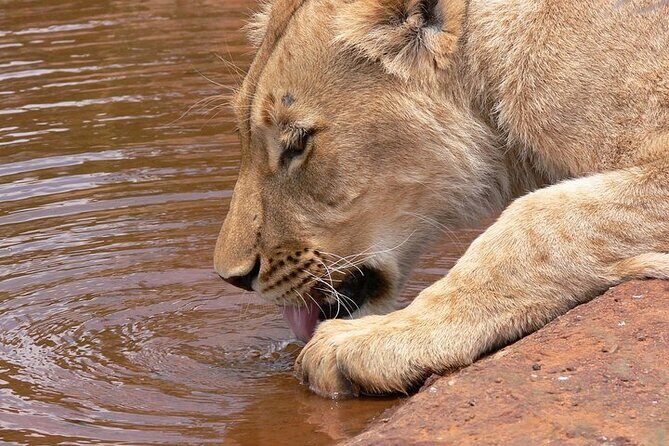
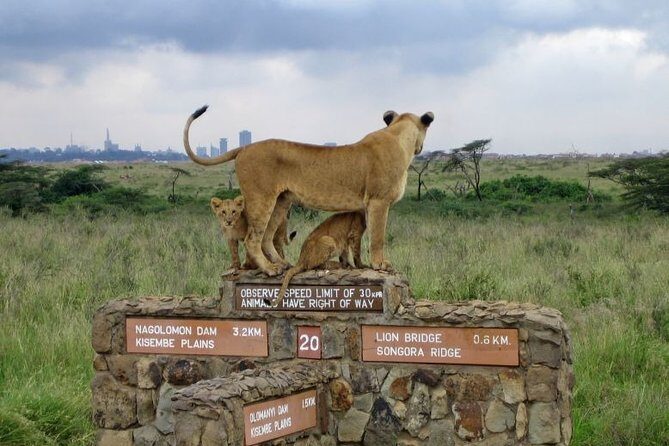
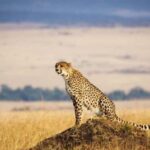
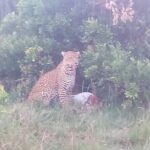
And yes, other animals are in the mix. You can expect buffalo, wildebeest, zebra, and impala, plus giraffes and warthog. But the big value is how well this base animal lineup supports predators. The park is home to a frequently seen predator list that includes lions, leopards, caracals, cheetahs, jackals, hyenas, and serval cats.
Amboseli is also known for the Big Five. That doesn’t mean you’ll guarantee every single one every time, but it does mean the park is set up for that kind of classic safari goal.
Nairobi to Amboseli Day 1: lunch, then the first drive
Your day starts with pick-up from your Nairobi hotel or from the airport. From there, you head to Amboseli National Park so you arrive in time for lunch at the lodge. I like this structure because it avoids the worst version of travel-safari fatigue: you’re not dealing with hunger while trying to scan for animals.
After lunch, you do your afternoon game drive. This is when you’ll get your first proper look at the plains and start learning the rhythm of sightings in this park. Afternoon drives can be a bit more about movement and positioning—animals shifting toward water or feeding areas, and predators adjusting their focus.
Then the day softens. Dinner and your overnight stay happen at AA Amboseli Lodge or similar under full-board arrangements. Full board is practical here: it means you’re not tracking meals or figuring out what’s nearby once you’re back from the drive. You can just decompress, recharge, and plan to be ready for an early, focused second day.
Day 2 back to Nairobi: why timing matters for flights
After breakfast, you return to Nairobi and are dropped off at your Nairobi hotel or airport. The key detail is that safaris return between 2:00pm and 5:00pm. That’s not just trivia—it’s how you avoid the classic stress move of trying to outrun your own schedule.
If you’re departing Nairobi the same day, aim for a flight no earlier than 8:00pm. This gives you breathing room for traffic, slowdowns, and the very real possibility that your return timing is tied to how the morning drive (your second game drive) works out.
Also, note what the trip does not promise: it doesn’t build in a long sightseeing buffer in Nairobi once you return. This is a safari-first schedule. If you want extra time for Nairobi neighborhoods, food stops, or relaxed city pacing, you’ll need to plan that on a different day.
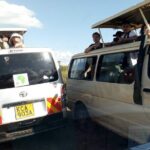
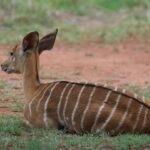

Vehicle comfort and the pop-up roof advantage
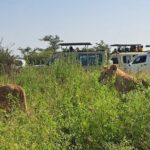
The “exclusive use” piece matters. You travel in a 7-seater minibus fitted with pop-up roofs designed for easier photography during the tour. Translation: you’re not fighting for position like you might on a crowded vehicle, and you’re less likely to miss key moments because you’re stuck behind someone’s head.
Your driver-guide is experienced and English-speaking. That matters most when you’re scanning quickly. A good guide helps you understand what you’re looking at, why you’re stopping where you’re stopping, and how to interpret animal behavior without turning your game drive into guesswork.
One more comfort tip: wear comfortable shoes. You may be in and out of seats, moving a bit during stops, and doing short stretches for better viewing. The lighter your body feels, the faster you can focus on wildlife.
Price and value: does $345 per person make sense?
At $345 per person, this overnight safari is priced like a focused package: transport, guiding, and wildlife time are the core deliverables. Here’s what’s included that you’d otherwise pay for separately in many set-ups:
- Hotel or airport pick-up and drop-off
- Exclusive 7-seater minibus with pop-up roofs
- Services of an experienced English-speaking driver-guide
- Drivers allowance
- All government taxes and levies
- One night full board accommodation (AA Amboseli Lodge or similar)
- 1 liter bottled mineral water per person per day
- Two game drives
So your money mostly buys you two important things: getting to Amboseli with minimal hassle, and being able to spend enough time on drives to actually see animals.
What’s not included is where you need to do a quick budgeting check:
- Entrance fees (adult $60 per person, child $35 per person)
- Maasai Village Visit ($30 per person)
- Hot air balloon safari (adult $480, child $390)
- Personal expenses and anything not listed
That entrance fee part is the one most people forget. If you add it in, your total per person increases right away. The balloon is a major splurge and really changes the feel of the trip from classic drive safari to an extra big-ticket add-on day.
Optional Maasai Village and hot air balloon: spend wisely
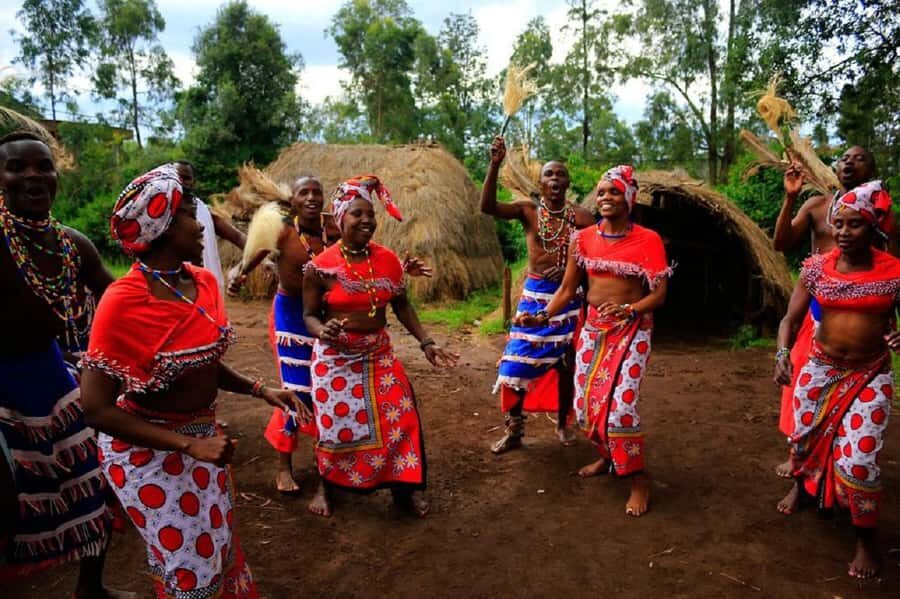
Two common add-ons appear here. First, the Maasai Village Visit costs $30 per person. If culture and human connections matter to you (beyond just seeing animals), this can be a meaningful extra. Just keep your expectations grounded: it’s an add-on with a set price, not a free bonus stop.
Second, there’s the hot air balloon safari. Adults are $480, children $390. That’s expensive enough that I’d only choose it if you know you’ll value the aerial perspective and you’re comfortable making the day even more of a “big event” than the rest of the trip.
If you’re unsure, prioritize the included elements: two game drives, one full night with dinner, and the classic Amboseli elephant focus. The park itself already does the heavy lifting.
What to bring, and who should think twice
Keep the packing simple. You’re asked to bring:
- Passport or ID card
- Comfortable shoes
- Sunglasses
Don’t bring pets, and avoid oversize luggage. On safari, space inside the vehicle is part of the experience, and extra bulky items make everything less comfortable.
This trip also has clear suitability limits. It’s not suitable for people with back problems and it’s not suitable for people with mobility impairments. Since safaris involve sitting for long stretches and moving around at stops, this is the kind of constraint you shouldn’t ignore.
If you fit comfortably in a seated vehicle for game drives, you’ll likely find the pop-up roof setup helps a lot with viewing and photo angles.
Should you book this Amboseli overnight safari?
Yes, I’d book it if you want a classic Amboseli focus with elephant herds, strong predator odds, and a Kilimanjaro backdrop—all without overcomplicating your schedule. The value is strongest when you want what’s included: the pick-up/drop-off, experienced English-speaking driver-guide, exclusive pop-up-roof vehicle, one night full board, and two game drives.
I’d think twice only if you know you’ll feel shorted by time in the park. If seeing as much as possible matters most to you, consider adding extra days in the area so you can slow down and chase sightings at the pace wildlife demands.
If your main goal is to get to Amboseli and make it a real safari, this overnight is a practical, worthwhile way to do it.
FAQ
How many game drives are included in the tour?
The tour includes 2 game drives.
What is included in the price besides the safari?
The price includes hotel or airport pick-up and drop-off, an exclusive 7-seater minibus with pop-up roofs, an experienced English-speaking driver-guide, drivers allowance, all government taxes and levies, one night full board accommodation, and 1 liter bottled mineral water per person per day.
What accommodation will I stay in?
Dinner and overnight accommodation are at AA Amboseli Lodge or similar.
Are park entrance fees included?
No. Entrance fees are not included (adult $60 per person, child $35).
Is a Maasai Village visit included?
No. A Maasai Village visit is optional and costs $30 per person.
Is the hot air balloon safari included?
No. The hot air balloon safari is optional and costs $480 per adult and $390 per child.
When does the tour return to Nairobi?
The safari concludes with drop off at your flight or hotel, and safaris return between 2:00pm and 5:00pm.
What’s the recommendation if I want to fly out the same day?
The tour recommends not booking a flight departing Nairobi any earlier than 8:00pm if you are leaving Nairobi the same day.
What should I bring?
Bring your passport or ID card, comfortable shoes, and sunglasses.
Is the tour suitable for everyone?
It is not suitable for people with back problems or mobility impairments, and pets are not allowed.