REVIEW · NAIROBI
5Hrs Nairobi National Park MorningEvening gamedrive 4×4 vehicle
Book on Viator →Operated by Wellington Ecotours and Safaris · Bookable on Viator
Nairobi safari from the city edge hits different. In just a few hours, you’ll roll through Nairobi National Park in a 4×4, chasing sightings that can include giraffes, rhinos, lions, cheetahs, and lots of birds, while still having time for conservation and a local craft stop. I like that it’s built as a half-day plan with clear add-ons, not a one-note drive.
Two things I really like: first, the wildlife focus with a professional driver/guide who helps you spot what you came for (and has local eyes for movement, not just “look at the grass”). Second, the convenience—pickup/drop-off to your hotel or airport, an air-conditioned vehicle, bottled water, and free Wi‑Fi make this easier than cobbling together separate transport.
One drawback to keep in mind: the Nairobi National Park entry ticket is not included, so you’ll need to budget extra and be ready to handle whatever the gate system requires on the spot.
In This Review
- Key Points Before You Go
- Nairobi National Park: Safari From the City Edge
- 4×4 Game Drive Style and Wildlife-Spotting
- Dawn or Evening: When to Start for Better Sightings
- Ivory Burning Site Monument Stop
- Kazuri Beads Factory: Quick Clay-Craft Lesson
- Price, Tickets, and What to Pack
- Who Should Book This Half-Day Safari
- Should You Book This Nairobi National Park Safari?
- FAQ
- How long is the Nairobi National Park game drive tour?
- Is hotel or airport pickup included?
- Is the Nairobi National Park entry ticket included in the price?
- What is included in the tour besides the game drive?
- Do I need to pay for the Ivory Burning Site stop or Kazuri Beads Factory stop?
- How big is the group for this tour?
- Is the vehicle air-conditioned and suitable for a game drive?
- Is tips included?
- Can I get a full refund if I cancel?
- What payment method is mentioned for park entry?
Key Points Before You Go
- 4×4 game drive close to Nairobi for a quick safari hit without a long transfer
- Professional spotting help from the driver/guide, including help with entrance tickets in some cases
- Air-conditioned pickup/drop-off to your hotel or airport, with group size capped at 15
- Ivory Burning Site stop that adds a conservation lesson (45 minutes)
- Kazuri Beads Factory craft time where you learn jewellery and pottery techniques from clay (30 minutes)
Nairobi National Park: Safari From the City Edge

This is what makes Nairobi National Park special: you’re in a national park, but the city isn’t far away. You can feel it in the setting, too—people talk about seeing the rough edges of infrastructure like the train line cutting through and nearby flights landing—yet the payoff is real. From inside the park, you’re still watching animals on open grass and around water points, often with dramatic skyline backdrops.
Expect a classic savannah rhythm. You’ll spend long enough in the vehicle to get into “animal mode,” scanning for movement, listening for birdsong, and letting the guide lead the pace. Many sightings here are close, and that’s the difference between a quick glance and a proper “wow, that’s right there” moment.
This tour keeps the plan practical. You get the main game drive first, then you head to a meaningful conservation stop, and finally you add a short creative break at Kazuri. If you’re tight on time, that structure is a lifesaver.
You can also read our reviews of more tours and experiences in Nairobi.



4×4 Game Drive Style and Wildlife-Spotting
You’re in a 4×4 for the game drive, so you’ll be able to reach the park’s best viewing areas even when roads get rough. The vibe is straightforward: you drive, stop when something looks promising, and move again. If you’re the type who likes real spotting—ears up for bird calls, eyes on the horizon—this kind of safari usually clicks.
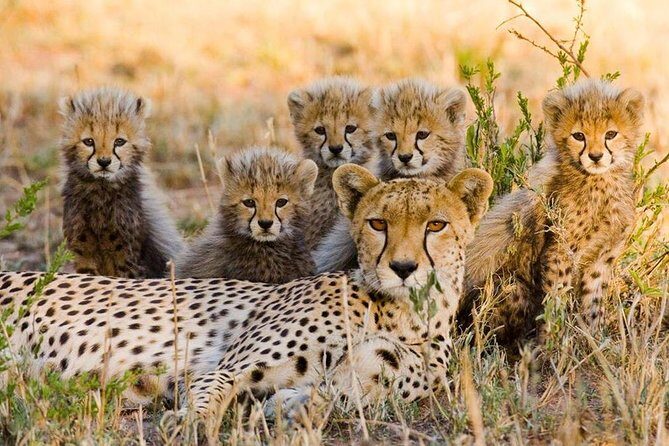
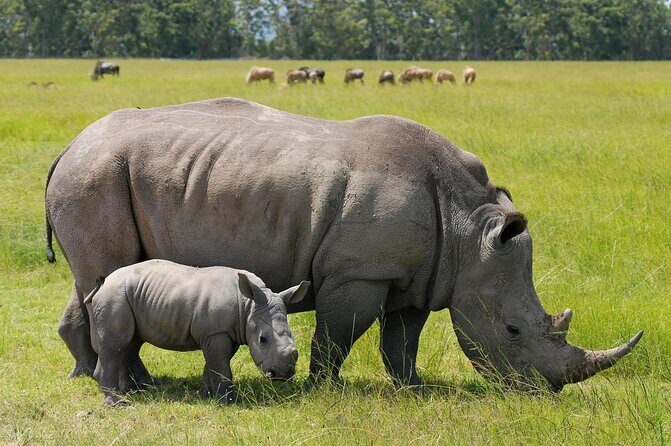
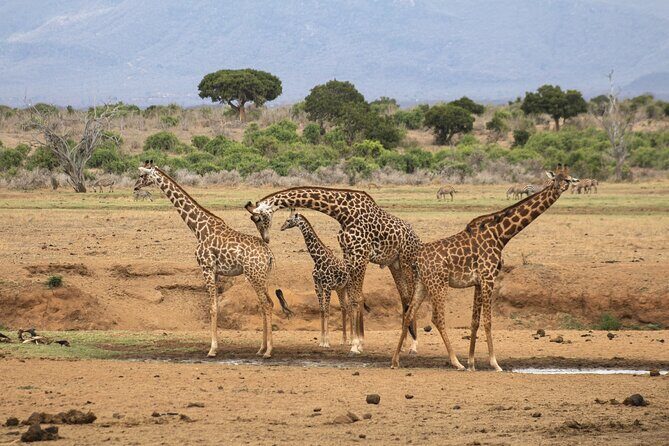
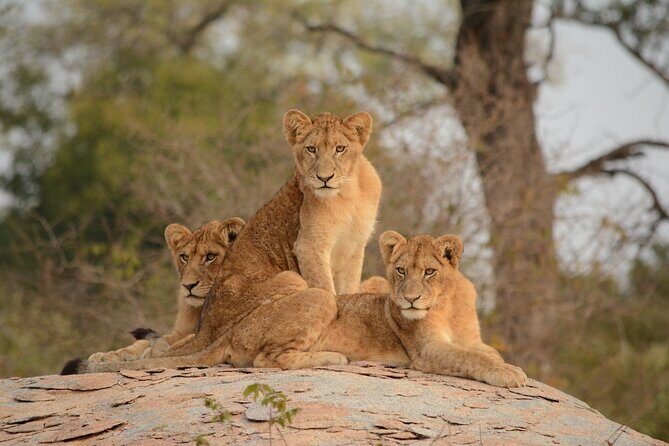
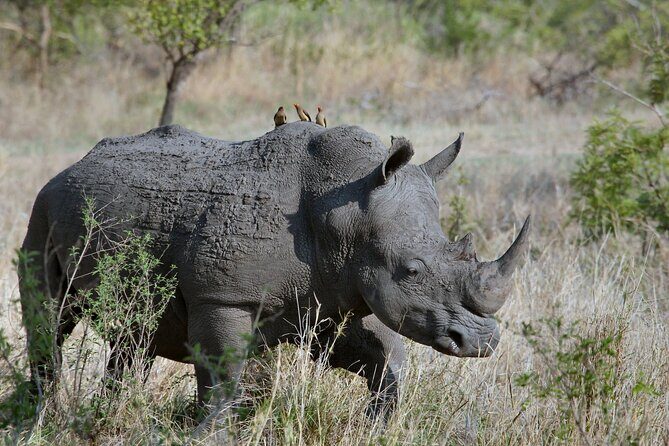
Wildlife success here can vary day to day. But the tour is designed around “high odds of seeing something big,” including the Big Five: lion, leopard, buffalo, elephant, and rhinoceros. Even when one of those isn’t visible, you can still come away with strong variety: giraffes grazing nearby, zebras, ostriches, gazelles, impala, hippos near water, and plenty of birds.
A big part of the value is the guide’s effort to find animals, not just sightseeing roads. In real outings, guides like Brian and Willy have been singled out for being attentive and for tracking animals using local knowledge. That matters because in a park like this, animals don’t always appear right where you first want them.
One caution: vehicle comfort can be hit-or-miss. Some people describe an older, more cramped vehicle that bounces on dirt roads, which can be rough if you’re sensitive to neck/shoulder jostling. If you want max comfort, ask what the vehicle will be like when you confirm.
Dawn or Evening: When to Start for Better Sightings
This is the kind of park where timing helps. The plan leans toward early hours, because animals are often more active when the light is soft and the temperatures are lower. The itinerary specifically frames the game drive as starting with the sunrise vibe, and that’s usually when you get more action—especially with cats, grazers, and the overall movement of herds.
Some departures can be around 6am based on firsthand pickup timing described by past guests. If lions are your top target, you’ll want to understand how early your pickup truly is. In simple terms: if you start a bit late, you may miss the most intense pre-day activity window.
Evening can work too, especially for birds and for seeing animals at closer range when the light is slanting. Just don’t expect the same “everything is awake” effect as prime morning hours.
If you’re doing this as part of a tight itinerary—say an airport layover—this half-day format is a smart match. It’s long enough to matter, short enough to keep your schedule intact.
Ivory Burning Site Monument Stop

After the first chunk of safari time, you’ll detour to the Ivory Burning Site Monument & Picnic Area. This stop lasts about 45 minutes, and it adds context that most short safaris skip: Kenya’s efforts to combat poaching and the ivory trade.
What I like about this part of the day is that it keeps things grounded. You’re not only watching wildlife—you’re learning why conservation matters right now, and why enforcement and public awareness are part of the same story as “seeing rhinos in the wild.”
It’s also an easy mental reset. You go from scanning for movement in the savannah to a calm, informative site where you can sit, process, and then gear up for the craft stop.
Kazuri Beads Factory: Quick Clay-Craft Lesson

Next up: the Kazuri Beads Factory stop. You’ll spend around 30 minutes learning how to make jewellery and pottery from clay. It’s short, hands-on, and it gives your day a local flavor beyond wildlife.
This is a good fit for anyone who doesn’t want a long cultural programme packed into a safari day. You get a taste of how local artisans work—more personal than a standard “look and buy” stop—and it’s easy to enjoy even if you’re not the arts-and-crafts type.
One practical note: this craft time is part of the tour flow, so it’s not a deep workshop where you’ll master techniques for hours. Think of it as a fun introduction you can repeat later in your own life.
If you like travel days with variety—animals plus something human—you’ll likely enjoy this segment a lot.

Price, Tickets, and What to Pack
This tour is priced at $40 per person and typically gets booked around 15 days ahead. For a half-day plan that includes pickup/drop-off and a guided 4×4 drive, it’s good value—especially when your alternative would be renting a vehicle, negotiating park access, and losing the “spotting help” of a driver who knows where to look.
But you should budget for the stuff that’s not included. The Nairobi National Park entry ticket is payable at the gate, tips aren’t included, and alcoholic beverages aren’t included. That means your final spend will depend on what you pay at entry plus how you handle gratuities.
Here’s the real logistics lesson: don’t assume gate entry will be painless. In one real-world case, a group spent extra time figuring out payment at the gate after discovering the park-entry system required credit card payment, while the group only had cash. To save yourself that kind of stress, bring the payment method you think the gate will accept—ideally a credit card.
Water is included as bottled water, and this is usually helpful on a game drive. Still, there’s a small risk of “gate rules” complicating it. Some people describe water being left at the gate due to a no-plastic rule inside the park. If you’re picky about hydration, bring a small plan for how you’ll handle water once you arrive—especially if you’re sensitive to plastic packaging.
Also double-check your pickup point. One account describes a situation where the pickup location mismatch led to an extra paid airport drop. That doesn’t sound like the usual intent of the tour, so treat it as a reminder: confirm your exact pickup details early, in writing if possible.
Who Should Book This Half-Day Safari
This tour suits you best if you want three things in one block: wildlife time, a real conservation stop, and a quick local craft experience. It’s especially handy for short schedules, like airport layovers, because you get movement, sights, and a full storyline without committing a full day.
It’s also a solid choice if you prefer a guided safari where someone else does the heavy lifting of spotting and decision-making. The guide/driver focus shows up in the feedback tied to names like Brian and Willy, where people credit them for locating animals and keeping the pace attentive.
Where it may not fit: if you’re expecting luxury comfort, perfect punctuality, or guaranteed Big Five sightings every time. The park is wild, roads can be bumpy, and sightings depend on animal movement. And as with any short, affordable safari, you may trade a bit of comfort for value.
Should You Book This Nairobi National Park Safari?
If you’re on a time budget and you want a well-paced safari plus two meaningful extras, I think this is worth booking. The mix is efficient: game drive first, then Ivory Burning Site for conservation context, then Kazuri beads for a hands-on local finish. At $40, the structure is a strong deal as long as you plan for park entry tickets at the gate and bring the right payment method.
If you’re comfortable with a vehicle that might be less plush, and you’re not chasing perfection in timing or a guaranteed lion-rhino-elephant parade on demand, you’ll likely enjoy this. Just confirm your pickup details carefully, bring smart payment options for entry, and go into the drive ready to be patient. That’s when Nairobi National Park delivers.
FAQ
How long is the Nairobi National Park game drive tour?
The tour lasts about 4 to 6 hours total. The game drive portion is around 4 hours, with additional time at the Ivory Burning Site (45 minutes) and Kazuri Beads Factory (30 minutes).
Is hotel or airport pickup included?
Yes. Pickup and drop-off to your hotel/airport are included.
Is the Nairobi National Park entry ticket included in the price?
No. The Nairobi National Park entry ticket is payable at the gate.
What is included in the tour besides the game drive?
Included items are bottled water, a professional driver/guide, pickup and drop-off, an air-conditioned vehicle, a Kazuri Beads Factory visit, and free Wi‑Fi.
Do I need to pay for the Ivory Burning Site stop or Kazuri Beads Factory stop?
The Ivory Burning Site Monument & Picnic Area admission is listed as free. The Kazuri Beads Factory admission is listed as not included.
How big is the group for this tour?
The group size has a maximum of 15 travelers.
Is the vehicle air-conditioned and suitable for a game drive?
Yes. The tour uses an air-conditioned vehicle, and it’s described as a 4×4 game drive.
Is tips included?
No. Tips and gratuities are not included.
Can I get a full refund if I cancel?
Yes. You can cancel up to 24 hours in advance for a full refund. If you cancel less than 24 hours before the start time, the amount paid is not refunded.
What payment method is mentioned for park entry?
The tour data says you pay the Nairobi National Park entry ticket at the gate, but it does not list the exact payment methods. If you want to avoid gate delays, bring the payment option you expect the gate to accept.