REVIEW · NAIROBI
Nairobi Historical Walking City Tour
Book on Viator →Operated by Safari Port · Bookable on Viator
Nairobi tells its story on foot. This walking city tour threads together the places locals use every day—Jeevanjee Gardens, City Market, and landmark buildings in Nairobi’s CBD—then caps it with a view from the Kenyatta International Conference Center tower. It’s a smart way to get your bearings fast without turning your trip into a rush-and-repeat checklist.
What I like most is the level of context you get while you walk. I especially love that you’re with a private guide (so you can ask questions and set the pace) and that the guide is an art historian, which helps turn streets and buildings into understandable stories.
One thing to consider: this is a walk through busy areas, so comfortable shoes matter, and the pace can feel slower at the start if your guide spends time building the historical background. Also, the big rooftop entrance at KCC is not included in the base price.
In This Review
- Key points worth knowing before you go
- A walking tour that helps you read Nairobi at street level
- Starting at Jeevanjee Gardens (and why it’s more than a park)
- Jamia Mosque in Nairobi’s CBD: faith, heritage, and a landmark skyline moment
- City Market: shopping with history, not just souvenirs
- Kenyatta International Conference Center (KICC): the rooftop view and what to look for
- The private art historian guide: why one guide is better than a crowd
- How long is the tour really, and where time tends to go
- Price and value: why $35 can work (or not) for you
- Who should book this walking tour?
- Should you book? My practical recommendation
- FAQ
- How much does the Nairobi Historical Walking City Tour cost?
- How long is the tour?
- What places do you visit on the tour?
- Is the Kenyatta International Conference Center entrance fee included?
- What is included in the tour price?
- Are any other site fees included?
- Can I cancel and get a refund?
Key points worth knowing before you go

- Jeevanjee Gardens: a public park donated to and owned for Kenya’s poor, with a designated public smoking zone.
- Jamia Mosque timing and architecture: built in phases between 1925 and 1933, tied to Syed Maulana Abdullah Shah’s 1902 founding.
- City Market in a 1930s building: free entry for a quick look at masks, paintings, garments, and food stalls.
- KCC tower viewpoint: 360 rooftop views and a chance to spot major Nairobi landmarks from above.
- Private group format: you get a single guide for your own group, not a shared crowd shuffle.
- Smart price for a focused walk: $35 per person for an art historian guide, with optional add-on sites paid separately.
A walking tour that helps you read Nairobi at street level

Nairobi can feel layered. One minute you’re in a modern CBD street. The next, you’re standing in a space shaped by older plans, older faith communities, and the early years after independence. A walking format matters here. You see how people actually move through the city rather than just catching a view from a car window.
This tour also gives you something many city tours skip: a bridge between the past and the present. Instead of naming landmarks and rushing on, the guide uses each stop to explain what changed, what stayed, and why it matters now. It’s the difference between collecting photos and understanding what you’re looking at.
You’ll cover a central route that works especially well if it’s your first visit or if you want a “how the city works” tour without spending a whole day traveling cross-town.
You can also read our reviews of more walking tours in Nairobi



Starting at Jeevanjee Gardens (and why it’s more than a park)
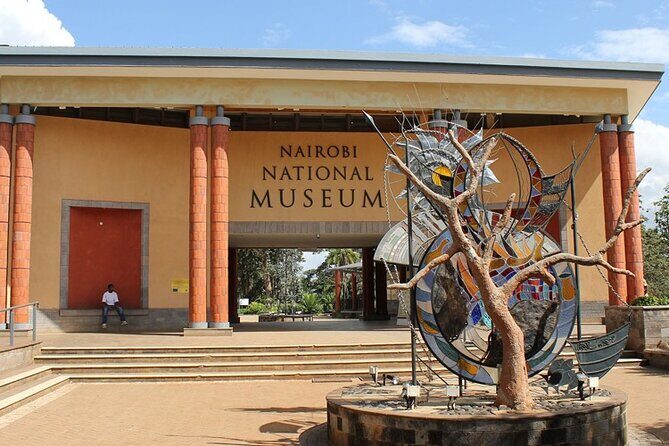
You begin at Jeevanjee Gardens, located at 27 Monrovia St. This is a public space with a specific social purpose. The park was donated to and owned by Kenya’s poor, and it plays a role in daily routines—people often rest there around lunch hours.
Here’s what makes it more interesting than many garden stops: it’s also described as a public smoking zone, because smoking anywhere else isn’t treated as acceptable practice in Nairobi. That detail might sound small, but it’s the kind of everyday rule you only hear when you’re standing in the place itself.
Practical tip: this start area sets the tone. If your guide spends time explaining Nairobi’s historical context before you start moving, don’t fight it. It helps the next stops click into place. Still, if you’re short on time, ask how your guide is timing the day. A private guide can often adjust the pace.
Jamia Mosque in Nairobi’s CBD: faith, heritage, and a landmark skyline moment
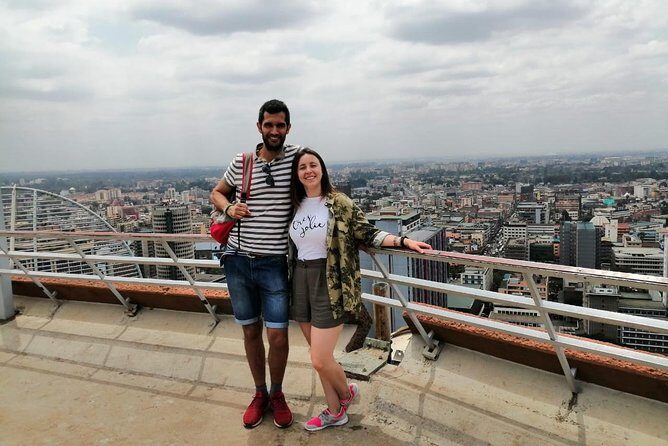
From the gardens, you head to Jamia Mosque, a major heritage site on Banda Street in the central business district. It’s not just a building you pass by. It’s described as an important center of Islamic practice across East and Central Africa, and it functions as a visual anchor at the heart of Nairobi.
Two history details really stand out. Jamia Mosque was associated with a founding by Syed Maulana Abdullah Shah in 1902. The current construction dates are also clearly framed: it was constructed between 1925 and 1933.
Why you’ll care: in a city like Nairobi, religious buildings often explain older settlement patterns and how communities organized themselves before modern roads and skylines. If you take a minute to look at the mosque as an architectural landmark (not just a religious site), you’ll see why guides treat it as a must-see stop.
Also, keep your expectations realistic. This is a walking tour in an active area. You’ll want to be respectful with your time and attention, and you’ll get more out of the visit if you listen first, then look closely.
City Market: shopping with history, not just souvenirs

Next comes City Market, a monumental building dating to the 1930s. It’s a practical stop because it’s still a working market. You’re not only learning about the past; you’re walking through a place where you can shop and browse in the present.
The market is known for cultural souvenirs and clothing. Expect sections with items like masks, paintings, garments, and even fresh food options. The tour info also points out there are meat selling sections, so it’s a real market with the full range of commerce.
There’s also a timing win: admission is free, and the visit is listed at about 20 minutes. That makes it a nice fit for people who don’t want a long shopping detour.
How to get value: if you want souvenirs, go into this stop with a simple plan. Pick categories you actually want to bring home—like one good piece of fabric or one art item—then let your guide help you understand what you’re seeing. The tour is designed to include help shopping for local souvenirs, which can save you from the stress of figuring out what’s typical or overpriced on your own.
Small caution: markets are active and can move fast. If you prefer slow browsing, tell your guide upfront. They can help you slow down without turning the day into a marathon.
Kenyatta International Conference Center (KICC): the rooftop view and what to look for

The tour’s big visual payoff is the Kenyatta International Conference Center (KCC) and its tower viewpoint. The end location is described as City Square along Harambee Ave, and the landmark is the tall round tower in Nairobi’s Central Business District.
You’re in for a rooftop 360-view style experience, where your job is to identify Nairobi’s scale and key landmarks from above. The tour info also flags that KCC is tied to the early independence era. It’s described as one of the first buildings constructed after independence and as a place where the international community showcased products and services.
Here’s the thing I think makes this stop worth it: Nairobi from the top doesn’t just look impressive. It helps you understand why the CBD feels the way it does. Streets, distances, and neighborhood density become easier to read after you’ve seen the “map view” first.
Two important notes:
- KCC entrance fee is not included in the tour price. Plan to pay separately.
- The rooftop visit is listed as about 2 hours. That’s the part of the day most likely to stretch the tour toward the longer end of the stated 2–5 hours.
If you’re picking a time window for Nairobi, this is a great anchor stop. Just remember you’re dealing with real city conditions—light can change quickly, and it’s easier to enjoy the view if you keep your schedule realistic.
You can also read our reviews of more city tours in Nairobi




The private art historian guide: why one guide is better than a crowd
The tour is guided by a professional art historian. That matters because it changes the way information gets delivered. Instead of only pointing out dates, you get interpretation: how buildings relate to culture, how art and design show up in public life, and how places function over time.
Another practical win: the tour is private, meaning your group stays with your guide rather than merging into a larger group. You can ask follow-up questions on the spot, and your route can feel more tailored to what you care about—mosques and architecture, market culture, or the independence-era city story.
The guide names shared in the tour details include Michael, Ezekiel, and Tim. Whoever you get, the overall pattern from the tour description is consistent: friendly guidance, historical framing, and help navigating practical spots like the market.
If you’re the type who wants to learn fast, this setup helps you do it without the awkward silence that can happen in bigger group tours. You can keep the pace and still get depth.
How long is the tour really, and where time tends to go

The duration is listed as 2 to 5 hours. That range makes sense because the day is built around walking plus a heavier time investment at the rooftop.
In practice, most of your time will likely land in two areas:
- The KCC experience, which is listed at around 2 hours
- The walking segments between central sites, including the time your guide spends explaining background context
One reason people enjoy this tour is that it often feels like a structured city primer rather than an endless stroll. You get stops that each serve a role: public park life, heritage architecture, market culture, then panoramic views.
Practical advice before you go:
- Wear shoes you’d wear for a real city walk, not just for light strolling.
- Bring water if you think you’ll need it. Food and drinks aren’t included.
- If you’re on a tight schedule, tell your guide early so the day stays realistic.
Price and value: why $35 can work (or not) for you
At $35 per person, this tour positions itself as a value buy for a guided, central Nairobi experience. You’re paying for a private guide and a history-to-street-level explanation. In many cities, that combination often costs more, especially when the guiding includes a set of major CBD landmarks.
What you get in the base price:
- Professional art historian guide
- Guided walking through major historical and cultural stops
- Help with local shopping for souvenirs
What adds cost later:
- KICC entrance fee (not included)
- Food and drinks
- Souvenir photos (available to purchase)
- If you choose to add other nearby sites, their fees are listed separately, such as Nairobi National Archives ($3) and Nairobi Railway Museum ($10), plus Nairobi Memorial Park (300KSH)
So, how do you judge value? For me, it comes down to whether you want a guided look at:
- Jamia Mosque as a heritage and architecture landmark
- City Market as a practical shopping stop
- A rooftop view that helps you understand the city’s layout
If yes, $35 is a fair entry fee into Nairobi’s core story. If you only want one attraction—say, only the rooftop—you might compare costs with a different plan. But if you want a guided city primer that also helps you shop intelligently, the price makes sense.
Who should book this walking tour?
This is a strong fit if:
- You’re on a short trip and want a fast, meaningful city orientation.
- You like guided explanations while you walk, not just a collection of photos.
- You want help with buying local souvenirs without feeling lost in the market.
You might skip it if:
- You hate walking through active areas and prefer a fully seated, low-effort plan.
- You’re strictly cost-focused and don’t want to pay separate entrances at KCC.
If you have a layover or a free afternoon, it also works well because it’s set up around central Nairobi. And since it’s a private tour for your group, you’re not stuck with slow walkers in the wrong place at the wrong time.
Should you book? My practical recommendation
Book this tour if you want Nairobi’s story explained in a way you can actually see. The mix of Jeevanjee Gardens, Jamia Mosque, a functioning City Market, and the KCC rooftop viewpoint makes for a complete, “first-time in Nairobi” plan. The private guide format is the secret sauce here. It turns crowded information into a conversation.
I’d hold off only if you’re trying to keep every single fee inside the $35 total, since the KCC entrance is not included and market shopping can turn into impulse buying fast. If you’re fine with a little extra spending for the rooftop view and a souvenir or two, you’ll likely feel like this was time well spent.
FAQ
How much does the Nairobi Historical Walking City Tour cost?
The price is $35.00 per person.
How long is the tour?
It runs about 2 to 5 hours.
What places do you visit on the tour?
You start at Jeevanjee Gardens, visit Jamia Mosque, stop at City Market, and end at the Kenyatta International Conference Center for rooftop views.
Is the Kenyatta International Conference Center entrance fee included?
No. The tour info lists the KCC entrance fee as not included.
What is included in the tour price?
The tour includes a professional art historian guide.
Are any other site fees included?
No. Fees listed separately include Nairobi National Archives (3 USD) and Nairobi Railway Museum (10 USD), plus Nairobi Memorial Park (300 KSH).
Can I cancel and get a refund?
Yes. You can cancel up to 24 hours in advance for a full refund. If you cancel less than 24 hours before the experience starts, the amount paid will not be refunded.