REVIEW · NAIROBI
2 Days Adventurous Safari in Amboseli (Mid Range Tour)
Book on Viator →Operated by Savannah Woods Safaris · Bookable on Viator
A Kenya safari with Kilimanjaro in the frame. This short Amboseli getaway is built for Kilimanjaro viewing and serious game viewing from a pop-up roof 4×4 while staying at Amboseli Sopa Lodge, with pickup and drop-off from Nairobi hotels or the airport. I like that the schedule mixes long enough daylight time in the park with a focused morning drive, and I also like the practical structure of meals, rest time, and a guide who helps you find animals without cutting corners. One thing to consider: the road time is long, with the Nairobi-to-Amboseli drive taking about 4 to 4.5 hours, so you’ll want to be ready for an early start and a packed few days.
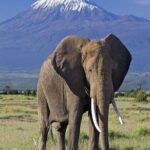
Also, this is not about checking boxes and rushing out. You’re aiming for Amboseli’s signature scenes: elephant herds moving through the ecosystem, birdlife around marshes and lakes, and the big mountain silhouette when the clouds cooperate. The pace is “full day in the wild” on day 2, plus a culture stop in the middle, so it suits people who enjoy being outdoors and going with the flow.
In This Review
- Why Amboseli Works Better Than Most Short Safaris
- Big Five Reality Check, Bird Numbers, and the Kilimanjaro Rule
- Nairobi Pickup to Amboseli Arrival: What the 4–4.5 Hour Drive Means
- Day 1: Check-In, Lunch, Rest, Then a 1600 Sunset-Style Game Drive
- Day 1 Kilimanjaro Views: How to Think About Clear Days
- Day 2: Full-Day Park Time from 0900 to 1700 Plus Birds
- Maasai Village Visit: Culture Stop Built into the Day
- Day 2 Observation Hill Strategy and the Swamp Edge Scene
- Day 3: Morning Game Drive at 0600, Late Breakfast, Then Nairobi via Carnivore
- Vehicle, Guide Quality, and Why Respectful Spotting Matters
- Price and Value: $1,071.88 and What You’re Really Paying For
- Who Should Book This Amboseli Safari, and Who Should Be Careful
- Should You Book It? My Honest Take
- FAQ
- What time is pickup in Nairobi?
- What accommodation is included?
- Is Kilimanjaro view guaranteed?
- What game drive times are scheduled?
- What meals are included?
- Which Big Five animals can you expect in Amboseli?
- What is included with the Carnivore Restaurant lunch?
Why Amboseli Works Better Than Most Short Safaris
Amboseli is one of Kenya’s top parks for elephant country
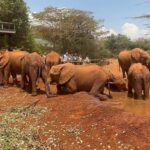
The park is known for large elephant herds, including those classic big herds often called Jumbos.
Kilimanjaro is the second main attraction, not the bonus
On clear days, you can get a great view, and timing matters: early morning and sunset tend to be your best bets.
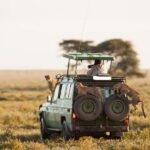
Your odds improve with a pop-up roof 4×4
It’s designed for easier spotting and photos from inside the vehicle during game drives.
Rhinos aren’t part of the Big Five picture here anymore
Amboseli is described as home to the Big Five historically, but rhinos are now extinct in the park, so you’re looking at four Big Five animals plus many others.
There’s real variety beyond the big mammals
Expect lots of smaller wildlife and birdlife; the park is listed at 420 bird species.
The guiding style is part of the value
Past trips highlight guides like Henry (friendly and knowledgeable) and Alvin (respectful with animals and careful about keeping distance), which is exactly what you want in a high-visibility park.
Big Five Reality Check, Bird Numbers, and the Kilimanjaro Rule
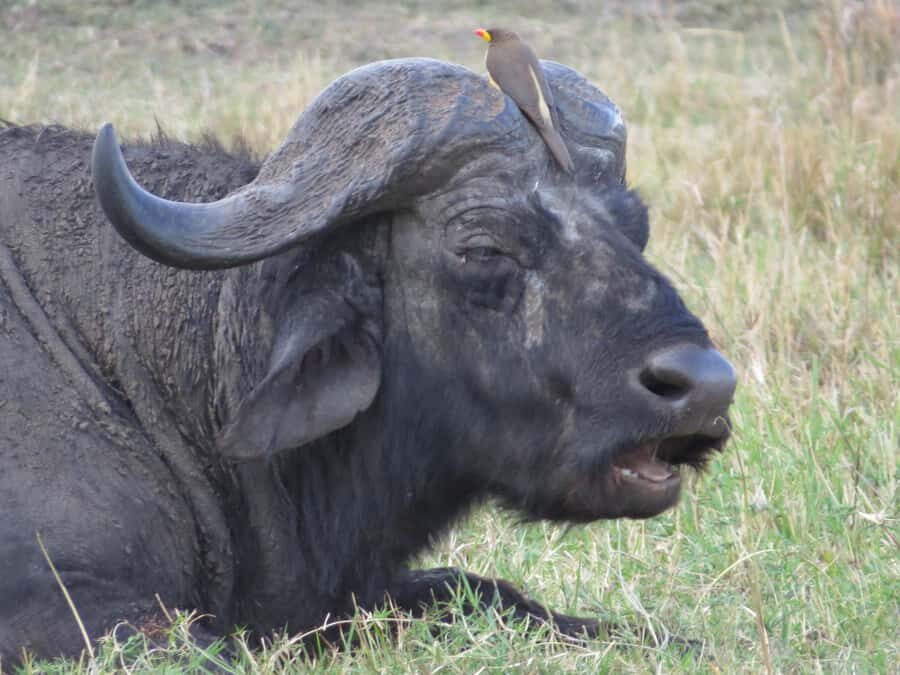
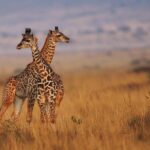
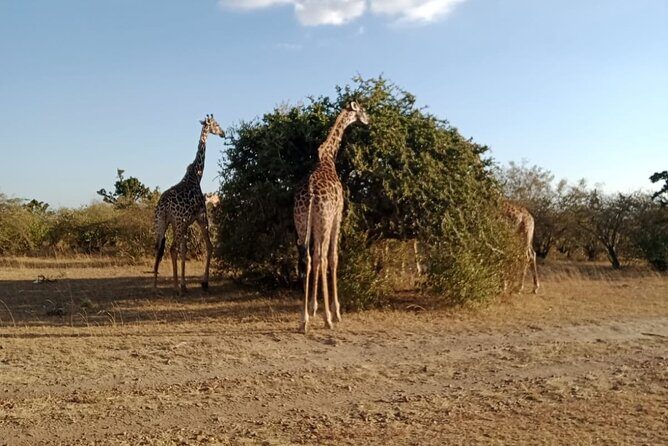
Let’s start with what Amboseli is really like. The park is famous for the Big Five, but rhinos are noted as extinct in Amboseli now, so you’re planning around four Big Five animals plus lots of other life—zebras, giraffes, wildebeests, antelopes, hippos, and more.
Then there’s Kilimanjaro. It’s a frequent reason people come, and the plan is timed so you have chances on clear mornings and later-day drives, not just one hopeful moment. On top of that, Amboseli’s ecosystem is part of the viewing story: a swamp area below the observation hill is described as hosting elephants, buffaloes, hippos, and many bird species—so scenery and wildlife come as a pair.
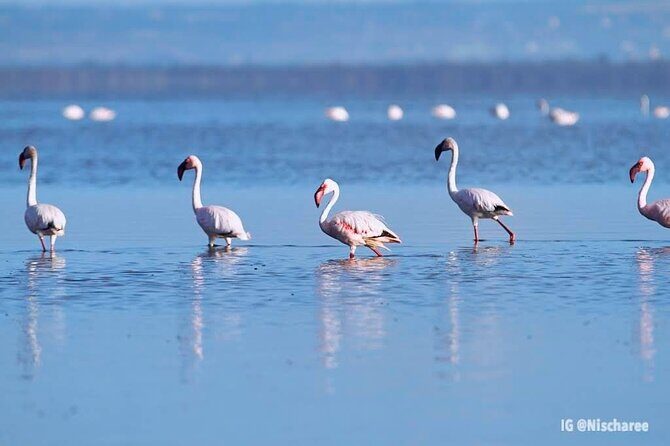
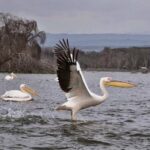
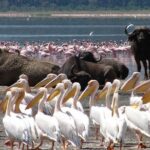
Bird lovers should be happy here. The park is stated to have 420 bird species, and the day-2 plan specifically calls out birdlife, especially around marshes and lakes. If you’re the type to pause for a quick look at feathers instead of chasing only the biggest animals, this park rewards you.
A few more Nairobi tours and experiences worth a look
Nairobi Pickup to Amboseli Arrival: What the 4–4.5 Hour Drive Means
This safari starts with pickup around 0700 from your Nairobi hotel or the airport. The drive is listed as about 4 to 4.5 hours, with some stopovers along the way, and you’re expected to arrive at the park around 1200.
That timing is useful. You’re not arriving at dusk, which means you can check in, reset after the ride, and still get an evening game drive when animals are active and light is often better for photos. If you’re sensitive to long car time, you’ll still feel the journey, but the schedule is built to soften it with lunch, a rest break, and a late start to the evening drive.
One practical plus is the vehicle choice: you’ll travel in a 44 private safari van with a pop-up roof, which matters because you’ll spend extended time scanning for wildlife. You’ll also have drinking water included for the entire safari, which is a small comfort that adds up.
Day 1: Check-In, Lunch, Rest, Then a 1600 Sunset-Style Game Drive
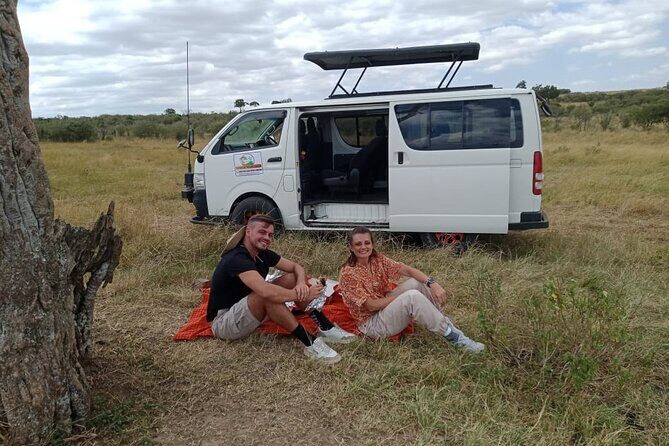
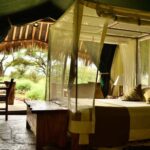
Day 1 is designed as a smooth landing day. After your pickup and arrival near midday, you’ll get a briefing, check in to Amboseli Sopa Lodge, have lunch, and take a short rest before your evening drive.
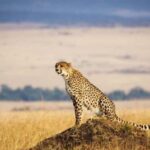
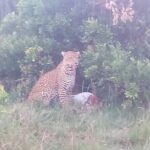
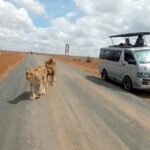
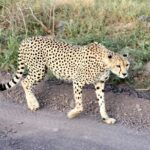
The first wildlife window starts around 1600. The plan is to search for elephants, lions, cheetahs, leopards, hyenas, zebras, buffaloes, giraffes, wildebeests, and other animals, depending on what’s moving at that time. You’re also not stuck with only the “big hits”—there’s mention of animals like mongooses and gazelles, which is a nice reminder that a good safari day is about variety, not just one or two sightings.
Dinner runs from 1900 to 2100, so you’ll likely be eating after a full dose of fresh air and animal spotting. This matters because short safaris can turn stressful if you’re eating at random times; here, you get predictable meal windows.
If your top goal is getting a good view of Kilimanjaro, day 1 also carries that theme. You’ll be in the ecosystem when the mountain is visible on clear days, and the plan highlights early morning and sunset as the best view times—so you’re setting up the right expectations from the start.
Day 1 Kilimanjaro Views: How to Think About Clear Days
Amboseli’s Kilimanjaro viewing is described as best when the weather cooperates, especially early in the morning or at sun set. That’s not just marketing talk; it’s how you should plan your mindset for a short trip.
On the clear-day side, Amboseli gives you that famous “mountain framed by wildlife” feeling because you’re close to the broader ecosystem with the mountain rising behind it. On the cloudy side, you still get an excellent safari day—wildlife is the constant, mountain visibility is the variable.
This is one reason the itinerary gives you multiple chances: you’re not betting everything on a single photo stop. The plan includes a morning game drive on day 3 as well, and both the lodge time and the game drive timing align with those best viewing windows.
Day 2: Full-Day Park Time from 0900 to 1700 Plus Birds
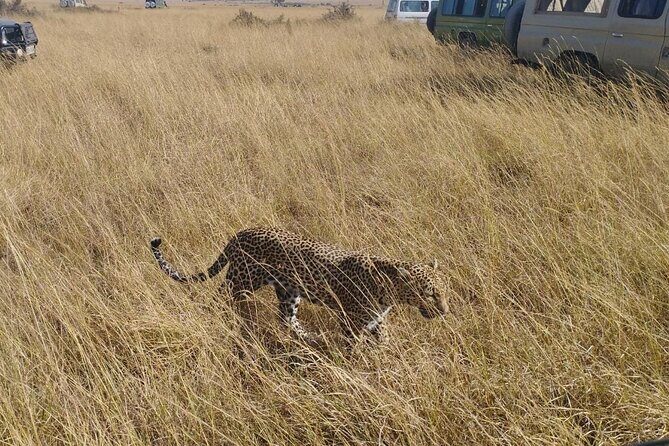
Day 2 starts with breakfast served 0700 to 0830. Then it’s game viewing time from 0900 to 1700, which is a long, productive stretch for wildlife spotting.
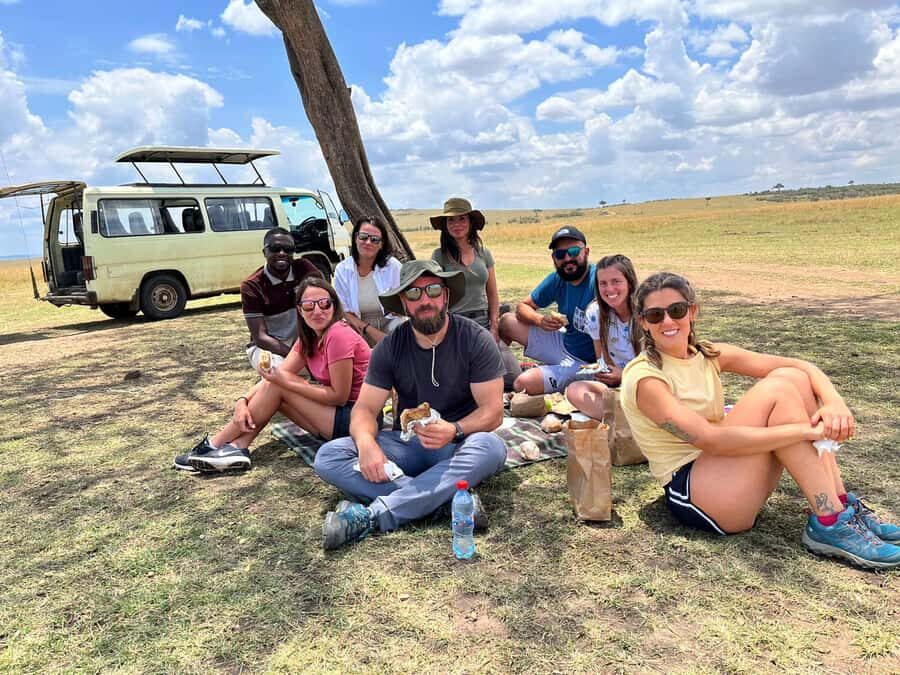
Your lunch on day 2 is a picnic lunch box provided by the hotel. That’s a smart setup for a full-day safari because it keeps you in the field longer, instead of losing time to driving back and forth for meals. It also lets you stay flexible if the guide finds a strong animal area mid-drive.
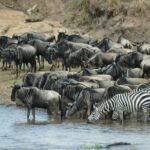
The wildlife targets listed for this day include wildebeests, zebras, buffaloes, gazelles, cheetahs, and lions, plus smaller mammals like hyenas, foxes, jackals, and vervet monkeys. That mix is exactly what you want in a short trip: not only hoping for one species, but staying open to the park’s daily rhythm.
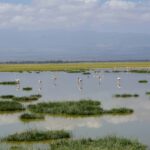
Birdlife is a major feature on day 2. The plan explicitly calls out bird species you can see, with emphasis on the marshes and lakes. If you’re going for photos, this is also a reminder to bring patience: birds may require more scanning and slower looking than the big mammals.
A few more Nairobi tours and experiences worth a look
Maasai Village Visit: Culture Stop Built into the Day
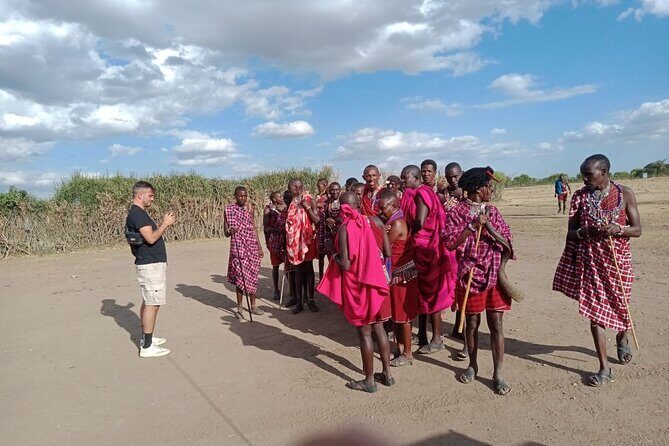
Day 2 also includes a visit to a Maasai village. This is scheduled after your long park time, so you’ll likely arrive with a head full of wildlife and want something different for a change of pace.
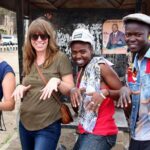
The experience is described as an active cultural stop, with Masai warriors and dance stanzas, plus cultural activities. If you like learning about local traditions in a respectful way, this fits well into a wildlife-heavy itinerary and helps you balance the schedule.
One consideration: because it’s a village visit after a long park day, you’ll want to have the energy to watch, ask questions, and participate if you choose. It’s not listed as optional, so treat it like part of the adventure, not a quick detour.
Day 2 Observation Hill Strategy and the Swamp Edge Scene
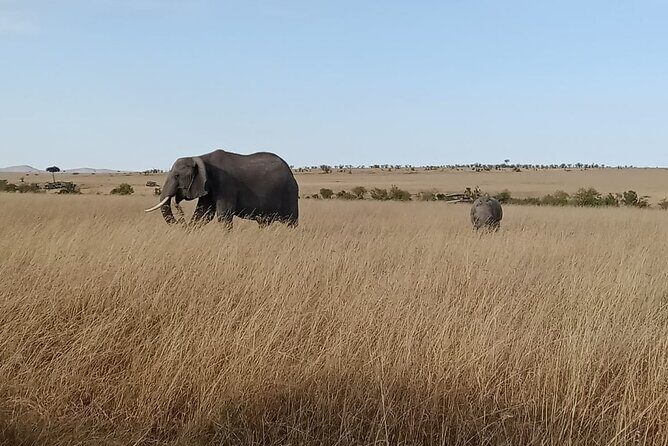
On day 2, the schedule also includes two viewpoints inside the park: an observation hill area and the swamp below it. The observation hill is described as allowing an overall view of the whole park, while the swamp below hosts elephants, buffaloes, hippos, and many bird species.
This is more than a scenic stop. It’s a “change your perspective” moment. When you’re spending hours driving, a hill view can help you understand how the park is laid out, and that can make later spotting feel easier. From a photography standpoint, it also gives you a chance to frame the broader ecosystem rather than only tight animal portraits.
If you want your Kilimanjaro chances to feel stronger, this is also the kind of area where you might notice cloud cover changes and how the mountain’s silhouette appears through different angles. The tour keeps the Kilimanjaro expectation grounded in weather and light, and these kinds of stops help you adapt.
Day 3: Morning Game Drive at 0600, Late Breakfast, Then Nairobi via Carnivore
Day 3 starts early: a morning game drive from 0600 to 0800. The plan repeats the Kilimanjaro idea here: on a clear day, you’ll be able to see the mountain, and it’s described as the most photographed mountain while in Amboseli.
That early timing is key for two reasons. First, morning light can make wildlife sightings easier to read from a distance. Second, this is one of your best chances for clearer mountain views, since clouds often change through the day.
After the morning drive, you return to the lodge for a late breakfast and check out. Then it’s back to Nairobi, with a stop for lunch at Carnivore Restaurant and later drop-off at your hotel or the airport.
Lunch at Carnivore is described as a Nairobi steakhouse where meats are roasted on traditional Masai swords over a huge charcoal pit. The meal flow is laid out clearly: soup plus home-baked brown bread and butter first, then carving table to table onto sizzling cast-iron plates. There are salads, vegetables, and sauces, and the experience continues until you signal you’re done.
A vegetarian menu is also offered, and the full meal is at a set price. For most people, it’s a satisfying way to end a safari because it’s a predictable, hearty finish after a low-sleep early morning.
Vehicle, Guide Quality, and Why Respectful Spotting Matters
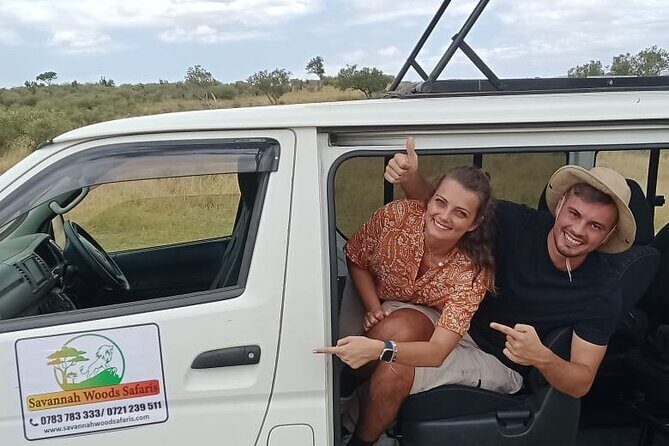
This safari runs with a professional tour guide driver and includes park fees, transport in a 44 safari van, drinking water, and pickup/drop-off at Nairobi hotels or the airport. That’s the foundation, but what makes it feel good day to day is the guiding approach.
The feedback you have about guides is specific. Henry is highlighted as friendly and knowledgeable, and Alvin is praised for being respectful with animals and not getting too close, with a clear nod to park rules. That matters because the difference between a good sighting and a frustrating one can come down to position, timing, and distance.
From your side, the practical takeaway is simple: choose questions early. Ask how they’ll search for sightings, what areas they expect to be active, and when they think the Kilimanjaro view is most likely. A guide who’s calm and rule-aware makes it easier for everyone to enjoy the park without that tense feeling of pushing boundaries.
Price and Value: $1,071.88 and What You’re Really Paying For
At $1,071.88 per person, this is positioned as a mid-range safari package. To judge value, don’t look only at the headline number—look at what’s bundled.
Included items are substantial:
- Transport in a 4*4 safari vehicle
- Professional tour guide driver
- Park fees
- Accommodation at Amboseli Sopa Lodge
- Breakfast (2), dinner (2), lunch (3), including the picnic lunch box on day 2 and the Carnivore lunch on day 3
- Drinking water for the entire safari
- Pickup and drop-off from the airport or Nairobi hotels/Airbnb areas
Not included are personal items like visa, plus insurance cover, and flights. That’s standard, but it’s worth planning around early so you don’t get surprised.
One more value point: the tour is described as a private tour/activity, meaning it’s geared around your group rather than constant reshuffling. The listing also mentions group discounts and a mobile ticket, but the day-by-day flow still looks like it’s designed for a consistent experience.
If Kilimanjaro views are high on your wish list and you want a guided safari with meals and lodge already sorted, this price can make sense. If you’re only chasing the cheapest option and you’re fine with more uncertainty, you might find cheaper alternatives elsewhere; but you’d likely trade away time structure, lodging quality, and the comfort of having everything handled.
Who Should Book This Amboseli Safari, and Who Should Be Careful
I think this tour fits best if you want a short break that still feels like a real safari. The schedule gives you multiple game-drive windows, a full daylight push on day 2, and a culture stop that doesn’t eat your wildlife time.
It also suits people who are photo-focused. The emphasis on Kilimanjaro timing, plus an observation hill and an early morning drive, gives you a framework for getting the mountain in the frame when the sky clears. And the pop-up roof setup helps you spot animals without hunching over all day.
Who should be a bit careful? If you strongly dislike early mornings or long car rides, the 0600 start on day 3 and the initial 4–4.5 hour drive from Nairobi may feel like a lot. Also, because this is described as most travelers can participate, it’s likely broadly doable, but you should still consider personal comfort if you have mobility issues and would prefer more frequent breaks.
Should You Book It? My Honest Take
If your priority is Amboseli with Kilimanjaro as a real goal, and you want the driving, meals, and lodge handled in a structured way, I’d say this is a strong choice. The biggest strengths are the repeated chances for mountain views, the full day in the park on day 2, and the lodge-and-meal planning that keeps the trip from feeling chaotic.
If your expectations are that you’ll always see Kilimanjaro no matter what, adjust that expectation now. The plan is clearly weather-dependent, so treat mountain visibility as the bonus and wildlife as the constant.
FAQ
What time is pickup in Nairobi?
Pickup is offered around 0700 from your Nairobi hotel or from the airport, with an expected arrival at Amboseli around 1200.
What accommodation is included?
The tour includes accommodation at Amboseli Sopa Lodge.
Is Kilimanjaro view guaranteed?
No. The tour notes that you can see Mount Kilimanjaro on a clear day, and the best times for a better view are early morning or when the sun is setting.
What game drive times are scheduled?
There is an evening game drive that starts around 1600 on day 1, a full park viewing period from 0900 to 1700 on day 2, and a morning game drive from 0600 to 0800 on day 3.
What meals are included?
Breakfast is included for two mornings, dinner is included for two nights, and lunch is included three times. Day 3 lunch is at Carnivore Restaurant, and day 2 uses a picnic lunch box.
Which Big Five animals can you expect in Amboseli?
The park is described as having four of the Big Five because rhinos are extinct in Amboseli. The other big five animals can be spotted, along with many other animals.
What is included with the Carnivore Restaurant lunch?
Lunch at Carnivore is described as a set-price meal with soup, home-baked brown bread and butter, then carvers using swords to carve meats onto sizzling cast-iron plates. A vegetarian menu is also offered.
If you want, tell me your travel month and whether Kilimanjaro photos are your top goal. I can help you time this trip for the best odds based on clear-day viewing windows.