REVIEW · NAIROBI
From Nairobi: 2-Day Amboseli National Park Safari
Book on GetYourGuide →Operated by GRACEPATT SAFARIS · Bookable on GetYourGuide
Kilimanjaro and elephants share the frame here. A 2-day Amboseli safari out of Nairobi is built around wildlife viewing in a custom van and that famous Kilimanjaro backdrop that turns dramatic at first light. I especially love the early morning game drives, when animals are most active and Mount Kilimanjaro can look like it is lit from within.
The second big win is the small-group feel. With pickup from your Nairobi accommodation, a guide, and all meals plus overnight included, the trip feels focused instead of chaotic. One thing to keep in mind: Kilimanjaro visibility depends on weather, and some days are clouded.
In This Review
- Key things to know before you go
- From Nairobi to Amboseli: the ride, the route, and the payoff
- The pop-up roof safari van: seeing more without fighting for position
- Day 1 in Amboseli National Park: elephants first, Kilimanjaro as your backdrop
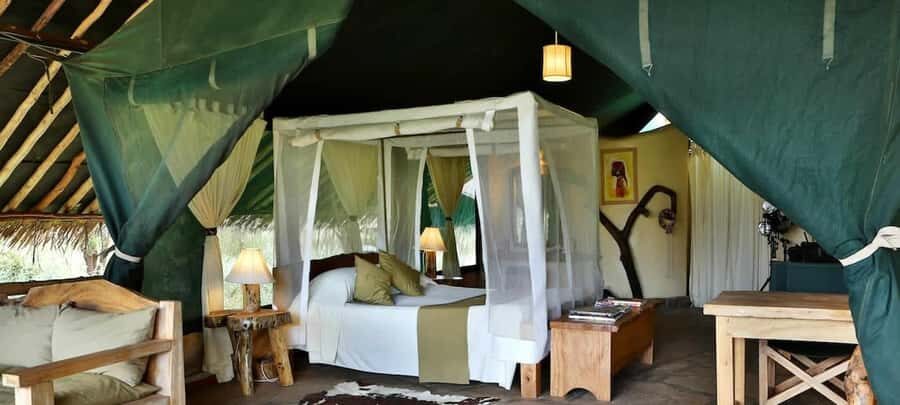
- Where you sleep: AA Lodge (or similar) and what “luxury camp” means in practice
- Day 2 sunrise: the Kilimanjaro color show and why the morning drive is everything
- Price and logistics: is $665 per person good value?
- The guide matters: different styles, same mission
- What to pack for Amboseli comfort and success
- Should you book the 2-day Amboseli safari from Nairobi?
- FAQ
- How long is the Amboseli safari from Nairobi?
- What time do you get picked up in Nairobi?
- What does the safari include?
- Is the safari limited to a small group?
- Is a tour guide included, and what language do they speak?
- Does this tour include drinks or alcohol?
- What about cancellation and refunds?
- Is Mount Kilimanjaro visibility guaranteed?
Key things to know before you go
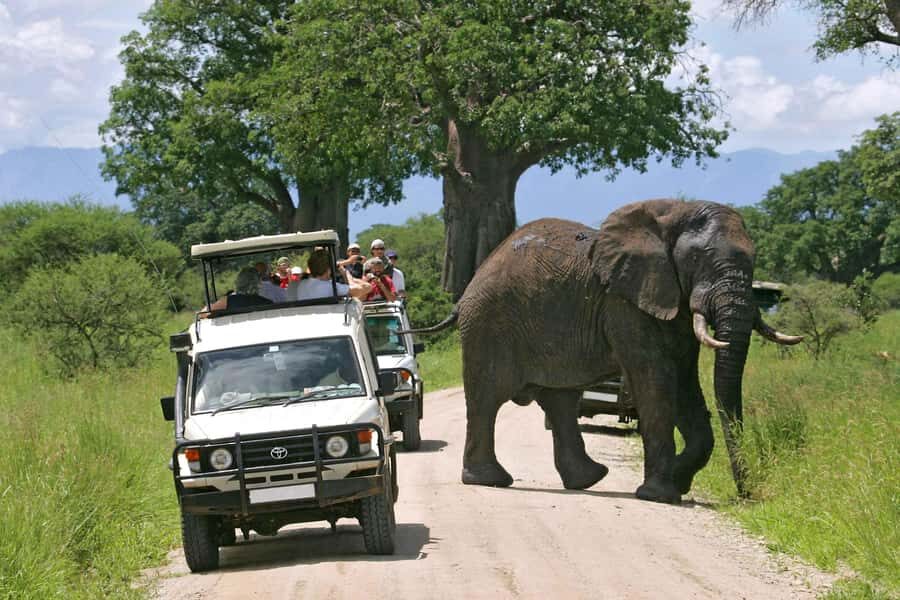
- Pop-up roof van makes it easier to spot elephants and aim your camera without craning.
- A long, scenic drive from Nairobi gives the day structure you need for a short safari.
- Day 2 sunrise timing is designed for the best odds at active wildlife.
- AA Lodge or similar luxury camp means you’re not scrambling for food or sleep after drives.
- Lodge comfort can vary by which property you get, so pack for mosquitoes just in case.
From Nairobi to Amboseli: the ride, the route, and the payoff
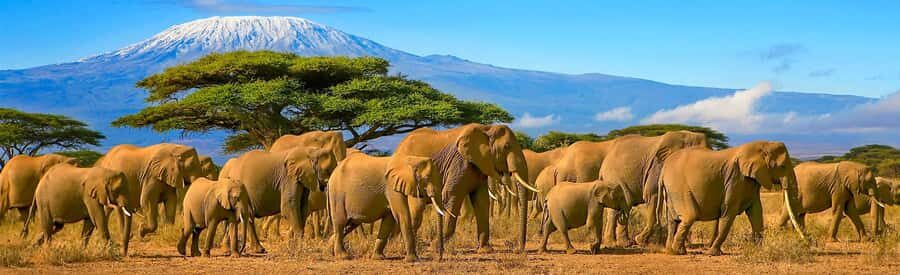
This is the kind of safari that starts moving before your brain fully wakes up. You’re picked up from your Nairobi accommodation at 7:00 am, and you head south across the Athi Plain, an area tied to the Masai and the wider open savanna feel of Kenya’s interior. It’s a real transition day: you go from city rhythm to big-sky time, and the drive itself sets expectations for what Amboseli is like—open, and full of sightlines.
Why the timing matters: you’re not trying to cram in one “quick” game drive and call it a day. Because the itinerary spans two days, you get at least one morning when the animals are moving and feeding. That’s where Amboseli tends to shine, especially when Mount Kilimanjaro shows itself.
There’s one drawback to accept up front. The road takes time, so you’ll want to keep your expectations flexible. If your lodge ends up being a less polished one, you’ll still have a wildlife-focused experience; just don’t expect a resort-like day in the middle. Also, bring layers—van drives can feel cool early, then warm quickly.
A few more Nairobi tours and experiences worth a look
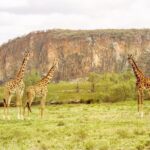
The pop-up roof safari van: seeing more without fighting for position
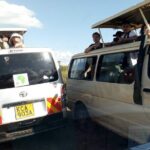
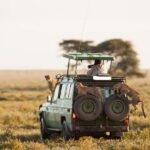
The safari happens from a customized tour van with a pop-up roof. That might sound like a small detail, but it changes how easy it is to watch. You’re higher than a normal vehicle, and you spend less time doing the “everyone lean at the same time” routine.
It also matters for photography. When an elephant or a zebra steps into the open, you don’t want to be adjusting straps and posture while the moment moves on. In Amboseli, animals often appear in wide stretches of plain, so getting a clear angle fast helps.
You’ll also appreciate having a guide doing the searching. The guide’s job is not just spotting animals. It’s deciding where to position the van so you can watch behavior—crossings, feeding, and the little social moments that make wildlife feel alive instead of like a checklist.
A note on comfort: one past experience mentioned a vehicle that felt older and less comfortable. That’s not guaranteed, but it’s a fair warning. If you’re sensitive to rougher rides, pack something for back support and expect safari roads to be what they are.
Day 1 in Amboseli National Park: elephants first, Kilimanjaro as your backdrop
After arriving around midday, you get time to freshen up and settle before your first safari exploration. This is a smart pacing choice. You’re not expected to jump straight into long drives the second you arrive. You get a short rest, then you head out again.
Amboseli’s star attraction is usually the mix of elephants in open areas with Mount Kilimanjaro looming in the distance. Even when Kilimanjaro isn’t perfectly clear, the park’s contrast—long views, dust, and the scale of herds—still delivers. On this day you’re looking for:
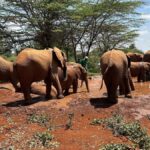
- Free-ranging African elephants
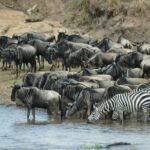
- Huge wildebeest herds
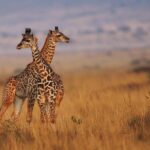
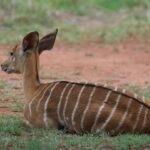
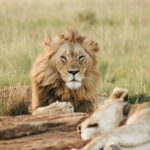
- Giraffes, lions, monkeys, zebras, hyenas, and other antelope-type species
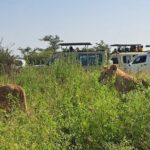
The customized van layout helps you keep scanning. You’ll be moving through the park, not stuck in one spot, which increases your odds of seeing multiple kinds of wildlife in a short window. And elephants are often the main event, because their presence in the plains makes for dramatic viewing—especially when the mountain appears clearly enough to frame them.
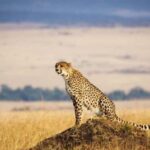
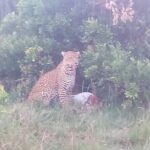
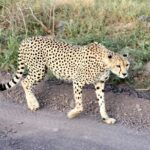
Keep your expectations realistic about big cats. Lions and cheetahs can show up, but sightings aren’t guaranteed. One example of how good this park can be: a past safari result included cheetahs, and another saw a very strong elephant count in a couple of hours. Still, you’ll get more satisfaction if you go in ready to watch whatever moves—because that’s often when you’ll see the most interesting behavior.
Where you sleep: AA Lodge (or similar) and what “luxury camp” means in practice
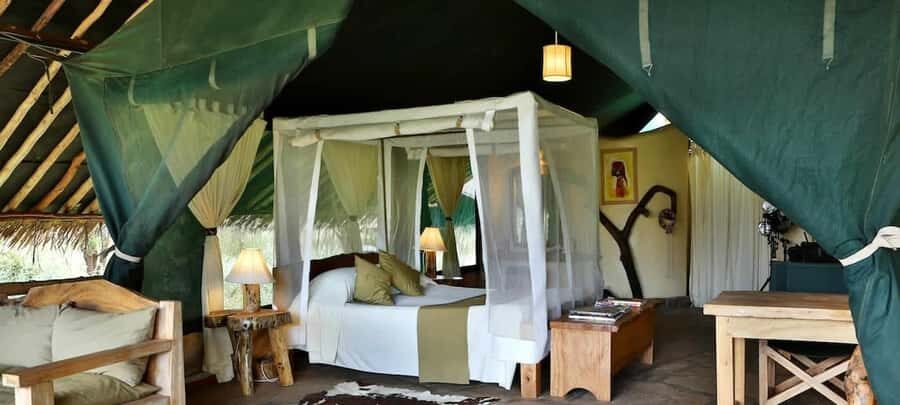
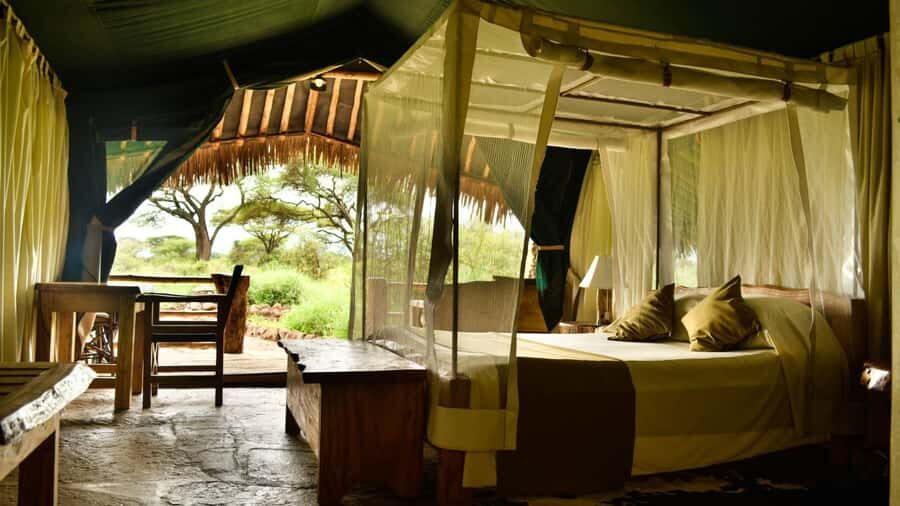
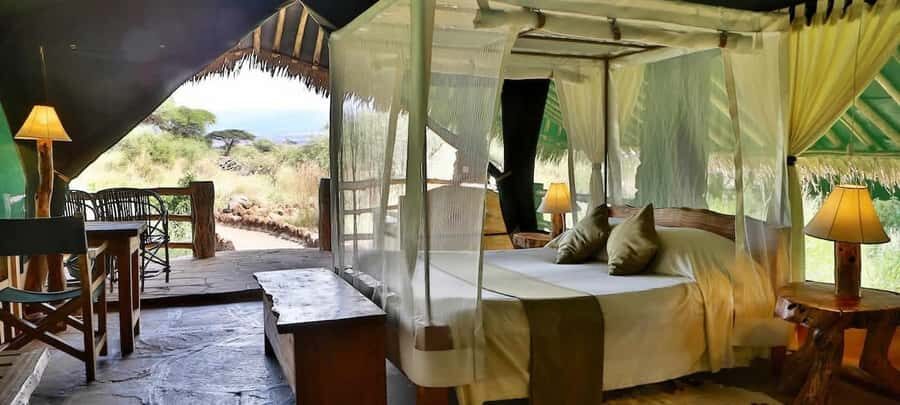
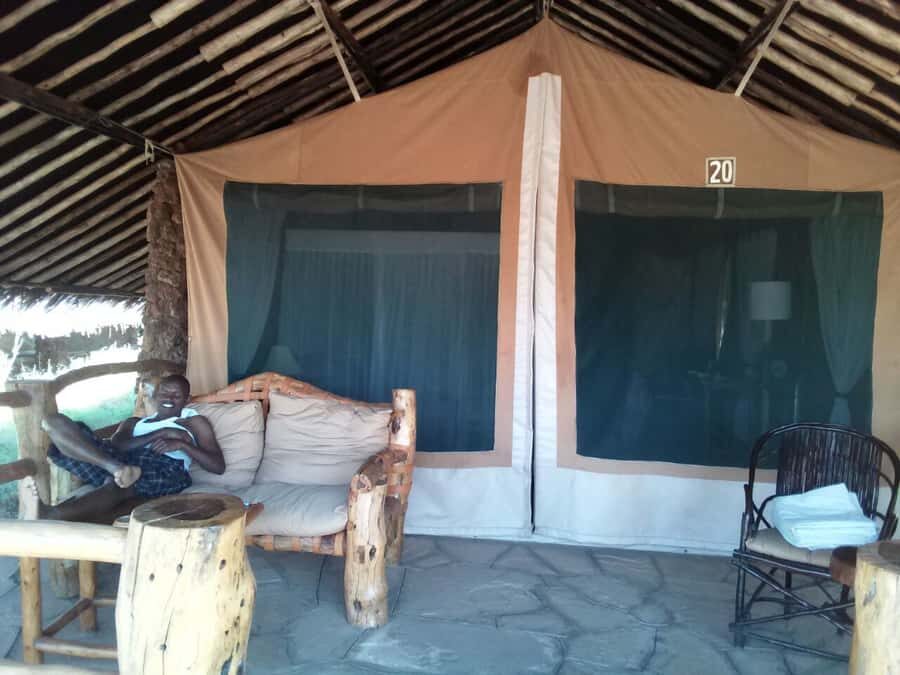
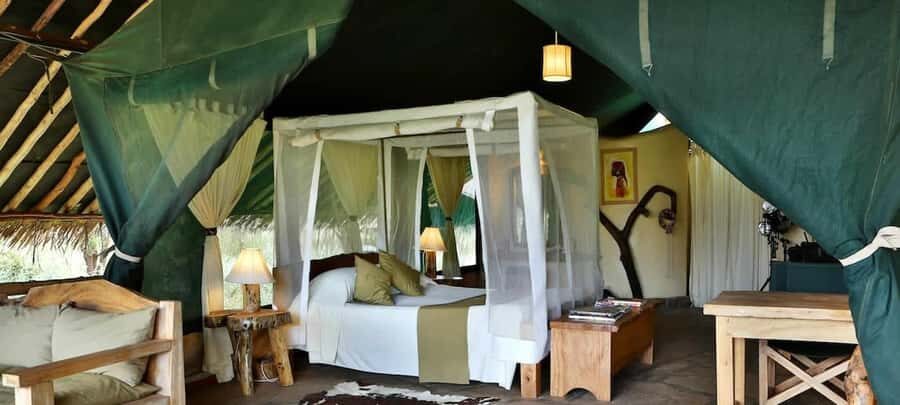
Overnight is at AA Lodge or similar, and that’s a big part of why this 2-day itinerary works for most people. After a full day out, you want a place that’s easy—comfortable beds, good meals, and staff who can help you wind down.
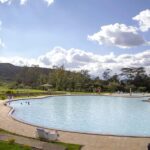
Based on past experiences, the camp quality can be excellent. One safari mentioned a site with a nice pool and playful monkeys around the property area. Another highlighted a lodge with delicious food and friendly staff. That’s exactly what you want: you return from dusty plains, wash up, eat well, and don’t feel like you’re stuck in an uncomfortable “just get through the night” situation.
Still, there’s a caution flag. One experience described mosquitoes and an older hotel with food that wasn’t great. That doesn’t mean your stay will be the same, but it does tell you to plan like camping conditions can exist even when the place calls itself luxury. Pack mosquito repellent and consider taking your repellent out before dusk.
If you’re the type who gets grumpy when comfort is below expectations, you can reduce disappointment by mentally separating “the safari is the main show” from “the lodge is supporting character.” When you do that, the whole trip stays satisfying—even if your exact lodge match isn’t perfect.
Day 2 sunrise: the Kilimanjaro color show and why the morning drive is everything
Day 2 starts early for a reason: animals are typically most active in the morning, and the park gives you a second chance to catch movement while light is still soft. You wake up in time to see Mount Kilimanjaro at sunrise, described as shifting from darker tones into purple hues and then moving toward an ethereal pink for the snow.
Even if your eyes aren’t a camera’s best friend, you’ll still feel the shift in atmosphere. There’s a reason sunrise is the centerpiece here: it turns Amboseli from “nice wildlife outing” into “this is a place with drama.”
The morning drive is also when you’re most likely to catch that iconic scene—herds of African elephants crossing the plains with Kilimanjaro in the background. One of the strongest lessons from these safaris is simple: the early hours compress the day’s best action. Later in the day, animals may still be around, but you’ll often miss the peak energy.
Weather can swing this. One prior experience reported cloudy conditions and a disappointment around Kilimanjaro visibility. So if Kilimanjaro is the main reason you booked, bring patience and don’t assume visibility is guaranteed. Even without the mountain reveal, the elephants and open plains can still deliver a memorable safari day.
After the drive, you return for breakfast, then head back to Nairobi.
A few more Nairobi tours and experiences worth a look
Price and logistics: is $665 per person good value?
At $665 per person for a 2-day safari, you’re paying for more than “a drive and entry fee.” You’re getting:
- Roundtrip transfer from Nairobi
- Park entrance fee
- A customized van with pop-up roof
- A guide
- Accommodation for one night
- Meals: lunch, dinner, breakfast
- Bottle of water
That package is the value story. A lot of safari costs stack up quickly if you price them individually—transport, guide time, park entry, and a place to sleep all cost real money. Here, they’re bundled, so you’re not spending time negotiating logistics while you’re already on holiday.
What’s not included matters too. Drinks and alcohol aren’t part of the price, and there are items of personal nature you’ll cover yourself. If you like soda, juice, wine, or cocktails at dinner, plan for that extra budget. Also, some small spending can make the experience feel smoother: one past visitor advised bringing cash for tipping because staff appreciate it.
Balance the price by thinking about time and effort saved. You’re not coordinating a vehicle, booking the lodge, finding meal plans, and handling park entry. This itinerary is designed so you can focus on wildlife and rest.
The guide matters: different styles, same mission
This trip includes a live English-speaking guide, and that guide’s role shapes your entire experience—from where you look to how long you stay watching behavior.
Past safaris referenced guides like John, Titus, and Benjamin, and the consistent theme was enthusiasm and focus when animals appeared. What I take from that is this: a good guide doesn’t just tell you where the animals are. They help you understand what you’re seeing—why elephants are moving, how herds interact, and where attention should go next.
You’ll feel that during the drive. When the guide has confidence in timing and animal patterns, you spend more time watching and less time “hoping.” That doesn’t guarantee every sight, but it usually increases the chance you’ll see a variety of wildlife across two days.
Because this is a private group experience, you can also get a better match between your pace and the guide’s plan. If you want more time at an elephant sighting, that’s often easier to accommodate than in a huge group.
What to pack for Amboseli comfort and success
You’re out in open country twice, with a mix of warm daytime and cooler early hours. Pack for sun and for insects. From past experiences, mosquitoes can be a real issue even at lodge properties, so don’t assume repellent is optional.
A practical starter list:
- Light layers for early morning
- Mosquito repellent
- A hat and sunscreen
- Binoculars if you have them (and if you don’t, you might find the viewing still works fine without)
- A camera with extra batteries (cold mornings can drain power)
- Cash for tipping if you want to do it
Also think about movement. You’ll be traveling from Nairobi, then driving and viewing, then doing sunrise again. Comfortable shoes can help for lodge time and for quick walks around camp areas.
Should you book the 2-day Amboseli safari from Nairobi?
Book it if you want a short, well-structured wildlife trip with real odds of seeing elephants and a strong chance at Mount Kilimanjaro drama at sunrise. The price works best if you value bundling: transfers, lodge, meals, park entry, and a pop-up roof van in one package.
Skip or reconsider if you’re very sensitive to vehicle comfort, or if your trip is timed when you might expect cloudier skies. One clouded morning can reduce Kilimanjaro visibility, and one lodge swap can mean mosquitoes or less impressive food. If that would ruin your mood, either plan for a more flexible mindset or consider a longer safari where you can absorb weather swings better.
If you do book, aim for early starts and keep your focus on wildlife behavior, not just mountain photos. Amboseli rewards calm watching.
FAQ
How long is the Amboseli safari from Nairobi?
It’s a 2-day experience.
What time do you get picked up in Nairobi?
Pickup from your Nairobi accommodation is at 7:00 am.
What does the safari include?
It includes hotel pickup and drop-off, Amboseli entrance fee, a customized van with pop-up roof, a tour guide, accommodation, bottled water, and meals (lunch, dinner, breakfast).
Is the safari limited to a small group?
Yes, it’s described as a private group with the intimacy of a small-group tour.
Is a tour guide included, and what language do they speak?
A live tour guide is included, and the language is English.
Does this tour include drinks or alcohol?
No. Drinks and alcohol are not included.
What about cancellation and refunds?
You can cancel up to 24 hours in advance for a full refund.
Is Mount Kilimanjaro visibility guaranteed?
It’s planned for sunrise viewing, but visibility can vary with weather.