REVIEW · MALINDI
Malindi : Kenyan Cooking Class with Campfire Meal
Book on GetYourGuide →Operated by Mida Creek Nature Camp · Bookable on GetYourGuide
A campfire plus real Kenyan cooking is a winning combo. I like the hands-on pace and the clear, enthusiastic teaching Harrison is known for, and I also love that you cook multiple dishes in one tight window. One thing to consider: this is not a good fit if you have serious food allergies, since the experience is designed around shared ingredients and camp-style preparation.
You meet at Mida Creek Nature Camp a couple of hours before lunch or dinner, then you work together on the stoves and fires like a small village kitchen. The class is limited to 10 people and taught in English, so it stays friendly, not chaotic. If you want a strict, gluten-free or allergy-safe setup, you’ll need to talk with the provider first and even then, it may not be suitable.
In This Review
- Key things to know before you go
- Why This Malindi Campfire Cooking Class Works for Real Food Lovers
- Mida Creek Nature Camp Start: Where You Meet and How the Timing Feels
- The Cooking Lesson: Ugali, Githeri, Pilau and Coastal Classics
- Cooking Over a Fire: The Skills You’ll Actually Take Home
- Feeding Time: Lunch vs Dinner and What Happens After the Fire
- Ingredients, the Camp Shop, and Why Local Matters
- Price and Value: What $25 Buys in the Real World
- Who This Class Is Best For (and When to Skip)
- Practical Tips Before You Go
- Should You Book the Kenyan Cooking Class at Mida Creek Nature Camp?
- FAQ
- What is the duration of the Malindi Kenyan Cooking Class with Campfire Meal?
- Where does the class take place?
- Is the cooking class lunch or dinner?
- How many people are in the group?
- What dishes will I learn to cook?
- Will I eat the food I cook?
- Is the class taught in English?
- What should I bring?
- Is it suitable for people with food allergies?
Key things to know before you go
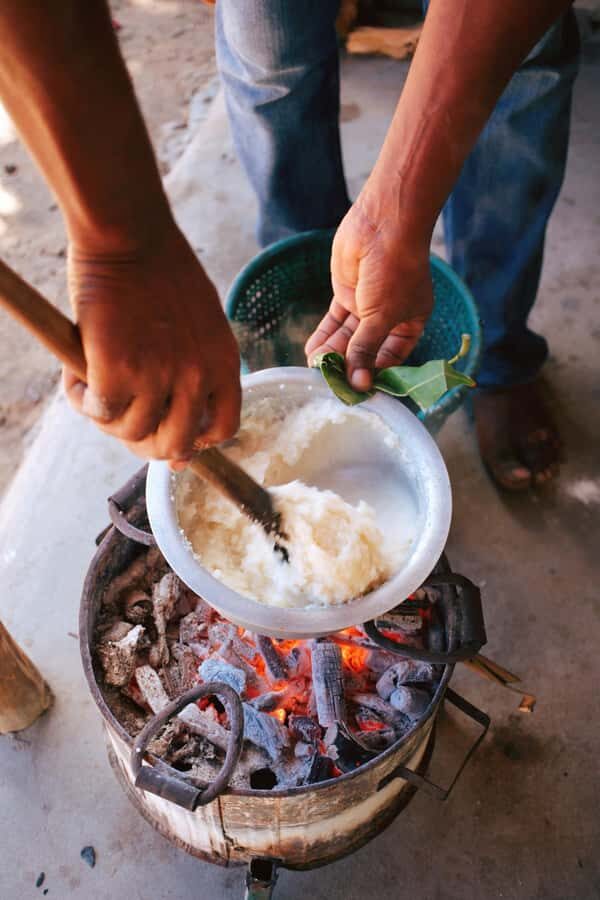
- Campfire cooking at Mida Creek Nature Camp means you learn by doing, not just watching from the sidelines.
- A small group (up to 10) keeps questions easy and helps the instructor move at a good teaching pace.
- Expect multiple dishes in about two hours, often a full spread of coastal favorites.
- Lunch or dinner timing lets you match the class to your day in Malindi.
- You can request dishes, and they’ll swap items based on tradition and your preferences when possible.
- Homegrown ingredients plus a camp shop helps the menu stay local even when something is missing.
Why This Malindi Campfire Cooking Class Works for Real Food Lovers
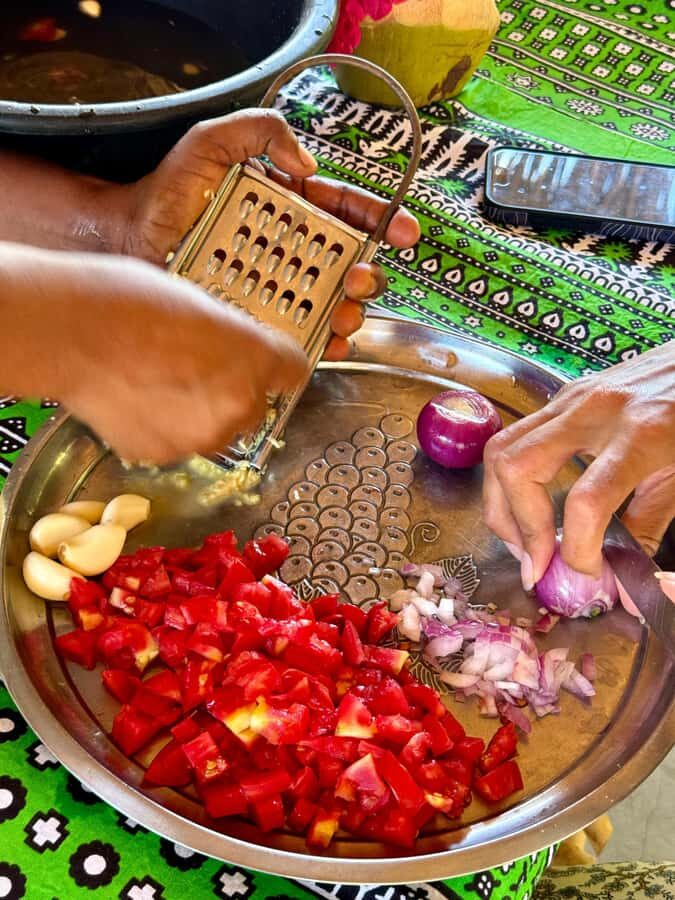
If you’ve ever tried Kenyan food and wished you understood how it gets built, this is the fastest path I know. You’re not just tasting coastal classics like ugali and pilau. You’re learning how the flavors come together using the same kind of steps and tools you’d expect in a family kitchen.
I love that the class is structured like a real cooking session: plan the meal, handle the ingredients, cook together, then eat what you made. That order matters. It turns the meal into something you can recreate later, instead of a one-time experience you mostly forget.
The other reason I’m a fan: it’s set in nature. Cooking over a fire at Mida Creek Nature Camp makes the class feel like part of the coast, not a detached activity. It’s practical too. You can wear comfortable clothes, roll up your sleeves, and focus on learning without overthinking logistics.
You can also read our reviews of more tours and experiences in Malindi.

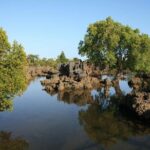

Mida Creek Nature Camp Start: Where You Meet and How the Timing Feels
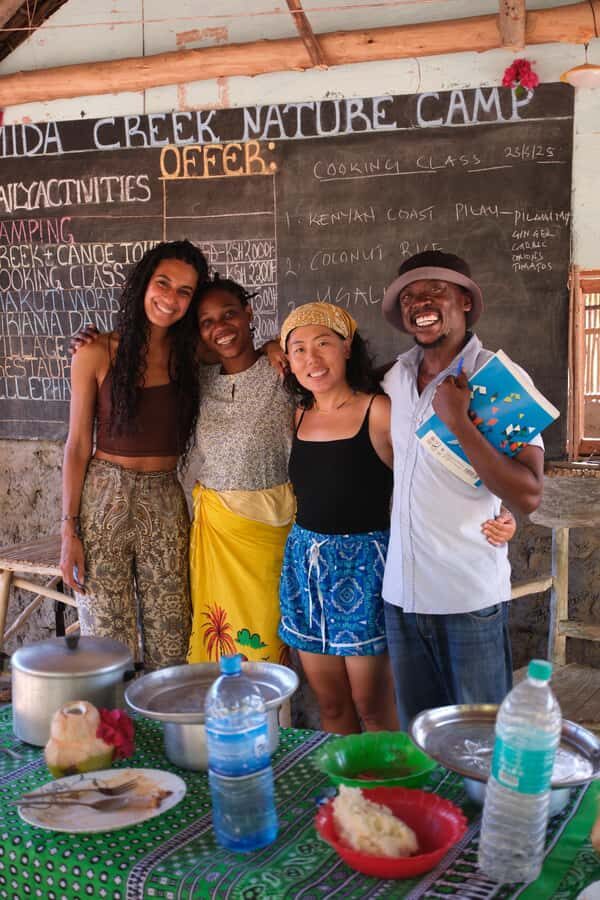
The day starts at Mida Creek Nature Camp, and you’ll meet a couple of hours before lunch or dinner. That timing is perfect for a cooking class because you’re not rushing at the last second, but you also won’t sit around waiting too long.
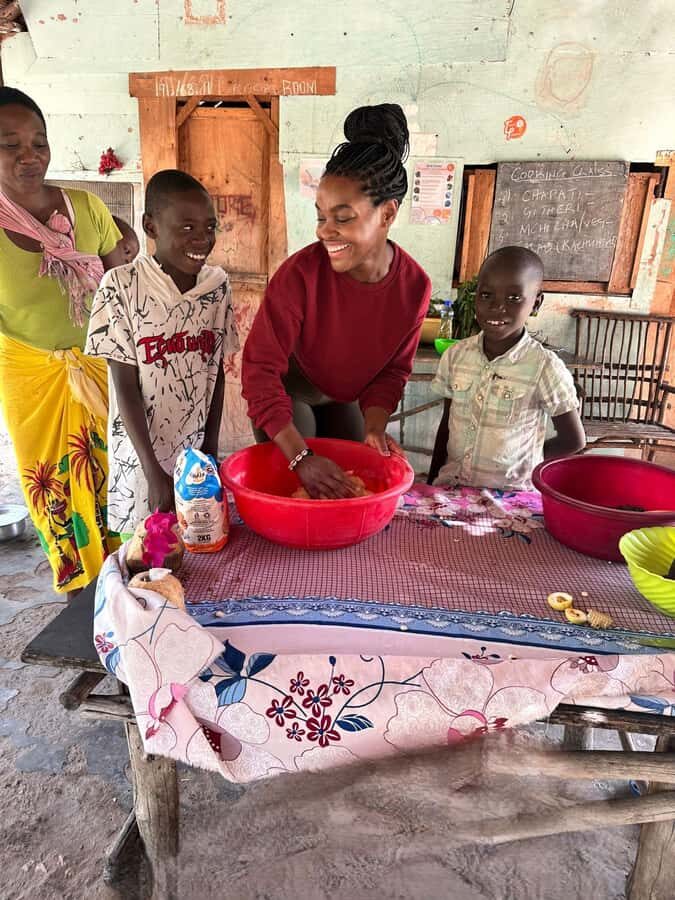
Once you arrive, you begin cooking together right away. The group works through ingredients and techniques as a team, with the instructor guiding you step by step. The class is taught in English, and the group size stays small, limited to 10 participants, which helps you actually understand what’s happening instead of just copying motions.
One nice detail from the way the experience is run: the menu can shift. Each lesson features something different, pulling dishes from Kenyan tradition, but the class is open to requests. So if you’re thinking of a specific dish you loved, it’s worth asking early.
The Cooking Lesson: Ugali, Githeri, Pilau and Coastal Classics
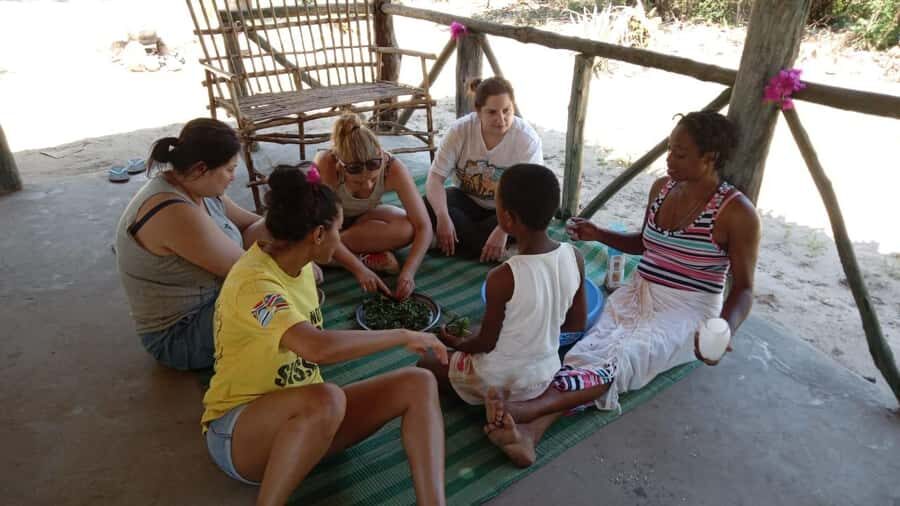
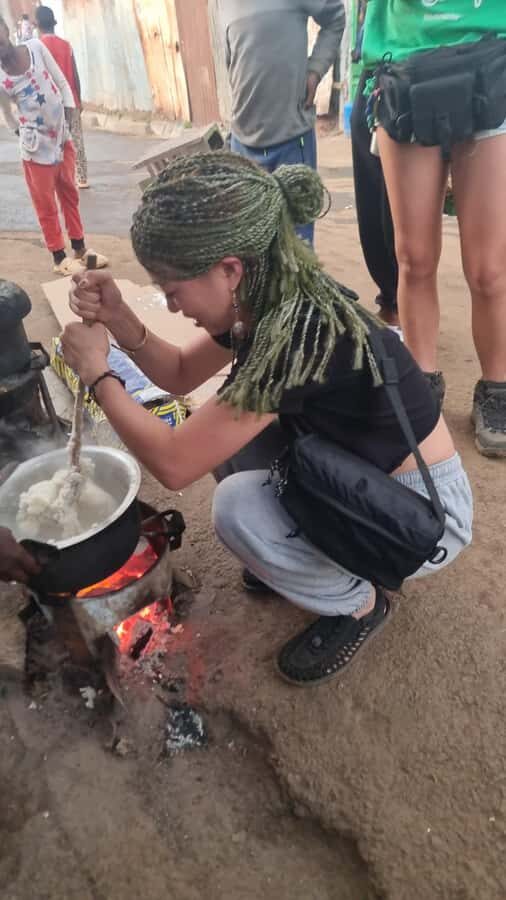
This class is built around recognizable coastal favorites. You might cook dishes like Ugali, Githeri, Kenyan Pilau, Wali Wa Nazi (coconut-based rice), Sukuma Wiki (collard greens), Mchicha (spinach), Kenyan Stew, Nyama Choma (grilled meat), Matoke (cooked bananas), Mandazi (fried dough), and Grilled Maize.
That list is doing a lot of work. It tells you the class isn’t limited to one style. You get grain and starch (ugali), beans and comfort-food textures (githeri), rice dishes (pilau and wali wa nazi), greens (sukuma wiki and mchicha), and then the grilled and fried sides that make Kenyan meals feel like a full table.
In practice, you’ll likely cook several dishes in the same session. Recent experiences described preparing around seven dishes in less than two hours, and the class format supports that kind of pace. You won’t be stuck on one recipe for ages. Instead, you’ll learn the “core moves” behind multiple flavors.
A small but important point: you also get a say in what you try. The provider notes the class picks dishes from tradition, but it can be open to your requests. So if your group has one person who only cares about pilau or another who wants nyama choma, you have a better chance of getting what you want than with a fixed menu.
Cooking Over a Fire: The Skills You’ll Actually Take Home
Most cooking classes teach recipes. This one teaches process. The biggest “aha” is campfire cooking, where timing and heat control feel different than a modern kitchen.
You’ll cook using traditional techniques and tools, with the campfire at the center. That changes how you think about heat levels. You pay attention to how fast items cook, when to reduce the flame, and how you adjust as the fire shifts. It’s the kind of hands-on learning that sticks because you feel the cause-and-effect, not just read about it.
I’m also drawn to the teaching style described by visitors. Harrison is described as smiling, precise, and passionate, taking his time and explaining carefully. That matters because campfire cooking can feel intimidating if your instructor rushes. In this format, you should have a real chance to understand why each step is done.
What you should walk away with isn’t just a list of dishes. It’s a sense of how Kenyan meals build layers:
- starch as the base (like ugali),
- sauce and greens to add depth,
- grains and spicing to create aroma (pilau),
- grilled or fried elements to finish the plate.
That framework makes it easier to reproduce meals later, even if you’re cooking in a standard kitchen.
Feeding Time: Lunch vs Dinner and What Happens After the Fire
Once the food is ready, you eat with the group. The format gives you two options: you can enjoy the meal together, or you can bring your creations home.
I like having both choices. Eating together keeps the class social and lets you compare notes on what tastes best and why. Taking food home is great when you want to extend the experience, especially if you’re pairing it with other Malindi plans after.
The timing also helps. Since you choose lunch or dinner, you’re not forced to fit the cooking class into a random slot that breaks your day. If you’re traveling with a packed itinerary, that simple choice can make the difference between a relaxed meal experience and a rushed one.
Also keep in mind: the class includes ingredients and the meal. So your $25 budget isn’t just paying for instruction. It’s paying for a full cooking session plus the actual food you’ll eat.




Ingredients, the Camp Shop, and Why Local Matters
You’ll be working with ingredients that are meant to feel local. The experience notes an effort to use homegrown ingredients, and it also mentions a small shop at the camp to supply anything missing.
That setup is more than a nice story. It’s a practical way to keep the cooking grounded in what’s available, while still letting the lesson run smoothly. If one key ingredient isn’t ready where you start, you’re not stuck. The shop fills gaps, so you still cook the right dishes.
You should also expect a shared, camp-style approach to ingredients. That’s part of what makes the day feel real. It’s also why the experience is not suitable for people with food allergies. If you have any food allergy, you need to contact the provider before the class so they can tell you what can and can’t be accommodated.
A smart move: send your allergy details early and ask whether the cooking can be adjusted. The provider specifically asks you to communicate allergies and intolerances prior to the start.
Price and Value: What $25 Buys in the Real World
At $25 per person for about two hours, this class sits in the affordable-to-mid range for hands-on activities in the Malindi area. The value is in three places.
First, you get the teaching plus ingredients plus an actual meal. Many cooking experiences charge for the class and expect you to buy food separately. Here, the meal is part of the deal.
Second, you cook multiple dishes in one session. Even if the exact menu changes, the format is designed for a full table, not one small dish. That makes the time feel efficient.
Third, the setting boosts the experience. Cooking over a fire in a nature camp adds atmosphere and memory value that you don’t get in a studio classroom. It’s not just learning. It’s learning in a place that feels connected to the coast.
The bottom line: for $25, you’re buying a real skills lesson and a meal, not a souvenir workshop.
Who This Class Is Best For (and When to Skip)
This cooking class is a strong match if you want:
- a hands-on lesson in Kenyan and coastal favorites,
- small-group instruction in English,
- a campfire cooking experience that feels grounded in the local way of life,
- either lunch or dinner options to fit your day.
It’s also ideal for food-first travelers. If your goal is to understand cooking beyond taste, you’ll enjoy how the class is built around traditional techniques.
But you should skip it if you have food allergies. The notes state it’s not suitable for people with food allergies. If allergies are mild or rare, you still shouldn’t assume it will work. Contact the provider in advance and ask what’s possible.
Also note the basics:
- wear comfortable clothes (campfire means you’ll want room to move),
- pets aren’t allowed.
That’s it. No complicated dress code.
Practical Tips Before You Go
Here are the practical things I’d do to get the most out of the day.
Plan for a hands-on, outdoors cooking vibe. Comfortable clothes are a must. You might get heat, dust, or cooking smells on you. Pack as if you’ll be moving around.
Communicate allergies and requests ahead of time. The provider encourages contacting them before the experience to share allergies and intolerances. They’ll also help align special dishes you’d love to try.
Choose the right meal slot for your energy. Lunch or dinner works, but pick based on how you travel. If you know you get tired late in the day, go earlier. If you love the slower dinner pace, choose that option.
Ask about what dishes are likely that day. Since each lesson features something different, a quick question before you arrive can help you decide what to request.
Give yourself time to enjoy the meal. The best part is eating what you cooked. If your next plan is a long drive or a reservation right after class ends, keep that buffer. You’ll want to eat and relax.
Should You Book the Kenyan Cooking Class at Mida Creek Nature Camp?
Book it if you want a small-group cooking session that teaches real coastal dishes using traditional steps, and you’re happy with a campfire setting and a hands-on pace. The combination of cooking over fire, learning multiple dishes like ugali, githeri, and pilau, and then eating your work makes this feel like more than a checklist activity.
Don’t book it if food allergies are in the picture. The experience is not suitable for people with food allergies, and even with communication, you’re taking on a shared-ingredient, camp-style format.
If you want a memorable meal with skills attached, this is one of those rare deals where the price matches the substance.
FAQ
What is the duration of the Malindi Kenyan Cooking Class with Campfire Meal?
The class lasts about 2 hours.
Where does the class take place?
It takes place at Mida Creek Nature Camp.
Is the cooking class lunch or dinner?
You can choose between a lunch or dinner experience, depending on the group and availability.
How many people are in the group?
The class is a small group limited to 10 participants.
What dishes will I learn to cook?
Common dishes include Ugali, Githeri, Kenyan Pilau, Wali Wa Nazi, Sukuma Wiki, Mchicha, Kenyan Stew, Nyama Choma, Matoke, Mandazi, and Grilled Maize. Each lesson can include different picks from Kenyan tradition.
Will I eat the food I cook?
Yes. When the food is ready, you can eat it with the group, and you may also be able to bring your creations home depending on preference.
Is the class taught in English?
Yes, the instructor teaches in English.
What should I bring?
Wear comfortable clothes.
Is it suitable for people with food allergies?
No. The experience is not suitable for people with food allergies, and you should contact the provider in advance to discuss allergies and intolerances if you have concerns.