REVIEW · MALINDI
Gede Ruins & Malindi Tour
Book on Viator →Operated by Unda Transfers and Excursions · Bookable on Viator
Gede Ruins feels like time travel. In this half-day stretch, I love seeing the Gede Ruins coral palaces and mosques firsthand, and I also like the way Malindi gets you walking through real town life instead of just staring at ruins. One thing to think about: it’s a long day for 6 hours, and the outdoors can feel hot, so plan for shade breaks and water.
I also appreciate that this is a private group setup, with pickup and private transportation from your hotel area. On one run, the guide Juma made the Swahili coast connections click, especially while moving from Gede into Malindi. If your idea of a great day is history plus street-level context, this works nicely.
In This Review
- Key Highlights You’ll Feel Right Away
- Gede Ruins: Coral Palaces, Mosques, and the Story in Stone
- Photo spots: yes, but aim for clarity
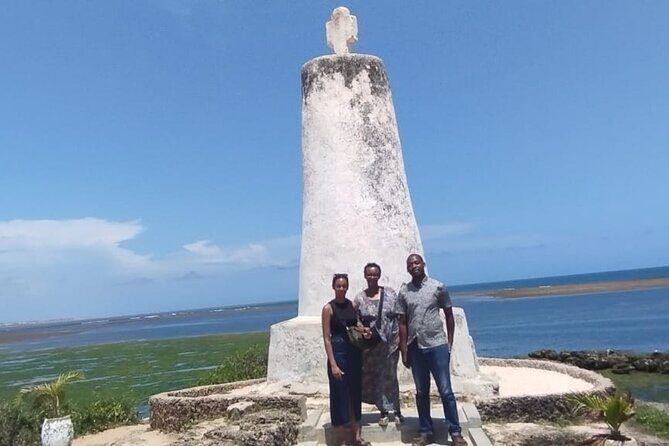
- Malindi Walk: From Vasco da Gama to Market Life
- Why the market stop is worth your patience
- Butterfly Pavilion: How to Fit It Into Your Expectations
- Price and What You Actually Get for $159 per Group
- Watamu Pickup and a Smooth 8:00 am Start
- Timing, Weather, and How to Stay Comfortable
- Who This Tour Suits Best
- The Guide Factor: Why Juma’s Approach Made It Work
- Should You Book Gede Ruins & Malindi?
- FAQ
- What is the meeting point for the tour?
- What time does the tour start?
- How long is the experience?
- How much does it cost, and how many people are in a group?
- Is pickup included?
- What admission costs are included?
- Is this a private tour?
- Does the tour require good weather?
- Is there free cancellation?
- Are service animals allowed?
Key Highlights You’ll Feel Right Away

- 13th to 17th-century coral palaces, mosques, and town houses at Gede
- On-site museum time that adds meaning to the stones you’re seeing
- Swahili people’s Arab trade connections and daily-life clues from excavations
- A guided Malindi walk through town quarters and the market
- Private, group-only experience with pickup and transportation
- Good planning value since it’s typically booked about a month ahead
Gede Ruins: Coral Palaces, Mosques, and the Story in Stone

Gede Ruins are one of those places where the setting helps you understand why people built here. You step into the quiet of the jungle and find an important Swahili site made of coral palaces, mosques, and town houses dating from the 13th to the 17th centuries. It’s not a fast-stop photo lot. It’s a place that rewards slow attention.
What I like most is that the ruins aren’t presented as isolated walls. Excavation uncovered many structures that were once inhabited by a mixed community of Arab and Bantu residents. That matters, because it turns the site from “old buildings” into a real human story—trade, cultural exchange, and everyday life all living side by side.
You’ll get about 2 hours at Gede, and admission is included. On-site, plan to spend time with the museum. Even if you only skim part of it, it helps connect what you see outside to the objects and evidence that explain how the town worked. If you’re the type who likes knowing what something used to do, the museum is a big value add.
You can also read our reviews of more tours and experiences in Malindi.

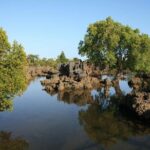

Photo spots: yes, but aim for clarity
The ruins sit in lush nature, which makes photos easier. But don’t just shoot wide. Look for details—doorways, room layouts, and the way the coral structures connect. A guide’s eye can help you spot features that look similar at first glance.
Malindi Walk: From Vasco da Gama to Market Life
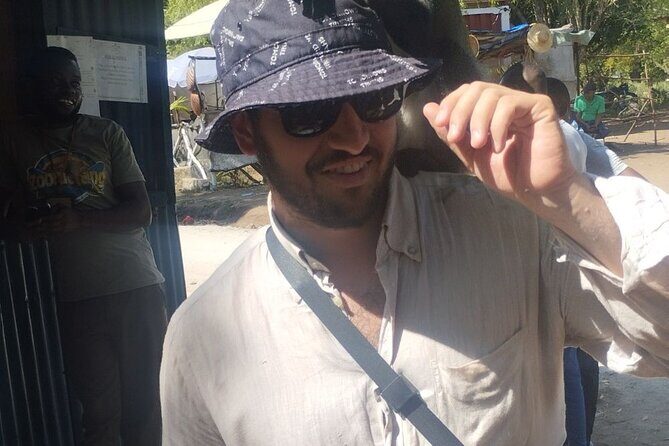
After Gede, the day changes pace. Malindi is described as a bustling town, and the tour gives you about 3 hours there. The timing is built for variety: you go from quiet ruins in the jungle to streets where you can see how history sits inside daily movement.
Here’s the historical anchor you’ll hear early: Malindi drew visitors and fortune seekers after Vasco da Gama’s fleet landed there in 1498. That detail isn’t just trivia. It explains why this region became a meeting point for travelers, traders, and local communities. When you walk the town with that context in mind, it’s easier to understand why certain areas feel like crossroads.
In practical terms, I like that your time in Malindi isn’t limited to one viewpoint. You get a guided walk through town areas and a visit connected to the market. That kind of route does two things well: it gives you orientation fast, and it shows you the everyday rhythm of the place rather than only the highlights.
Why the market stop is worth your patience
Markets can be noisy, busy, and sometimes crowded depending on the day. But that’s exactly the point. If you want a deeper sense of Malindi beyond monuments, market time helps. Keep your expectations realistic: you’re there to watch how people live and trade, not to hunt for a specific souvenir. If you do buy something, go slow and ask questions through your guide.
Butterfly Pavilion: How to Fit It Into Your Expectations
This experience is titled as a Gede and Malindi tour with a butterfly pavilion element. Even though the schedule details provided focus on Gede and Malindi stops, the title itself signals that you should plan for time connected to the butterfly pavilion during your outing.
Because the exact placement of that stop isn’t spelled out in the basic outline, I recommend treating it like a flexible slot. If your day runs slightly longer or shorter inside Malindi, the butterfly pavilion portion is often the piece that adjusts. If you want a crisp plan, ask your driver or operator during pickup how the butterfly pavilion time is being handled that morning.
The best mindset: treat it as a break from the heavier history components. A pavilion stop tends to be more relaxed than ruins, so use it as a moment to cool down and reset.





Price and What You Actually Get for $159 per Group

The price is $159.00 per group for up to 4 people. That’s important, because it’s not priced per person in the way that many half-day tours are. If you’re traveling as a small group or family, that can make the value feel much stronger.
Here’s where the math gets friendlier:
- Private transportation is included. You’re not stitching together public transit and taxi stops.
- Gede Ruins admission is included, which matters because entry fees can add up once you stack multiple stops.
- Malindi admission is listed as free for that portion, so you’re not double-paying to see the town walk component.
What isn’t included: tips, plus any all fees and taxes not specified as included. That’s a normal catch on many tours, but it’s worth keeping a small buffer in your budget so you’re not surprised at the end.
If you’re a solo traveler, the cost can feel higher than you’d like compared to a shared tour. But you’re paying for a private format and pickup, plus a guide-led flow between two very different places. If you hate waiting around or want your route to stay on schedule, private can be a win.
Watamu Pickup and a Smooth 8:00 am Start

This tour starts at 8:00 am, which is a smart move for outdoor sites. It also helps you get your money’s worth out of the day because you don’t have to rush between distant activities.
Your ticket redemption point is Turtle Bay Villas Watamu, Turtle Road, Temple Point Road, Watamu, Kenya. The tour offers pickup, and the ride is private transportation designed for your group only.
Two practical notes:
- Go to pickup ready to move. A morning start often means you’ll want water, sunscreen, and your camera charged before you’re in the car.
- Since the day includes both ruins time and town walking time, wear shoes that handle uneven ground and lots of steps. You’ll thank yourself later.
Your tour is also listed as private, meaning only your group participates. That matters if you want a calmer pace and fewer interruptions.
Timing, Weather, and How to Stay Comfortable

The outing runs about 6 hours total. That’s long enough to feel like you did something real, but short enough that you’re not stuck outdoors all day.
Weather matters here. The experience notes that it requires good weather. If conditions are poor, you’ll be offered a different date or a full refund. In practice, that means planning for a flexible slot in your itinerary, especially if your schedule is tight.
What I’d pack mentally:
- Water you can actually drink.
- Sun protection for both the ruins area and the Malindi walk.
- Something light for your shoulders if you’re sensitive to sun.
- A phone or camera strap you trust, because you’ll be switching between ruins details and street scenes.
If it’s warm, slow down. History isn’t going anywhere, and your comfort helps you notice more.
Who This Tour Suits Best

This is a strong match if you care about cultural connections—specifically the Swahili people and their interactions with Arab traders. The structure of the day supports that interest, moving from excavated ruins that reflect mixed communities to Malindi’s historic role after 1498.
It’s also a good fit for:
- Families who want a guided day without handling multiple transport legs on your own.
- History lovers who like evidence-based sites, not just captions.
- Street-life seekers who want Malindi beyond a single landmark.
- Anyone who appreciates a guide who can connect the dots while you walk.
If you’re expecting a long “nature hike” day, you might be disappointed. This is more about ruins and town context, with a relaxed outdoor setting rather than a strenuous trek.
The Guide Factor: Why Juma’s Approach Made It Work
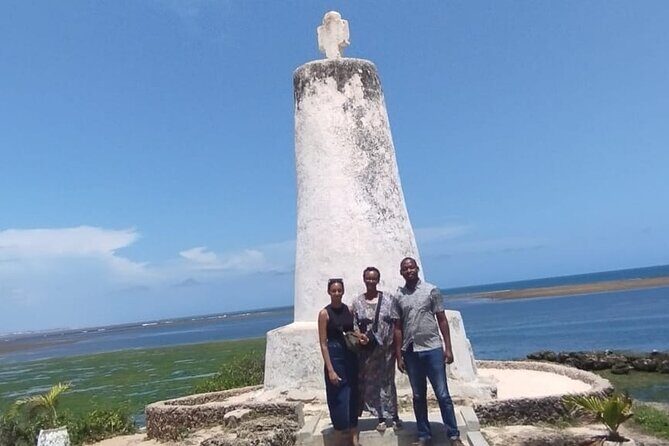
One of the most praised parts from the experience feedback is the guide. In a great example, the guide Juma made the tour feel varied, with insights that connected Gede ruins to Malindi’s historic places and then to the walk through city quarters and the market.
That kind of guiding matters because it changes what you’re doing:
- At Gede, you’re not just looking at old structures; you’re learning what the ruins suggest about who lived there and how daily life linked to trade.
- In Malindi, you’re not just sightseeing; you’re getting context that makes the town feel like a living extension of the coast’s story.
If your guide is strong, the day feels smoother and more meaningful. The private format helps too, because you can ask questions without feeling like you’re holding up a big group.
Should You Book Gede Ruins & Malindi?
I think you should book this tour if you want a day that blends Swahili coast history with real town texture. The value is practical: private transportation, included entry for Gede, a free admission component in Malindi, and a route that includes both ruins and walking.
Skip it only if you’re extremely heat-sensitive, because you’ll be outdoors for much of the day. Also, if you hate walking at all, the Malindi portion may feel like too much movement for you.
If you like guided context—stones that explain people, and streets that explain history—this is a solid choice.
FAQ
What is the meeting point for the tour?
The meeting point is Turtle Bay Villas Watamu, Turtle road, Temple Point, road, Watamu, Kenya.
What time does the tour start?
The tour starts at 8:00 am.
How long is the experience?
It lasts about 6 hours.
How much does it cost, and how many people are in a group?
The price is $159.00 per group, up to 4 people.
Is pickup included?
Yes, the tour offers pickup and includes private transportation.
What admission costs are included?
Gede Ruins admission is included. The Malindi portion lists admission as free.
Is this a private tour?
Yes. It’s a private experience, and only your group will participate.
Does the tour require good weather?
Yes. The experience requires good weather, and if it’s canceled due to poor weather, you’ll be offered a different date or a full refund.
Is there free cancellation?
Yes. You can cancel for a full refund up to 24 hours in advance.
Are service animals allowed?
Yes. Service animals are allowed, and the experience is near public transportation.
If you want, tell me your travel dates and where you’re staying (Watamu vs. Malindi area), and I’ll help you think through whether this fits well in your day plan.