Mount Kenya is a climb that changes with every step. This 5-day route runs Sirimon up through drier highlands and Mackinder Valley, then turns around via Chogoria down for bamboo forests, waterfalls, and gorge views. The big payoff is the early push to Point Lenana at 4,985m for a classic African sunrise.
I like that the itinerary is built around real altitude stops—Old Moses Hut at 3,330m and Shipton Hut at 4,200m—so you can acclimatize instead of just sprinting upward. I also like the pace of the day-to-day segments: long enough to feel like a true trek, but structured so you’re not white-knuckling the whole time.
One thing to think about before you book: this is a fitness-first climb with very early starts and hut-to-hut walking. If you get even mildly altitude-hyper, you’ll want to take pacing seriously, hydrate, and stay warm at elevation.
In This Review
- Key Things I’d Plan For
- Sirimon Up, Chogoria Down: The Real Reason This Trek Feels Different
- Nairobi to Nanyuki: Start Smart, Not Sleepy
- Day 2 to Old Moses Hut: First Big Lift to 3,330m
- Day 3 to Shipton Hut at 4,200m: Mackinder Valley to a Proper High Camp
- Day 4 Point Lenana Push: The 2:30am Sunrise Day
- Day 5 Back Down via Chogoria Gate and Town
- Price and Value: What $950 Really Buys You
- What You’ll Carry Into This Trek (Gear + Weather Reality)
- Pace, Group Size, and Comfort in the Huts
- Who This Trek Is For (and Who Should Rethink It)
- Should You Book This Mount Kenya Climb?
- FAQ
- FAQ
- What’s the meeting time for this experience?
- Where do you travel to after leaving Nairobi?
- How does the route go up and down?
- What’s the highest point on the trek?
- What time do you start for the Point Lenana sunrise day?
- Are meals included?
- Is hiking gear included?
- Are park fees and admission included?
- What about transport back to Nairobi at the end?
- What happens if weather is bad?
Key Things I’d Plan For
- Sirimon-to-Chogoria route: Dry highlands up, lush bamboo and forest down
- Point Lenana sunrise day: Leave around 2:30am, then drop back to breakfast at Mintos
- Hut elevations matter: Old Moses (3,330m) and Shipton (4,200m) help you adjust
- What you get in the package: Bottled water plus 3 breakfasts, 4 lunches, 4 dinners, and fees/taxes
- The only likely extra cost: A shared ride may be needed for the last stretch after Chogoria camp
Sirimon Up, Chogoria Down: The Real Reason This Trek Feels Different
Mount Kenya is not one single “mountain view.” It’s a stack of climates. This trek makes you walk through them instead of just looking from far away.
On the way up the Sirimon route, you start in a drier, more rugged zone where you’ll pass through giant trees and rocky terrain, then reach the charming feel of Mackinder Valley. The scenery tends to look sharper and more dramatic here—less soft greenery, more high-country bones.
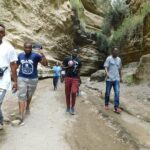
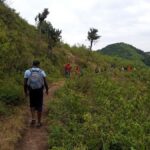
Then the descent via Chogoria flips the mood. You’ll see the lush bamboo zone and move into highland forests while facing big drops and impressive gorge views. It’s the kind of route where you feel like you’re moving through different worlds, even though you’re still on the same mountain.
That “up one personality, down another” design is what makes this 5 days feel worth it, even when the walking gets serious.
A few more Nairobi tours and experiences worth a look
Nairobi to Nanyuki: Start Smart, Not Sleepy
Your day starts early. The experience begins around 7:30am, and you’ll have pickup offered from your hotel or the airport in Nairobi. From there, you ride to Nanyuki with a mountain guide.
Nanyuki is your reset button. You arrive in time for lunch, then spend the afternoon acclimatizing and doing a short outing around the Mount Kenya region. A key stop is the Mau Mau Caves, where freedom fighters reportedly used the caves for hiding during the 2nd World War era.
That mix of practical travel time plus a meaningful cultural stop is valuable. It helps you land, stretch your legs, and get your brain off Nairobi traffic mode before you head into mountain mode.
You’ll have dinner and an overnight stay in Nanyuki, so you’re not trying to climb hard immediately after a long transfer.
Day 2 to Old Moses Hut: First Big Lift to 3,330m
Day 2 is your first real ascent day. After breakfast, you drive to the Sirimon Park Gate and start hiking. The trek segment is listed at about five hours to Old Moses Hut, sitting at 3,330 meters.
This hut-to-hut style matters. It’s not just “walk until you drop.” Having a defined overnight at a specific altitude helps you keep a steady rhythm. It also gives you a chance to warm up, eat well, and let your body settle.
After you arrive, you’ll enjoy lunch plus the rest of the day at Old Moses. Dinner and overnight are at the hut. That means you’ll be operating at elevation for more of the day, not just passing through.
Practical tip: Old Moses is often where people start noticing mild altitude symptoms if they went too hard on Day 1. If you feel heady or nauseous, don’t fight it with pride. Slow down, sip water, and let the guide know early.
Day 3 to Shipton Hut at 4,200m: Mackinder Valley to a Proper High Camp
Day 3 continues the vertical climb, moving you from Old Moses through Mackinder Valley toward Shipton Hut at 4,200m. After breakfast, you hike to Shipton and arrive with time to enjoy the scenery and the slower rhythm of a higher camp.
Mackinder Valley is a special portion of this route because it’s where the mountain starts to look like it has its own weather and character. The terrain tends to open up into a more “big view” feeling—valley lines, rock textures, and that sense of being far from everything below.
At Shipton, you get lunch and dinner, plus overnight at the hut. This day is where your acclimatization can start paying off. You’ve climbed, but you’re also giving your body a reason to adjust.
Practical tip: you’ll be higher than you were on Day 2, so keep your breathing steady and your pace conversational. If you find you can’t speak in short sentences, you’re probably going too fast.
Day 4 Point Lenana Push: The 2:30am Sunrise Day
This is the signature day. You wake up very early—around 2:30am—and then hike up toward Point Lenana (4,985m). On a clear day, the view can be a real knock-out: Mt. Kilimanjaro to the south, Mt. Elgon to the west, and the Indian Ocean to the east.
Even if weather isn’t perfect, the early start is still part of the magic. The mountain is cold at this hour, and the whole experience can feel hushed and focused—like you’re climbing inside your own headlamp.
After Point Lenana, you descend to Mintos (4,250m) for breakfast. Then you continue hiking to Road-head for lunch, and later to Chogoria Hut for dinner and overnight.
This day is long, but the structure helps: summit early, then settle into the descent with meals at defined points. You go from high effort to recovery in planned stages, which makes the day more manageable than a single brutal push.
Practical tip: layer up smart for the pre-dawn hours. Sunrise happens when your body wants to slow down. Cold hands and stiff legs can make you feel tired faster than you expect, so treat warmth like it’s part of your plan, not an afterthought.


Day 5 Back Down via Chogoria Gate and Town
Day 5 is the finish. After breakfast, you hike to Chogoria Gate, then continue on to Chogoria Town for lunch. You’ll then transfer back to Nairobi and arrive late afternoon, with drop-off at your airport or hotel.
There’s one practical detail worth knowing: the final 32km stretch from Chogoria camp to the park gate can be walked, and then a van takes you the rest of the way. The ride can be shared among clients and is arranged by the guide, but the cost is not included in the package.
This means you have a choice. If you still have energy, you can walk. If your legs are done (very possible after Day 4), plan for that short shared-ride option so you finish the trek feeling human again.
Once you’re back in Nairobi, you’ll get that “the mountain is over, now breathe” feeling. It’s not just walking completed—it’s a whole altitude chapter closing.
Price and Value: What $950 Really Buys You
At $950 per person, this trek sits in a midrange zone for a guided, multi-day hut experience at one of Kenya’s highest mountains. The big value here is that you’re not paying for a vague hiking plan—you’re paying for the whole system to run.
The package includes:
- All fees and taxes
- Bottled water
- Meals: 3 breakfasts, 4 lunches, 4 dinners
- Admission tickets where noted in the itinerary
- Pickup and transfers connected to Nairobi and the trek start/finish
The items that are not included are also clear:
- Hiking gear
- Alcoholic drinks and other beverages
So if you’re traveling with your own boots, poles, and layers, you’ll likely feel like you got a solid deal. If you need to buy everything at the last minute, your real total cost will rise.
Also worth budgeting for: that shared ride cost for the last stretch on Day 5 (not included).
What You’ll Carry Into This Trek (Gear + Weather Reality)
The one item not included is hiking gears. That’s a gentle way of saying you should be ready with the basics: a proper pair of hiking boots, a warm layer for high-altitude mornings, and rain protection if the weather shifts. Even if the forecast looks fine, Mount Kenya can change its mind.
The plan also assumes you have strong physical fitness. This isn’t a “walk around the park” experience. You’ll be hiking at elevation with long days and very early wake-ups, including the Day 4 pre-dawn summit attempt.
The good news is that the route design includes acclimatization through altitude camps at Old Moses and Shipton. The not-so-good news is that altitude is still altitude. If you start feeling sick, you need to slow down and communicate with your guide right away.
Some past trekkers have shared experiences of being cared for when altitude sickness hit. That’s exactly why you should avoid pushing through symptoms. Let the team help you manage it for safety.
Pace, Group Size, and Comfort in the Huts
The tour lists a maximum of 50 travelers, but on a mountain trek you can expect the real group size to feel smaller once you’re hiking in single-file rhythms. Still, this matters: larger groups can mean more waiting at common points, while smaller groups can feel more flexible.
The hut-and-camp structure keeps comfort predictable:
- You know where you’ll sleep each night.
- Meals are included, so you’re not burning energy shopping for food.
- Bottled water is included, which reduces the hassle of sourcing at elevation.
Comfort won’t be the same as a city hotel, and that’s part of the deal. Instead, the appeal is the quiet. You’re spending nights close to the mountain, not commuting away from it.
Who This Trek Is For (and Who Should Rethink It)
This trek fits you if:
- You want a guided climb with clear daily goals.
- You like seeing multiple eco zones over a short window.
- You’re chasing a summit-day sunrise moment at Point Lenana.
You might rethink it if:
- You’re not comfortable with very early starts (around 2:30am on Day 4).
- You’re unsure about altitude effects and don’t want to take acclimatization seriously.
- You don’t have the fitness base for several days of hiking at altitude.
If you’re looking for a purely relaxed experience, this is not it. If you want honest effort, big views, and a route that changes as you descend into forests again, this is a strong match.
Should You Book This Mount Kenya Climb?
I’d say book it if you want a real mountain trek that includes both planning and payoff. The Sirimon-to-Chogoria route is smart because it gives you variety in climate and scenery, not just the same valley view each day. The inclusion of meals, fees/taxes, and bottled water also keeps the trip from turning into a constant add-on cost.
Before you commit, be honest about your readiness for altitude and early mornings. If you train, pack warm, and keep your pace sensible, this kind of 5-day climb can be one of those trips where you feel proud in a quiet way: you walked up a high place and then walked back down, changed.
FAQ
FAQ
What’s the meeting time for this experience?
It starts at 7:30am.
Where do you travel to after leaving Nairobi?
You’re picked up in Nairobi and taken to Nanyuki, where you acclimatize and stay overnight before the trek begins.
How does the route go up and down?
You climb the mountain via the Sirimon route and then descend via the Chogoria route.
What’s the highest point on the trek?
The itinerary includes hiking to Point Lenana (4,985m).
What time do you start for the Point Lenana sunrise day?
You wake up around 2:30am for the hike to Point Lenana.
Are meals included?
Yes. The package includes 3 breakfasts, 4 lunches, and 4 dinners, plus bottled water.
Is hiking gear included?
No. Hiking gears are not included.
Are park fees and admission included?
The itinerary notes admission ticket status on different days, and the package lists all fees and taxes as included.
What about transport back to Nairobi at the end?
After finishing at Chogoria Town and lunch, you’ll be transferred back to Nairobi for drop-off at your airport or hotel in the late afternoon.
What happens if weather is bad?
This experience requires good weather. If it’s canceled due to poor weather, you’ll be offered a different date or a full refund.