REVIEW · NAIROBI
5 Days Lake Naivasha, Lake Nakuru, & Masai Mara
Book on Viator →Operated by Marvels of Africa · Bookable on Viator
Five days can feel like a blink. This Kenya safari strings together Lake Naivasha, Lake Nakuru, and Masai Mara for a big-wildlife hit plus true lake-country variety.
I especially like the mix of classic savanna viewing in Masai Mara with Naivasha’s land-and-water activities. I also like that you’re in a private 4×4 with a pop-up roof for better sightlines during the long game-drive hours.
One thing to consider: Masai Mara is a “go early, stay out late” kind of place, so you’ll want to be comfortable with long days on safari roads and early starts.
In This Review
- Key highlights (what makes this trip work)
- Price and value: what $2,671 buys you in Kenya wildlife time
- Getting started in Nairobi: pickup and a proper safari rhythm
- Lake Naivasha: rift valley scenery plus real variety (horseback, walking, boat)
- Lake Nakuru National Park: flamingos, rhinos, and a giraffe you may not expect
- Masai Mara: tented camp vibes and the soundscape of predators
- Big Five day in Mara and the Great Wildebeest Migration season
- Your final Mara morning: the last game drive before Nairobi
- What’s included (and why it matters on safari days)
- Guides: the difference between driving and finding animals
- Comfort, packing, and how to make long safari days easy
- Who this tour is best for (and what might not fit)
- Should you book this 5-day Lake Naivasha, Lake Nakuru, and Masai Mara safari?
- FAQ
- What parks are included in this 5-day Kenya safari?
- Do I get picked up in Nairobi, and what time does the safari start?
- What safari vehicle is used for game drives?
- Are park entrance fees included?
- What activities can I do at Lake Naivasha?
- What meals are included during the trip?
- Is a balloon safari included in the price?
Key highlights (what makes this trip work)
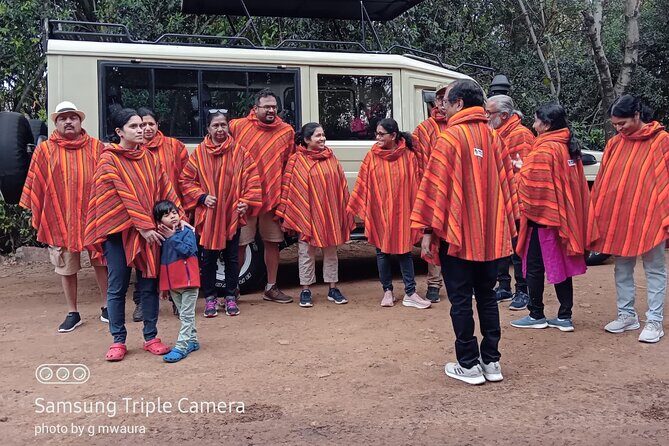
- Private safari vehicle with pop-up roof for easier wildlife spotting during game drives
- Lake Naivasha activities beyond cruisers: horseback safari, walking safari, and a boat safari
- Lake Nakuru’s signature wildlife: flamingos plus rhinos and Rothschild giraffes
- Masai Mara Big Five time with a full day game drive and another afternoon to build momentum
- Tented camp atmosphere in the park area, with night sounds part of the experience
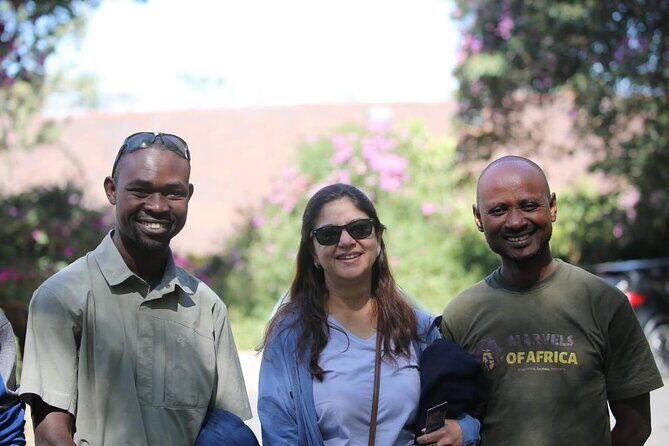
- Strong organization and guide support, with guide names frequently praised (Moses, Steve, Edith, Marie, Chacha, Himanshu)
Price and value: what $2,671 buys you in Kenya wildlife time
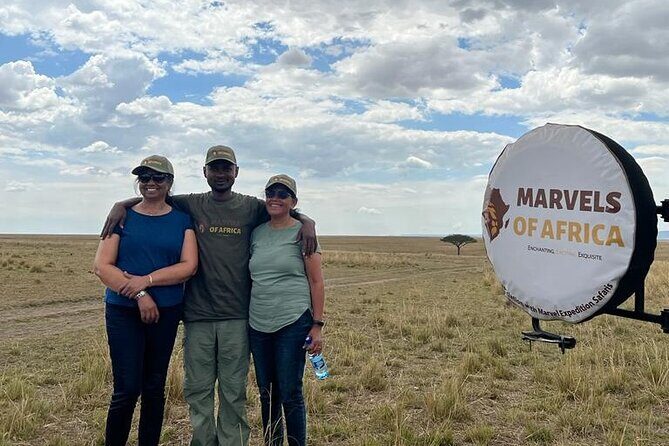
$2,671 per person sounds steep until you price it the way safaris are actually priced: park fees, a dedicated vehicle for your group, guide time, and the cost of getting you between three major ecosystems.
You’re not just “transported” from one place to another. You’re paying for multiple full safari days, unlimited game drives during the included time, and a private vehicle setup. That matters because in Kenya parks, wildlife viewing is often about repetition: going out, changing angles, watching behavior, and getting lucky more than once.
The other value win is the thoughtful add-ons in the safari gear list. Binoculars and a picnic kit aren’t just extras; they help you stay comfortable without scrambling for what you need in the middle of a long day.
A few more Nairobi tours and experiences worth a look
Getting started in Nairobi: pickup and a proper safari rhythm
The trip begins in Nairobi with pickup from your hotel or the airport. The start time is listed as 8:00 am, so expect a schedule built around morning driving and daylight viewing.
This kind of timing is a real advantage. In wildlife areas, the best sightings often come when you leave early, and you want to be set up (water, snacks, viewing angles) before the day gets hot and animals start changing habits.
Because it’s private, you’re not stuck waiting for strangers’ bathroom stops or negotiating for window spots. That makes the drive time feel smoother and calmer, especially if you’re traveling with kids or a multigenerational group.
Lake Naivasha: rift valley scenery plus real variety (horseback, walking, boat)
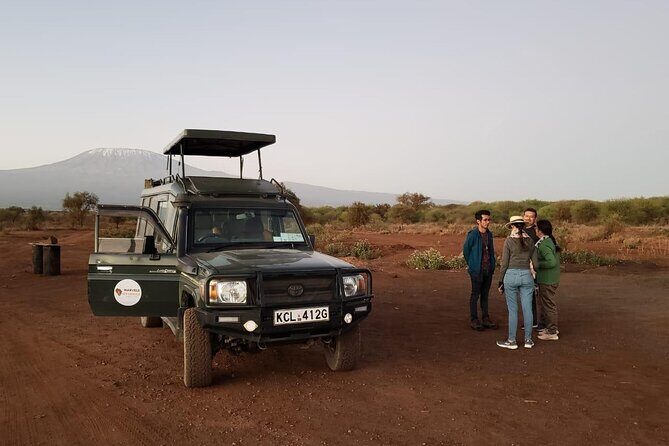
Lake Naivasha is in Kenya’s Rift Valley system, and the route includes a quick stop at a Rift Valley viewpoint—short, but it helps you get your bearings fast. After that, you head to the lodge and get settled for an active afternoon.
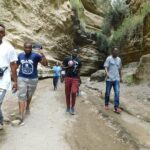
What I like about Naivasha on this trip is that you’re not limited to game drives. You can do horseback safari, walking safari, and a boat safari. Most Kenyan parks are mainly built for vehicle viewing, so Naivasha feels like a different sport—more direct, more tactile, and often more scenic in a “you’re not just watching animals, you’re moving with the ecosystem” way.
Practical takeaway: walking and horseback activities mean you should be comfortable stepping out of the vehicle. You’ll also want the usual safari-ready gear (closed shoes, sun protection), because this isn’t a sit-and-stare only day.
The day is paced so you arrive by late morning, lunch and check-in happen first, and then the lake activities follow. That keeps the first day from feeling like pure transit.
Lake Nakuru National Park: flamingos, rhinos, and a giraffe you may not expect
Lake Nakuru is where the trip shifts from lake-adventure to a more classic conservation-style safari. You drive about 90 minutes to reach the park around 10:00 am, then you’re out for a full day game drive.
Nakuru’s big selling points are very specific:
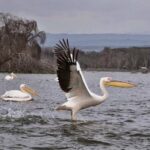
- Millions of flamingos along the shore, turning parts of the lake area pink
- Black & white rhinos, which is a major draw for many first-time safari visitors
- A standout giraffe species: Rothschild giraffe
- Plus the usual cast you’ll hope for—lions, zebras, hippos, and more
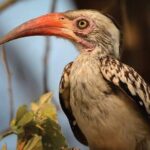
This park also has a bird-lover reputation, and that shows in how it’s described: it’s not only about mammals. It’s about spotting, scanning, and learning what lives in this lake-and-scrub edge environment.
One consideration: if you’re coming for the most dramatic predator encounters, Nakuru can be more mixed than Masai Mara. You’re still likely to see impressive wildlife, but the emotional payoff tends to be strongest when animals come close and behave naturally, not only when they’re hunting.
Masai Mara: tented camp vibes and the soundscape of predators
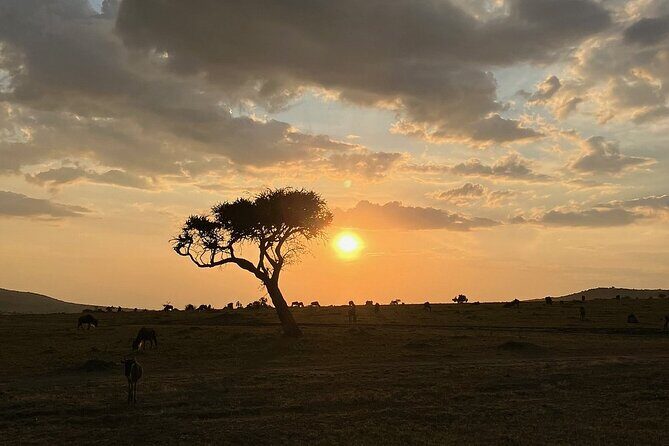
Masai Mara National Reserve is the emotional centerpiece of this safari. The day you arrive, you reach the reserve for lunch and then head out for an afternoon game drive.
What stands out here is the staying arrangement: you sleep in a tented camp in the area, with the night described as full of hippos grunting and hyenas howling. That’s not a detail for everyone, but it’s a real part of why people fall in love with Mara. You’re not far from the action; the wilderness is loud and present.
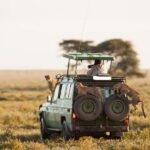
The private 4×4 with a pop-up roof helps a lot in Mara. You’re often looking for motion at distance, and the roof gives you room to track animals quickly without contorting awkwardly in the car.
And because your safari includes unlimited game drives across the provided days, you’re not stuck with just one “token” outing. You get repetition, and repetition is how you turn a good sighting into a great one.

Big Five day in Mara and the Great Wildebeest Migration season
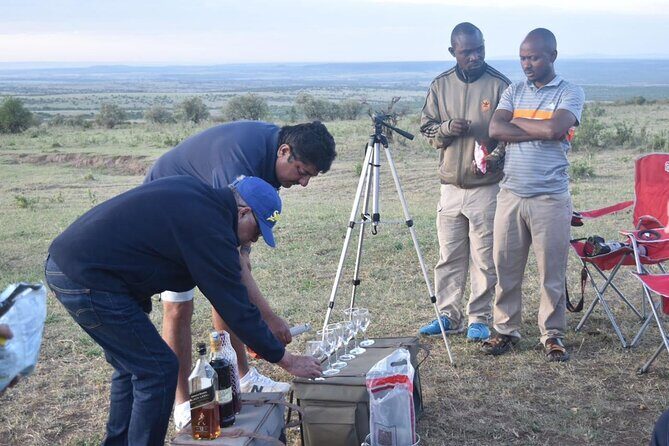
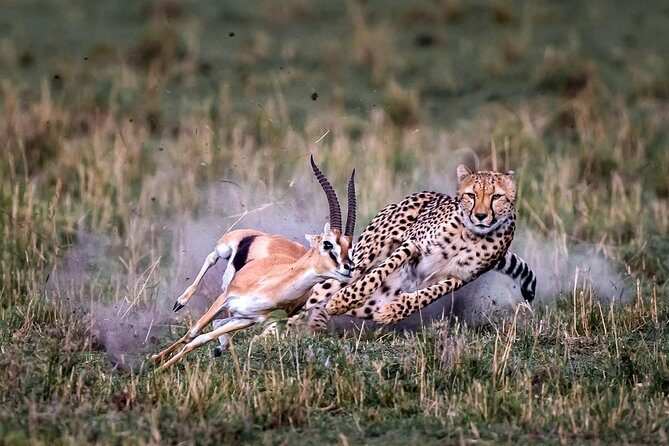
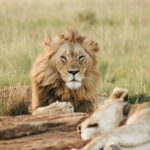
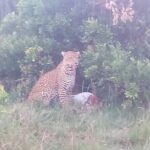
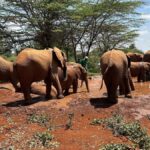
On the next full day, you’re out on a full-day game drive focused on classic Mara rewards. The trip frames Masai Mara as a place to see the Big Five—lion, leopard, rhino, elephant, and buffalo—along with other wildlife such as giraffes, hippos, hyenas, topi, and gazelles.
In plain terms: this is the day you want to stay sharp. Mara driving can mean long stretches of scanning. But when the animals move—when a predator tracks prey, when herds change direction—you feel why people call this place electric.
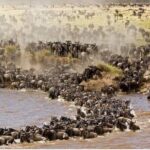
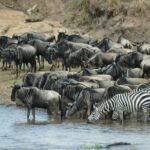
Then there’s the migration season window. From June to October, the Mara is noted for hosting one of the largest wildebeest migrations on Earth, with tens of thousands moving from Serengeti into Kenya’s Mara. That doesn’t guarantee a hunt in front of your vehicle, but it changes the density of life around you. More grazers often mean more predators, and more “events” to watch.
If you’re planning around timing, this season detail matters. Even if you’re not chasing the migration specifically, knowing when it’s likely to be active can help you choose the best month.
Your final Mara morning: the last game drive before Nairobi
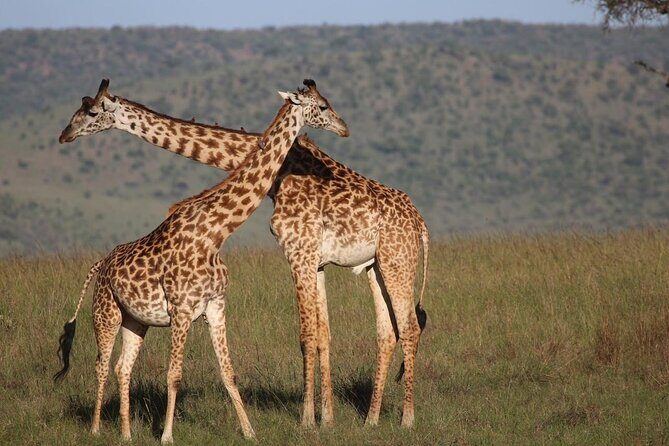
Your last day starts early with a final game drive before leaving the reserve. It’s the kind of morning that can feel too short—because once you’ve learned the rhythm of the park, you don’t want to stop scanning.
After the drive, you depart the park and reach Nairobi around late afternoon, then you’re dropped off at your hotel or the airport depending on your flight schedule.
This day is also a reminder that safaris are physical time-management exercises. Even with private planning, you’re still dealing with distances and road conditions. Build in patience and expect the drive to be part of the experience, not a detour.
What’s included (and why it matters on safari days)
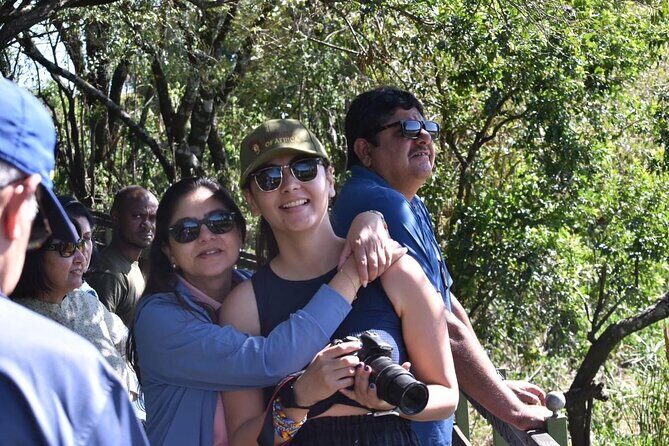
This trip includes a lot that makes life easier once you’re out in the bush:
- All park entrance fees
- Safari in a private 4×4 land cruiser with pop up roof
- Safari accessories: binoculars, chairs, and tables, plus a picnic kit
- Unlimited safari/game drives during your included time
- Accommodation as per the schedule
- Meals: breakfasts (4), lunches (4), and dinners (4)
Here’s why those meal inclusions matter: safari days don’t always leave time for casual food stops. Having meals built in reduces stress and keeps you out watching longer.
It also helps that your car setup includes viewing-friendly comforts (chairs/tables) and binoculars. When you’re trying to spot animals at distance, the difference between “maybe I saw something” and “I can actually identify it” can come down to tools and time.
Guides: the difference between driving and finding animals
A lot of safari packages advertise wildlife. This one puts emphasis on how the driving and game drives get handled, and the guide names in feedback back that up.
Across the praised experiences, guides like Moses, Steve, Himanshu, Edith, Marie, and Chacha show up repeatedly for professionalism and wildlife-spotting skill. One recurring theme is that planning has few gaps, and the guides are quick to put you in position to see more than just random sightings.
That’s a big deal because “a good safari guide” isn’t about talking. It’s about:
- reading animal behavior
- knowing where to look
- driving safely while still getting you to the right angles
- keeping the group calm and focused through long hours
If you’re the type who wants the story of what you’re seeing, this kind of guide support is what turns a drive into a learning day.
Comfort, packing, and how to make long safari days easy
Even with strong logistics, you’ll still be living a safari routine: mornings out in the field, midday heat variations, and late afternoons that can run long.
I’d pack with three priorities:
- Sun protection (you’ll be outside during drives and at lake viewpoints)
- Layers (temperature can shift from day to evening, even in the same region)
- Closed-toe shoes for walking safari time at Naivasha
Also, bring a reusable water bottle and keep essentials where you can grab them fast. Safari days reward simple systems.
Who this tour is best for (and what might not fit)
This safari is a strong match if you:
- want private game drives rather than a shared vehicle
- like the idea of seeing Kenya in three settings: lake, lake-bird-and-rhino, then savanna Big Five country
- want variety in Naivasha with horseback, walking, and boat time
- value solid coordination and guide attention, especially for families
It might not be the best fit if you hate early mornings or you’re the kind of traveler who gets restless with long drives and lots of scanning. This is a “slow hunt” style of viewing, not a theme park schedule.
Should you book this 5-day Lake Naivasha, Lake Nakuru, and Masai Mara safari?
If you want one trip that hits the big Kenyan highlights—without spending your vacation coordinating drivers, park passes, and meal logistics—this one makes sense.
I’d book it if:
- you’re excited by Masai Mara Big Five and want at least one full day there
- you’re curious about Naivasha’s non-vehicle safari options
- you like the idea of sleeping in a tented camp area and hearing Mara at night
- you’re looking for a well-run, private experience where the car setup and viewing support are baked in
I’d hesitate if:
- you’re very sensitive to long driving days
- you want a trip with more downtime and fewer “field hours”
Bottom line: for many visitors, this is a well-timed, good-value way to see Kenya’s wildlife spectrum in just five days—lake adventure by day, classic safari drama in Mara.
FAQ
What parks are included in this 5-day Kenya safari?
The trip covers Lake Naivasha, Lake Nakuru National Park, and Masai Mara National Reserve.
Do I get picked up in Nairobi, and what time does the safari start?
Pickup is offered from your hotel or the airport. The experience start time is listed as 8:00 am.
What safari vehicle is used for game drives?
The safari is done in a private 4×4 land cruiser with a pop up roof.
Are park entrance fees included?
Yes. All park entrance fees are included.
What activities can I do at Lake Naivasha?
You can do a horseback safari, walking safari, and a boat safari at Lake Naivasha.
What meals are included during the trip?
Breakfast, lunch, and dinner are included for the days covered in the itinerary (4 breakfasts, 4 lunches, 4 dinners).
Is a balloon safari included in the price?
No. Balloon safari is listed as not included.