REVIEW · NAIROBI
5 Days Magical Kenya Safari Private Tour
Book on Viator →Operated by Native Afrika Voyages · Bookable on Viator
Three ecosystems in five days. I like how this route hits Ol Pejeta at the equator, then switches gears to Lake Naivasha for a boat-and-walk day, before landing you in the famous Maasai Mara plains. It feels organized and not rushed, with a real mix of wildlife styles. One thing to plan for: key extras cost more, like the Lake Naivasha boat ride and any Maasai cultural visit.
You get pickup from Nairobi airport or your Nairobi hotel, then a private driver-guide and a tight rhythm of breakfasts, lunches, and dinners handled for you. Even the evening timing in Ol Pejeta is built in (game drive runs from 15:30 to 18:30), so you’re not sitting around waiting for the day to start.
The price ($2,671 per person) reflects a private setup and solid inclusions, but your total “trip budget” can creep up once you add the boat ride and optional cultural experiences. If you want a hot air balloon or a cultural add-on, set aside extra money early and decide on your priorities.
In This Review
- Key highlights you’ll feel on the ground
- The Kenya mix that actually makes sense in five days
- Day 1: Ol Pejeta Conservancy and Sweetwaters Serena’s easy start
- Day 2: Lake Naivasha, Thompson’s Falls, and a walking safari moment
- Day 3: Maasai Mara arrival via Narok and your first Mara game drive
- Day 4: Two Mara days with flexible game drives (and optional adds)
- Day 5: Back to Nairobi with a calm finish
- Value and price: what $2,671 buys you, and what it doesn’t
- The kind of guiding that makes the difference
- What to pack and what to expect on the ground
- Weather reality and cancellation flexibility
- Should you book this 5-Day Magical Kenya safari?
- FAQ
- Where does this 5-day safari take place?
- How long is the tour?
- What’s included in the price?
- Is the Lake Naivasha boat ride included?
- Are Maasai cultural visits and hot air balloon rides available?
- How do pickup and transfers work?
- What if weather is bad or the tour can’t run?
- How late can I cancel for a full refund?
Key highlights you’ll feel on the ground
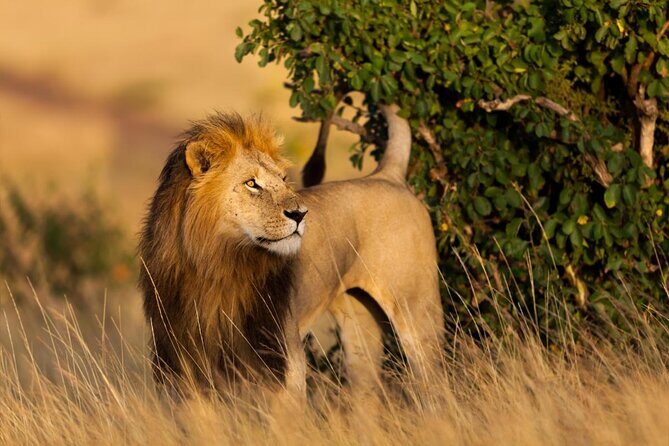
- Ol Pejeta Conservancy at the equator: big conservation focus plus classic evening game viewing.
- Lake Naivasha boat safari and Crescent Island walking: you’re not stuck watching from a vehicle.
- Thompson’s Falls stop: a 74-meter waterfall break with photo-friendly views.
- Two days in Maasai Mara: you get a real second chance for sightings, not just one quick drive.
- Flexible Mara timing: full-day, half-day, or morning/afternoon game drives based on what’s happening.
The Kenya mix that actually makes sense in five days
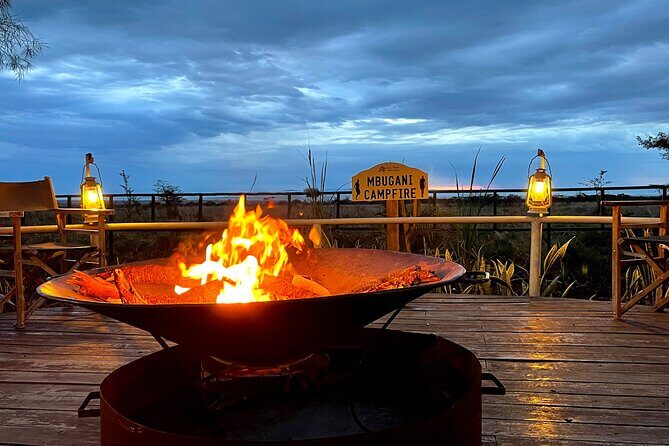
This is a short safari, so the route matters. What I like here is the logic: start with a conservation-focused conservancy near Mount Kenya, shift to a lake ecosystem for variety and walking, then finish in the Mara where the drama is on the ground—open grasslands, dense wildlife, and migration potential.
Ol Pejeta sets the tone with wildlife protection and a sense of “you’re visiting a working conservation area,” not just passing through. Lake Naivasha gives you a different kind of wildlife day: calmer water, sudden storms (that’s what the name reflects), and the chance to get off the boat for a walking safari. Then Maasai Mara closes it out with savannah game drives, where the animal density is a big part of the experience.
For some travelers, the “five days” part can feel tight. It isn’t a marathon, but you are doing long drives—so if you hate transit days, you’ll want to bring your patience and your water bottle.
You can also read our reviews of more private tours in Nairobi

Day 1: Ol Pejeta Conservancy and Sweetwaters Serena’s easy start
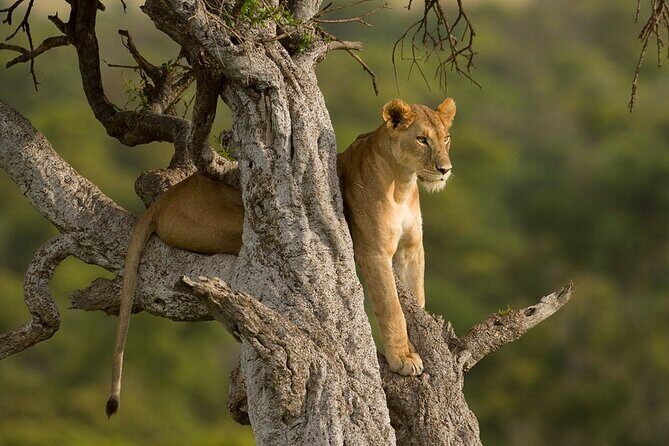
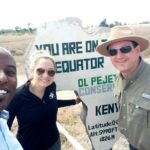
Day 1 begins with a pickup from Nairobi—either the airport or your Nairobi hotel. After a short briefing, you head north toward Ol Pejeta Conservancy, located right at the equator area, between the foothills of the Aberdare range and Mount Kenya.
The conservancy is known for its conservation work, including sanctuary efforts for great apes, which gives the whole place a more meaningful feel. And because it sits in that equatorial zone, the light is often sharp—perfect for seeing animals clearly in the early and later hours.
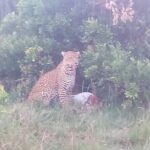
Lunch is at Sweetwaters Serena tented camp. You check in, relax, and then head out on the afternoon/evening game drive. The timing matters: your drive runs from 15:30 to 18:30, which is prime for activity as the day cools down and animals start moving.
Practical note: with an evening start, you’ll want to have your camera ready and your water easy to reach. Also, bring a light layer for the evening—savannah air can feel cooler than Nairobi even when the day is warm.
What’s especially good about this first day is that it doesn’t cram you immediately into a full-day drive. You get a real start, a proper meal, and then you earn your first game drive.
Day 2: Lake Naivasha, Thompson’s Falls, and a walking safari moment
After breakfast, you travel about five hours toward Lake Naivasha. The name comes from the local Maasin term Nai’posha, meaning rough waters, because storms can pop up suddenly. That one detail helps you understand why your lake day can feel changeable—so don’t plan to “only take great photos for one perfect hour.” Instead, think in moments.
On the way, there’s a stop at Thompson’s Falls: a 74-meter waterfall on the Ewaso Ngiro River, just a few kilometers from Lake Ol Bosolat. It’s a good reset stop—stretch your legs, take photos, and get your bearings before arriving at the lake.
At your accommodation on Lake Naivasha, you check in and have lunch. Then the afternoon is where Naivasha earns its keep. You go on a boat safari and then disembark for a walking safari at Crescent Island.
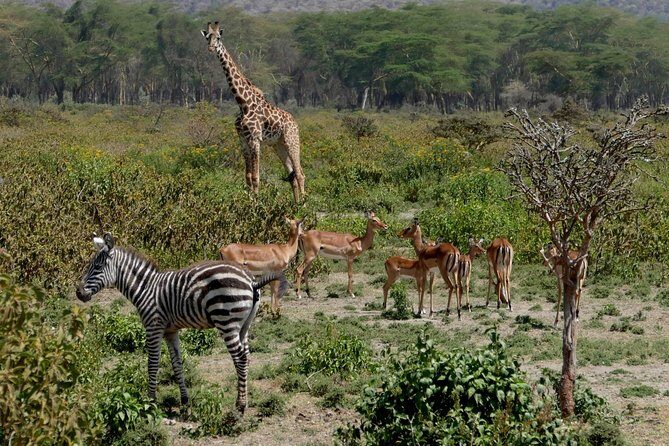
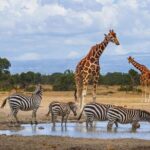
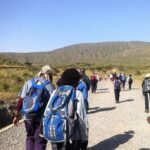
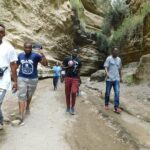
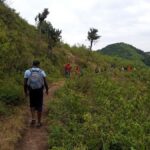
That walking element is big. You’re moving through an area where you may see giraffes, Thompson gazelles, wildebeest, and impalas, plus other herbivores, as the day heads toward sunset. If you’ve only done vehicle safaris before, this feels like a totally different sense of scale and calm. You’re slower. The sounds carry differently. You’re closer.
Two “budget reality” points:
- The boat ride costs $50 per person and is not included.
- The walking safari is part of the day’s plan, so you’ll likely still want good walking shoes even if the boat portion is optional.
Day 3: Maasai Mara arrival via Narok and your first Mara game drive
Early breakfast kicks off Day 3 with the long run into Maasai Mara National Reserve. You drive through the Kedong and Suswa plains and make a brief stop at Narok town, then arrive in time for lunch and an afternoon game drive.
This is your first Mara day, so the goal isn’t to “see everything.” It’s to start reading the ecosystem: open grasslands, game tracks, and where predators tend to work the edges.
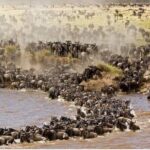
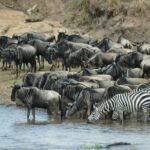
Maasai Mara is famous for animal density, including the Big Five, along with lots of plains game. A major part of the Mara’s identity is the Mara River and how it connects the Mara-Serengeti ecosystem. During migration seasons, the instinct-led movement of wildebeest, zebra, and gazelle from the Serengeti into the Maasai Mara is often the headline.
Even if migration isn’t your focus date, Mara still works because prey and predators are present in different patterns. Your driver-guide’s choices about where to spend time matter.
What I appreciate about this setup is that your first Mara day includes a full afternoon game drive after lunch—so you’re not arriving and immediately rushing back out. It gives you time to settle and actually spot wildlife.
Day 4: Two Mara days with flexible game drives (and optional adds)
Day 4 is your second and best chance in the Mara. Instead of one fixed style of safari, you get flexibility: you can do full-day, half-day, or morning-and-afternoon game drives based on wildlife sightings, migration patterns, and what the weather is doing.
That flexibility is not just a “nice-to-have.” In the Mara, conditions change fast. Animals shift with heat, wind, and the presence of other groups. If the day is yielding sightings, you want time to stay. If it’s slow, you want the freedom to pivot. This plan supports that.
You may also be able to add:
- Hot air balloon rides (arranged during the safari)
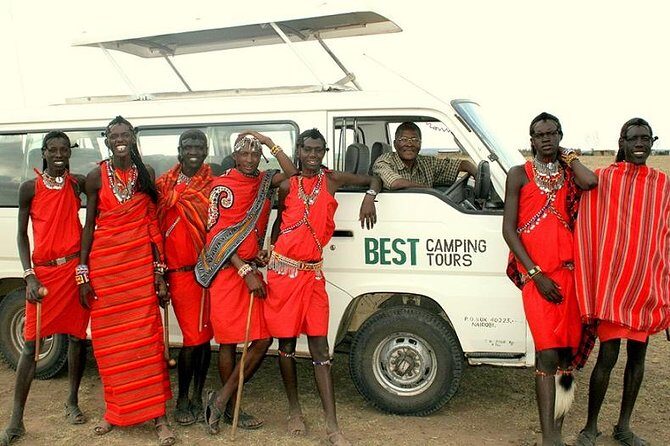
- Traditional Maasai community visits (arranged; costs $30 per person)
A small caution: keep your Mara schedule realistic. If you add a cultural visit, don’t stack it so tightly that you cut your game-drive time down to nothing. The Mara’s value is the wildlife day after day, not switching your attention too often.
And yes—bring a hat and sunscreen. The Mara sun can be relentless, and you’ll be standing up and scanning for long stretches. Shade breaks are earned, not scheduled.
A few more Nairobi tours and experiences worth a look
Day 5: Back to Nairobi with a calm finish
After breakfast, you head back to Nairobi. Once you arrive, you’ll transfer to your hotel or to the airport. The plan also says accommodations can be arranged for you on this day upon request.
This final day is intentionally simple. It helps you avoid the “last day scramble” that can ruin the mood after four big wildlife days. You’ll likely want to keep your plans light: a shower, a meal you can eat slowly, and time to organize photos and videos.
If you’re flying out, plan for an early-ish start mindset. Your safari day ends, and city time begins.
Value and price: what $2,671 buys you, and what it doesn’t
Let’s talk money like an adult. This tour costs $2,671 per person, and it’s a private tour/activity, meaning it’s just your group with your driver-guide.
Included items you can count on:
- Breakfasts (4)
- Lunches (4)
- Dinners (4)
- Admission tickets in key places (Ol Pejeta and Lake Naivasha are clearly covered; Mara entry is handled across the two Mara days)
Also included/covered through the experience structure:
- Pickup offered
- Mobile ticket
- Private guiding and game-drive planning
What’s not included (and can change your final number):
- International flights
- Extra accommodation before and after the safari
- Personal items and travel insurance
- Visa fees
- Some meals beyond what’s specified
- Boat ride at Lake Naivasha: $50 per person
- Cultural visit: $30 per person
So is it “good value”? For a private, multi-ecosystem Kenya safari with two full Mara days, yes, it can be strong. The cost is higher than group tours, but you get fewer compromises: less waiting, more attention to your group, and a schedule that can be managed around wildlife conditions.
If you’re traveling solo, the private price may still feel steep, but you should also compare it to the cost of piecing together separate transfers and guides. This package does a lot of that work for you.
The kind of guiding that makes the difference
One of the best parts of safari isn’t the vehicle. It’s the people driving it.
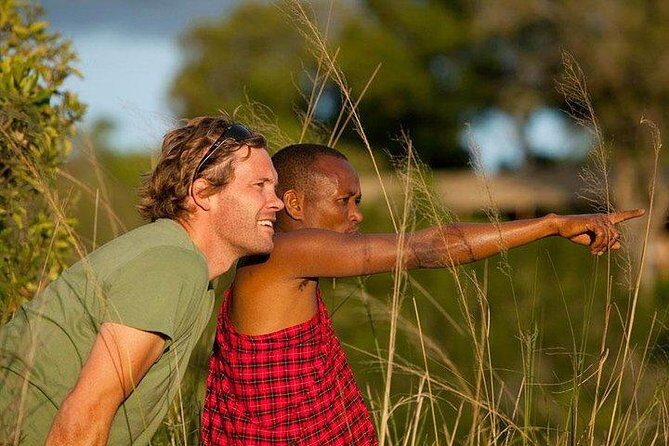
A standout detail from a guide named Steve is how informative and attentive he was, and how well he helped the experience run smoothly from lodge to camp. That matches what you want on safari: clear explanations, good timing, and a calm presence that keeps things moving without making you feel pushed.
Even if you don’t have the same guide, look for the same skills in whoever drives you:
- good communication
- timing that respects heat and animal behavior
- a focus on safe, sensible wildlife viewing
This is where private guiding often feels worth the money.
What to pack and what to expect on the ground
You don’t need to overpack, but you do need the basics.
Bring:
- Comfortable walking shoes for the Lake Naivasha walking safari
- A hat and sunscreen for Mara game drives
- Light layers for early mornings and evening game drives
- A small day bag for water, snacks, and your camera setup
- Binoculars if you have them (and if you don’t, you might still find it easier to see detail with them)
Expect:
- Long drive days, especially into Naivasha and then into the Mara
- Variable conditions near the lake because sudden storms can happen
- A lot of time spent looking out for movement and deciding where to stop
Also, since the boat ride at Lake Naivasha costs extra, you’ll want to decide ahead of time if you plan to do it. If your budget is tight, you can treat that as a choice.
Weather reality and cancellation flexibility
This safari requires good weather. If it has to be canceled due to poor weather, you’ll be offered a different date or a full refund.
It also requires a minimum number of travelers. If the minimum isn’t met, you should expect a choice of a different date/experience or a refund. That’s a normal safari reality—fewer people can mean harder logistics.
Should you book this 5-Day Magical Kenya safari?
I’d tell you to book it if you want:
- a focused Kenya route with three wildlife settings (conservancy, lake, and Mara plains)
- at least two Mara days instead of a rushed one-and-done
- a private format with pickup and included meals that reduces your day-to-day decisions
I’d think twice if:
- you hate transit days and want everything within a tight radius
- you’re trying to keep expenses strictly minimal, because the Naivasha boat ride and any cultural visit aren’t included
- you’re booking last-minute and can’t adjust if weather causes changes
This trip works best when you go in with one mindset: slow down enough to notice animals, and let each ecosystem do its job.
FAQ
Where does this 5-day safari take place?
It covers Nairobi as the start/end point, plus Ol Pejeta Conservancy, Lake Naivasha (with Thompson’s Falls and Crescent Island), and Maasai Mara National Reserve.
How long is the tour?
The tour runs for about 5 days.
What’s included in the price?
Meals are included for the safari days: 4 breakfasts, 4 lunches, and 4 dinners. Admission tickets are included in the major parts of the route, and pickup is offered. A mobile ticket is provided.
Is the Lake Naivasha boat ride included?
No. The boat ride costs $50 per person.
Are Maasai cultural visits and hot air balloon rides available?
Yes. A traditional Maasai community cultural visit can be arranged for $30 per person, and hot air balloon rides can also be arranged.
How do pickup and transfers work?
You’ll be met on arrival at the airport or at your Nairobi hotel, then a representative/pickup is provided. On the last day, you’re transferred to your hotel or to the airport.
What if weather is bad or the tour can’t run?
The experience requires good weather. If it’s canceled due to poor weather, you’ll be offered a different date or a full refund. It also requires a minimum number of travelers; if that minimum isn’t met, you’ll be offered a different date/experience or a full refund.
How late can I cancel for a full refund?
You can cancel up to 6 days in advance for a full refund. If you cancel less than 2 full days before the start time, the amount you paid won’t be refunded.