REVIEW · KENYA
8 Days Amboseli lake Nakuru Masai Mara lake Naivasha safari
Book on Viator →Operated by Direct Kenya Safaris Ltd · Bookable on Viator
Kenya in eight days feels like a movie.
What makes this safari special is the tight loop of parks plus real wildlife time each day, especially Amboseli’s elephant-and-Kilimanjaro moments and the big, full days in Maasai Mara. One thing to plan for: the driving between regions is part of the experience, so you’ll want a good attitude for long seats and early starts.
I also like that the trip is built around practical comfort: an English-speaking driver/guide, unlimited bottled mineral water, and transfers timed around game viewing. If you’re picky about lodge quality, I’d ask which exact lodge you’ll get at Lake Nakuru area before you lock it in, because accommodation expectations there can vary.
In This Review
- Key things that make this safari work
- Price and logistics: what $2,200 buys you
- How the Toyota 4×4 safari ride affects your day
- Day 1: Amboseli arrival and that 16:00 game drive feeling
- Lodging
- Day 2: A whole Amboseli day plus Masai culture as an optional add-on
- What to know before you go
- Day 3: Lake Nakuru’s flamingos and rhino chance
- Lodging
- Day 4: Into the Great Rift Valley and on to Maasai Mara
- Timing matters
- Day 5: Maasai Mara’s full day and the “Big Five” odds
- Tip for making this day feel worth it
- Lodging
- Day 6: Lake Naivasha as your recovery day (with an optional boat ride)
- Lodging
- Day 7: Crater Lake Game Sanctuary and the Green Crater Lake walk
- Admission
- Day 8: Back to Nairobi and out to the airport
- Guides and group pace: why names matter
- Optional extras: what’s worth paying for
- Should you book this 8-day Kenya safari?
- FAQ
- What is included in the tour price?
- What extra costs should I plan for?
- Does the trip include airport pickup and drop-off?
- When do game drives happen in Amboseli?
- Is the boat ride at Lake Naivasha included?
- Can I cancel and get a full refund?
Key things that make this safari work
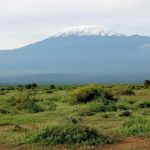
- Elephants in Amboseli with that Mt. Kilimanjaro view when clouds clear early evening
- One full day plus a second game day in Maasai Mara, built for repeated chances at cats and the big herds
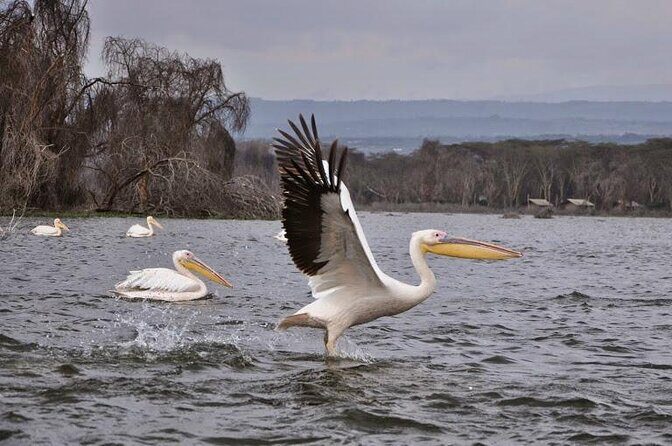
- Lake Nakuru focused on birds and rhinos, with flamingos and pelicans as the headline
- Lake Naivasha built in as a breather, with an optional boat ride if you want it
- Green Crater Lake walk in Crater Lake Game Sanctuary, a different kind of game viewing from the open plains
- Guides you can trust with the hunt, including people named Nduso, Ibrahim, Marcus, and Paul in prior safari service
Price and logistics: what $2,200 buys you
At $2,200 per person for an 8-day circuit, you’re paying for more than park tickets. You’re buying a guided route that strings together several Kenya highlights with scheduled game drives, meals, and transportation.
Here’s what that value looks like on paper:
- A 4×4 Toyota Hiace minivan setup with a first-aid kit, ice chest, and fire extinguisher
- English-speaking driver/guide with Kenyan culture and wildlife context
- Park entrance fees and game drives as noted in the itinerary
- Unlimited bottled mineral water (this matters more than people think on safari)
- Pickup and drop-off transfers
- Meals included for the full trip (breakfast 7, lunch 7, dinner 7)
What is not baked in: tips/gratuities, international airfare/airtickets, balloon safari in Maasai Mara, Masai village visit, snacks between meals, and personal spending.
My practical advice: budget for the extras early so they don’t surprise you mid-trip. If ballooning in the Mara is on your wish list, the added cost is clear (USD 475 per person per ride), and it can be the one add-on worth planning for in advance.
A few more Kenya tours and experiences worth a look
How the Toyota 4×4 safari ride affects your day
This tour runs on a minivan rather than a huge bus. That usually means smoother logistics: fewer transfers, and a setup that works well for day-by-day park entry and game-drive timing.
You also get the small but smart survival items:
- Unlimited bottled mineral water
- Ice chest for keeping drinks cool
- Fire extinguisher and first-aid kit in each vehicle
On safari, comfort is mostly about managing the basics. You’ll be spending long stretches looking out a window. If you’re sensitive to heat, bring a light layer for early mornings and a hat for midday sun. Since the day pacing is outdoors-heavy, it’s also worth packing a small day bag you can access fast without rummaging.
Day 1: Amboseli arrival and that 16:00 game drive feeling
After early morning airport pickup, you drive into Amboseli National Park. The route passes through Masai land, then you arrive for lunch and check-in before your first real wildlife run.
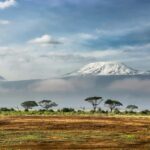
The schedule detail I like: your main game viewing starts at 16:00. That’s an excellent time for animal activity and better light for photos. Also, Amboseli has a reputation for weather drama that pays off: the clouds can clear and reveal the snow-capped dome of Mt. Kilimanjaro in the early evening.
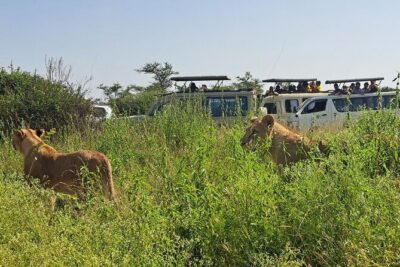
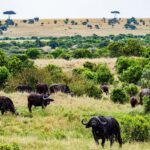
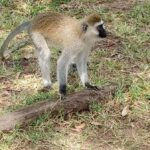
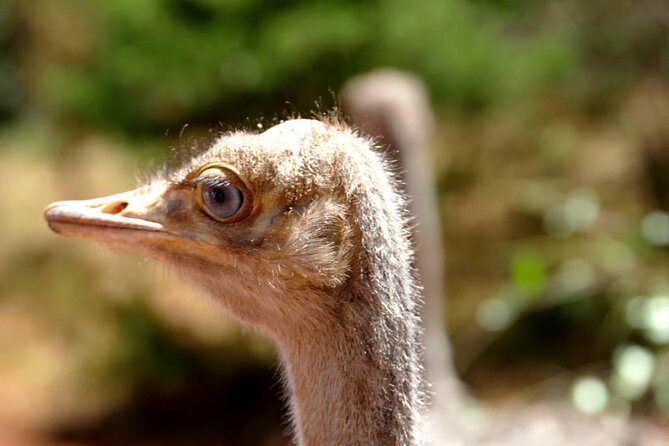
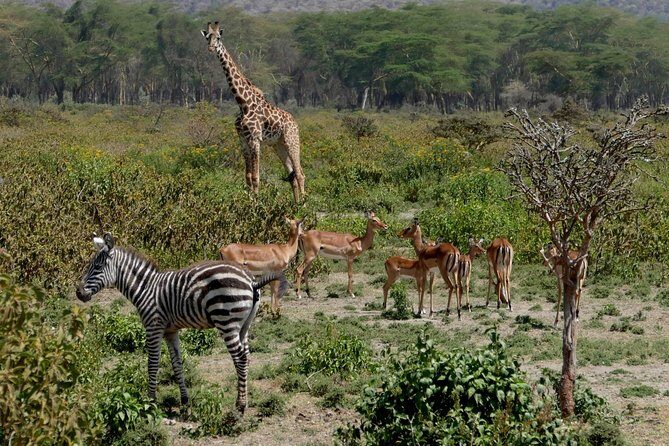
You’ll likely see elephants, wildebeest (gnu), buffalo, gazelles, lions, cheetahs, and monkeys, plus a range of birds.
One consideration: first-day sightings can feel “slower” after travel, even if the park is loaded. Your goal here is to get oriented—learn what the guides look for, and settle into the rhythm of the day.
Lodging
You stay at Amboseli Sentrim lodge, located just outside Amboseli NP. That location usually helps keep your driving efficient.
Day 2: A whole Amboseli day plus Masai culture as an optional add-on
Day two is a full Amboseli day with morning and afternoon game drives. This is where Amboseli really rewards patience. Elephants can be predictable in where they feed and move, but sightings still stay fresh because you’re seeing them in different light and different habitats across the day.
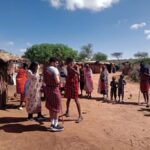
The itinerary also includes an optional Masai village visit (USD 20). If you choose it, go with the mindset of learning rather than expecting a wildlife exhibit. It’s cultural time, and it’s priced as an add-on for a reason.
As on day one, the evening can bring that payoff view again: clouds clearing for Mt. Kilimanjaro.
What to know before you go
Amboseli is one of the best parks for that classic “Africa” frame: elephants + open land + a big mountain backdrop. If you’re hoping for that feeling, day two is the safer bet than day one, because you’ll have two game windows instead of one.
Day 3: Lake Nakuru’s flamingos and rhino chance
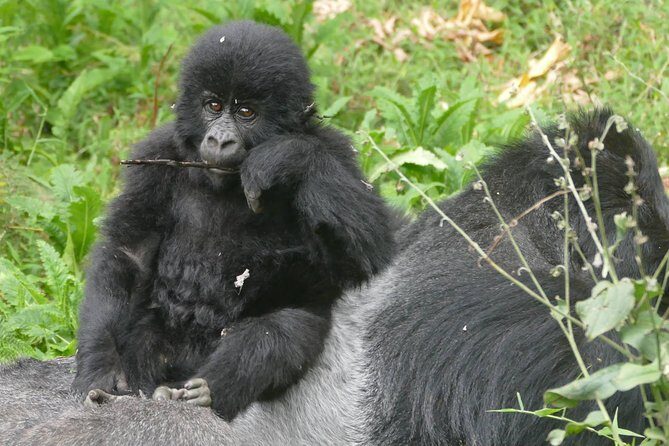
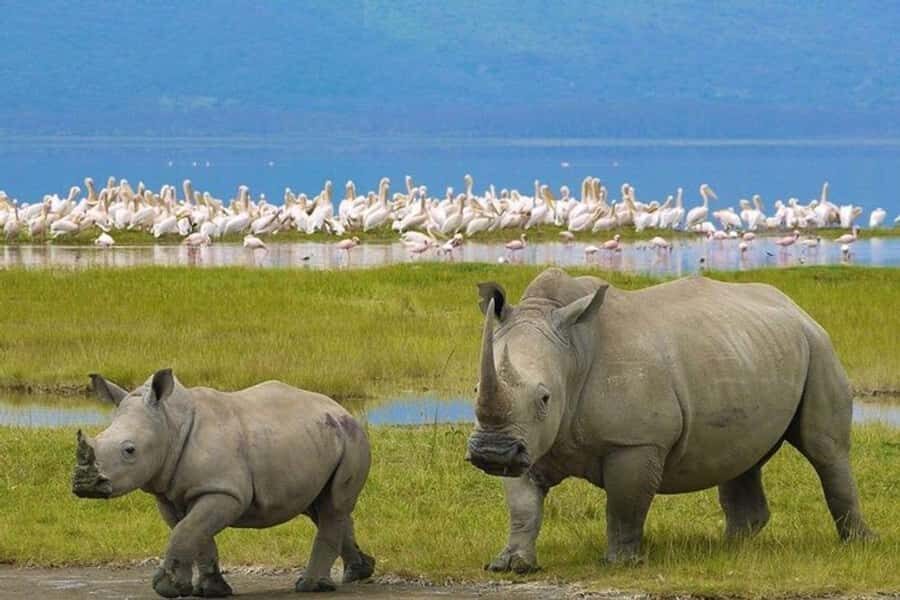
After breakfast you head to Lake Nakuru National Park, arriving for lunch and check-in. Then you do an afternoon game drive toward the lake for flamingos and pelicans.
This day is more specialized than the others in a good way. You’re not only hunting mammals; you’re aiming at a wildlife “scene”:
- Flamingos (the iconic headline)
- Pelicans
- Birdlife in the Lake Forest area
- Possible rhino sightings, including white/black rhinos, plus Rothschild giraffes, waterbucks, and more
If you love birds, this is a strong day. Even if you don’t get every animal on the list, you’ll still likely have something to watch constantly by the shore.
Lodging
You stay at Lake Nakuru Kivu Resort at/near Lake Nakuru NP. One important caution: accommodation quality at the Lake Nakuru area has been criticized in at least one past service experience, with a note that the provider would check and improve it. That doesn’t mean it will be bad for you, but it does mean it’s worth asking for the lodge name before you commit if comfort matters.
Day 4: Into the Great Rift Valley and on to Maasai Mara
Early breakfast, then you drive along the Great Rift Valley. Along the way, you pass Mount Long’onot, listed here as an extinct volcano. It’s the kind of scenery that makes the drive feel like part of the tour, not just travel time.
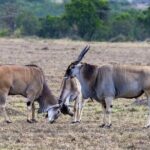
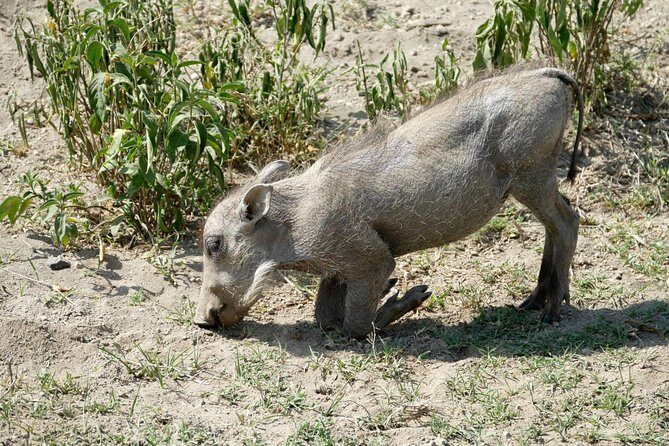
You arrive at Maasai Mara National Reserve for check-in and lunch, then go out in the afternoon for game viewing. Expect a mix: giraffes, elephants, monkeys, leopards, lions, gazelles, and lots of birds.
The biggest Mara advantage is simple: it’s famous because it’s big enough for animals to spread out. That means you’re not always repeating the same scene in the same spot. It can feel like the park keeps offering new angles.
Timing matters
Don’t treat Mara as a single sunset game drive. Day four is your entry day; day five is where the extended hunting windows happen.
Day 5: Maasai Mara’s full day and the “Big Five” odds
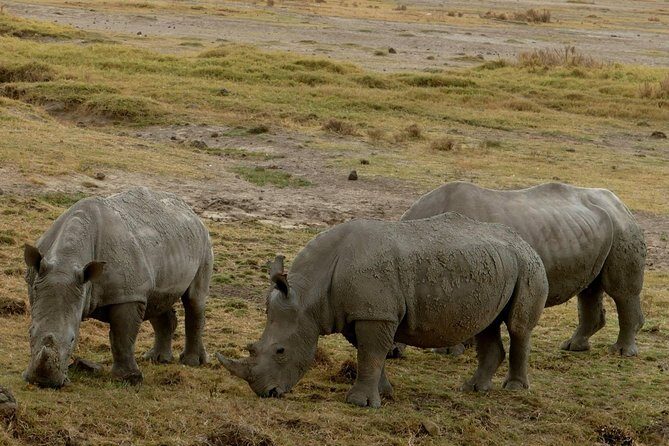
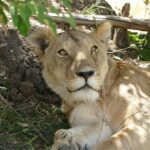
Day five is one of the main reasons to choose this route. You get a full day of game drives: morning and afternoon. The itinerary specifically calls out a chance at the Big Five: lion, elephant, rhino, buffalo, and leopard.
Reality check: you can’t guarantee any specific animal. But having two game-drive sessions gives you more chances to meet the big stuff, and it also lets the guides adjust. If the cats are quiet in one window, there’s still another window to try.
This is also a great day for the Mara’s big grazers and predators working together:
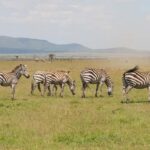
- Wildebeest and zebra herds
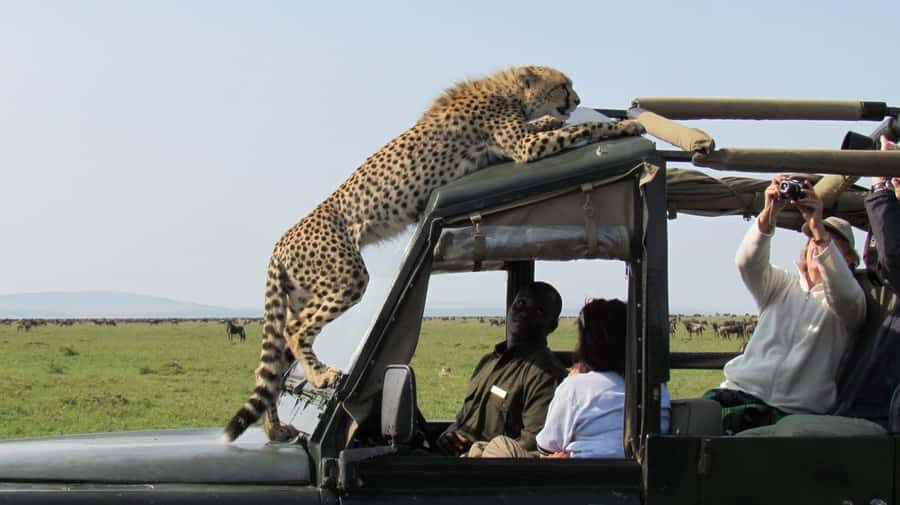
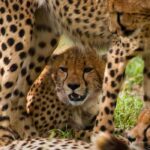
- Cheetahs
- Gazelles
- Plus lots of other wildlife and bird species
Tip for making this day feel worth it
Plan for breaks without losing momentum. Bring sunscreen, keep water handy, and don’t rush through the views. Mara reward comes from slow attention, not frantic camera clicking.
Lodging
You stay at Mara Chui Resort, located just outside Maasai Mara NR. Staying near the reserve helps keep your drive time efficient.
Day 6: Lake Naivasha as your recovery day (with an optional boat ride)
This is a calmer shift. After early breakfast, you head to Lake Naivasha, arriving in the afternoon with time to relax.
You can also opt for a boat ride. The itinerary doesn’t list the cost for that boat ride, and it also states an admission ticket is not included for this day, so treat any extra lake activity as an add-on you may pay separately.
What makes Naivasha a smart move in the middle of the safari circuit:
- You get a break from constant game-drive scanning.
- You get a different ecosystem—water, shoreline birdlife, and a softer pace.
- It reduces burnout before your next walking safari-style activity.
Lodging
You stay at Sweet Lake Resort at Lake Naivasha.
Day 7: Crater Lake Game Sanctuary and the Green Crater Lake walk
This day is less about sitting in a vehicle and more about walking with the guide.
Breakfast is at 7:00, then pickup at 8:00. The drive takes you out of Naivasha and down the edge of Lake Naivasha on a road described as rough and bumpy. You also pass large greenhouses where roses and other flowers are grown for export.
You arrive at Green Crater Lake around 9:30, then begin your morning game walk. The green crater lake is described as volcanic in origin, formed by volcanic activity.
What you’re looking for on the walk:
- Up-close chances for giraffe
- Many varieties of antelope
- Photo opportunities
- Guides explaining animal behavior and birdlife
This is where your safari changes texture. Walking means you notice smaller details: tracks, movement close to the ground, and bird sounds you’d miss from a vehicle.
One consideration: it’s a morning activity in a wildlife reserve, so dress for sun and bring something comfortable for walking.
Admission
For this day, the admission ticket is listed as included.
Day 8: Back to Nairobi and out to the airport
On day eight, you wake up, have breakfast, then drive out of the park area back toward Nairobi. You arrive in Nairobi early and are then transferred to the airport.
This is the day where you pack smart. Your safari brain will want to keep looking at animals until the last minute. Still, it’s worth keeping your phone charger, meds, and camera extras easy to access so you aren’t stuck digging in bags at the airport.
Guides and group pace: why names matter
Safari quality isn’t only about parks. It’s about how your guide reads the land and manages time.
In the provided service history, guides named Nduso, Ibrahim, Marcus, Paul, and Paul Ovolemi show up in highly positive experiences tied to:
- Quick communication and helpful planning
- Caring for families and travelers’ needs
- Energy and enthusiasm in the field
- Finding animals by understanding behavior, not just luck
That last point matters. When a guide understands animal behavior, the trip feels active and intentional. You’re not just waiting for sightings; you’re learning how the sightings happen.
This tour is also set up as private, meaning it’s only your group participating. Private can mean less pressure, a better pace match, and fewer compromises in where you spend time looking.
Optional extras: what’s worth paying for
Two optional items show up clearly in the info:
- Masai village visit: USD 20 (choose if you want culture time)
- Balloon safari in Maasai Mara: USD 475 per person per ride (choose if you want a once-in-a-lifetime view over the Mara plains)
Also, there’s the boat ride option at Lake Naivasha. Since it’s optional and not included, decide based on whether you want a quieter nature experience or you prefer more rest.
My quick rule: if you’re stretching your budget, don’t add extras on top of extras. Pick one experience that changes how you see the parks. Ballooning often does that, while village visits add cultural context.
Should you book this 8-day Kenya safari?
Book it if you want a classic Kenya circuit with multiple wildlife-heavy parks plus one or two days that break the pace. Amboseli and Maasai Mara are the core, Lake Nakuru adds birds and rhinos, and Lake Naivasha gives you space to breathe. The Green Crater Lake walk is a nice change from vehicle-based game drives.
I’d think twice or at least ask more questions before committing if you care a lot about lodge comfort standards at Lake Nakuru area, since at least one past experience flagged disappointment there. If that’s you, request the exact lodge name and confirm what’s included in the room setup you’ll get.
One more practical tip: this is a good safari for first-timers because the route is structured and the guide-led focus is built in. Just go in expecting driving time, wildlife is never guaranteed, and your best days often come from repeated chances across multiple parks.
If you’re ready to trade a big city itinerary for real animals, this 8-day Kenya loop is a strong value for the mix of parks, included meals, and game-drive time.
FAQ
What is included in the tour price?
The price includes an English-speaking driver/guide, transport in a 4×4 Toyota Hiace minivan with a first-aid kit, ice-chest, and fire extinguisher, unlimited bottled mineral water, park entrance fees and game drives as noted, pickup and drop-off transfers, and meals (7 breakfasts, 7 lunches, and 7 dinners).
What extra costs should I plan for?
You should budget for tips and gratuities, international airfare and airtime, and personal items. Extras listed include a balloon safari in Maasai Mara (USD 475 per person per ride), a Masai village visit (USD 20), plus between-meal snacks and any events not included.
Does the trip include airport pickup and drop-off?
Yes. The tour includes pickup and drop-off transfers, and day one starts with early morning pickup at your airport. Day eight includes driving back to Nairobi and then transfer to the airport.
When do game drives happen in Amboseli?
On day one, after lunch and check-in, afternoon game viewing starts at 16:00. On day two, you’ll do both morning and afternoon game drives in Amboseli.
Is the boat ride at Lake Naivasha included?
The itinerary says you’ll have time to relax or opt to do the boat ride, but it also lists that the admission ticket for that day is not included. So the boat ride should be treated as optional and potentially an extra cost.
Can I cancel and get a full refund?
Yes. You can cancel up to 24 hours in advance for a full refund. If canceled less than 24 hours before the start time, the amount paid is not refunded. The experience can also be canceled due to poor weather, in which case you are offered a different date or a full refund.