REVIEW · KENYA
Kenya: Maasai Village Visit with Traditional Dance Show
Book on GetYourGuide →Operated by Arara Travel and Tours Safaris · Bookable on GetYourGuide
A Maasai village visit is cultural contact, not a drive-by. You’ll get a guided house tour and traditional dance in central Kenya, usually timed for early light and smooth Nairobi logistics. It’s the kind of stop that helps you connect what you see on safari with how people live day to day.
I particularly like the way the guides (like Brian, in one booking) explain Maasai traditions in plain, direct terms, and how the welcome you get from a village leader (for example Alfred) makes the experience feel personal. The house tour also matters more than you’d expect, because it’s where you notice daily details, not just performances.
One thing to consider: the day can be a mix of long road time and “village time,” and comfort can vary. Also, the cost picture can feel confusing because there’s a listed village/entry fee (and the total tour price can vary), so you’ll want to confirm what you’re paying before you go.
In This Review
- Key points to know before you go
- Maasai village visit that feels human, not staged
- Nairobi pickup and the road time that shapes your schedule
- Inside the village: houses, daily life, and guided walking
- Traditional dance show: what makes the performance worth the time
- Price and village fees: what $50 really buys you
- What to bring for comfort and respect in the village
- Who this Maasai village visit is best for
- Should you book this Maasai village visit?
- FAQ
- How long is the Maasai village visit?
- Where do pickups happen?
- What’s included in the price?
- Is the village entry fee included?
- Are meals and drinks included?
- What should I bring?
- Is it wheelchair accessible?
Key points to know before you go
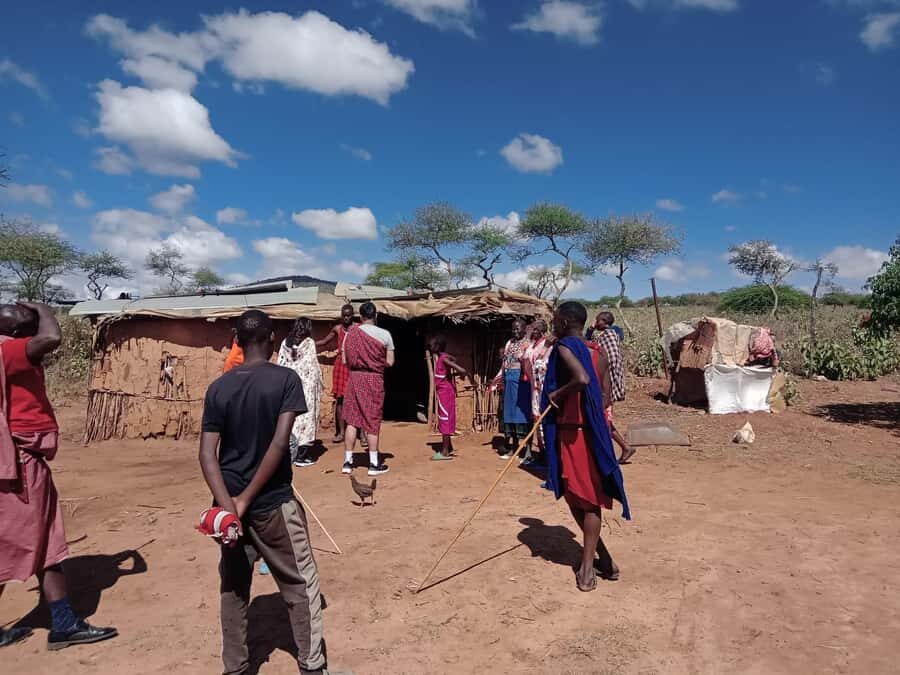
- Meet the Maasai at village scale that can be small, not always a big tourist setup
- Two hours of dance time gives room for real rhythm, not a quick demo
- House tour + daily-life walking is where questions actually make sense
- Nairobi pickup and return transfer keeps the logistics simple
- Budget for possible extra village fees and plan for no meals included
- Rules are real: no alcohol/drugs, no smoking, and avoid touching plants
Maasai village visit that feels human, not staged
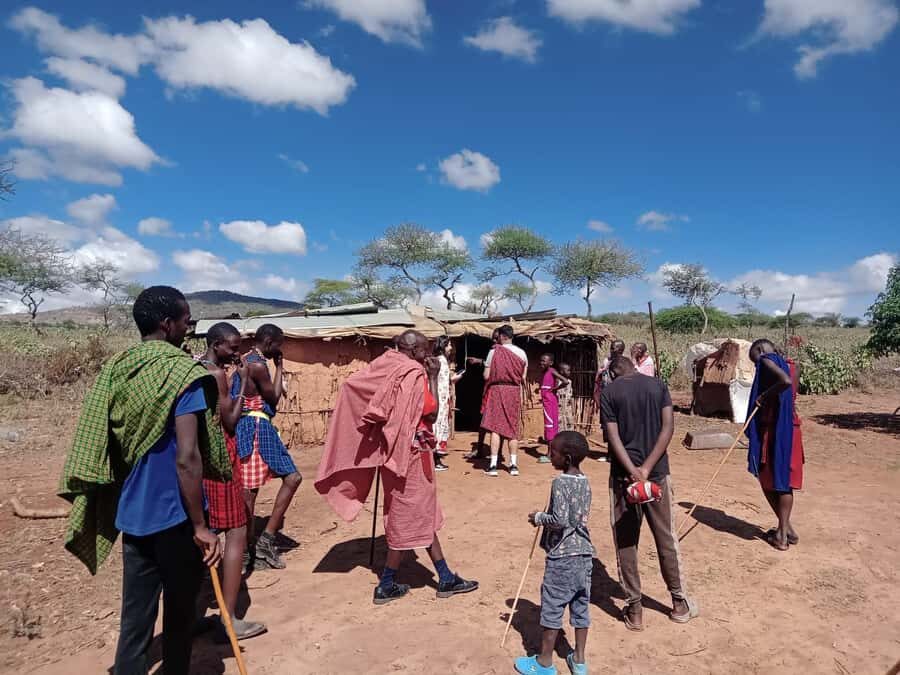
This is one of those tours where the best part is the conversation, even if your Swahili is still in the “thanks” stage. You’re going to hear about Maasai origin stories and migration through the tribe’s oral history, including movement from north of Lake Turkana and later arrival across central Tanzania and northern Kenya. That context helps the dance and daily tasks click instead of staying as “pretty culture.”
What I like most is how the human welcome comes through. In one booking, the tribe leader Alfred handled the welcome and sharing, and that tone set the pace for everything that followed. Another guide name you might meet is Brian, who was praised for answering questions about Maasai culture and Kenya with patience.
Also, the vibe tends to be interactive. You’re not just standing behind a rope. You’ll walk through the village area, get a guided orientation, and have time for photo stops and shopping in the village setting. That makes it easier for you to ask your own “why” questions while things are still fresh.
A quick note on expectations: village size can vary. One booking described arriving to a small cluster of huts and staying about an hour, with plenty packed in—jumping, fire-making, spear-throwing lessons, photos, and group singing. If you want a massive, commercial production with dozens of structures, you might prefer a larger village stop. If you want something closer and more conversational, small can be a plus.
You can also read our reviews of more tours and experiences in Kenya.



Nairobi pickup and the road time that shapes your schedule
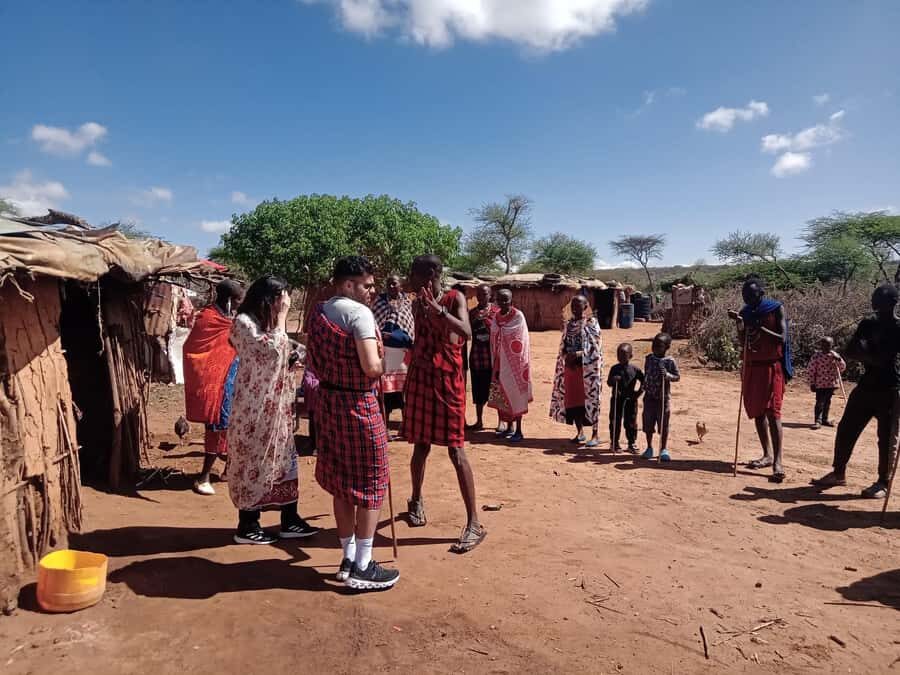
This is designed as a 7-hour outing with hotel pickup and return. Pickup is available from multiple Nairobi neighborhoods—things like Loresho, Kileleshwa, Kilimani, Kitisuru, Karen, and Westlands—so you can usually keep the first part of your day low-stress.
Most starts run early. In one case, pickup happened at 6:00, followed by about two hours of driving on local roads. Air conditioning might not be part of the plan, so you’ll want to dress like you’re going to be in Kenya road conditions: light layers, sun protection, and patience for stops and traffic.
The drive itself isn’t wasted time. You’ll have scenic views along the way, with the day framed around early light, including a sunrise mention in the itinerary details. That’s useful because if you’re doing a safari circuit, this tour becomes an easy cultural add-on rather than a full “separate trip.”
What to watch for: road comfort. One booking described a car situation that wasn’t ideal for cleanliness and ventilation, and another described road conditions in December as manageable. Bottom line: bring water, use sun protection, and expect local-road travel to be part of the experience, not just the commute.
Inside the village: houses, daily life, and guided walking
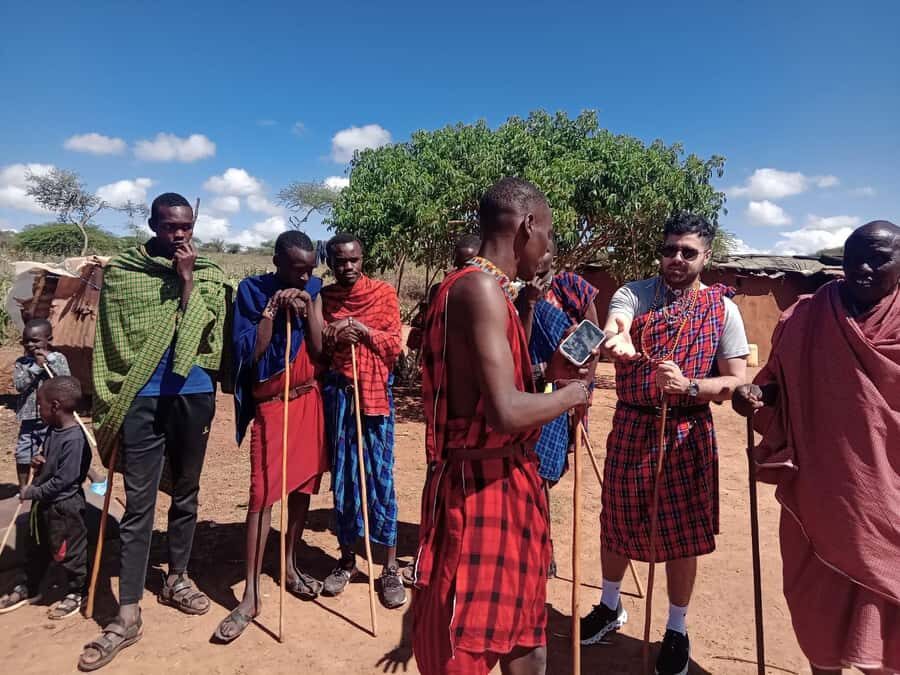
Once you arrive, you’re usually greeted, then guided through a mix of activities. Think: photo stop, visit and guided tour, a walk through the village space, and time to shop. There’s also a “class” element mentioned in the itinerary, which can mean simple teaching moments like how certain skills work or how daily routines are structured.
The house tour is a highlight for many people for a practical reason: it turns “culture” into physical reality. You’ll see how living spaces are built and used, and you’ll get explanations that make daily tasks feel less mysterious. Even when the village stay is short, house context helps you notice what you’re seeing instead of snapping photos and moving on.
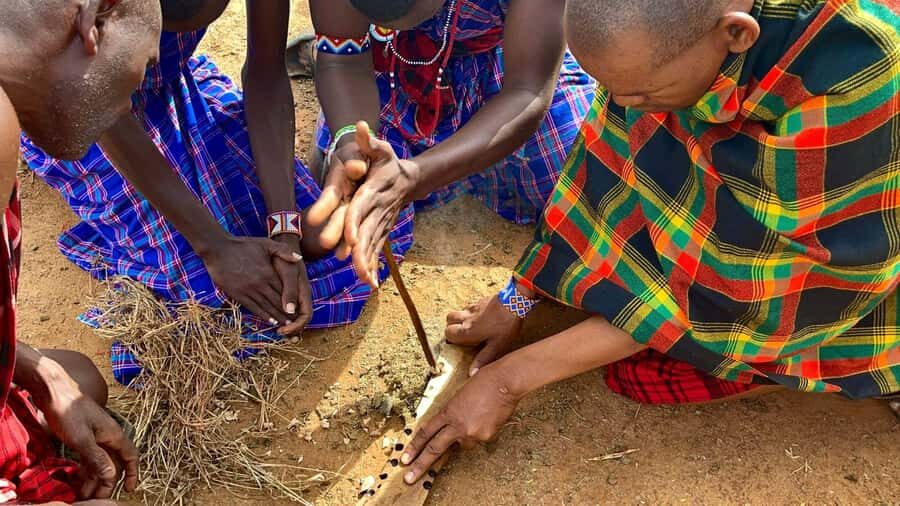
You’ll also likely encounter demonstrations tied to Maasai life—examples from one booking included learning how to throw a spear, watching fire-making, and participating in cultural moments like jumping and group singing. Those aren’t just entertainment; they’re a way of teaching through performance and repetition, which is common in many traditions.
Respect rules matter here. You’re told not to smoke and not to use alcohol or drugs, and you should avoid touching plants. That last one sounds minor until you’re standing close to vegetation and people’s belongings. Keep hands to yourself unless you’re explicitly invited to participate.
One more practical detail: village tour guides may answer questions while also managing their own phone calls or messages. In one booking, the village guide stepped away to take calls during the cultural talk. If you’re the type who needs constant attention, you may find the pace a bit real-world.
Traditional dance show: what makes the performance worth the time
The dance portion is clearly the centerpiece, listed at about 2 hours. This is where Maasai performance becomes more than a quick show. The timing is long enough for you to notice patterns—how movement builds, how groups respond, and how rhythm holds the room.
From the experiences shared, you can expect elements like jumping and group singing. One booking also mentioned seeing how fire is made and getting a chance to learn spear-throwing basics as part of the overall cultural package around the performance.
Here’s how to make the most of the dance time. Focus less on filming and more on watching how the performers coordinate as a group. If you can, ask your guide a simple question before the dancing starts: what should you watch for in the movements or the chants? You’ll usually get a better explanation than you expect.
Also, plan your body for active viewing. Even if you’re just watching, you’re in the middle of energy. Wear comfortable shoes, not your “nice” sandals. Dust and sun are both likely, and you’ll be grateful you chose footwear that can handle standing and walking.
If you’re tempted to treat this like a performance you just pass through, it’ll feel thinner. If you treat it like a living lesson—watch, ask, observe—the dance becomes the bridge between what you saw in the house tour and what you’ll see later on safari.
Price and village fees: what $50 really buys you

The headline price is often around $50 per person, with the broader range listed as roughly USD 25 to 60. That range matters because it changes what you feel you’re “getting” for the day.
What’s commonly included:
- Return road transfers from Nairobi
- Traditional Maasai dances
- House tour
- Drinking water
What may cost extra:
- A $30 entry fee is listed as not included in one part of the provided info, described as supporting community development
- Meals and drinks are not included
Here’s the value math I’d use before you commit. If transfers and basic activities are covered, the biggest missing piece is food, plus any possible village entry fee that isn’t rolled into your booking price. For a day trip, meals are the easiest add-on to budget for, and a $30 community fee is the kind of cost that’s not “extra for profit” in spirit, since it’s tied to local support.
Because the info provided includes both a “price varies and includes village contribution” statement and a separate “entry fee not included” line, you should confirm one thing with your operator before pickup: whether your $50 (or your exact booked amount) already includes the village fee or if you’ll pay the $30 on top.
If you do that, you’ll avoid the unpleasant surprise of being asked for another payment once you’re already at the village.
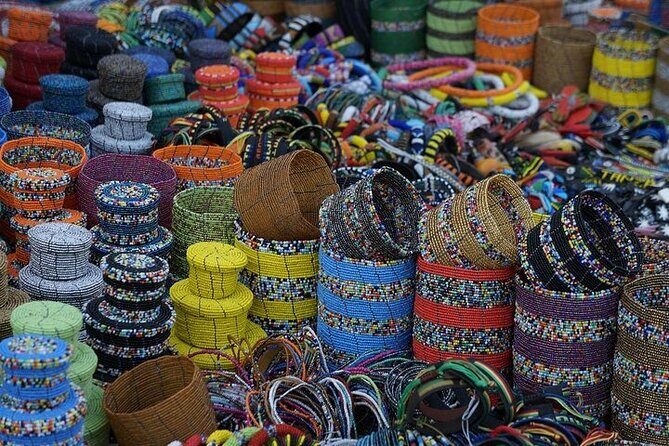
Another cost reality: shopping. There’s shopping time built into the flow, and it can be tempting to buy something you don’t need. If you want to support the community, set a small spending limit before you go. You’ll still have plenty of opportunities to say yes or no without decision stress.




What to bring for comfort and respect in the village
This tour has a simple packing list, and it’s the right one. Bring:
- Comfortable shoes for walking
- Sun hat and sunscreen (the sun is a bigger deal than you think)
- Camera (there’s photo time, but you’ll also want to watch with your eyes)
- Water (drinking water is included, but having extra never hurts)
- Hand sanitizer or tissues
You’ll also want to think about patience. You’re on local roads, sometimes with limited comfort features. Hydrate early, and don’t wait until you’re thirsty to drink.
Behavior-wise, you’re told:
- No smoking
- No alcohol or drugs
- Avoid touching plants
That’s not just rules for rules’ sake. It protects the setting and keeps the tone respectful, which matters for these cultural encounters.
Finally, a key practical note: not everything is suitable for everyone. Children under 5 and pregnant women are listed as not suitable. People with mobility impairments and wheelchair users are listed as not suitable too, even though the activity description also says wheelchair accessible. That contradiction is exactly why you should check with the operator directly if mobility is a concern, and plan for possible difficulties with steps, walking surfaces, and uneven ground.
Who this Maasai village visit is best for
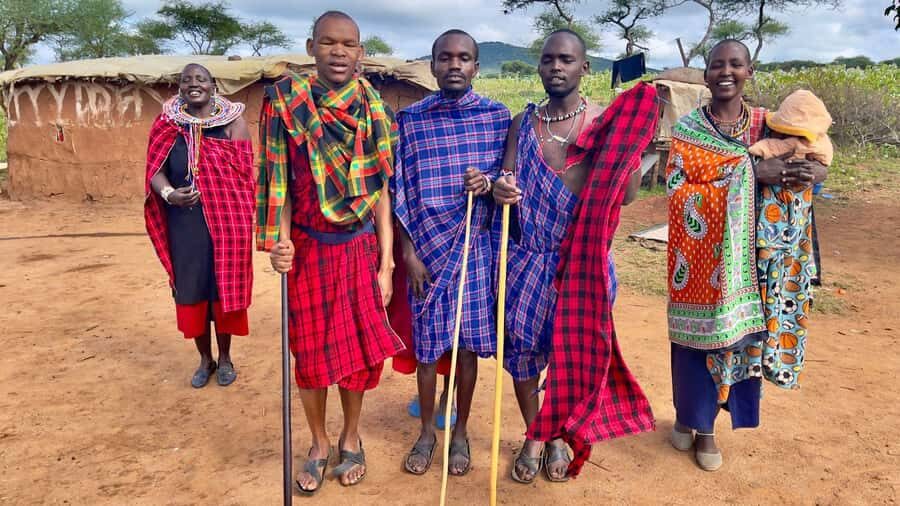
This fits best if you want a cultural stop that’s readable and interactive rather than just a quick photo opportunity. If you’re on a safari circuit and you like understanding the human side of Kenya alongside wildlife, this gives you that context fast.
It’s also a good match if you enjoy asking questions. The experience tends to run with guides who can explain traditions—Brian in one booking, plus Alfred at the village—so you’ll get more out of it when you engage.
Where it may not be ideal:
- If you want a fully comfortable day trip with minimal walking
- If you need wheelchair-friendly access without tradeoffs
- If you’re traveling with very young kids
- If you’re expecting a long meal break (meals are not included)
If you’re a photographer, you’ll have photo stops and plenty of opportunities, but keep your focus on respect and participation. If you’re a “just tell me what’s going on” traveler, you’ll be happiest with a guide who explains things while you’re there, not after the fact.
And if you enjoy small-scale settings, you may like that village setups can be modest rather than huge and overly staged.
Should you book this Maasai village visit?
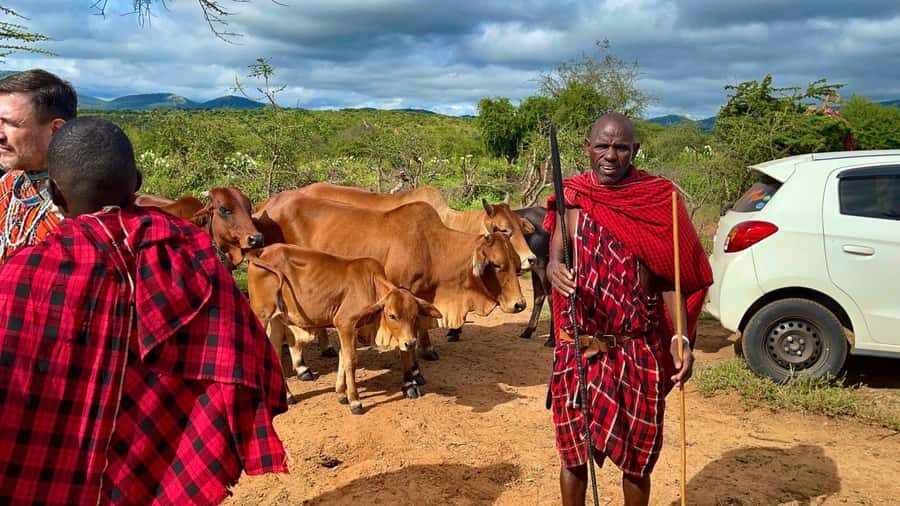
Yes, I think it’s worth booking if you want a structured cultural experience with real village access: house tour, guided explanations, and a dance show in a single day with transport handled. The biggest value driver is that the activities are organized so you can ask questions while you’re standing in the right place.
Before you pay, do two quick checks:
- Confirm whether your booked price includes any village/entry fee, especially since one detail lists a $30 entry fee and another detail says the contribution can be included in the overall range
- Plan your day around it being part road travel, part village activities, with no meals included
If those align with your comfort level and budget, this is the kind of trip that can turn your safari memories into something with context—and not just images.
FAQ
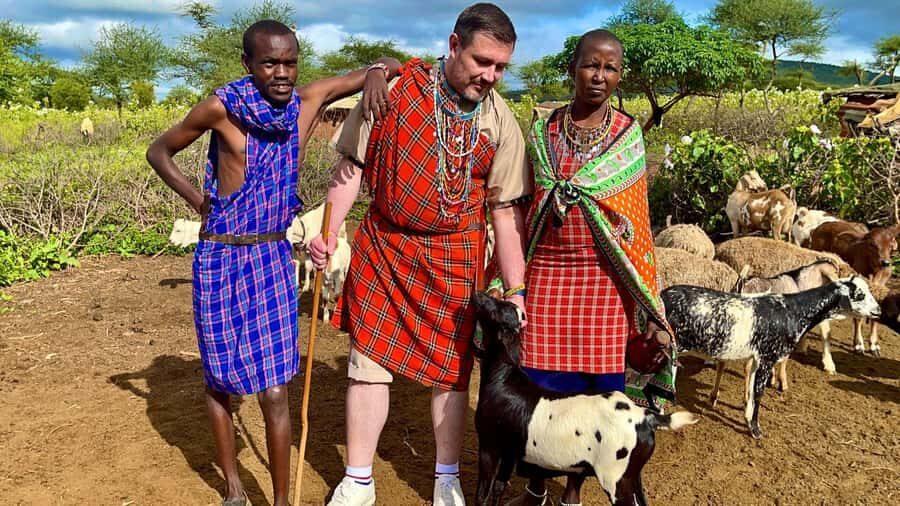
How long is the Maasai village visit?
The experience is listed as 7 hours total.
Where do pickups happen?
Pickup is included, and you can be picked up from any location within Nairobi. You’ll need to provide your address or the nearest landmark so the operator can confirm the pickup time and exact spot.
What’s included in the price?
Included items are return road transfers, traditional Maasai dances, a house tour, and drinking water.
Is the village entry fee included?
One part of the information lists a $30 entry fee as not included, described as helping with community development. At the same time, the overall price is also described as varying (about USD 25 to 60) and including a village contribution fee. Because both statements appear, confirm with your operator what your specific booking covers.
Are meals and drinks included?
No. Meals and drinks are not included.
What should I bring?
Bring comfortable shoes, a sun hat, camera, sunscreen, water, and hand sanitizer or tissues.
Is it wheelchair accessible?
The details include both a note that it is wheelchair accessible and also a note that it is not suitable for wheelchair users and people with mobility impairments. If mobility is a concern, double-check directly with the operator before booking.