REVIEW · NAIROBI
Nairobi cultural souvenir shopping tour with a local
Book on Viator →Operated by Rustic Nature Tours · Bookable on Viator
Souvenirs can turn into a headache fast. This Nairobi private shopping tour is designed to help you find quality crafts and gems without getting stuck guessing, with a guide who can translate and help you carry and compare items.
I especially like the hands-on stop at Kobe Tough Beads and Leather and the chance to shop for East Africa–sourced gemstones at Aqeeq Galleria.
One thing to consider: it’s a store-heavy day—about 6 hours—so it’s best if you actually want to buy, not just browse.
In This Review
- Key things that make this Nairobi shopping tour worth your time
- Why this Nairobi souvenir tour feels safer than wandering markets
- Price and timing: what $60 really covers for 6 hours
- Stop 1: Kobe Tough Beads and Leather, where beadwork comes with a mission
- Stop 2: Utamaduni Crafts Centre in Karen/Langata (and a garden break)
- Stop 3: Golden Eagle Art Gallery and the kind of creativity you can actually see
- Stop 4: Aqeeq Galleria gemstones from Kenya and East Africa
- Stop 5: Matbronze Wildlife Art and the Denis Mathews workshop style
- How to shop smart when you want gifts and real stories
- Use the guide as your translator and your filter
- Plan purchases in stages
- Think about packing early
- Don’t forget the story value
- Who this tour is best for (and who should skip it)
- Should you book this Nairobi cultural souvenir shopping tour?
- FAQ
- FAQ
- How long is the Nairobi cultural souvenir shopping tour?
- What does the $60 per person price include?
- Is pickup offered?
- Is this tour private or shared?
- What stops are included in the itinerary?
- Are admission tickets required at the stops?
- What gemstones are available to shop for?
- Is lunch included?
- Do I need to tip?
- What is the cancellation policy?
Key things that make this Nairobi shopping tour worth your time

- Door-to-door pickup and drop-off so you start shopping without navigating the city first
- A private route with your own guide and transport, so you can move at your pace
- Factory-to-gallery stops, not just one market with a lot of repetition
- Gemstone time built in, including Tanzanite, Amethyst, Rubies, Aquamarine, and more
- Free entry at each listed stop, which helps your budget go to what you buy
- Local help with language and heavy items, so you don’t lose time or energy on logistics
Why this Nairobi souvenir tour feels safer than wandering markets
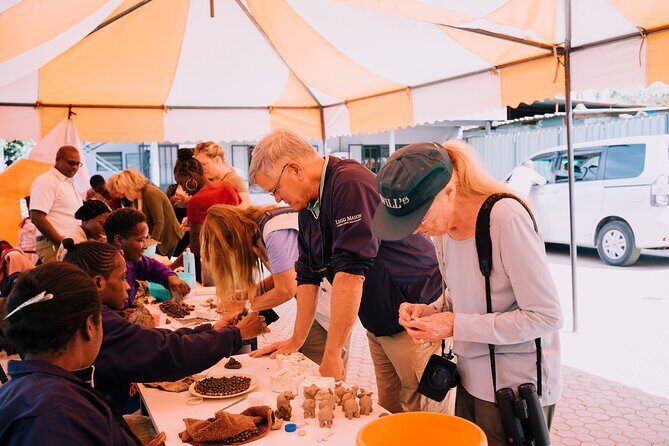
Nairobi souvenir shopping can be tricky. In open markets that aren’t well regulated, it’s easy to run into overpricing, misunderstandings, or goods that don’t match what you thought you were getting. This tour is set up to reduce that stress.
The biggest value is simple: you’re not left alone. You have a driver/guide who can translate, explain options, and help you make decisions if you feel stuck. If you buy something heavy, you don’t have to wrestle it yourself. And because the day is planned around specific stops, you can spend your energy shopping instead of constantly restarting your search.
I also like the tone of the route. It’s not only about selling. Several stops are focused on craft and community creativity, so you get a story behind what you’re buying. That matters, because souvenirs feel better when they come from a real process and real people—not just a pile of similar items.
You can also read our reviews of more shopping tours in Nairobi



Price and timing: what $60 really covers for 6 hours
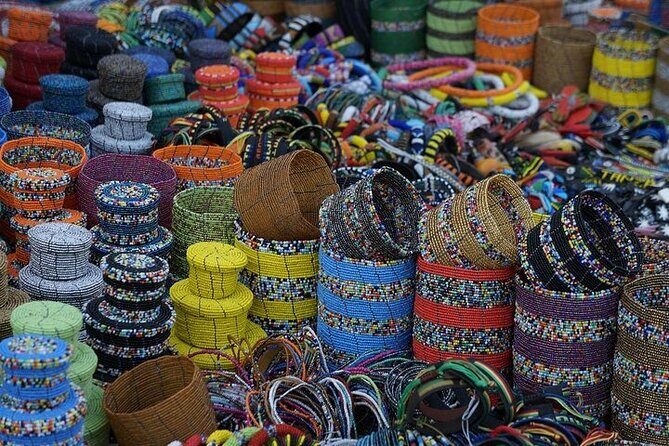
This experience runs about 6 hours and costs $60 per person. It’s often booked about two months in advance, which usually means the route is popular with people who want a smooth, practical day without last-minute planning.
For the price, you get more than “a place to shop.” You’re paying for:
- Pickup and drop-off at your hotel or residence
- Private transport for your group
- A professional tour guide who can translate and help with decisions
- A schedule with multiple craft and art stops listed for about an hour each, plus time to shop
Also, admission is listed as free at the stops in the itinerary. That’s not glamorous, but it’s helpful because it keeps your budget in your hands.
Two practical notes. First, lunch isn’t included (you can buy it if you want). Second, tips aren’t included—so if you tip your guides in general, factor that into your total spend. If your goal is to keep costs predictable, this tour is built to do that, as long as you’re comfortable with shopping for gifts and possibly gemstones.
Stop 1: Kobe Tough Beads and Leather, where beadwork comes with a mission
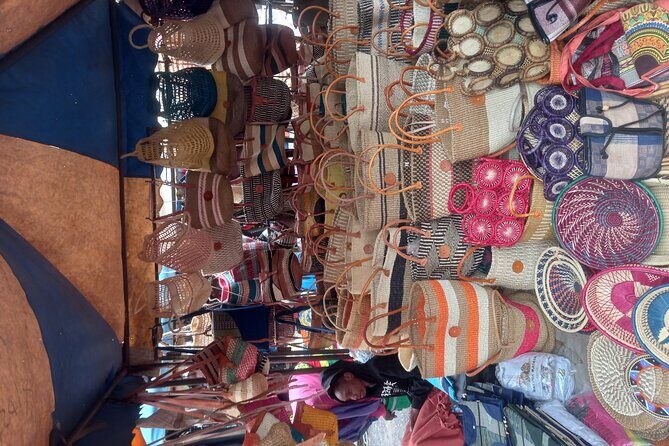
The day starts at Kobe Tough Beads and Leather, a pottery business focused on making some of the most striking beads you’ll see in Nairobi. The best part here is that it isn’t just a showroom. You’re shown steps in the process—how the work goes from start to finish.
There’s also a strong community angle. The center employs single mothers from a poorer neighborhood, giving them work that supports their families. The tour explains that the women behind this project previously worked for Kazuri beads, and when Kazuri shut down during the pandemic, this became a lifeline to keep employment going. In other words, your bead purchase can feel like more than a souvenir. You’re supporting a craft system that’s actively helping people.
What to expect while shopping:
- You’ll likely see a range of bead styles and leather-related pieces.
- You can take your time, because the point is to understand the work, not just rush through.
- If you want help choosing, the guide can translate and help you ask the right questions.
One small consideration: because the start of the tour is product-focused, it can be tempting to buy too early. I’d suggest holding off on the biggest spending until you’ve seen at least one other craft stop. Compare later, then decide.
Stop 2: Utamaduni Crafts Centre in Karen/Langata (and a garden break)
After beads, you head to Utamaduni Craft Centre, often described as a top African craft stop in Nairobi. It’s located in Karen/Langata, a greener part of the city known for the views around the Ngong hills and for Karen Blixen’s original farm.
Utamaduni itself is set in a converted Kikuyu house. Inside, there are 18 shops, which means you can browse without feeling like you’re stuck in one long hallway of the same items. You’ll find African crafts, antiques, and art, and staff are ready to help you pack or arrange shipping if needed. That is genuinely useful when you’re bringing home fragile items or multiple gifts.
Plan on using the time wisely. This stop is where many people find gifts they’ll actually use—small art pieces, decorative items, and pieces that look collected rather than mass-produced.
There’s also a bonus: a large garden restaurant for refreshments. If your morning was your bargain-hunt phase, this is a good place to reset before moving on to art and gemstones. It keeps the energy up for the rest of the day.
Stop 3: Golden Eagle Art Gallery and the kind of creativity you can actually see
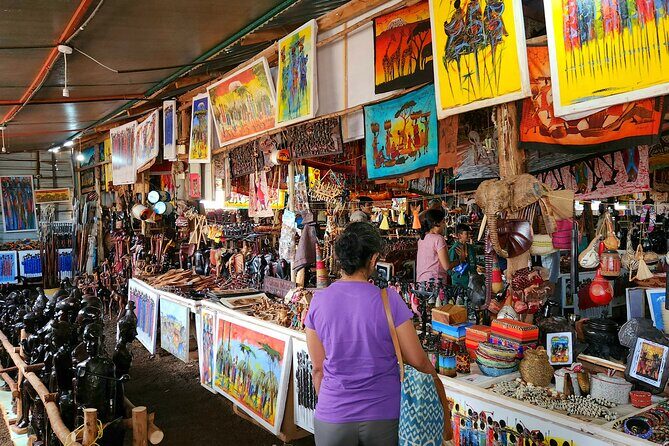
Next up is The Golden Eagle Art Gallery, described as community-based, with a clear goal: sell artwork in a way that supports local creativity and encourages authentic products. Here you’re not just looking at finished goods—you’re learning what different mediums look like in a Kenyan context.
Expect a mix of:
- Paintings and drawings
- Jewelry and craft items
- African attire, carvings, and antiques
- Materials like malachite and soapstone
- Plus other handmade items you might not see everywhere else
Why this stop works: it helps your shopping day feel like a cultural walk, not just a circuit of shops. If you enjoy art, you’ll likely spend extra time here simply admiring what’s on display.
Practical tip: if you’re the type who likes to make gift choices fast, set a quick rule before you enter. For example: decide on a budget range, then look for items that match it. This prevents decision fatigue, especially on a day already packed with five stops.






Stop 4: Aqeeq Galleria gemstones from Kenya and East Africa
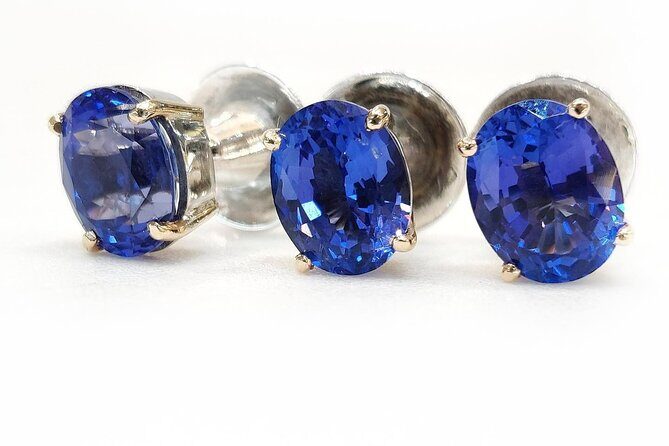
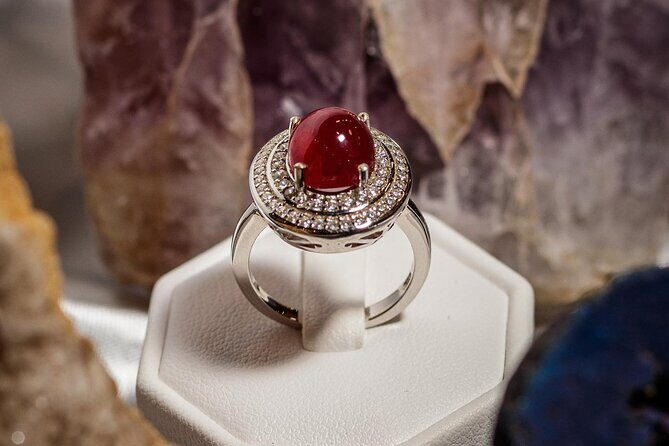
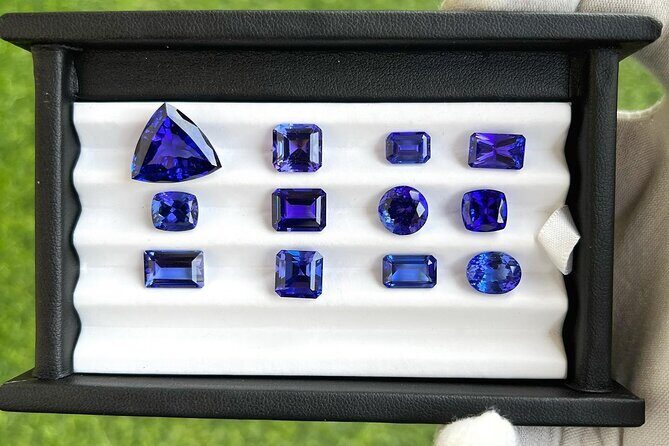
One of the reasons people book this tour is the dedicated chance to shop for precious stones. That’s where Aqeeq Galleria fits in. The store is described as exclusive and has locations in Mombasa and Nairobi.
Aqeeq focuses on authentic sustainably sourced gemstones and jewelry, with a large selection. The tour info lists stones that include:
- Tanzanite
- Garnet
- Amethyst
- Rubies
- Red Garnets
- Aquamarine
It’s also noted that these stones are mined in Kenya and East Africa. That matters because it gives you a clear regional story to connect to your purchase.
How to approach this stop if you’re not a gem expert: use the guide. Your guide can help you compare options and understand what you’re looking at, which is exactly what you want on a gemstone day. If a stone catches your eye, ask for explanations and take your time. Gem shopping can be confusing when you’re tired, so this being a scheduled, focused stop is a real advantage.
Another practical point: since this is the part of the tour most linked to higher ticket items, it’s worth keeping your budget in mind from the beginning of the day. If you’ve already spent heavily on beads and crafts, gemstones might turn from exciting to stressful. Plan your spending in advance, even loosely.
Stop 5: Matbronze Wildlife Art and the Denis Mathews workshop style
The tour wraps with Matbronze Wildlife Art, which is a big visual change from beads and galleries. This is about handmade bronze work—everything from small jewelry pieces up to large sculptures that you really have to see in person.
What makes Matbronze special is who makes the art. The bronze work is handmade by founder and artist Denis Mathews. There’s also a family-led expansion: his daughter Esenya started a silver range called SAFARIA, described as handmade pure silver jewelry. You may also see bronze pieces mixed with silver touches.
Even if you’re not shopping for big sculpture-style art, the place can still be worth your time. The scale and materials are impressive, and you can pick up smaller pieces if that’s more your style.
There’s also a restaurant on site, plus the gallery and foundry setup. That helps if you want a final sit-down and a last look before you head back out.
How to shop smart when you want gifts and real stories
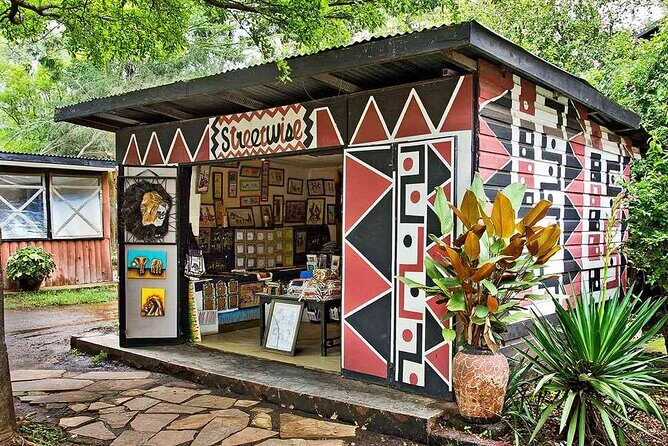
This tour is built for people who want souvenirs with meaning. Still, you’ll get more out of the day if you shop with a few simple habits.
Use the guide as your translator and your filter
Your guide is there to help you navigate language and choices. If you’re unsure what something is made of or where it fits price-wise, ask. If you’re deciding between two items, ask your guide to help you compare.
In one review, a guide named Kelvin was praised for taking people to the right places to buy souvenirs and for showing art you could genuinely admire. That lines up with what this tour is designed to do: not just drive you around, but guide your decisions.
Plan purchases in stages
Here’s an easy approach:
- Start with smaller crafts at the earlier stops (beads, smaller art pieces).
- Build toward larger buys later, when you’ve seen more variety.
- Use the gemstone stop when you’re ready to spend, not while you’re still in browsing mode.
This helps you avoid the classic problem: buying the first version you see, then realizing later that you could have gotten a better match for your taste.
Think about packing early
You’ll have at least one stop (Utamaduni) where staff can help with packing or shipping. If you’re planning to bring home fragile items or multiple gifts, ask about packing early rather than at the very end of the day when time and energy are running low.
Don’t forget the story value
Several stops have built-in meaning: empowerment work at Kobe Tough Beads, community art at Golden Eagle, and family-made metalwork at Matbronze. When you choose based on story as well as style, souvenirs feel less like purchases and more like memories.
Who this tour is best for (and who should skip it)
This is a good fit if:
- You want handicrafts, Kenyan art, and jewelry rather than generic souvenirs
- You care about buying from places with a real craft process behind them
- You want gemstone shopping with guidance, not guesswork
- You prefer private transport and a guide instead of trying to manage multiple stops alone
It might not be your best match if:
- You’re not planning to buy anything and just want scenery
- You’re traveling on a tight schedule where a 6-hour shopping day doesn’t fit
- You don’t like spending time inside multiple shops
A final note: the tour says most people can participate, and it uses a mobile ticket. That’s helpful if you want less stress on the ground.
Should you book this Nairobi cultural souvenir shopping tour?
I’d book it if you want a structured, low-stress shopping day with a guide who can translate, help you compare, and handle the heavy stuff. The itinerary balances factory craft, arts, and gemstones, so your souvenirs come from more than one style and more than one kind of creative maker. The fact that stops are set up as free admissions also helps you keep your money focused on what you take home.
I would hesitate if you’re only curious about shopping and aren’t ready to spend. In that case, the time commitment may feel too focused on buying. But if gifts, art, and even a possible gemstone are on your mind, this tour is the kind of practical Nairobi plan that saves time and reduces buyer fatigue.
FAQ
FAQ
How long is the Nairobi cultural souvenir shopping tour?
It runs for about 6 hours.
What does the $60 per person price include?
It includes hotel/residence pickup and drop-off, a professional tour guide, exclusive private transport, and the tour stops listed in the itinerary (plus Maasai market collections in Karen).
Is pickup offered?
Yes, pickup and drop-off are offered at your hotel or residence.
Is this tour private or shared?
It’s a private tour/activity, meaning only your group participates.
What stops are included in the itinerary?
The tour includes stops at Kobe Tough Beads and Leather, Utamaduni Craft Centre, The Golden Eagle Art Gallery, Aqeeq Galleria, and Matbronze Wildlife Art.
Are admission tickets required at the stops?
Admission tickets are listed as free at each stop in the itinerary.
What gemstones are available to shop for?
The gemstones listed include Tanzanite, garnet, Amethyst, Rubies, Red Garnets, and Aquamarine.
Is lunch included?
Lunch is not included, but lunch is available for purchase.
Do I need to tip?
Tips and gratuities are not included.
What is the cancellation policy?
You can cancel for a full refund if you cancel at least 24 hours in advance of the experience’s start time. If you cancel less than 24 hours before, the amount paid is not refunded.