REVIEW · MOMBASA
Mombasa: Tusks, Fort Jesus, Old Town, Beach and City Tour
Book on GetYourGuide →Operated by Mombasa Tours · Bookable on GetYourGuide
Fort Jesus hits like a time machine with sea views. I love how this tour mixes Portuguese history with real street life in Old Town, and I especially like the spice tasting that turns a market stop into something you can actually remember. One thing to consider: the Fort Jesus museum entry fee isn’t included, so you’ll want some cash ready before you go in.
My favorite part is how the day flows from big landmarks (Fort Jesus) to sensory stops (Marikiti spice market) to iconic photos at Pembe za ndovu. I also like that you’re not just dropped at sights—you get a guide, photo help, and tuk-tuk rides to keep the pace manageable. The main drawback is that the markets can feel overwhelming if you’re new to Kenya, so go slow and don’t feel rushed to buy anything.
In This Review
- Key things you’ll notice on this tour
- First stop: Fort Jesus and the Portuguese story on the coast
- Old Town Mombasa: narrow streets, Swahili architecture, and Mandhry Mosque
- Marikiti Spice Market: the smell-and-sample part that makes it real
- Pembe za ndovu: tusks, the 1952 story, and photo help
- The tuk-tuk ride and why it keeps the day comfortable
- Mamangina Beach: sea breeze, ferry action, and a calmer ending
- How long it takes and what that means for your schedule
- Value check: what $30 buys you (and what you still pay)
- Guide quality and small-group feel that makes the difference
- Who this tour suits best (and who should think twice)
- Should you book the Mombasa Tusks, Fort Jesus, Old Town, Beach and City Tour?
- FAQ
- Does the tour include hotel pickup and drop-off?
- Is entry to Fort Jesus Museum included in the price?
- What language is the tour guide?
- How long is the tour?
- Does the tour include spice tasting?
- Are meals included?
- Can I cancel for a full refund?
Key things you’ll notice on this tour
- Fort Jesus UNESCO setting: Portuguese-built fortress + museum context + Indian Ocean views
- Old Town walking route: narrow lanes, Swahili/Old Town architecture, and Mandhry Mosque area
- Marikiti spice market tasting: vendors, aromas, and sample-size flavor moments
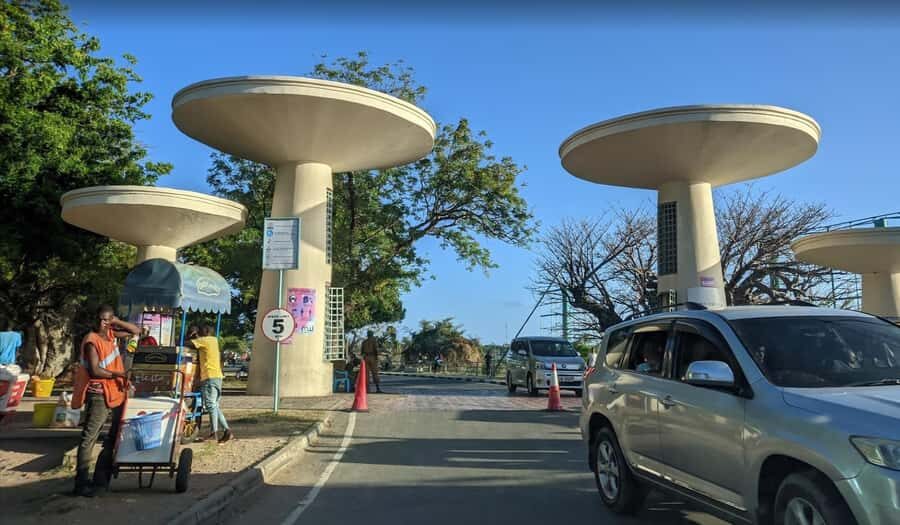
- Pembe za ndovu photos: iconic tusks with a specific local history tied to 1952
- Mamangina Beach ferry-and-port views: sea breeze and quick visual variety at the end
First stop: Fort Jesus and the Portuguese story on the coast
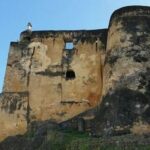
Fort Jesus is the heavyweight on this itinerary, and you’ll feel it the moment you see the fortress sit over the coastline. Built by the Portuguese in the late 1500s, it’s now a museum that tells the story of the coast and the people who shaped it. Expect a guided visit that connects the walls to the wider history—Orman Arabs, Portuguese influence, and how the region became a meeting point.
This is also where timing matters. You want to arrive with enough energy to read exhibits and still look up—because the views of the Indian Ocean are part of the payoff. The museum entry fee is not included, so I recommend budgeting for it up front rather than scrambling at the last minute.
You can also read our reviews of more city tours in Mombasa
Old Town Mombasa: narrow streets, Swahili architecture, and Mandhry Mosque
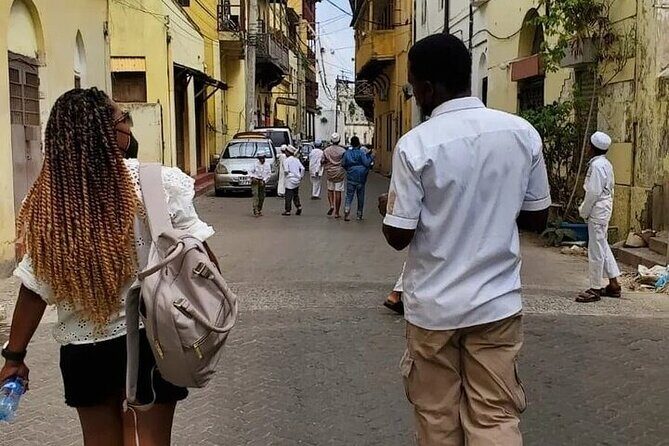
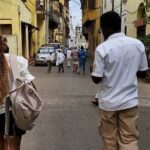
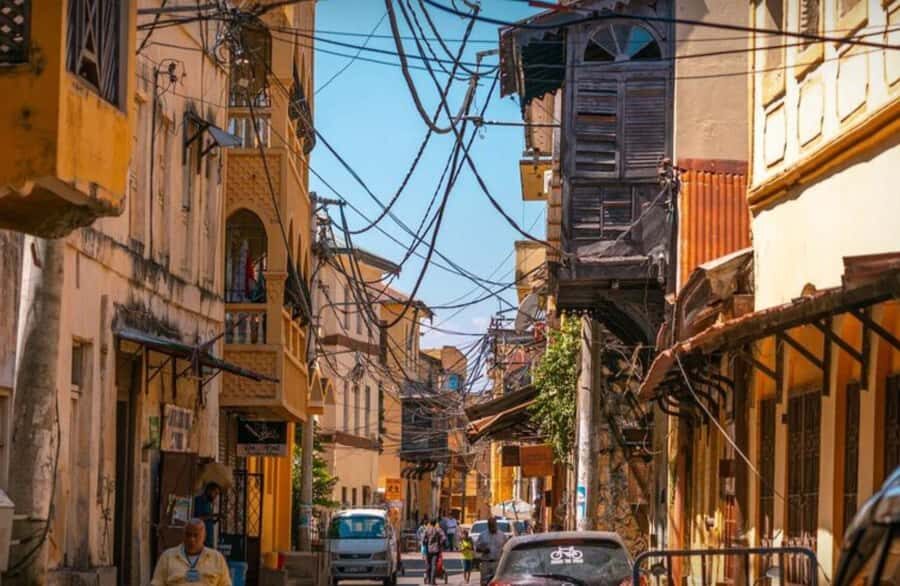
After Fort Jesus, the vibe shifts from fortress walls to everyday street geometry. Old Town Mombasa is all narrow streets, local architecture, and places that feel used—not staged. You’ll get a walk-through of key landmarks and you’ll have time to wander, not just march.
One standout mentioned in the tour flow is the area around Mandhry Mosque. Even if you’re just looking from outside, it helps you understand the religious and cultural footprint of the area. And you’ll likely pass antique shops and souvenir stands, where you can browse at your own pace instead of only shopping from the car window.
Old Town can be very photogenic, but the smarter move is to pace yourself. If you rush, you’ll miss small details like doorways, corridor-like alleys, and the way buildings sit close to the street. If you want the best photos, slow down for 30 seconds at each lane turn—your phone camera will thank you.
Marikiti Spice Market: the smell-and-sample part that makes it real
Then you hit Marikiti spice market, which is where this tour turns from sightseeing into sensory travel. This market is known for spices, fresh produce, and local goods, and the best part is that you’re not just looking—you’re sampling. You’ll walk through with your guide, interact with vendors, and enjoy spice information and tasting as you go.
What makes this valuable is context. Spices aren’t just colorful dust in a jar here; they’re part of daily cooking and trade that shaped the coast. Your guide helps you connect the smells and flavors to local use, so you’re not guessing what you’re tasting.
A quick caution: markets can get loud, crowded, and a little pushy, especially if you’re not used to it. If you feel overstimulated, step slightly to the side, take a sip of your bottled water/soft drink, and let the crowd move past you. You’re there to enjoy it, not win a footrace.
Pembe za ndovu: tusks, the 1952 story, and photo help
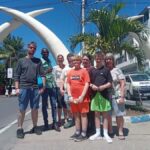
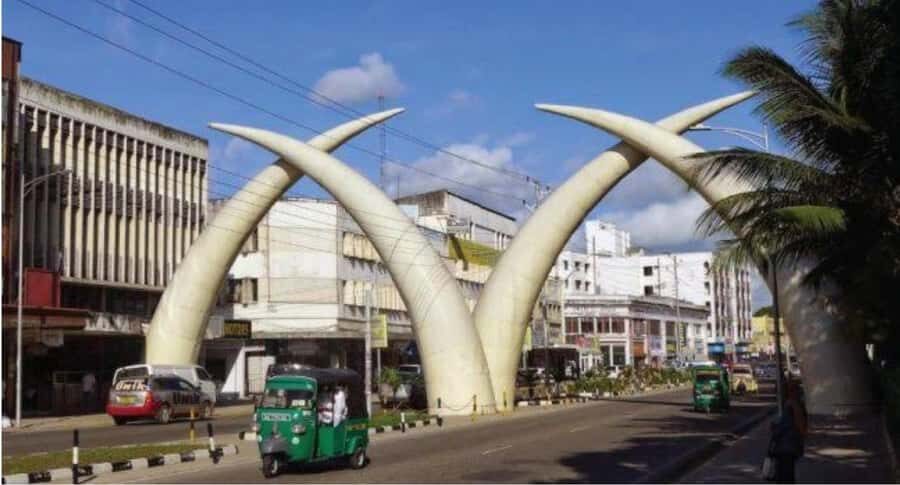
Next comes one of Mombasa’s most iconic photo spots: Pembe za ndovu—the tusks. These tusks were erected in 1952 to commemorate the visit of Queen Elizabeth to Mombasa, and they’ve become a recognizable symbol of the city. The guide’s explanations help you see them as more than a landmark; they’re a marker of a specific moment in local history.
You’ll also get photography assistance here. That matters because good tusk photos aren’t just about aiming. You’ll want the right angle for the full shape, the best background framing (so you don’t end up with messy street clutter), and a spot where the lighting works. With help, you can focus on getting a few strong shots instead of constantly asking strangers to take one more picture.
Also: wear closed shoes or sturdy sandals if you have them. The area is easy to enjoy, but you’ll be walking and positioning for photos, and your feet will do better with grip.
The tuk-tuk ride and why it keeps the day comfortable
Between stops, you’ll use a tuk-tuk for certain segments—specifically from the spice market to the tusks and then on toward Mamangina Beach. In a city tour, this is one of the small details that makes the whole day feel lighter. You’re not stuck timing everything around foot traffic, and you don’t lose time to constant street crossings.
There’s also hotel pickup and drop-off included, plus bottled water/soft drink. That combination is practical. It cuts down on stress at the start and keeps you hydrated between stops, especially if you hit the market on a warm day.
One more benefit: the tour includes internet, which sounds minor until you realize how useful it is for maps, messaging, and sharing photos while you’re still out and about.

Mamangina Beach: sea breeze, ferry action, and a calmer ending
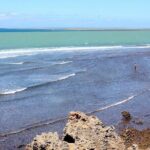
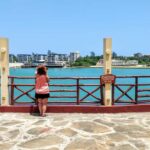
To close the loop, you’ll head to Mamangina Beach, known for its cool breeze. This stop is a nice break from the indoor museum and the busy market energy. What you’ll enjoy most is the view—watch ferry activity taking people across the ocean, and see ships arriving at the Mombasa sea port area.
This is the part of the tour that feels like exhale time. You can stand, take photos, and let the city keep moving without you doing anything except noticing. If you want a final memory that feels coastal and real, this is it.
How long it takes and what that means for your schedule
The tour is priced at $30 per person and is typically run in around four hours, though some schedules can stretch a bit longer depending on pace and how the day develops. That length is great if you want a full taste of Mombasa without burning your whole day.
You’ll also be walking, especially in Fort Jesus and Old Town. If you’re comfortable with a few hours of walking at a reasonable pace, you’ll be happy. If not, keep your pace slow and ask your guide to adjust when you need it.
Value check: what $30 buys you (and what you still pay)
At $30, the value is strong because most of the busy-work is handled for you. You get hotel pickup/drop-off, a professional guide, photography help, bottled water/soft drink, tuk-tuk rides for key segments, and spice tasting plus spice info. You also get internet during the experience.
What’s not included: Fort Jesus Museum entry fee, meals and drinks beyond what’s mentioned, and personal purchases (like souvenirs). The smart move is to treat that as the variable part of the budget. If you plan to snack or buy a few items, set aside extra cash so you don’t feel pressured.
Overall, this is the kind of tour that saves time. Instead of trying to connect Fort Jesus, Old Town, the spice market, and the tusks on your own, you’re guided between them efficiently—and you learn what you’re looking at while you’re there.
Guide quality and small-group feel that makes the difference
This tour’s reputation centers on guide energy and organization. Names like Juma and Kassim come up again and again, and they’re praised for explaining the sites clearly, keeping the group comfortable, and making sure the day stays smooth.
I also like the practical way guides work with you. One common theme is flexibility—if you want to slow down for photos or ask more questions, you usually can. Another theme is safety and care, including comfortable transport and a guide who checks in so you feel confident moving through busier areas.
Sometimes the group is small enough to feel close to private. If that happens, you’ll benefit from more direct questions and more time at the places that matter most to you.
Who this tour suits best (and who should think twice)
This is a great fit if you want an efficient first look at Mombasa with history + street culture + a coastal finale. It’s especially good for first-timers who don’t want to piece everything together alone, and it works well if you enjoy markets and guided context.
It may be less ideal if you hate crowds or you get uncomfortable with attention in busy spaces. Markets can be intense, and Old Town streets can be active. If that’s you, go with a calmer mindset: take breaks when needed, and remember you control how close you get to the vendor flow.
Also consider museum costs. Fort Jesus is the star, so if you’re trying to keep a tight budget, factor in the separate entry fee.
Should you book the Mombasa Tusks, Fort Jesus, Old Town, Beach and City Tour?
Yes—if you want a guided sampler that covers the big essentials in one outing. The mix of Fort Jesus, Old Town walking, Marikiti spice market tasting, photo time at Pembe za ndovu, and a breezy ending at Mamangina Beach is exactly the kind of route that makes a short trip feel complete.
I’d especially book it if you care about context, not just photos. With a guide and photography help, you’ll spend less time figuring things out and more time understanding what you’re seeing.
If you’re market-shy or on a super tight budget, plan for the Fort Jesus entry fee and keep your shopping expectations realistic. But even then, it’s one of the better ways to connect Mombasa’s highlights without wasting half a day in transit.
FAQ
Does the tour include hotel pickup and drop-off?
Yes. Hotel pickup and drop-off are included, along with a professional tour guide.
Is entry to Fort Jesus Museum included in the price?
No. The entry fee for Fort Jesus Museum is not included.
What language is the tour guide?
The tour is offered in English.
How long is the tour?
It typically takes around 4 hours, though it can run longer depending on the day.
Does the tour include spice tasting?
Yes. The tour includes spice information and tasting at the spice market.
Are meals included?
No. Meals and drinks are not included.
Can I cancel for a full refund?
Yes. You can cancel up to 24 hours in advance for a full refund, and you can also reserve & pay later.