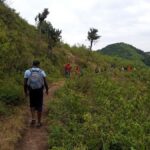
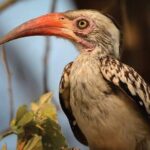
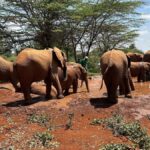
A long safari hits different when the days are built for early sightings. This 12-day route stacks Tsavo, Amboseli, Naivasha, Nakuru, and Maasai Mara in a smart order, so you keep changing scenery while still chasing big cats and big animal moments. From the first morning you’re out early, with tea/coffee and a light pause built in before you head into the bush.
I especially like the mix of wildlife and the “where else can you go?” stops: Mzima Springs for hippos and clear-water life, plus Lake Naivasha’s walk-with-the-animals style experience at Crescent Island Sanctuary. One possible drawback to plan for is the amount of time on the road between parks; this is a true safari circuit, so you’ll trade sleep-in mornings for regular early starts.
In This Review
- Key Highlights You’ll Actually Care About
- How the Tsavo-to-Mara Route Keeps You Seeing New Things
- Nairobi Arrival, Pickup, and a Private-Safari Feel
- Tsavo East National Park: Elephants, Predators, and Aruba Dam
- Tsavo West and the Rhino Sanctuary Detour
- Amboseli: Mzima Springs Hippos, Then Kilimanjaro Views
- Lake Naivasha: Hells Gate, Geothermal Stops, and a Guided Walk
- Lake Nakuru: Flamingoes and Big Five Hunting Days
- Maasai Mara: Twice-Daily Big Cat Chances and Maasai Culture Time
- Meals, Lodges, and What You’ll Spend Extra On
- Price and Value: Is $3,400 a Reasonable Deal?
- Who Should Book This Safari (And Who Might Not Love It)
- Final Call: Should You Book This 12-Day Kenya Safari?
- FAQ
- How long is the 12-day Kenya safari?
- Where does the safari start and end?
- Is this tour private?
- What meals are included?
- Are admission tickets included?
- Can I cancel for free?
Key Highlights You’ll Actually Care About
- Tsavo East full-day wildlife time with a visit to Aruba Dam and built-in packed lunches
- Tsavo West rhino sanctuary stop at Ngulia Safari Lodge, with a chance for leopard sightings
- Amboseli + Mzima Springs in one flow to spot hippos and fish in crystal-clear water
- Lake Naivasha walking with wildlife at Crescent Island Sanctuary, guided and boat-accessible
- Lake Nakuru birding scale with up to 425 bird species and famous flamingoes
- Maasai Mara twice-daily rhythm using early drives plus tea, coffee, and cookies
How the Tsavo-to-Mara Route Keeps You Seeing New Things
This safari is built like a highlight reel, but it doesn’t feel rushed the way some quick “big parks only” trips do. You move from Tsavo’s elephant and predator country into the Kilimanjaro backdrop of Amboseli, then down into the Great Rift Valley’s water-and-bird world at Naivasha and Nakuru, before landing in the grasslands of Maasai Mara.
What you get from this structure is variety without losing focus. Each park has its own main characters: Tsavo leans hard toward elephants and big-cat energy, Amboseli mixes wildlife with mountain views, and Naivasha/Nakuru bring in birds and freshwater scenes that break up the drive-game-drive pattern.
The other thing I like is that the itinerary repeats proven safari timing. You get those early game drive mornings where the light is good and animals tend to be active, then you’re back for breakfast and later drives when you’re not as sleepy and cranky.
A few more Nairobi tours and experiences worth a look
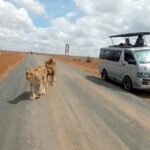
Nairobi Arrival, Pickup, and a Private-Safari Feel
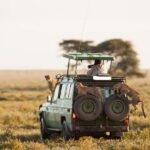
The tour starts at Jomo Kenyatta International Airport in Nairobi, with pickup offered (airport or hotel pickup is part of the experience details). The format is a private tour/activity, meaning it’s just your group. That matters because game driving isn’t only about where you go. It’s also about pacing, vehicle comfort, and being able to spend longer on a sighting instead of watching the clock for a large-group shuffle.
You also get a mobile ticket, which is a small but real convenience when you’re hopping between lodges and park entry points.
If you’re the kind of traveler who likes a straightforward plan with a driver and a schedule you can trust, this setup usually feels calmer than the DIY route.
Tsavo East National Park: Elephants, Predators, and Aruba Dam
You begin in Tsavo East, and the reason people talk about this area is simple: elephants are a core part of the story, and Tsavo is also known for the famous man-eating lion history (the itinerary leans into that legend as part of the orientation). Day 1 starts with arrival and lodge check-in at Voi Safari Lodge, then an afternoon game drive.
Day 2 is where Tsavo East really pays off. You leave early, return for breakfast, and then spend the full day in the park. You’ll also have a packed lunch and visit Aruba Dam. That combination is useful: game drives give you the moving spectacle, while water points like dams can concentrate animals and make sightings more reliable.
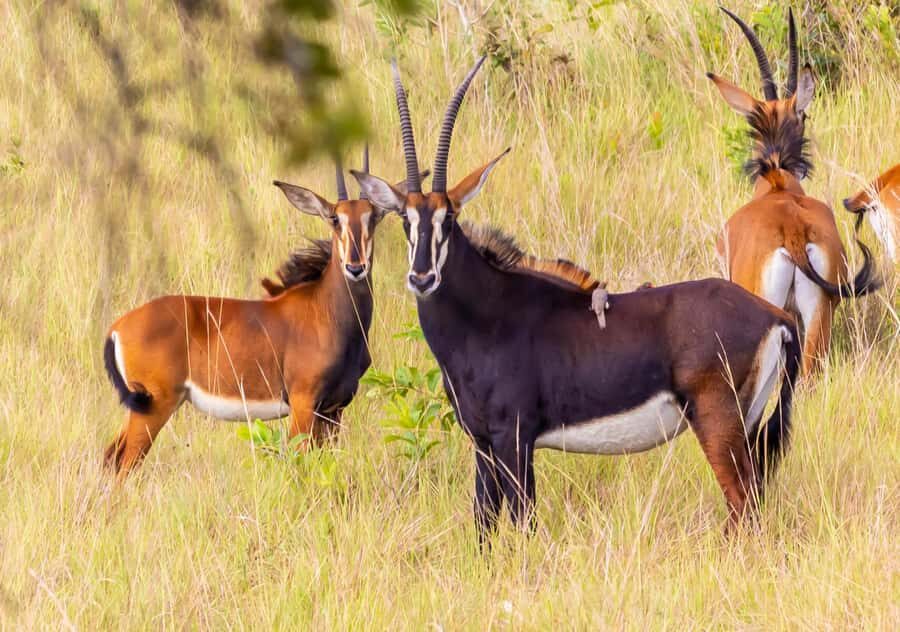
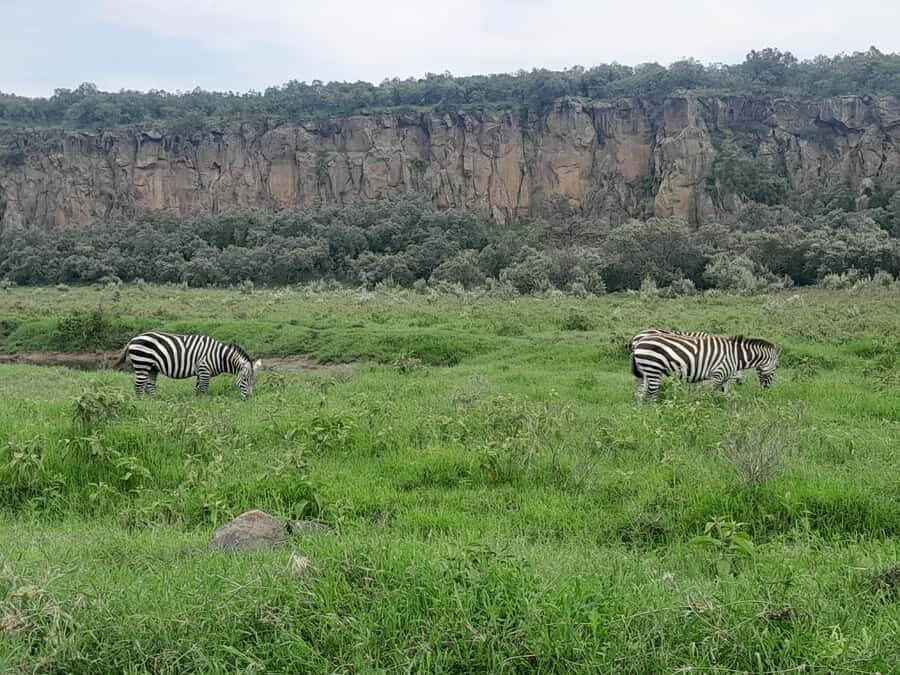
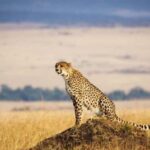
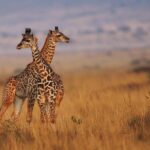
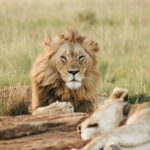
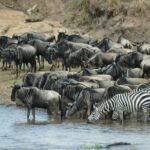
Expect the usual Tsavo mix: zebras and wildebeests, giraffes, hippos, and the predators you came for. The itinerary specifically calls out lions, cheetahs, and leopards roaming the grasslands in search of the next meal. Even when the exact sighting isn’t guaranteed, the rhythm of morning-to-afternoon time in the park is the right way to raise your odds.
Practical note: early mornings are emphasized for a reason. The itinerary mentions low temperatures make it more comfortable for both game viewing and the animals’ activity. If you’re the type who hates cold, pack accordingly so you don’t spend the first hour of the drive thinking only about your gloves.
Tsavo West and the Rhino Sanctuary Detour
After Tsavo East, you head to Tsavo West and check in at Ngulia Safari Lodge. Day 3 follows the same pattern: early game drive, breakfast, then travel into Tsavo West.
The best “value-add” here is the stop at a rhino sanctuary in the afternoon. Even if you’re mostly a big-cat person, this shift helps round out what you see in Kenya. It also breaks the day into distinct parts: wildlife time, then a more focused conservation-style visit, then back to the lodge for dinner and overnight.
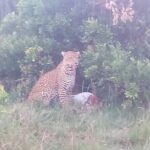
One more note from the experience flow: when you return to the lodge, you may be lucky enough to see a leopard. It’s not promised, but the itinerary frames it as a possibility. That’s exactly how safari spotting works—sometimes the day ends with a surprise.
If you want your safari to feel like more than just scanning for the same animals, Tsavo West adds that change-of-focus without wrecking your schedule.
Amboseli: Mzima Springs Hippos, Then Kilimanjaro Views
Amboseli is the Kenya section many people dream about, but the itinerary earns that excitement with an extra stop: Mzima Springs on the way in.
You start with an early breakfast, then a morning game drive that includes Mzima Springs, where you can view hippos and fish in crystal clear water. The itinerary also says you might spot crocodiles and monkeys. That’s a different type of wildlife watching—less about long-distance scanning, more about watching animals in and around water in a way that feels almost like a live nature display.
After that, you continue to Amboseli at the foot of Mount Kilimanjaro. You’ll arrive in time for lunch and check-in at Sentrim Amboseli game, then go out again for an afternoon game drive.
Day 5 continues with an early morning game drive, then breakfast back at camp before a full day drive. The itinerary highlights zebras and wildebeests and repeats the theme of predators across the route. It also points out views of Kilimanjaro, which is part of why Amboseli hits emotionally for many travelers: you’re watching wildlife with a major landmark in the frame.
What to watch for: Kilimanjaro views can depend on visibility, so don’t assume you’ll get perfect mountain shots every day. But the fact that your itinerary includes multiple days in the area increases your odds of at least some clear looks.

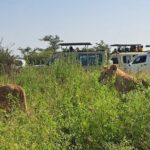

Lake Naivasha: Hells Gate, Geothermal Stops, and a Guided Walk
Naivasha is a strong palate-cleanser after several days in classic savanna parks. On Day 6 you head from Amboseli to Lake Naivasha, checking into Lodge Naivasha for lunch, then an afternoon game drive plus visits to Hells Gate National Park and a geothermal power plant.
That mix is unusual in a good way. Many safaris focus only on game drives and park interiors. Here, you get a broader sense of Kenya’s real-world geography—water country, dramatic terrain at Hells Gate, and a geothermal energy stop that ties nature and technology together.
Day 7 adds the experience people remember: Crescent Island Sanctuary, described as the only park where you can do a guided walk setting with animals. The itinerary emphasizes that it’s private, secure, patrolled, and you go with guides. It also notes access by boat from either side or by road, and the broader timing context that it’s under two hours on tarmac from Nairobi.
The big value is that it’s not just another drive-through. You’ll be close enough to feel the scale of the animals and the safety protocols around walking. If you’re the type who gets restless sitting in a vehicle all day, this is a built-in break.
One consideration: because the walking experience is a key element, weather and temperature can affect comfort. The itinerary doesn’t spell out conditions, so plan layers for mornings and bring something practical for sun.
Lake Nakuru: Flamingoes and Big Five Hunting Days
Lake Nakuru National Park is where the safari changes tone again. On Day 8 you leave Masai Mara for Nakuru with a morning breakfast and game drive en-route, then stop for lunch before arriving in the afternoon.
On arrival, you go straight into game drives, and the itinerary points out the big five animals specifically as lion, rhino, leopard, and cheetah plus other wildlife. That’s useful because it sets expectations. You’re going in with a clear target list, not just hoping the park throws everything at you.
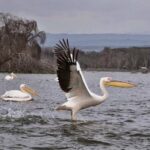
Nakuru also delivers bird life. The itinerary says Lake Nakuru is famous for millions of flamingoes and migrant birds, with up to 425 different bird species recorded in the area. Even if you don’t count birds like a hobby, the sheer scale is a visual payoff you won’t forget.
You’ll return to the hotel before dark for dinner and overnight, which is the right approach here because bird and animal viewing is intense and tiring. Ending the day with a proper meal and rest helps you stay sharp for Maasai Mara.
Maasai Mara: Twice-Daily Big Cat Chances and Maasai Culture Time
Maasai Mara is your main long-haul wildlife stage. You arrive Day 9 after a full buffet breakfast, then check in to your lodge, have lunch, and go out on an afternoon game drive. The itinerary frames Mara as also connected to the Masai tribe, with a cultural layer that you’ll encounter as part of the experience environment.
Day 10 and Day 11 are built around classic safari timing with a lodge routine. You get tea, coffee, and cookies in the lodge after an early wake-up call, then go out on an early drive. The itinerary calls early morning the most popular game viewing time, with low temperatures creating a favorable atmosphere for both animals and viewers. You head out again for an afternoon drive after breakfast.
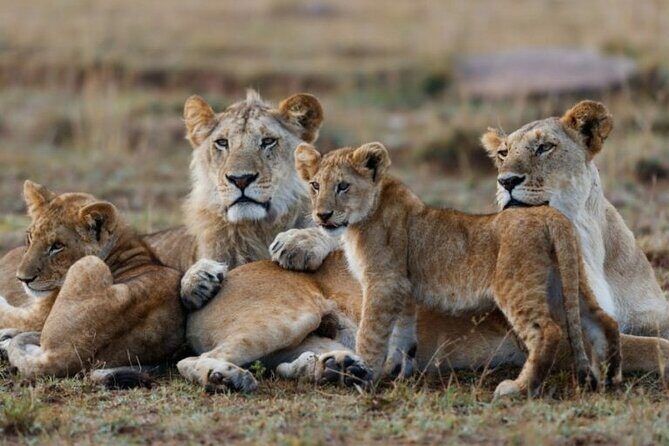
You’re specifically looking for lions, cheetahs, and leopards roaming the grasslands in search of prey such as impala or small warthog. That’s the kind of expectation that helps you stay patient when the first sighting doesn’t show up right away.
The cultural detail matters too: the itinerary mentions young Maasai warrior nomads with plaited hair, red cloaks, and spears. You’ll likely find that to be one of those moments that gives context to the place. You’re not only seeing animals; you’re seeing how the human story sits alongside the wildlife story.
One drawback to keep in mind: Mara can be busy emotionally. With three days of drives, you may feel like your body is always half on safari mode. Plan for fatigue and take rest seriously when you’re back at camp.
Meals, Lodges, and What You’ll Spend Extra On
Food is handled well on paper. The itinerary includes all meals: breakfast, lunch, and dinner. Breakfast is listed as included for 12 days, which signals that you’re not scrambling for your first meal of the day while other people are loading vehicles.
That matters because safari days start early and keep moving. Having meals included also helps you control costs compared to pay-as-you-go travel.
What isn’t included is alcohol. So if you like a drink with dinner, you’ll need to budget for it separately.
The lodges named in the experience flow include Voi Safari Lodge (Tsavo East), Ngulia Safari Lodge (Tsavo West), Sentrim Amboseli game (Amboseli), and Lodge Naivasha (Naivasha). While the exact room standard isn’t detailed here, the schedule indicates you’ll get check-ins aligned with game driving so you’re not living out of a suitcase every day.
Price and Value: Is $3,400 a Reasonable Deal?
At $3,400 per person for about 12 days, the value comes down to what you get beyond the parks themselves.
Here’s what’s strongest on value:
- Private tour/activity, so you’re not sharing your safari rhythm with strangers
- Pickup offered and an organized route across multiple top Kenya destinations
- All meal costs included (breakfast, lunch, dinner)
- The itinerary repeatedly lists admission ticket free for activities and park days, which suggests you’re not paying many separate entry fees on top
The main cost you should expect outside the base price is alcohol, since it’s explicitly not included.
So is it worth it? If you want a smooth, scheduled safari that covers big wildlife regions without constant decision-making, the price feels positioned for convenience and time savings. If you prefer total DIY control or you want add-ons like extra cultural stops on your own schedule, then you might feel limited by the fixed route.
Who Should Book This Safari (And Who Might Not Love It)
This experience fits best if you:
- Care most about wildlife viewing across multiple parks, not only one region
- Can handle early wake-ups and early drives as part of the routine
- Want a private, organized plan from Nairobi to Nairobi
- Like having a mix of classic game drives plus special stops like Mzima Springs and Crescent Island Sanctuary
You might think twice if you:
- Hate long road days between parks and want more downtime
- Expect every day to guarantee a specific big cat sighting (the itinerary gives chances, not guarantees)
- Want alcohol included in the price
Final Call: Should You Book This 12-Day Kenya Safari?
If you’re chasing a classic Kenya mix—Tsavo elephants and predators, Amboseli with Kilimanjaro views, Naivasha’s water-and-walk days, Nakuru flamingoes, and Mara’s repeated early drives—this itinerary is a strong match. The inclusion of meals every day and the private format make it easier to relax into the journey instead of micromanaging logistics.
My advice is to book if your travel style is patient and you’re excited by early mornings. If you want a slow travel pace with minimal driving, look for a shorter safari or fewer park changes.
One last practical tip: if you can, plan your packing around comfort for morning game drives. The itinerary repeatedly emphasizes early timing and low temperatures, so warm layers will turn chilly starts into tolerable ones.
FAQ
How long is the 12-day Kenya safari?
The itinerary is listed as 12 days (approximately) and ends back in Nairobi.
Where does the safari start and end?
It starts at Jomo Kenyatta International Airport in Nairobi, Kenya, and it ends at Jomo Kenyatta International Airport in Embakasi, Nairobi, Kenya.
Is this tour private?
Yes. It’s described as a private tour/activity, meaning only your group participates.
What meals are included?
The experience includes breakfast, lunch, and dinner (with breakfast listed as included for 12 days). Alcoholic beverages are not included.
Are admission tickets included?
The tour details list admission tickets as free for the activities and park days shown in the itinerary.
Can I cancel for free?
Yes. You can cancel up to 24 hours in advance for a full refund, and cancellations are based on local time. The experience also notes that if it’s canceled due to poor weather, you’ll be offered a different date or a full refund.