REVIEW · NAIROBI
3-Day Masai Mara Jeep Safari
Book on Viator →Operated by Bencia Africa Adventure & Safaris · Bookable on Viator
Jeep safari days, Big Five odds. This 3-day Masai Mara trip is built for first-timers who want guided game drives and meals + lodging handled without playing logistics roulette. You’ll ride out of Nairobi early, stop for Rift Valley views, and spend your days chasing wildlife on safari roads with a professional guide.
What I like most is the “everything covered” approach. You get pickup and drop-off, park fees included, and full board at a tented camp or lodge—so you’re focused on seeing animals instead of figuring out what costs extra.
One thing to keep in mind: the drive from Nairobi can be tough on bumpy tracks, and in a few cases the vehicle can take you out of the day’s rhythm if it breaks down. In other words, pack patience and dress for sun and rain.
In This Review
- Quick hits before you go
- The Nairobi-to-Masai Mara Drive: Rift Valley Views and a Real Safari Start
- What to watch for
- First Contact With Masai Mara: Afternoon Game Drive and Tented Camp Comfort
- Why this first afternoon is valuable
- Day 2: Big Five Hunting on Safari Roads (Plus the Mara River)
- The Mara River stop: hippos and crocodiles
- And yes: the Big Five list is a real gamble
- Oloolaimutia School and a Maasai Village Add-On (Optional, but Meaningful)
- How to approach it well
- Day 3: Check-Out, Lunch En-Route, and Back to Nairobi by Late Afternoon
- Price and Value: Why $980 Can Make Sense for a 3-Day Safari
- What you may still pay for
- The Real-World Experience: Guides, Vehicles, and What Can Go Wrong
- Vehicle comfort can vary
- Communication can be uneven
- The best “safari multiplier” is a strong guide
- Who Should Book This 3-Day Masai Mara Jeep Safari?
- Should You Book This 3-Day Masai Mara Jeep Safari?
- FAQ
- What time does the safari start?
- How many people are in the group?
- What’s included in the price?
- Are park entrance fees included?
- Is the Maasai village visit included?
- Can I cancel for a full refund?
Quick hits before you go
- Small group of 6 or fewer: you get more attention during the game drives.
- Big Five focus on Day 2: you’ll spend a full day looking for lion, leopard, buffalo, rhino, and elephant.
- Rift Valley and Mount Longonot stops: quick photo breaks on the way out.
- Mara River wildlife emphasis: chances to see hippos and crocodiles around the migration zone.
- Optional Maasai village experience: add-on cultural time, with expected gratuities if you visit.
The Nairobi-to-Masai Mara Drive: Rift Valley Views and a Real Safari Start
Your day begins early. The tour start time is listed around 7:30am, and your actual hotel pickup time is confirmed after you share where you’re staying. Expect something like an 8:00am pickup and then a group departure shortly after, aiming to get you into the bush with daylight left.
On the way out, you’ll hit a couple of short stops that make the transfer feel less like dead time:
- A quick stop at a Great Rift Valley viewpoint for photos.
- A stop at Mount Longonot National Park—marked as free for the short photo break.
These breaks are simple, but they’re worth it. If you’re new to Kenya safaris, they help you get your bearings fast: you go from city noise to Rift Valley drama in a single morning.
You’ll also pass through Narok town, where lunch is served around 12pm. That matters because it sets you up for the long push to Masai Mara without having to hunt for food once you’re stuck on safari roads.
A few more Nairobi tours and experiences worth a look
What to watch for
The drive time can be rough on bad road days. One review described bumpy, difficult conditions after heavy rain, and credited the guide/driver’s skill for getting everyone safely through. So if you’re prone to motion sickness, bring what you need. A safari vehicle can bounce like it’s trying to find potholes you’ve never heard of.
First Contact With Masai Mara: Afternoon Game Drive and Tented Camp Comfort
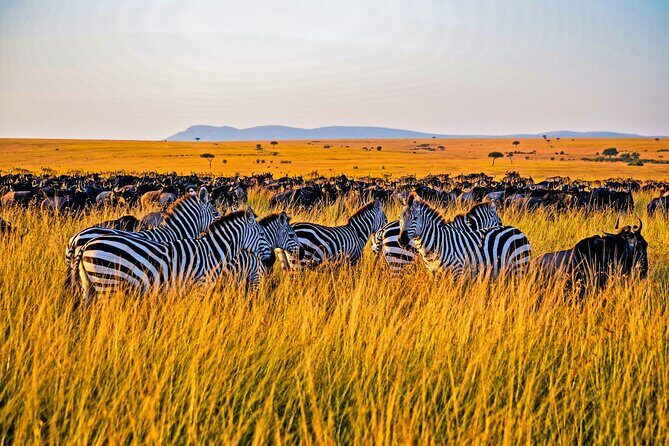
You’ll reach Masai Mara National Reserve around 3pm and check in at your tented camp or lodge. This late-afternoon arrival is a smart pacing choice: you don’t burn the whole first day on the road, and you still get wildlife time before dinner.
After check-in, you head out on an introductory afternoon game drive. This first run is about getting your eye in—your guide looks for animals and birds and explains what you’re seeing and how they behave. That part is especially helpful early on, because Masai Mara can look like one big “grass and dots” at first. A good guide helps you translate what you’re seeing into something you actually understand.
You return around 6:30pm, then it’s a hot shower, dinner, and overnight at the camp/lodge.
Why this first afternoon is valuable
If you only ever imagine safari as the “big moment” sightings, you’ll miss what makes the experience fun: the gradual learning curve. That first game drive helps you understand:
- where animals tend to show up around the roads
- how guides read movement (and sometimes silence)
- what birds and smaller wildlife can tell you about the day’s animal activity
It also gives you time to settle in before the longer, more intense day ahead.
Day 2: Big Five Hunting on Safari Roads (Plus the Mara River)
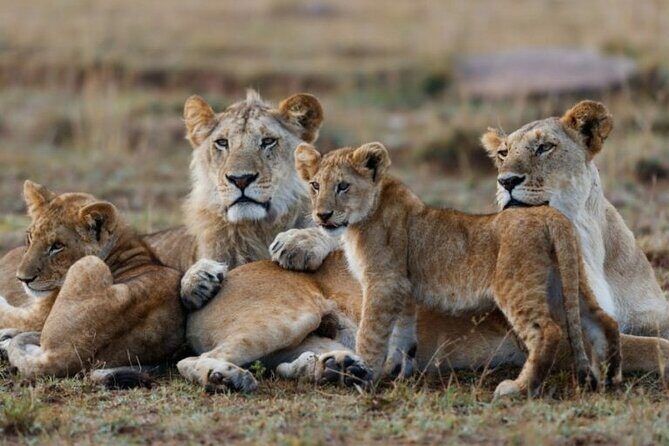
Day 2 is the workhorse day. Breakfast is at the lodge/camp, and by 8am you’re heading out with picnic lunches for an extensive game-drive schedule.
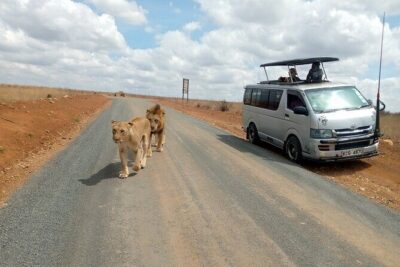
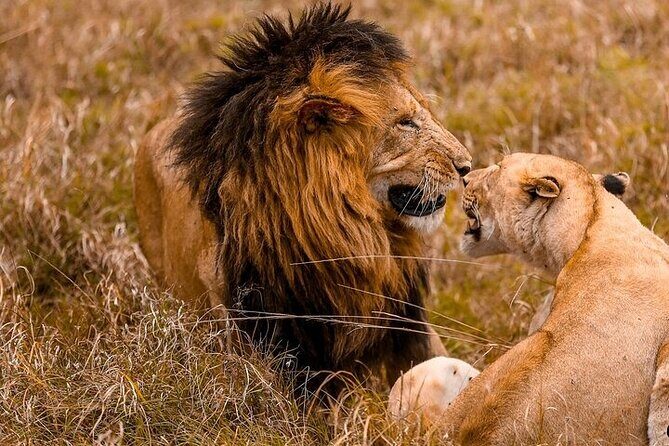
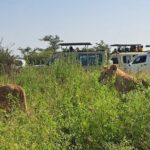
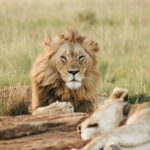
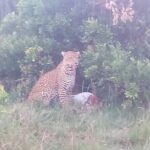
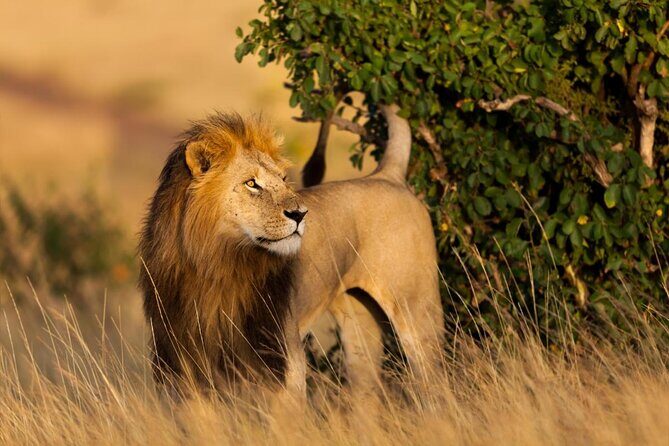
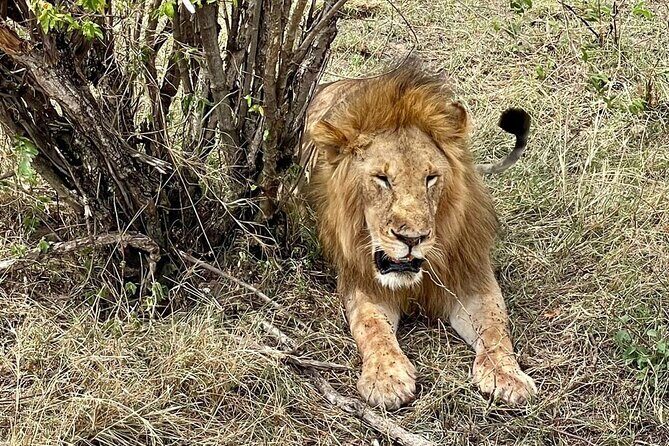
The goal is simple and ambitious: try to find the Big Five—lion, leopard, buffalo, rhino, and elephant. The reserve is known for good viewing and photography because of its extensive track network, which allows for close-range viewing when conditions allow.
This is where a confident driver and a sharp wildlife guide can change your odds. In one experience write-up, a driver named Titus was described as an expert at finding animals and getting the group close enough for strong photos. Another guide named George was praised for skill—particularly during tough road conditions. You can’t count on specific people, but you can count on the fact that the right guide makes the difference between seeing animals and seeing them well.
A few more Nairobi tours and experiences worth a look

The Mara River stop: hippos and crocodiles
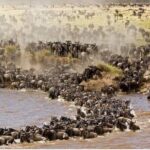
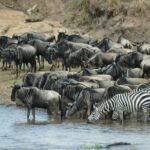
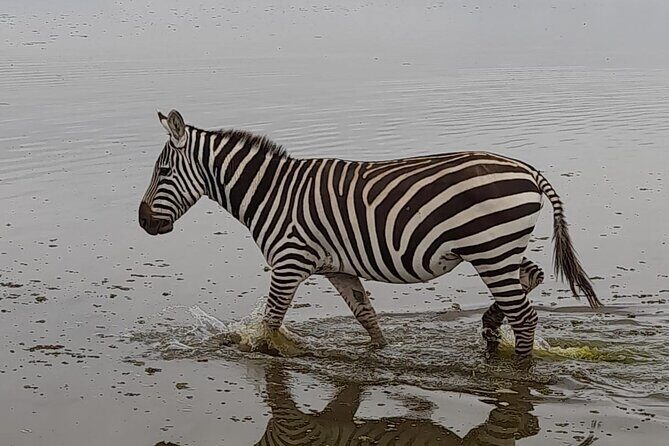
Later, you’ll focus on the Mara River, a key spot for migration-related wildlife. The plan emphasizes looking for hippos and crocodiles, and you’ll stop around 1pm for your picnic lunch after the river viewing.
This part of the day is a nice change of pace. On the river, the “action” can be slower but more dramatic—hippos resting in groups, crocodiles holding ground like they own it, and birds that look like they’re scanning for opportunities.
And yes: the Big Five list is a real gamble
This is not a theme park checklist. You may get lucky with multiple predators in the same day, or you may miss one of the Big Five and still have a fantastic safari. What matters is how the time is managed: a long day, a competent driver, and multiple chances to find animals.
Oloolaimutia School and a Maasai Village Add-On (Optional, but Meaningful)
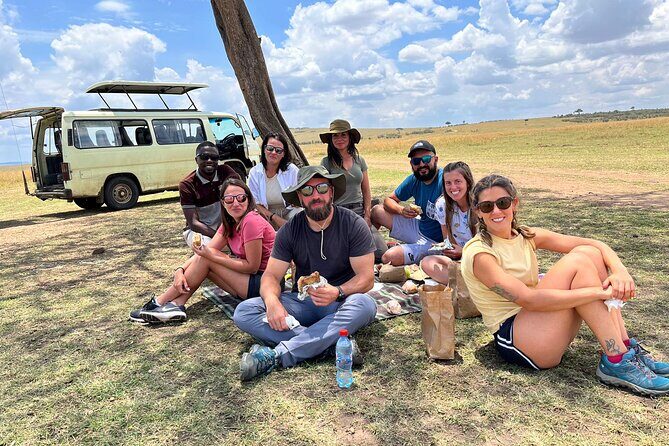
There’s an optional cultural stop built into the schedule: a visit connected to Oloolaimutia Primary School, plus an optional Maasai village visit.
Two practical notes here:
- The cultural village visit is listed as $20 per person.
- When you visit the Maasai village, gratuities are mentioned as approximately $15 per person (given to Maasai people).
If you’re considering this add-on, think of it as a separate budget item and plan for it in advance. It’s not “free culture,” and it isn’t something to treat casually—especially because you’re being invited into people’s community space, not just a photo stop.
How to approach it well
Keep your expectations realistic. This isn’t a polished museum experience. It’s a chance to interact and learn in a way that supports local communities. Bring small-change cash if you can, and if the village visit is offered, follow your guide’s direction on what’s appropriate.
Day 3: Check-Out, Lunch En-Route, and Back to Nairobi by Late Afternoon
After breakfast, you check out and leave Masai Mara for Nairobi. You’ll have lunch en-route, and then you’ll arrive in Nairobi around 3–4pm, dropped at your hotel or accommodation.
This is a decent finish time because it gives you your afternoon back. You’re not landing back in the city at midnight or losing the day to traffic. And since the safari ends with the drive portion, you also get that closure feeling: you’re done with the long bush days, but you still have time to recover and reflect before dinner.
Price and Value: Why $980 Can Make Sense for a 3-Day Safari
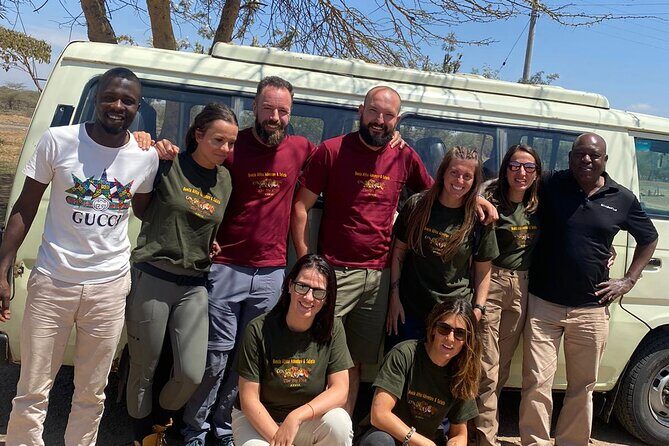
The price is $980 per person. Is it “cheap” for a Masai Mara safari? No idea—price varies by season, camp level, and group size. But I can tell you what makes this offer feel like solid value: it bundles the stuff that usually costs extra.
Here’s what’s included:
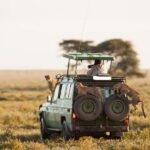
- Transport in a modified-safari vehicle, including hotel/airport pickup and drop-off
- All park entrance fees
- Full board accommodation (tented camp/lodge)
- Meals: 2 breakfasts, 2 lunches, 2 dinners
So you’re not paying separately for each park entry, each meal stop, and each transfer day. For many people, that matters more than the sticker price, because safari costs can balloon when add-ons pile up.
What you may still pay for
Not everything is included:
- Optional cultural village visit ($20 per person)
- Tips & gratuities (also mentioned for lodge/camp)
- Holiday supplements (not specified in amount, but noted as a possibility)
My practical advice: budget a little extra for the optional culture and for tipping, even if you don’t love the idea. Safari guiding and camp staff work hard, and it’s one of those travel moments where tipping is part of the real-world math.
The Real-World Experience: Guides, Vehicles, and What Can Go Wrong
The safari is designed for comfort: a small group of 6 or fewer, a guided approach, and a rhythm of game drives plus camp downtime. That setup reduces stress. You show up, you’re briefed, you ride out, you eat, you sleep, you go again.
But real safaris have real variables.
Vehicle comfort can vary
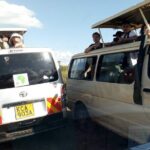
One review mentioned an older vehicle and a breakdown that paused the all-day game drive for about three hours, reducing wildlife time. That doesn’t happen on every trip, but it’s a reminder: safari vehicles are vehicles in the bush. They’re not city buses with perfect maintenance schedules.
Communication can be uneven
Another review pointed out frustrations about not being updated with schedules, stops, and details during the tour. You can’t control every operator’s communication style, but you can protect yourself: keep your questions ready during the briefing, and confirm the day’s plan before you head out—especially if you have dietary needs or tight timing for Nairobi drop-off.
The best “safari multiplier” is a strong guide
The reviews are heavy on guide quality. George got credit for navigation skill and know-how during tougher terrain. Titus was praised for expertise in finding animals fast and getting close for good photos. That’s a theme you should care about: on safari, the guide’s skill is a major part of what you’re paying for.
Who Should Book This 3-Day Masai Mara Jeep Safari?
This trip fits best if:
- you’re doing your first safari and want a guided experience
- you like small-group attention (max 6 travelers)
- you want lodging and meals included so you can travel lighter
- you want multiple game drives across different habitats in a short time
It might be less ideal if:
- you dislike long days of driving and uneven roads
- you need guaranteed modern vehicle condition (safaris can include older safari vehicles)
- you’re the type who gets anxious without constant schedule updates—use the briefing to lock in expectations
If you’re the kind of traveler who likes to learn—how animals move, why certain spots matter, what to look for—you’ll get a lot out of having a guide explain behavior and animal life.
Should You Book This 3-Day Masai Mara Jeep Safari?
I’d book it if you want an efficient, guided Masai Mara experience that doesn’t drown you in logistics. The included transport, park fees, and full board make it easier to compare total trip cost, and the schedule gives you wildlife time on Day 1, a big effort on Day 2, and a reasonable return to Nairobi on Day 3.
I would pause and think twice if you’re very sensitive to discomfort from bumpy drives or if you absolutely need a flawlessly timed, no-surprises day. Safari trips sometimes shift with road and vehicle realities. If that thought makes you grumpy, choose a style of safari that offers more cushion—or at least bring gear that helps you stay comfortable.
Bottom line: for a first Masai Mara shot with tight planning and small-group focus, this is a practical option worth considering.
FAQ
What time does the safari start?
The listed start time is 7:30am, and your exact pickup time is confirmed once you share where you’re staying in Nairobi. The day’s pickup is described as around 8:00am with departure shortly after.
How many people are in the group?
The tour is capped at a maximum of 6 travelers, which keeps the group small.
What’s included in the price?
Transport in a modified-safari vehicle with hotel/airport pickup and drop-off, all park entrance fees, full board accommodation, and meals are included (2 breakfasts, 2 lunches, and 2 dinners).
Are park entrance fees included?
Yes. All park entrance fees are included in the tour price.
Is the Maasai village visit included?
No, it’s optional. The cultural village visit is listed at $20 per person, and gratuities are mentioned as approximately $15 per person when visiting the Maasai village.
Can I cancel for a full refund?
Yes. Cancellation is free up to 24 hours in advance of the experience start time for a full refund. Canceling less than 24 hours before the start time isn’t refunded.