REVIEW · NAIROBI
Afternoon Kibera Slum Tour
Book on Viator →Operated by Visit Kibera Expeditions · Bookable on Viator
Four hours. One big lesson in daily life. This afternoon Kibera tour is interesting because it focuses on peak operational hours, when you can see how the community’s work and networks keep moving. You’ll start with pickup and meet your guide at Greenhouse mall on Ngong road, then head into the largest urban slum for a guided walk through real places like Toi Market and neighborhood organizations.
What I like most is the care in the guiding. Guides such as Lucas and Elijah are described as professional, knowledgeable, and genuinely personal with the way they answer questions. I also love the specific stops that go beyond quick sightseeing: Kibera Pride Orphanage (with more than 25 vulnerable children), Victorious Bone Craft making jewelry from recycled animal bones, and the Power Women Group and Shop where women share their experiences. The main drawback to consider is practical: it’s a walking tour, so you should be ready for a lot of time on your feet.
In This Review
- Key highlights you’ll actually feel during the walk
- Meet at Greenhouse Mall and get oriented fast
- Kibera on foot: what you’ll see and what to bring to it
- Toi Market: the open-air economy you’ll walk through
- Kibera Pride Orphanage: education and care in the community
- Victorious Bone Craft: jewelry made from recycled bones
- Power Women Group and Shop: listening to experiences firsthand
- Why afternoon is the right time to go
- Price and value: $60 makes sense if you want context
- What to expect on the ground: walking, questions, and respect
- Who should book this Kibera afternoon tour
- Should you book the afternoon Kibera tour?
- FAQ
- Where does the tour meet?
- How long is the Afternoon Kibera Slum Tour?
- Is pickup offered?
- Is the tour private?
- What’s included in the price?
- What’s not included?
- Does the tour run in any weather?
- What are the cancellation terms?
- How far in advance do people usually book?
Key highlights you’ll actually feel during the walk

- Afternoon timing at peak hours means you’re seeing Kibera when daily life is most active, not quiet and still.
- Toi Market on the route shows how the local economy pulses through an open-air market described as the second largest in Nairobi.
- Community organizations with real voices including Kibera Pride Orphanage, Power Women Group and Shop, and craft work through Victorious Bone Craft.
- A guide team known for answering questions with a professional, personal approach, including named guides like Lucas and Elijah.
- A private-group setup so your experience stays more focused on your group and less on a crowd.
Meet at Greenhouse Mall and get oriented fast

Your tour starts around Greenhouse mall along Ngong road. If pickup is offered for your booking, you’ll use that to cut down on the stress of getting to the starting point. Either way, the meeting spot matters because it helps you get oriented before you start walking through Kibera’s lanes.
This is a private tour/activity, meaning only your group participates. That’s not a minor detail. In a place like Kibera, a calmer pace helps you ask questions, listen closely, and avoid the feeling of rushing from one photo spot to the next. It also usually means your guide can set expectations early and keep the group together as you move.
The tour runs about 4 to 6 hours. That time window is long enough to feel like you’re seeing a network of places, but short enough that you’re not stuck all day. Still, treat it like a proper walking outing. I’d plan your day around it, not as a quick add-on between other plans.
You can also read our reviews of more tours and experiences in Nairobi.



Kibera on foot: what you’ll see and what to bring to it

The core of the experience is a walking tour around Kibera, described as the largest urban slum in the world. On the ground, the tour is about movement and conversation. You’re not just passing by buildings. You’re going through spaces where people work, support families, and create community solutions.
This is also where the afternoon timing really matters. The tour is designed for a time when Kibera is busy—when you can see the energy of daily life at work. That said, busy hours also mean you’ll likely encounter crowding in certain market areas and you’ll need to stay close to your guide for the group to keep flowing.
One more thing: in the reviews, there’s a strong theme of residents being open and friendly. That doesn’t mean every moment will feel smooth or staged. It means you’re in a place built on real relationships, not just tourism routes. Keep your mindset respectful, move at the group’s pace, and don’t try to “test” people’s patience. If you want to take photos, wait for cues from your guide.
Toi Market: the open-air economy you’ll walk through

One of the best parts of this tour is the route through Toi Market, described as the second largest open-air market in Nairobi. The way it’s framed here is important: it isn’t treated like a side attraction. It’s described as the backbone of Kibera’s economy.
As you walk through Toi Market, you’re basically walking through a daily rhythm—where commerce and community meet. Even without a long shopping break, you’ll get a sense of what keeps local life running: trading, selling, serving, and the small systems that support households. That’s exactly the kind of context most visitors miss when they only see slums from a distance.
Practical tip: because this is an active market, expect more movement around you. Keep your belongings secure and don’t let your attention wander off in the moment. A guide who’s experienced in the area is what helps the walk feel organized instead of chaotic.
If you’re the type who likes to understand how places work, this stop is a big reason to book the tour. It’s one of those experiences that turns a headline into something you can actually picture.
Kibera Pride Orphanage: education and care in the community

A standout stop on the walk is Kibera Pride Orphanage, housing well over 25 vulnerable children from the slum. This is where the tone of the tour can feel more reflective. Instead of focusing only on streets and markets, you shift toward the role of community-run support systems.
From the way the program is described, the point isn’t to turn people’s lives into entertainment. It’s to show how social support works in the real world, and how education and care are built from local effort. In reviews, visitors highlight the learning side of the experience—how the visit can change how you think about education and what it means in a place facing tough circumstances.
Drawback to keep in mind: this stop can be emotionally heavy. If you tend to get overwhelmed easily, mentally prepare for that. You don’t need to force a “strong face.” Just treat it like a visit with human stakes.
Victorious Bone Craft: jewelry made from recycled bones

Another memorable stop is Victorious Bone Craft, a group specializing in recycling domestic animal bones into jewelry. That detail matters because it shifts your perspective. You see creativity and entrepreneurship where you might expect only hardship.
This is the kind of stop that helps you understand survival isn’t only about coping—it’s also about producing value. When you hear how a material waste stream can turn into wearable craft and income, the story becomes more than a statistic. It turns into something tangible: a finished product, a skill set, and a business model built by people inside the community.
If you like craft and small-business stories, you’ll likely enjoy this part. And if you’re shopping during your trip, jewelry from places like this can be a meaningful souvenir, especially when it comes with clear context from your guide.
Just remember: this is not a typical “souvenir stop.” The better approach is to listen first and ask questions second.



Power Women Group and Shop: listening to experiences firsthand

The walk also includes the Power Women Group and Shop, described as a group of women who are victims of HIV/AIDS. This is where the tour becomes about voice and lived experience.
In a place like Kibera, these kinds of groups often do more than one thing. They can be support networks, skill-sharing communities, and spaces where dignity matters. The tour is designed for you to hear stories and understand how people organize help and stability for themselves and others.
One consideration: conversations here may not follow a neat script. You might feel like you’re learning the “why” behind community work rather than collecting a checklist of facts. That’s a feature, not a bug. Go in ready to listen, not ready to treat it like a classroom you can control.
And again, this is where the guide quality shows. Reviews emphasize that guides answer questions and keep the experience professional, which matters when topics are personal and sensitive.
Why afternoon is the right time to go
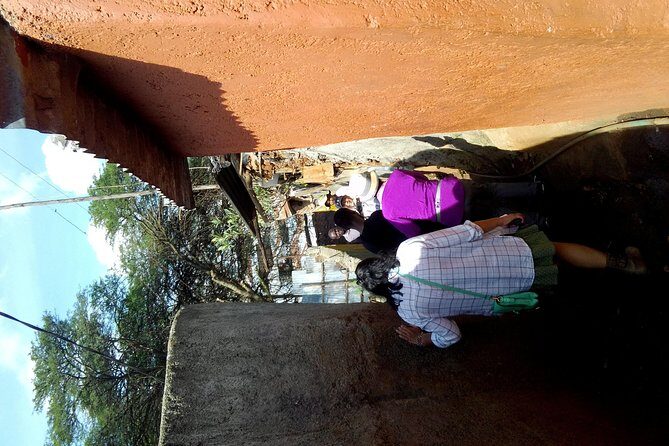
This tour is built specifically for afternoon hours when Kibera is at peak operational time. That’s not marketing fluff. It changes what you’ll notice.
In the afternoon, you’re more likely to see the places on the route doing what they do daily—market activity, community movement, and the practical rhythm of work. That makes the tour more realistic. Instead of looking at a neighborhood that feels frozen for visitors, you see one that continues on its own terms.
This can also affect pacing. Busy hours mean tighter movement in some areas, and it’s smart to trust your guide about where to pause and when to keep moving.
If you’re short on time in Nairobi, this afternoon slot is also easier to fit into a day plan. You still get a deep look, but you’re not sacrificing your entire day.
Price and value: $60 makes sense if you want context

The price is $60.00 per person, with all fees and taxes included. There’s also an admission ticket included in what you’re buying. For a guided, private walking tour that spends several hours visiting multiple community-focused stops, that’s often a fair structure because you’re paying for local interpretation and coordination.
Where it becomes good value is when you care about more than surface impressions. If you want to understand Toi Market as the backbone of the economy, see craft through Victorious Bone Craft, and hear from Power Women Group and Shop, the guide’s role becomes central. You’re not just buying access. You’re buying explanation and on-the-ground context.
What’s not included is also clear: alcoholic beverages are not part of the package. That’s typical for many tours, but it’s worth noting so you don’t show up planning to add drinks to the experience.
If you’re traveling on a strict budget, you might question whether a slum tour is worth $60. My take: it is, if you approach it with curiosity and patience and you let the guide do the work of turning what you see into something you understand.
What to expect on the ground: walking, questions, and respect
This is a walking tour. Reviews stress that you should come prepared to walk a lot, and I agree with that practical advice. Wear comfortable shoes and expect uneven, active spaces. Your comfort affects your listening. If your feet hurt early, you’ll rush your attention toward escape.
The good news is that the guiding seems to make a difference. Named guides like Lucas and Elijah are described as professional and knowledgeable, with a personal touch. That typically means you’ll get room to ask questions and you won’t feel brushed off.
Also, in reviews, there’s a theme of residents being friendly and willing to talk. That kind of openness can make the experience feel more human and less like a one-way look. Still, keep your behavior steady: walk with your group, ask before taking photos (even if you’re tempted), and remember you’re entering daily life, not a theme park.
One more practical note: the tour requires good weather. If the day turns rainy or unsafe, you’ll be offered a different date or a full refund. So check the forecast and plan accordingly.
Who should book this Kibera afternoon tour
This tour fits best if you want a guided, multi-stop walk that connects markets, craft, and community support. It’s ideal for travelers who enjoy learning from local perspectives and who like asking questions. If you’re the kind of person who reads about a place and then wants to understand the living systems inside it, you’ll probably enjoy this.
It also makes sense for groups that want privacy. Because it’s private, it’s easier to keep a respectful pace and keep the focus on your group rather than juggling dozens of strangers.
Who might hesitate? If you dislike walking tours, if you get emotionally drained easily by stories related to vulnerability and health, or if you’re expecting a light, purely visual experience, you may find the tone challenging. This is more about listening and learning than scenic sightseeing.
Should you book the afternoon Kibera tour?
If you want an afternoon look at Kibera during peak activity, and you care about seeing the institutions and groups doing real work, I’d say it’s worth booking. The strongest reasons to go are the guided quality described by Lucas and Elijah, plus the specific community stops like Toi Market, Kibera Pride Orphanage, Victorious Bone Craft, and Power Women Group and Shop.
Book it if you can handle walking and you’re ready for a more serious, educational tone. Skip it if you’re looking for a casual, easygoing stroll with minimal emotional weight.
The big win here is context. When a tour gives you named guides and clear stops tied to daily life, you leave with a better mental map of how the neighborhood functions.
FAQ
Where does the tour meet?
The guide meets you at Greenhouse mall along Ngong road.
How long is the Afternoon Kibera Slum Tour?
It’s typically 4 to 6 hours.
Is pickup offered?
Yes, pickup is offered.
Is the tour private?
Yes. It’s a private tour/activity, and only your group participates.
What’s included in the price?
All fees and taxes are included, and an admission ticket is included. You also get a mobile ticket.
What’s not included?
Alcoholic beverages are not included.
Does the tour run in any weather?
It requires good weather. If it’s canceled due to poor weather, you’ll be offered a different date or a full refund.
What are the cancellation terms?
Free cancellation is available up to 24 hours in advance for a full refund.
How far in advance do people usually book?
On average, this tour is booked about 27 days in advance.