REVIEW · NAIROBI
Mt. Kenya hike: 5 Days Hike to Lenana Peak Via Sirimon route
Book on GetYourGuide →Operated by Keana Safaris · Bookable on GetYourGuide
Sunrise at 4,985m beats alarm clocks. I love the Point Lenana sunrise payoff and the fact you also get a stop that connects you to Mau Mau caves and Mount Kenya’s human history. This Sirimon-to-Lenana-and-down-Chogoria route feels thoughtful, with fewer climbers than some alternatives, so the high places feel calmer.
The main thing to know: this trek is genuinely hard, and it gets brutally cold at night. Bring the right cold-weather setup, because warm layers matter, and a sleeping bag is not included.
In This Review
- Key highlights and what they mean for you
- Why the Sirimon–Chogoria circuit feels special for a Lenana sunrise
- Getting from Nairobi to the Sirimon Gate (and why timing matters)
- Day 1: Sirimon route to Old Moses Camp (3,330m) — forest, heathland, and a steady climb
- Day 2: Mackinder’s Valley to Shipton’s Camp (4,200m) — higher, longer, and more alpine
- Day 3: Acclimatization at Shipton’s Camp — you gain altitude without paying for it twice
- Day 4: Midnight start for Point Lenana (4,985m) — sunrise, Kilimanjaro if it’s clear
- Day 5: Chogoria Gate via the gorges valley — waterfalls and moorlands on the way out
- The ecosystem variety you actually feel on your boots
- Mau Mau caves: a history stop that adds meaning to the summit grind
- Food, water, tents, and the one gear detail most people forget
- What to bring (practical and simple)
- Difficulty and safety: what to expect from the effort level
- Price and value: is $1,000 fair for 5 days on Mount Kenya?
- Who should choose this trek
- Should you book this 5-day Lenana hike via Sirimon?
- FAQ
- How high is Point Lenana on this hike?
- What route is used for the trek?
- What kind of accommodation is included?
- Are meals included?
- Is water included?
- Is a sleeping bag included?
- What time does the summit attempt start?
- Are transfers included?
Key highlights and what they mean for you
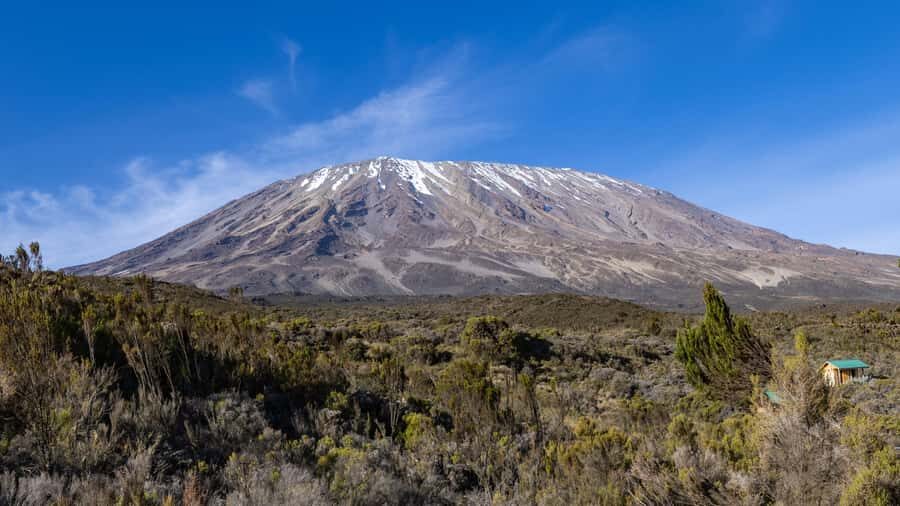
- Point Lenana at sunrise: You’ll leave early and aim for that first light view from 4,985m.
- Mau Mau caves visit: A meaningful history stop, not just a photo break.
- Sirimon route quieter than many options: You get a more peaceful pace through the trail system.
- Acclimatization at Shipton’s Camp (4,200m): A real altitude buffer before the summit push.
- Chogoria descent through gorges and waterfalls: Your legs recover while the scenery keeps moving.
- Guides, porters, and steady meals: You get support daily, plus three meals and 3 liters of water per person.
Why the Sirimon–Chogoria circuit feels special for a Lenana sunrise
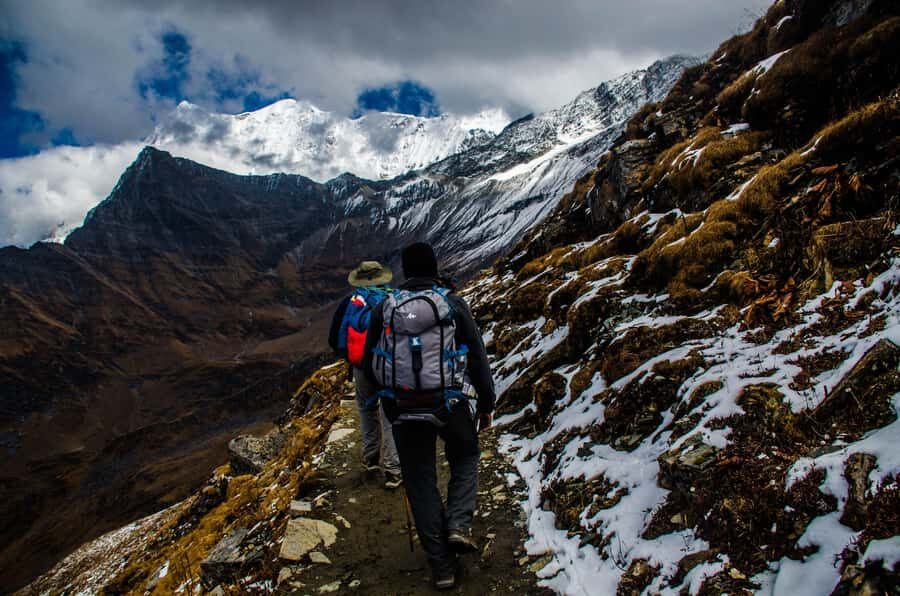
This is a 5-day Mount Kenya trek built around one moment: reaching Point Lenana for sunrise. That choice matters. It turns the climb into something you remember at night and in the hours just before dawn, not just a walk you do sometime during daylight.
I also like that this route uses Sirimon for the ascent and Chogoria for the descent. Going up and coming down different sides gives you varied terrain and different views. And the practical bonus is crowd control—Sirimon tends to have fewer climbers than some other routes, which can mean less jostling and more quiet moments at the camps.
You can also read our reviews of more hiking tours in Nairobi
Getting from Nairobi to the Sirimon Gate (and why timing matters)
You start with an early pickup from your hotel, then head to Nairobi CBD for a shuttle connection to Nanyuki Town. From there, you continue to Sirimon Park Gate for entry formalities before you ever set foot on the mountain.
This matters because Mount Kenya is all about pacing and altitude. When your day begins calmly (instead of rushing later), you’re more likely to arrive at your first camp feeling like you can still hike tomorrow. You’ll also get all airport transfers handled, which reduces the usual stress that comes with linking rides, timetables, and meeting points.
Day 1: Sirimon route to Old Moses Camp (3,330m) — forest, heathland, and a steady climb
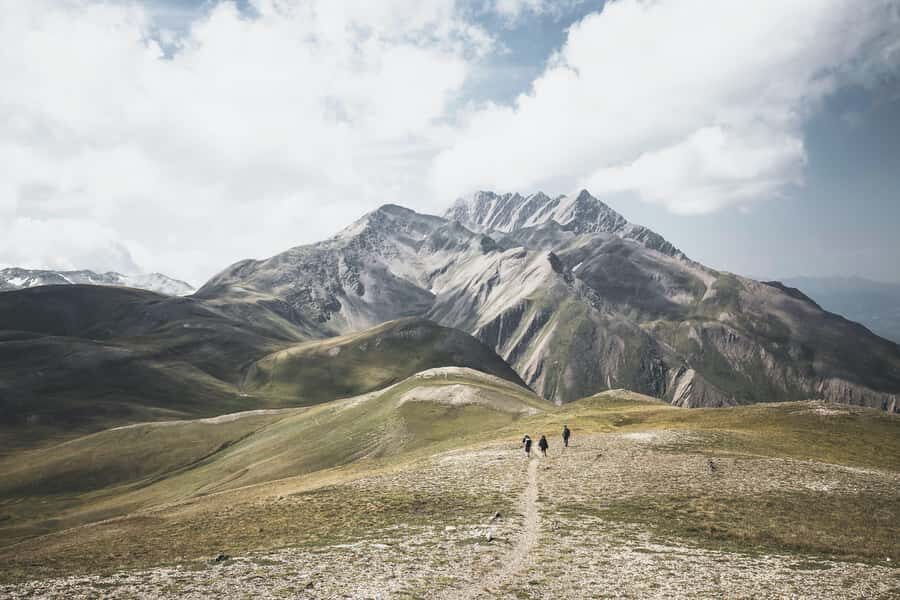
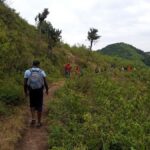
On Day 1 you trek through forest and heathland, ascending gradually for about 4–5 hours to Old Moses Camp at 3,330m. Lunch happens along the trail, and by afternoon you’re settled in tents for dinner and the overnight.
This first day is more than just moving uphill. It’s your first real altitude taste, and it sets your rhythm for the rest of the trek. The terrain type also helps you mentally: forest shade and heathland open up give your eyes a break, and it’s easier to judge your effort when the trail doesn’t keep changing every five minutes.
One practical note: this is not a walk-flat experience. Even though it’s “gradual,” you’ll still be working, especially if you start your trek already tired from travel.
Day 2: Mackinder’s Valley to Shipton’s Camp (4,200m) — higher, longer, and more alpine
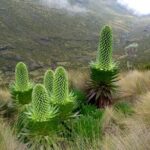
Day 2 is the long one: about 6–7 hours trekking along the Sirimon route through Mackinder’s Valley. Expect unique alpine vegetation and the chance to spot wildlife if conditions are right. You’ll stop for lunch en route and finish at Shipton’s Camp at 4,200m.
This is a big jump in altitude. The point isn’t only height—it’s how your body feels when the air thins quickly while you keep walking. You’ll likely notice your breathing and the way your pace slows compared to lower elevations. That’s normal. It’s also a reminder that for this trek, “comfortable pace” is not the same as “fast pace.”
Day 3: Acclimatization at Shipton’s Camp — you gain altitude without paying for it twice
Day 3 is your buffer day at Shipton’s Camp, and it’s essential if you want a smoother summit attempt. You’ll spend the day acclimatizing, and you can choose optional short hikes around camp, including toward Hausberg Col or Kami Tarn.
I like this design because it respects altitude reality. Instead of pretending your body can jump from camp to summit without preparation, you get a controlled day at 4,200m to adjust. If you’re the type who wants to do something productive while still resting, the optional hikes are a smart way to stay engaged without overcooking yourself.
Even if you choose the shorter option, you’re still practicing what matters: moving at altitude, eating properly, and listening to your body.
A few more Nairobi tours and experiences worth a look


Day 4: Midnight start for Point Lenana (4,985m) — sunrise, Kilimanjaro if it’s clear
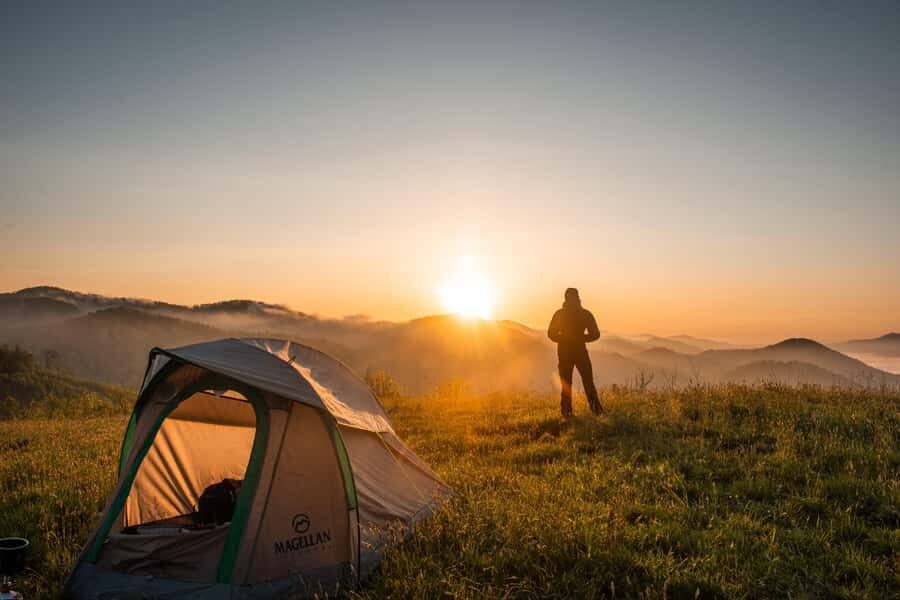
The summit day starts very early, around midnight, from Shipton’s Camp. You’ll ascend to Point Lenana (4,985m) and aim to be at the top for sunrise. After you come down, you descend via the Chogoria route to Mintos Camp at 4,250m.
This day is about two things: discipline and payoff. Midnight starts can feel strange at first—you’re walking in the dark, with cold air and headlamps doing the work. But once you reach the summit and the sky changes, it all clicks. Sunrise here is the headliner: wide views across Mount Kenya, and on clear mornings you may even see Mount Kilimanjaro in the distance.
After the summit, the descent is still serious work, but it tends to feel less emotionally heavy. You’ll take breakfast after descending from the summit, then have lunch later, and finish the day in tents at Mintos Camp.
Day 5: Chogoria Gate via the gorges valley — waterfalls and moorlands on the way out
After breakfast, you descend toward Chogoria Gate through the Gorges Valley. The trail includes dramatic terrain changes, and you’ll pass waterfalls and moorlands along the way.
This is the day where you get your mind back. The high effort is mostly behind you, but you still have to walk—so it’s not a recovery “ride day.” You’ll then connect to Chogoria Town using a public shuttle back toward Nairobi, arriving late afternoon.
There’s also an optional jeep transfer from Mintos Camp to the park gate for an additional cost shared among participants. If your knees or energy are cooked, this can be a useful safety valve.
The ecosystem variety you actually feel on your boots
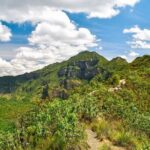
One of the quiet advantages of this route is that it changes the way you hike. You start with forest and heathland, then move into higher alpine zones, then later experience moorlands and the steep-sided feel of the gorges during the descent.
You’re not just chasing altitude numbers. You’re walking through different ecological bands, and that variety helps your stamina and your attention. Even when you’re tired, the scenery keeps shifting enough to prevent the climb from feeling monotonous.
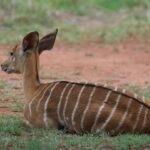
And yes, wildlife is possible around Mackinder’s Valley. No guarantees here, but conditions can be right for seeing animals if you stay alert.
Mau Mau caves: a history stop that adds meaning to the summit grind
Mount Kenya is famous for the peaks, but a stop at the Mau Mau caves gives the trip another layer. It turns the hike from purely physical achievement into something tied to people and place.
I like these moments because they make the mountain feel less like a challenge course and more like a lived-in region with a story. It also breaks up the mental loop of hike-breathe-hike, which helps on a multi-day route.
Food, water, tents, and the one gear detail most people forget
This package is built around support: tents for overnight, park entry fees included, and meals delivered daily. You get three meals per day starting with lunch and ending with lunch, plus 3 liters of water per person per day.
You’ll sleep on a sleeping mat too. That’s helpful, but it doesn’t replace a sleeping bag (and one key thing: a sleeping bag is not included). You also don’t get climbing gear, so plan on bringing what’s appropriate for a high-altitude hike.
Based on real feedback, the guides and porters handle the day-to-day lifting and the meal rhythm well. Many people also call out that the portions are big enough to fuel a demanding schedule. Still, cold weather can ruin appetites if you’re not dressed right, so warm layers and a properly planned sleeping setup aren’t optional extras.
What to bring (practical and simple)
- A sleeping bag (since it’s not included)
- Warm night layers (temperatures can be extreme)
- Sunglasses and sunscreen (high elevation sun is real)
- Hiking boots and rain protection (even if you pack for dry conditions)
- Headlamp for the midnight-to-summit window
- Any personal items you need for comfort, since drinks like beer and wine aren’t included
Difficulty and safety: what to expect from the effort level
The honest truth: this is exhausting. You’re hiking at high altitude, often on steep sections, and you’re doing it for multiple days. The summit day is the hardest part, because it starts at midnight and keeps going until sunrise.
The good news is the structure helps. You’re not doing a summit attempt immediately after a big ascent. You get acclimatization time at Shipton’s Camp and then an early summit push with guidance.
Also, you’re not alone in logistics. You’ll have an English-speaking driver guide and porters. Porters carry loads, which reduces fatigue and helps you focus on your breathing and footwork. One thing worth noting from feedback: guides can be fun and genuinely supportive. People mention a guide named Ken as helpful and humorous, though your exact guide can vary by departure.
Finally, rescue insurance is included. That doesn’t remove the need for common sense and good health habits, but it’s a strong safety layer.
Price and value: is $1,000 fair for 5 days on Mount Kenya?
At $1,000 per person, you’re paying for a lot more than “a trail with a view.” In this package you get park entry fees, tent accommodation, three meals per day, water (3 liters daily), rescue insurance, and the services of an English-speaking guide and porters. You also get all airport transfers and a sleeping mat.
Here’s how I’d think about the value. If you tried to recreate this independently, you’d likely pay similarly once you factor in permits, logistics to Nanyuki, guide costs, porter services, food, camp setup, and safety coverage. The price also buys you a rhythm: you aren’t negotiating camp details every day, and you’re following an altitude-aware plan.
Where the cost can surprise you is what’s not included: sleeping bag, climbing gear, and drinks. If you have to buy a sleeping bag at the last minute, add that to your budget. If you want beer or wine with dinner, you’ll pay extra.
If you go prepared and you want a guided, structured summit attempt with sunrise at Lenana, this price can feel pretty reasonable.
Who should choose this trek
This hike fits best if you:
- Want a guided high-altitude trek with structured acclimatization
- Care about the sunrise summit experience at Point Lenana
- Prefer a quieter route with fewer climbers compared to some alternatives
- Are comfortable hiking hard for hours and accepting cold nights
It may not be ideal if you hate very early starts, have low tolerance for cold, or aren’t prepared for altitude effort. Even on a guided trek, your body has to do the work.
Should you book this 5-day Lenana hike via Sirimon?
If you want the classic Mount Kenya goal—sunrise at Point Lenana—and you’d rather do it with a guided team, porters, and a plan that includes acclimatization, I’d say yes. The combination of varied ecosystems, a memorable history stop at Mau Mau caves, and a dramatic Chogoria descent makes this more than a simple checklist summit.
That said, be honest about effort and weather. This is not a gentle hike, and cold nights are part of the deal. If you can pack well and pace yourself, you’ll likely find the climb worth the suffering.
If you’re still deciding, choose this route when you value structure and sunrise payoff over flexibility. If you want an easier experience, you may want a different Mount Kenya option.
FAQ
How high is Point Lenana on this hike?
Point Lenana is 4,985m, and the plan is to reach the summit for sunrise.
What route is used for the trek?
You hike via the Sirimon route to Point Lenana, then descend via the Chogoria route.
What kind of accommodation is included?
You sleep in tents on the mountain, and a sleeping mat is included.
Are meals included?
Yes. You get three meals per day, starting with lunch and ending with lunch.
Is water included?
Yes. The package includes 3 liters of water per person per day.
Is a sleeping bag included?
No. A sleeping bag is not included, so you’ll need to bring your own.
What time does the summit attempt start?
You start the summit ascent very early, around midnight, from Shipton’s Camp to reach sunrise.
Are transfers included?
Yes. All airport transfers are included, and you also get pickup from your hotel for the start of the trip.