REVIEW · NAIROBI
3 Day Maasai Mara & Migration safari
Book on Viator →Operated by Kenya Bush Expeditions Tour and Travel · Bookable on Viator
A first safari in the Mara hits different. This 3-day trip takes you from Nairobi into Maasai Mara National Reserve with daily game drives, plus an on-site luxury camp stay that puts you close to the action when the light changes. You’ll ride with a setup designed for wildlife viewing, including window-seat guarantees, and you’ll spend real time in the reserve rather than treating it like a quick stop.
What I like most is the focus on easy viewing. With every passenger given a window seat, you spend less time craning and more time tracking movement. Second, the value is built in: your meals and park access are included, so you’re not doing constant add-on math in the middle of your trip.
One thing to consider: even though bottled water is listed as included, I saw a complaint about paying for water on some days and confusion around park-fee expectations. That doesn’t mean it’ll happen to you, but I’d treat it as a prompt to confirm what’s actually provided each day when you board.
In This Review
- Key takeaways before you go
- Window-seat game drives and sleeping near the action
- Price and what you truly get for $430
- Day 1: Escarpment photo stop, Narok lunch, and the dusk drive
- Day 2: Mara River lunch and a full day for Big Five chances
- Day 3: Breakfast, park exit game drive, and Nairobi drop-off
- Camp accommodations: comfort in a safari tent setting
- Logistics that affect your wildlife time (not just your comfort)
- Who should book this 3-day Mara safari, and who should think twice
- Should you book this 3-day Maasai Mara safari?
- FAQ
- How long is the Maasai Mara safari?
- Where does the safari start in Nairobi?
- Is the cost $430 per person or per group?
- Are park entrance fees included?
- What meals are included during the safari?
- Is bottled water included?
- Is there a vegetarian meal option?
Key takeaways before you go
- Window-seat viewing on game drives means fewer blocked views during big sightings.
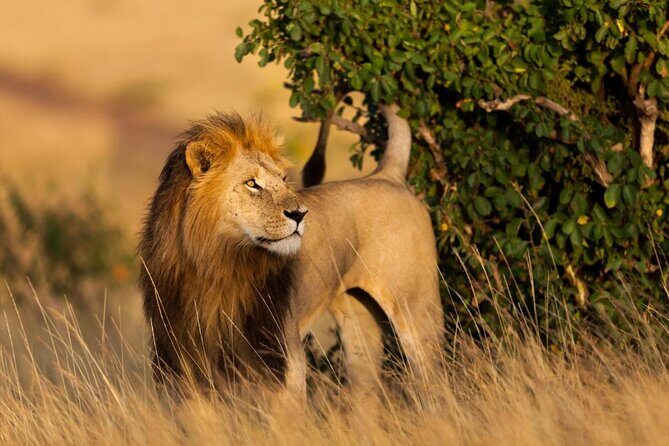
- Luxury safari tents inside/near the reserve help you experience the Mara like a real camper, not a commuter.
- Meals and park entry are bundled into one price, which keeps things simple.
- A first-day dusk drive gives you a high-energy start (often when predators feel most active).
- Small group size (max 15) keeps the day more manageable than the mega-bus style safari.
Window-seat game drives and sleeping near the action
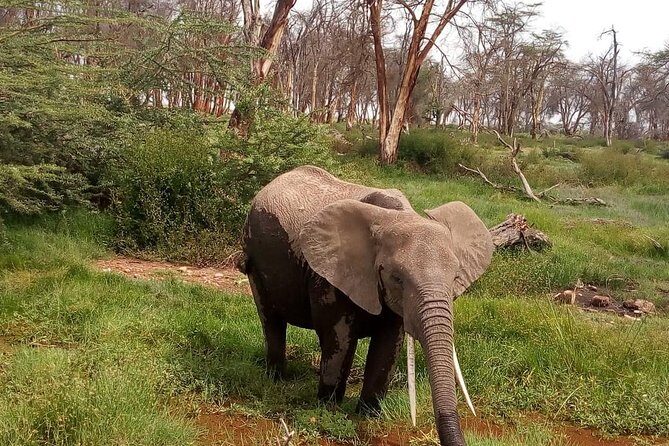
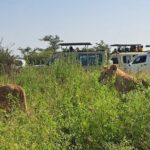
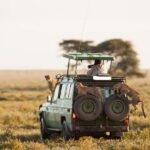
The best part of this safari setup is that it’s built for viewing. You’re promised an unobstructed experience by assigning window seats for every passenger. On a reserve drive, that matters. Wildlife isn’t always where you expect it to be, and when a lion or cheetah moves, you want your eyes on the right side of the vehicle without negotiation.
Just as important: you’re staying in a safari camp that’s designed for the classic Mara experience. The goal isn’t comfort-only, and it isn’t wilderness-only. It’s both. You’re close enough to feel like you live inside the reserve rhythms—morning light, mid-day heat, then the slower drama of late afternoon.
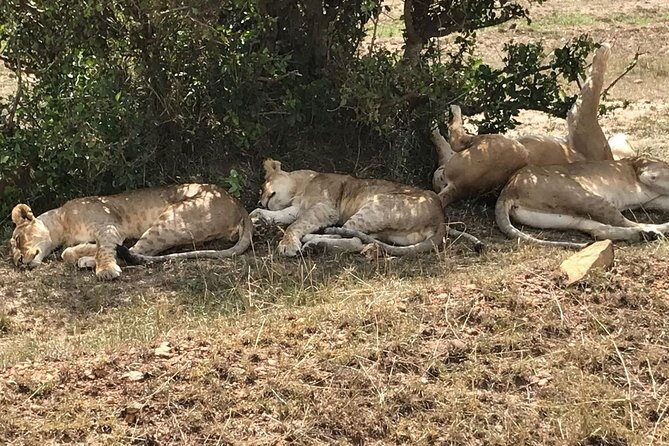
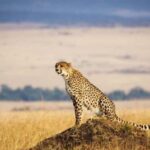
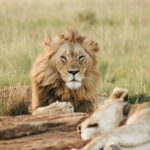
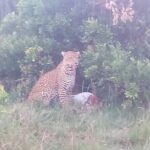
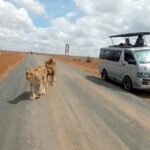
If you’re aiming for the “Big Five” experience, this itinerary leans hard into that theme by structuring drives through key times of day. Big cats are a major target, and the Mara is famous for them. You’re not just passing through; you’re spending the better part of two full safari days in the reserve.
A few more Nairobi tours and experiences worth a look
Price and what you truly get for $430
At $430 per person for about 3 days, the value comes from bundling. Your cost isn’t just transportation and a bed. It’s the key safari pieces: accommodations, entrance fees, and meals. That means you’re less likely to get hit with surprise expenses mid-trip, which is exactly what you want when you’re trying to focus on wildlife rather than budgeting.
The itinerary also includes bottled water in the information provided. Still, I’ll say this plainly: there’s at least one reported mismatch between what a guest expected and what happened on their trip. If water matters to you (and on safari, it usually does), ask the team at pickup to confirm your daily water provision.
What’s included on the food side is also a good sign for pacing. You have breakfasts, lunches, and dinners built into the schedule across the three days. Lunch on safari tends to be the moment you’ll either enjoy your day or just tolerate it, and here you’re eating in ways that match the drive schedule—packed lunch on day two and a stop for lunch on day one and day three.
If you like the idea of a single, predictable total price—rather than safari “nickel-and-diming”—this is the kind of package that fits.
Day 1: Escarpment photo stop, Narok lunch, and the dusk drive
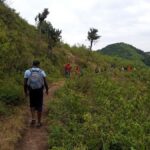
Day one starts early from Nairobi, with the listed start time at 7:30am. You’ll head to Maasai Mara with a photo stop at the escarpment. That brief break matters more than it sounds. From the edge of the escarpment, you get a better sense of scale, and the views help you understand what kind of terrain you’ll be hunting wildlife across.
Next, you stop for lunch in Narok town, then continue to camp. You’re aiming to arrive around 3:00pm, which is a smart timing choice because it gets you settled before the day’s most exciting light shifts. Then game drives begin at 4:00pm and run until dusk.
Why dusk? On safari, late-day viewing often brings the most dramatic moments—especially for big cats. Predators don’t just appear; they reposition. Dusk gives them a window where movement can be easier to spot as the day cools and the reserve shifts gears.
A quick drawback to keep in mind: day one is longer in transit. You’re not starting with a morning drive. If you hate feeling rushed, you may want to mentally accept that your first big viewing will arrive later in the day. The upside is you’re there early enough to still get that first high-value drive.
Day 2: Mara River lunch and a full day for Big Five chances
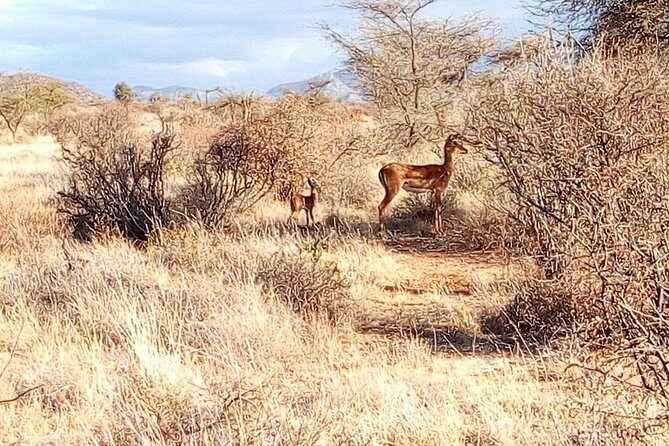
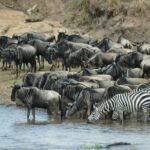
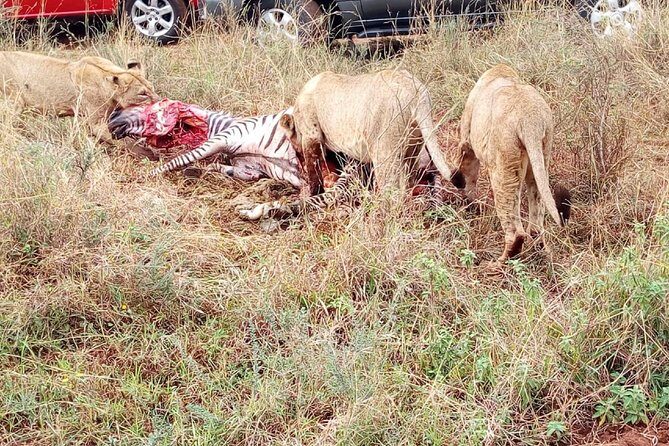
Day two is where the safari rhythm clicks. You start with a drive into the heart of the reserve, and you’ll be out for around 7 hours of game viewing. This is the day built for searching: lions, cheetahs, leopards, elephants, buffalo, rhino, and plenty of other animals. The wide species list is the point—your guide isn’t only looking for one icon.
The lunch plan is one of the nicer details. You’ll have a packed lunch next to the Mara River, with the sound of birds in the background. Even if you never become the kind of traveler who writes notes about bird calls, this helps you slow down. You’re not just eating to refill your tank—you’re pausing in the middle of the landscape you came for.
In terms of pacing, you return to camp late afternoon for dinner and overnight. That schedule gives you time to enjoy camp in the evening without losing your entire day to travel.
Practical consideration: because this is a group safari (max 15), the day’s best sightings still depend on timing. Your best strategy is attitude, not control. You can’t force an animal to move on your clock. What you can do is stay patient when a sighting is distant and keep scanning the edges of grassland and river lines. That’s where many surprises live.
Day 3: Breakfast, park exit game drive, and Nairobi drop-off

Your final day starts with breakfast, then you depart and exit the park. The plan includes a game drive and park exit before heading back toward Nairobi. There’s a lunch stop on the way, and then you’ll be dropped at your Nairobi hotel or Nairobi airport.
This ending is useful if you don’t want a chaotic transfer day. Being able to end with a hotel drop-off or airport transfer keeps you from having to scramble for transport right after your last sighting. It also gives you an easy moment to wrap up the trip with your tour leader—sharing what you saw and what stood out most.
One thing to consider is emotional timing. Many first-time safari people get a little attached to the reserve rhythm. Leaving can feel abrupt, especially if you’re still hoping for one more big-cat moment. Mentally prep for the idea that day three is the closer, not the encore.
Still, the “last drive before leaving” approach is a strong compromise. You’re not done once the camp check-out happens; you get one more chance to spot animals while you’re already set up for viewing.
A few more Nairobi tours and experiences worth a look

Camp accommodations: comfort in a safari tent setting
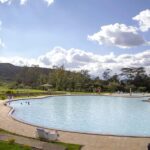
This safari uses luxury safari tent accommodations, and that usually means you’ll get more comfort than a basic camp. The key is how those tents fit into the safari life.
On a short trip like this, your accommodation needs to do two jobs. First, it has to let you rest after long drives. Second, it needs to keep the whole experience feeling grounded in the reserve. Staying in a camp experience tied to the Mara helps you avoid that “day trip” feeling.
What you should expect, based on the overall package style, is comfort with safari practicality. Dress code is listed as casual, which fits camp life and doesn’t require wardrobe gymnastics. Vegetarian options are available if you flag it at booking, which is important because safari meals can be a mixed bag on some tours. Here, the option is at least explicitly offered, so you have a path to plan ahead.
If you’re picky about sleeping conditions—like expecting total silence or extremely firm beds—this is where you should confirm your specific tent setup with the provider before you go. The information provided doesn’t list bedding details, so you’ll want clarity.
Logistics that affect your wildlife time (not just your comfort)
This tour is built around a few practical choices that matter once you’re on the road.
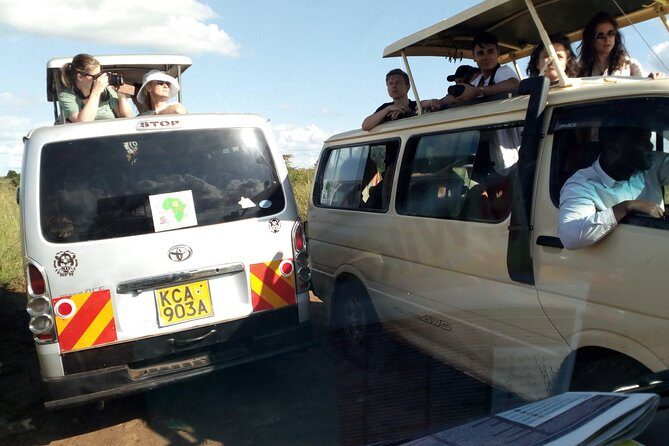
Group size: You’re limited to a maximum of 15 travelers. That’s a sweet spot for safari. It’s small enough for smoother logistics, and it’s large enough that you’re not stuck in a one-car situation if the provider needs flexibility.
Transport: You get door-to-door transport from Nairobi hotels. You’re not hunting for a meeting point at the last minute or trying to coordinate taxis while everyone else is already heading out.
Timing: The listed start time is 7:30am, and day one arrival is targeted around 3:00pm. Those timing choices matter because they set you up for an afternoon-to-dusk drive. For wildlife, late day can deliver the kind of sightings that feel like the trip turning a corner.
Tickets: The info notes a mobile ticket, which is the modern kind of convenience. You’ll still want your key details handy, but at least it reduces the paper chase.
The biggest “logistics win” is that your schedule is built to reduce friction. You’re moving from Nairobi to the reserve and back with meals handled and entrance fees included. That’s how you end up with more energy for game drives—because safari runs on patience.
Who should book this 3-day Mara safari, and who should think twice
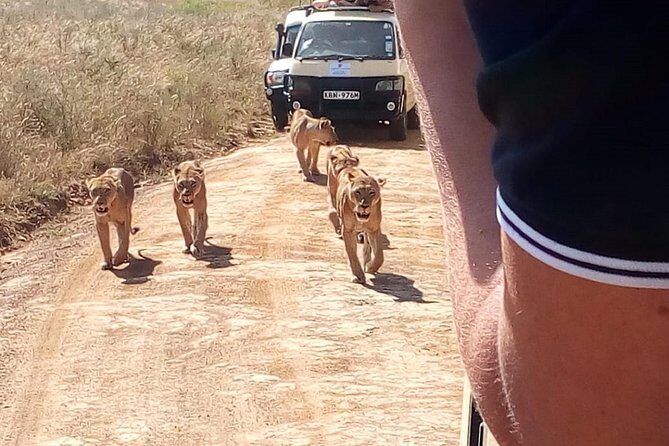
This is a good match if you want a classic first-time Maasai Mara feel: real time in the reserve, daily game drives, and camp stays that make it feel like more than a drive-through. You’ll likely enjoy the Big Five focus and especially the emphasis on big cats.
It’s also a smart choice if you prefer fewer planning tasks. Meals and entrance fees are included, and you get Nairobi hotel pickup plus a Nairobi drop-off or airport drop-off at the end.
Think twice if you’re the kind of traveler who needs tightly controlled inclusions—especially around small cost items like water. The package lists bottled water as included, but there’s a complaint about paying for water anyway. You can still book, but do a quick check at the start of the trip about what’s included daily.
Finally, if you’re traveling with kids, the information says children must be accompanied by an adult. And “most travelers can participate,” which suggests it’s not presented as a highly technical activity—just lots of time outdoors and on safari roads.
Should you book this 3-day Maasai Mara safari?
If your priority is seeing wildlife on scheduled game drives and you want the convenience of meals and entrance fees handled, this is an easy yes. For the price point, the bundled nature of the trip is doing the heavy lifting—less admin, more safari time.
I’d book especially if:
- you want to maximize chances for big cats during a dusk-to-day rhythm
- you prefer small group touring (max 15)
- you’d rather have door-to-door pickup and a clean airport/hotel drop-off
I’d hesitate if:
- you’re very sensitive to anything not clearly delivered on the ground (like bottled water)
- you’re hoping for a fully morning-first itinerary across all days (day one starts with travel and a dusk drive)
Do a quick checklist when you’re picked up: confirm water details, confirm meal timing, and make sure the camp and reserve entry are exactly as your package states. If those boxes are clear, you’re set up for one of Kenya’s most rewarding short safaris.
FAQ
How long is the Maasai Mara safari?
It runs for 3 days (approximately).
Where does the safari start in Nairobi?
The start time is listed as 7:30am, and the tour offers door-to-door transport from hotels in Nairobi.
Is the cost $430 per person or per group?
The price is listed as $430.00 per person.
Are park entrance fees included?
Yes. Entrance fees are included in the package.
What meals are included during the safari?
Breakfast, lunch, and dinner are included across the three days (with two lunches and two breakfasts listed, plus three dinners).
Is bottled water included?
Bottled water is listed as included, though one review raised a question about water being purchased during the trip. It’s a good idea to confirm what’s provided each day.
Is there a vegetarian meal option?
Yes. A vegetarian option is available if you advise at the time of booking.